Zutaten-Enzyklopädie
Überprüfen Sie die Eigenschaften der Zutaten und wie sie in der Küche verwendet werden.
Kräuter
3
6
Herbs are a broad category of plant-based ingredients with strong aroma, used in cooking from leaves, stems, to flowers. Since each variety—basil, parsley, dill, rosemary, thyme—has a markedly different aroma direction and response to heat, it’s best to identify the specific herb when possible in recipes. In cooking, they add brightness to sauces and salads, refine the aroma of meat, fish, and vegetables, and layer fragrance in broths, braises, and grilled dishes. Soft leafy herbs are usually added towards the end to preserve fresh aroma, while tougher leaves or woody stems are added earlier to draw out their fragrance. Using a lot of one herb can overpower the dish. Start by adding finely chopped herb in small amounts and taste, then gradually add more only when the food still tastes bland.
Geschmack und Textur
Herb flavor ranges from grassy, fresh citrus-like brightness, sweet aromas, resinous pine-like notes, earthy aromas, to a light bitterness. Soft herbs like parsley, chives, and basil give bright, immediate aroma, while rosemary, sage, and thyme tend to be deeper and longer-lasting aromas. Fresh herbs have tender leaves and moistness, but heating for a long time can dull color and bring out greenish taste or bitterness. Dried herbs have little texture, but their aroma is concentrated, so they can be stronger than fresh herbs by equal volume.
Hauptverwendungszweck
- Finely chopped fresh herbs sprinkled on salads, grains, eggs, pasta, or roasted vegetables at the end to add aroma and color.
- Herbs with sturdy aroma such as thyme, rosemary, bay laurel are added to soups, stews, tomato sauces, and braising liquids to slowly extract flavor.
- Mixing herbs into butter, olive oil, yogurt, or vinegar creates simple sauces to accompany meat, fish, or vegetables.
- For grilled dishes, herbs can be used with garlic, pepper, and oil, but delicate leaves like basil or cilantro lose their advantage if left in direct high heat for too long.
Vorbereitungstipps
- Rinse fresh herbs briefly under running water just before use and dry thoroughly. Water droplets between leaves can dilute dressings or oils. Tough stems like rosemary or thyme should be stripped leaves, and if you’re extracting aroma, add the stems whole and remove before eating. Conversely, soft stems of parsley and cilantro can be finely chopped and used with leaves.
- Chop herbs briefly to avoid bruising soft herbs, which can darken and turn harsh if pressed too long. Gather leaves and cut them with a knife or scissors, using only the needed amount at the end.
- Dried herbs release aroma more when rubbed between fingers. If the aroma is already weak because they’re old, it’s better to use fresh herbs than to increase quantity.
Besonderheiten beim Kochen
- Soft fresh herbs lose volatile aromas quickly when heated for long. For a fresh green finish, turn off the heat and add them, and only divide some into the sauce during cooking if the aroma needs a boost.
- Hard herbs release aroma more slowly in oil or liquids. When cooking with oil over low heat, manage to avoid scorching; if leaves blacken and smell bitter, start over with fresh oil or herbs.
- Dried herbs should be added early to give them time to absorb moisture. If added at the end, they may feel powdery, so for finishing aromas, fresh herbs are more suitable.
- When combined with acidic ingredients, the bright aroma of herbs becomes more pronounced. If you add lemon juice or vinegar first in large amounts, it becomes hard to judge the fine aroma of herbs, so season and adjust acidity and herbs at the end.
Gut passende Kombinationen
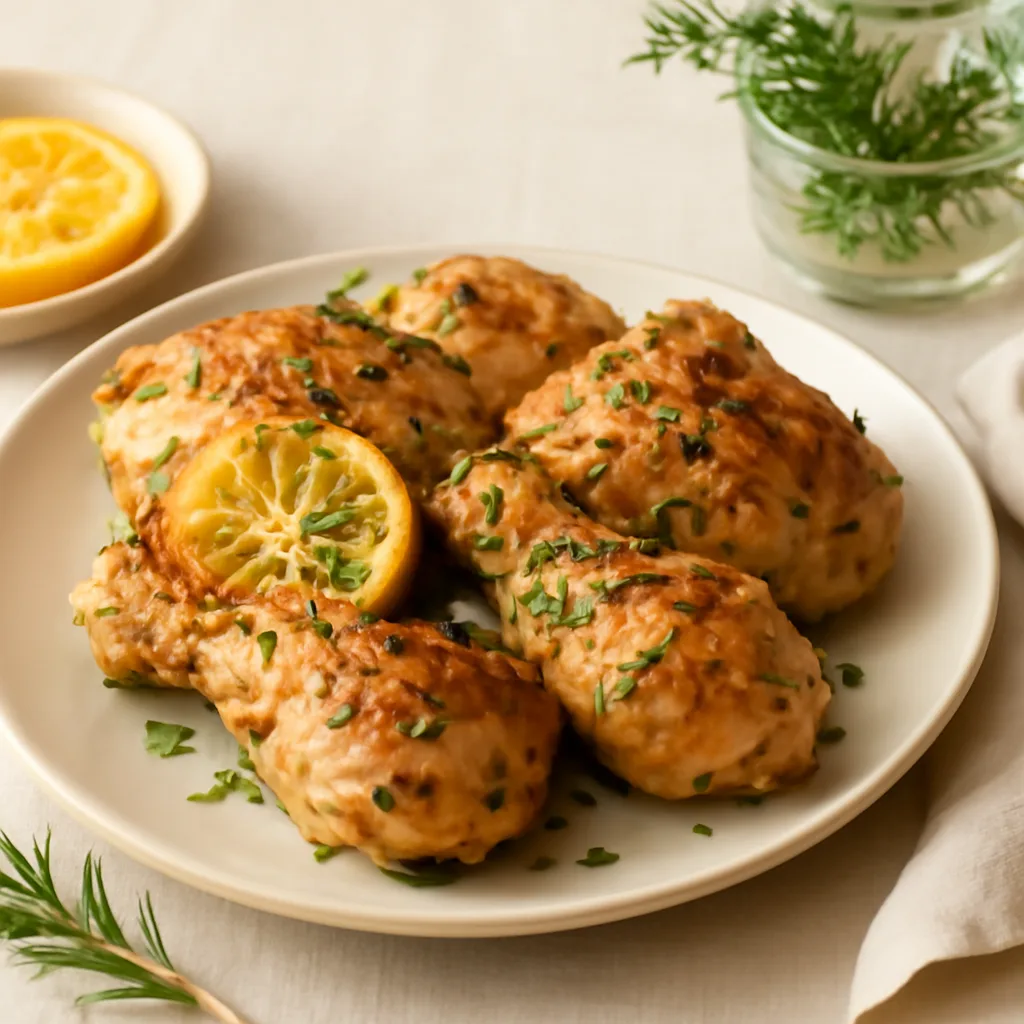
- Acidic flavors like lemon, lime, or vinegar pair well with bright herbs such as parsley, dill, basil, and cilantro, and lightly balance the flavors of fish and salads.
- Garlic, olive oil, and butter provide a good base for disseminating many herb aromas throughout a dish. However, if garlic is fried dark brown, it can mute delicate herb aromas, so add herbs at the end in such combinations.
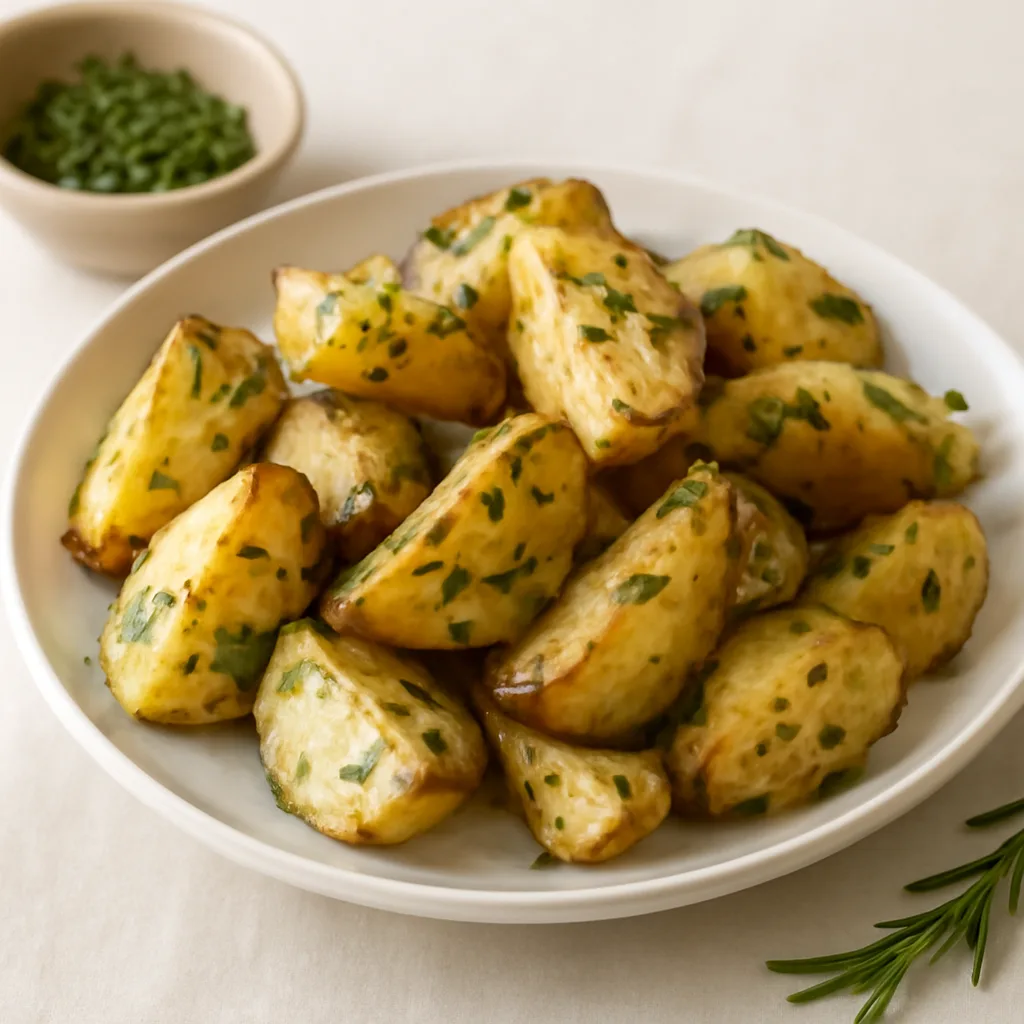
- Hearty herbs like rosemary, thyme, and sage pair well with rich ingredients like potatoes, mushrooms, beans, and roasted meats.
- When mixing several herbs, keep one strong herb as the focal point. If all are added in equal amounts, no single aroma stands out and the scent becomes a complex blend.
Hinweise zum Ersetzen
- When a recipe only says 'herb', substitutions depend on the direction of the dish. For fresh, finishing dishes like salads, you can swap with soft fresh herbs like parsley, dill, or basil, but aromas will differ.
- Thyme or rosemary, which are good for long simmering or roasting, can be partly substituted with stronger herbs like oregano, marjoram, or sage. However, you cannot expect to reproduce the exact piney scent of rosemary or the intense aroma of sage with substitutes.
- When using dried herbs instead of fresh, start with small amounts and add early. Conversely, when using fresh instead of dried, aromas can be weaker, so increase quantity and adjust timing for finishing versus extracting aroma.
- In dishes where herbs are the core flavor—pesto, herb sauces, or fresh salads—substituting with completely different herbs may not be satisfying. In such cases, it is more realistic to adjust other components like lemon zest, scallions, garlic, or nuts to achieve a new flavor.
Zutaten, die häufig zusammen in echten Gerichten verwendet werden
Basierend auf der Häufigkeit der gleichzeitigen Verwendung von Hauptzutaten in den bei CookPagoda registrierten öffentlichen Gerichten.
Gerichte, in denen diese Zutat verwendet wird
Wir zeigen Ihnen die Gerichte, in denen diese Zutat als Hauptzutat enthalten ist, nach Aufrufzahlen sortiert.