Zutaten-Enzyklopädie
Überprüfen Sie die Eigenschaften der Zutaten und wie sie in der Küche verwendet werden.
굴
1
1
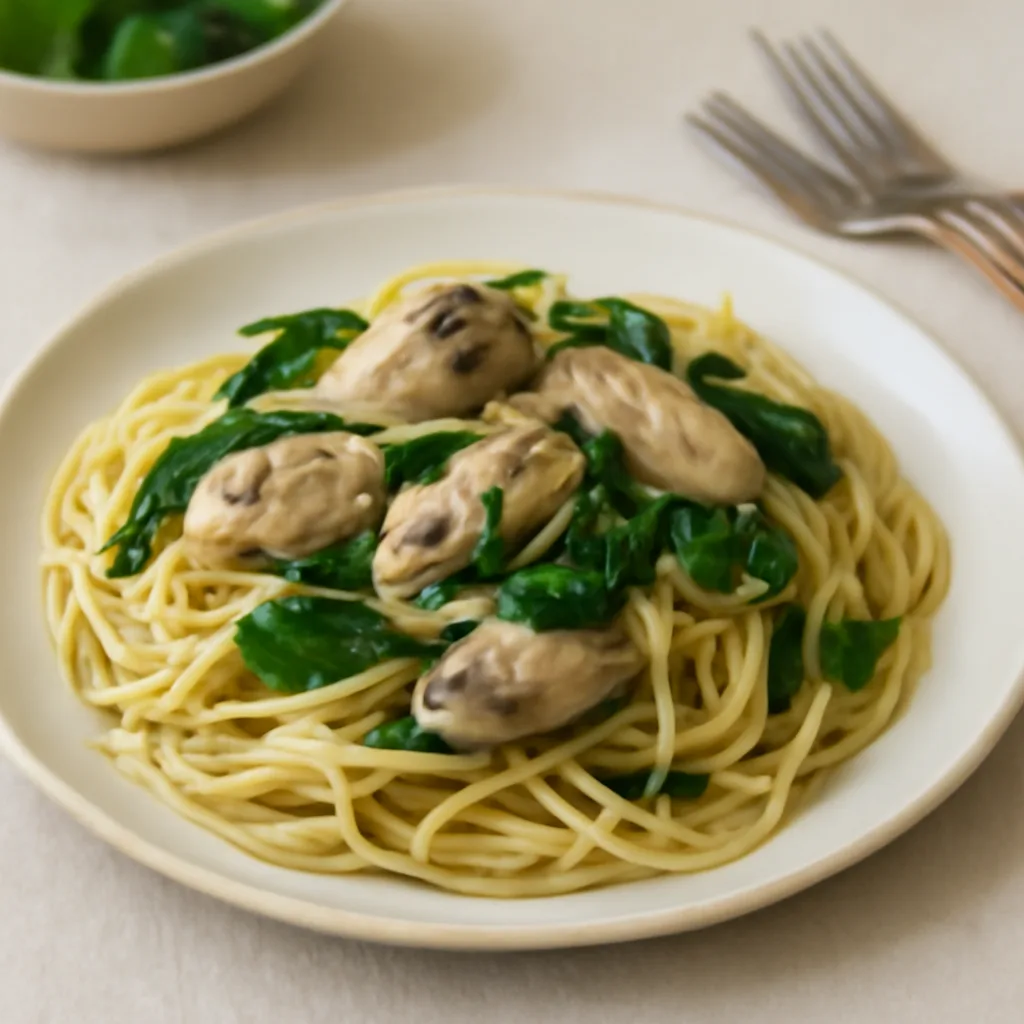
Oysters add a sea scent and savory depth to seafood ingredients; they can be enjoyed raw or used in soups, stews, pancakes, stir-fries, and pasta. Oysters with plump roe and moist flesh develop depth in the broth even when briefly cooked, and they suit dishes that highlight the ingredient’s own flavor, such as oyster soup or oyster pancakes. Because the flesh tends to shrink and become tougher the longer they are heated, it is best to add oysters at the end of soup dishes and heat just until the edges curl and the insides become opaque. Conversely, in dishes with strong seasonings or long simmering, the distinct aroma of oysters can be overwhelmed, so they are better suited to dishes where the seafood flavor remains the focus. Rinsed oysters without shells become soft and fragile, so it’s better to rinse gently in a light salted water and drain through a sieve rather than rubbing hard. If there is a lot of moisture, the batter for pancakes will be runny and moisture can spur liquid release during frying, so lightly blot the surface with a paper towel as needed for the intended use.
Geschmack und Textur
Oysters combine a salty sea aroma, subtle sweetness, and a rich umami. Fresh oysters are smooth, moist, and have a soft, dissolving texture, and when cooked they firm up and the flesh becomes smaller. Fresh oysters have a clear ocean scent, but if the aroma is too strong or the water is very turbid, balancing with other ingredients can be difficult. In such cases, cooking with the oyster in soups or stews with aromatics tends to be more suitable than eating raw.
Hauptverwendungszweck
- Add oysters to soups like oyster soup, seaweed soup, soft tofu stew, or kimchi broth to quickly boost umami.
- For oyster pancakes, blot the drained oysters, coat with flour and egg, and fry; cooking over medium heat rather than high heat helps keep the flesh from shrinking too much.
- Use in kimchi-style dishes or toss with radish, chives, and scallions for a oyster kimchi or a seafood salad. However, if left in a highly watery seasoning for a long time, the oyster will release liquid and dilute the flavors, so mix right before serving.
- For pasta or risotto, sauté aromatics with garlic and olive oil and add the oysters at the end to just barely cook them. Be mindful that strong cream or cheese can mask the delicate oyster aroma; adjust the amount accordingly.
Vorbereitungstipps
- Place the oysters in a wide bowl and gently rinse in a light salted water to remove debris without breaking them, then drain briefly in a sieve. Prolonged immersion in clear water can mute the flavor.
- For fritters or pan-fried dishes, ensure the moisture is thoroughly removed. If the oyster surface is wet, flour will clump and oil may splatter, so pat dry with a paper towel and lightly dust with flour.
- When using in soups, season the broth lightly first. After the oyster’s own saltiness and umami are added, adjust the seasoning to avoid excessive salinity.
- If oyster kernels vary in size, add the larger ones first or divide by size; if smaller ones firm up early, add the rest later to time the cooking.
Besonderheiten beim Kochen
- Oysters firm up quickly as heat causes proteins to coagulate, edges shrink, and the flesh becomes opaque. When this change is visible, most dishes should be taken off heat or proceed to the next step rather than continuing to cook longer for tenderness.
- During cooking, oysters release moisture and sea aroma. If too many are added at once to a frying pan, liquid will pool on the surface and they will overcook instead of fry, so use a wide pan or cook in batches.
- Oysters added to broth contribute umami, but prolonged simmering can cause the flesh to shrink and the broth to become cloudy. For a clear broth, skim off foam and add oysters in the last 1–2 minutes.
- Oyster pancakes require a moderate heat; too low and the batter absorbs oil and tears easily, too high and the exterior browns too quickly, so maintain medium heat until the batter sets and the edges turn golden.
Gut passende Kombinationen
- Ingredients with moisture and fresh aroma such as radish, napa cabbage, seaweed, chives, and scallions nicely balance the salty ocean aroma of oysters.
- Garlic, ginger, chili powder, and hot peppers help to moderate the oyster aroma but can overwhelm the delicate sweetness if used heavily. When pairing with strongly scented kimchi or spicy sauces, add oysters at the end to preserve presence.
- Lemon or vinegar-like acidity accentuates the flavor of raw oysters and salad mixes, but too much acidity can overpower the oyster sweetness, so start with small additions.
- Eggs, tofu, and mild broths complement the oysters’ delicate texture, and butter or olive oil rounds out the umami in fry‑ups and pasta.
Hinweise zum Ersetzen
- Few ingredients can perfectly replace both the sea aroma and soft umami of oysters. In soups or stews, mussels, clams, or shrimp can be used, but flavors, sweetness, and textures differ, so adjust amounts and seasonings accordingly.
- For dishes like oyster pancakes where the soft texture of the eggs is important, small shrimp or finely chopped squid can be used as alternatives. They are firmer and cook at different times, so pre-cook briefly or cut them small before adding to the batter.
- In kimchi or salads, you can reduce seafood by increasing the amounts of radish, pear, and chives, but the oyster’s savory depth will be reduced. If needed, a small amount of anchovy stock or seafood stock can boost depth.
- If the dish is not suited to strong seafood aromas, choosing mushrooms or tofu as alternatives that provide a different kind of umami may feel more natural.
Zutaten, die häufig zusammen in echten Gerichten verwendet werden
Basierend auf der Häufigkeit der gleichzeitigen Verwendung von Hauptzutaten in den bei CookPagoda registrierten öffentlichen Gerichten.
Gerichte, in denen diese Zutat verwendet wird
Wir zeigen Ihnen die Gerichte, in denen diese Zutat als Hauptzutat enthalten ist, nach Aufrufzahlen sortiert.