Zutaten-Enzyklopädie
Überprüfen Sie die Eigenschaften der Zutaten und wie sie in der Küche verwendet werden.
Rinderfilet
1
3
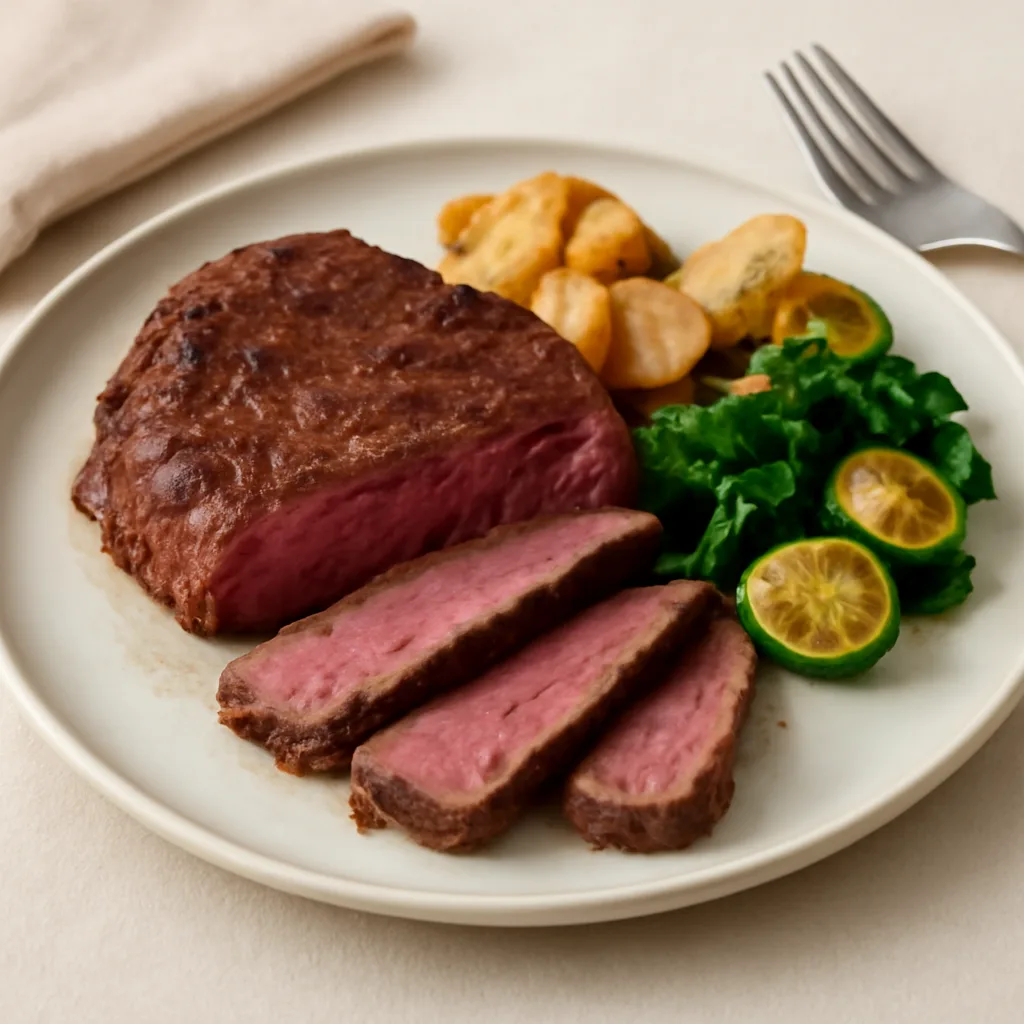
Beef tenderloin is a very tender portion of lean meat located on the inside of the cow’s back, with fine grain and relatively few tough tendons, making it suitable for short cooking. It is mainly used in dishes that preserve the delicate texture of the meat, such as steak, roast, and skewers. It is not a cut that benefits from long cooking to draw out flavor, like cuts with a lot of fat and connective tissue. Searing the surface quickly over high heat and then resting it at the desired doneness helps keep moisture, but overcooking can make it firm and somewhat bland. Therefore, in dishes that require a strong flavor, using complementary ingredients like butter, sauces, mushrooms, and pepper is practical.
Geschmack und Textur
The flavor is clean and light, with beefy aroma, but the nutty fat flavor is restrained compared with richly marbled cuts. When cooked properly, it is very tender and smooth to chew, especially the thickly sliced tenderloin shows the soft texture in the center. If the surface is browned enough, the roasted aroma can complement the mildness. Conversely, slicing too thin or cooking too long reduces the moisture and diminishes the tenderness.
Hauptverwendungszweck
- Cut thick for 팬 스테이크 and sear, then deglaze the browned bits with butter, wine, and stock to make a simple sauce.
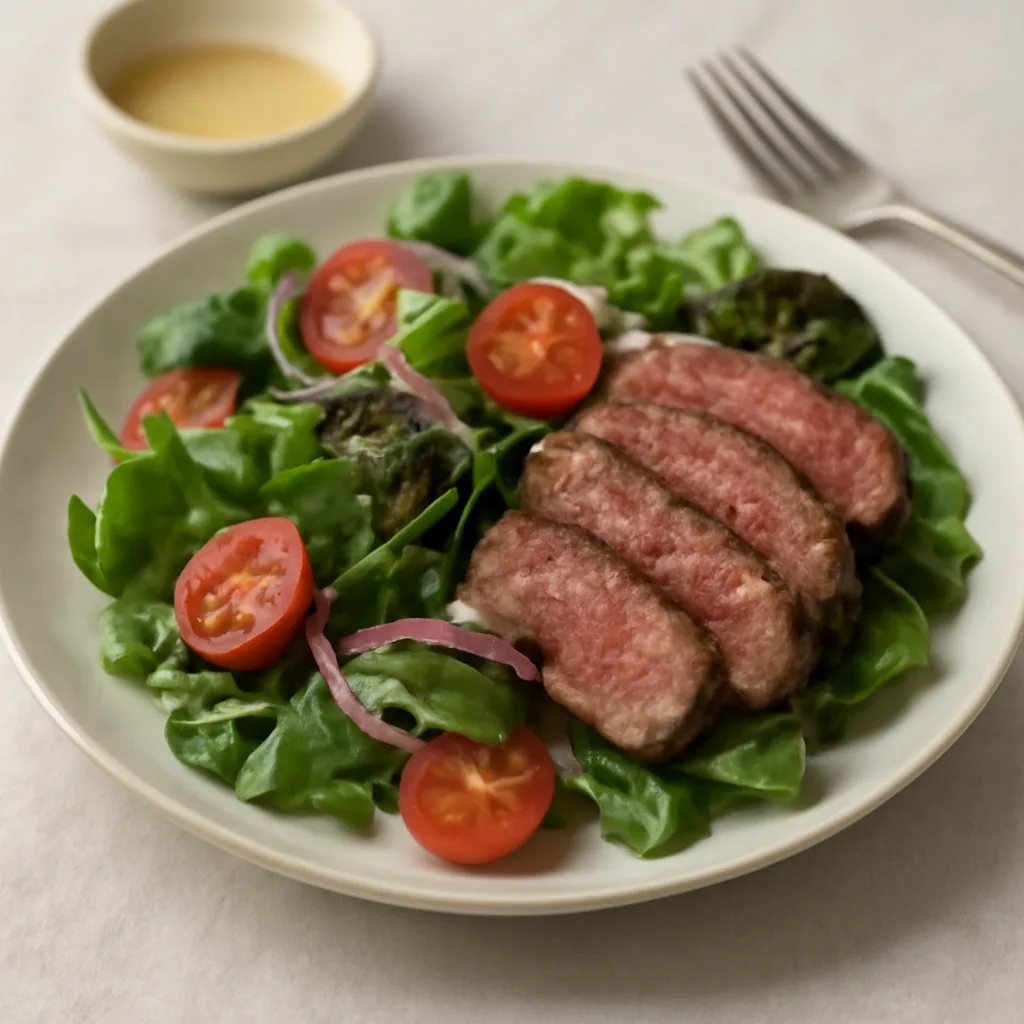
- Whole tenderloin is seared on the outside or roasted in the oven, then thinly sliced to present as a roast. Since the center temperature can change quickly, even large cuts should be checked from the middle.
- Cut into bite-sized pieces for skewers or quick stir-fries. In stir-fries, add the meat just after the vegetables are nearly cooked to minimize toughness by keeping a short cooking time.
- Thinly sliced tenderloin can be used for shabu-shabu, jeongol, or bulgogi-style marinades, but for long-simmered soups, the tenderloin’s delicate texture is hard to retain as a feature.
Vorbereitungstipps
- Pat the surface dry with paper towels before cooking. If moisture remains, the pan temperature drops and moisture will be released rather than browning, so start with a dry surface.
- Lift and remove any tough membrane or silvery tendons with the tip of a knife. If left, they can cause the meat to contract and become chewy after cooking.
- If it’s for steak, trim to even thickness and season with salt and pepper. If salt is applied early and moisture beads on the surface, wipe it off before searing or season just before cooking and place in the pan.
- While it’s not impossible to cook from cold, cooking with a cold center can cause larger differences in doneness between surface and interior. Let it rest briefly to temper the surface before cooking to better control doneness.
Besonderheiten beim Kochen
- Searing over high heat on a hot pan for a short time develops a brown flavor on the surface due to the Maillard reaction, while keeping the interior tender. If there isn’t immediate sizzle when the meat is placed in the pan, the pan may not be sufficiently preheated, so removing the meat temporarily to reheat is a better approach.
- Tenderloin has little fat to melt out, so it doesn’t produce much oil on its own. When the pan dries and starts to stick, add a small amount of oil with a high smoke point, and add butter later to prevent scorching and impart aroma.
- If you cut right after heating, a lot of juices can run onto the plate. Let it rest a bit until surface heat subsides, then slice to reduce moisture loss at the cross-section.
- Long steaming or simmering is a method to soften cuts with more connective tissue, but the effect is limited for tenderloin. If you’re aiming for a soft dish, it’s better to cook for a shorter time or choose another cut.
Gut passende Kombinationen
- Mushrooms, pepper, garlic, and onions—ingredients that deepen umami and aroma—complement the tenderloin’s mild flavor. Sauté mushrooms first to drive off moisture, then pair to reduce the sauce becoming too watery.
- Butter and herbs add gloss and aroma to the lean meat. Be careful with very thick butter-based sauces that could overpower the delicate flavor; reduce the amount if you want to keep the meat’s lightness.
- Roasted asparagus, mashed potatoes, and root vegetables pair well for a hearty or creamy accompaniment. For acidity, use a small amount of lemon or vinegar to lift the heaviness, but don’t overpower the meat with too strong acidity.
Hinweise zum Ersetzen
- For steak or quick searing, you can substitute with relatively tender cuts like sirloin, striploin, or ribeye. However, fattier substitutes are richer in flavor but can differ in fat content and shrinkage for the same cooking time.
- For skewers or quick-fry dishes, you can use thinly sliced cuts like chuck flap or shoulder blade that are easy to eat tender. If the cut has more distinct grain, slice across the grain and keep cooking time short.
- In hot pot or broth dishes, tenderloin is not always a necessary substitute. For long-simmered dishes, use cuts like brisket or shank that are better suited for extended cooking, as it is more economical and texture differences will occur in the broth.
Zutaten, die häufig zusammen in echten Gerichten verwendet werden
Basierend auf der Häufigkeit der gleichzeitigen Verwendung von Hauptzutaten in den bei CookPagoda registrierten öffentlichen Gerichten.
Gerichte, in denen diese Zutat verwendet wird
Wir zeigen Ihnen die Gerichte, in denen diese Zutat als Hauptzutat enthalten ist, nach Aufrufzahlen sortiert.