Zutaten-Enzyklopädie
Überprüfen Sie die Eigenschaften der Zutaten und wie sie in der Küche verwendet werden.
케일
1
3
Kale is a leafy green with dark green leaves and a sturdy stalk, and its uses vary greatly depending on the cooking method, whether raw, blanched, sautéed, or roasted. Young leaves are well suited for salads, while broad, tougher leaves are good for soups, stir-fries, and stews. Choose leaves with vivid color and crisp edges that are not wilted for easy trimming. The thick central stalk takes longer to cook than the leaves and has more fibrous texture, so it is usually separated and used. The stalk doesn't need to be discarded, but it’s best sliced finely and sautéed before the leaves or cooked thoroughly in soups. If the raw kale’s bitter note feels heavy, gently rub with salt or add acidity and oil together; prolonged simmering can cause color and shape to deteriorate.
Geschmack und Textur
Kale has a vivid green vegetable flavor with a hint of a green smell, along with slight bitterness, and the flavor and bite are stronger in thicker-leaved varieties. Raw leaves are tough and springy, but slicing thinly or massaging makes them much softer. When heated, volume greatly reduces and texture becomes softer, but short cooking leaves a chewy bite in the stalk. Quick high-heat stir-fry can make the edges crisp, while longer cooking in a water-rich pan can cause it to soften and taste grassy.
Hauptverwendungszweck
- Thinly sliced kale adds bite to salads or grain bowls. When used raw, dressing is mixed with the leaves first to soften them.
- Sauté kale briefly with garlic and oil to use as a side dish or as a vegetable component in pasta. If the pan is too small and leaves overlap, cook in batches or add leaves gradually to prevent moisture buildup.
- In soups, stews, and soups like miso, add coarsely chopped kale for a hearty texture. If you want softer leaves, add early in the cooking; if you want to keep color and shape, add toward the end.
- In ovens or air fryers, brush thinly with oil and bake to make crispy kale chips. When leaf sizes and thickness vary, smaller pieces brown first, so check status halfway through.
Vorbereitungstipps
- Rinse by running water, spreading the leaves to wash around the wrinkles and around the stalks, then thoroughly dry. Water droplets left on the surface can cause oil to splash when frying and can make it soggy when broiling.
- Gently pull apart the thicker central stalk from the leaves by hand or cut with a knife. If using the stalk, slice thinly and keep separate from the leaves to adjust cooking time.
- For salad kale, cut into bite-sized pieces and rub with a pinch of salt and oil or dressing for 1–2 minutes until soft. When leaves darken and volume reduces, it signals the tissue is loosening; over-rubbing can make them limp.
- For stir-fry or soup, prepare stalks and leaves separately. Cook stalks first, then add leaves to prevent tough stalks and overly mushy leaves.
Besonderheiten beim Kochen
- Kale rapidly loses volume when heated, so the visible quantity seems less than raw. When cooking for many people, plan generously to account for this shrinkage.
- When stir-frying quickly at high heat, if too much moisture is released, heat is not maintained well, so sauté in batches or keep the pan empty between additions and combine later.
- In broth, the leaves soften and the green vegetable aroma transfers the longer you simmer. For dishes where the texture should stay firm, add near the end.
- When roasting, the edges dry and color quickly. If the edges turn brown too fast, lower the temperature or remove earlier on subsequent batches.
Gut passende Kombinationen
- Garlic, onion, olive oil or sesame oil help round out kale’s rough green aroma by adding scent and fat.
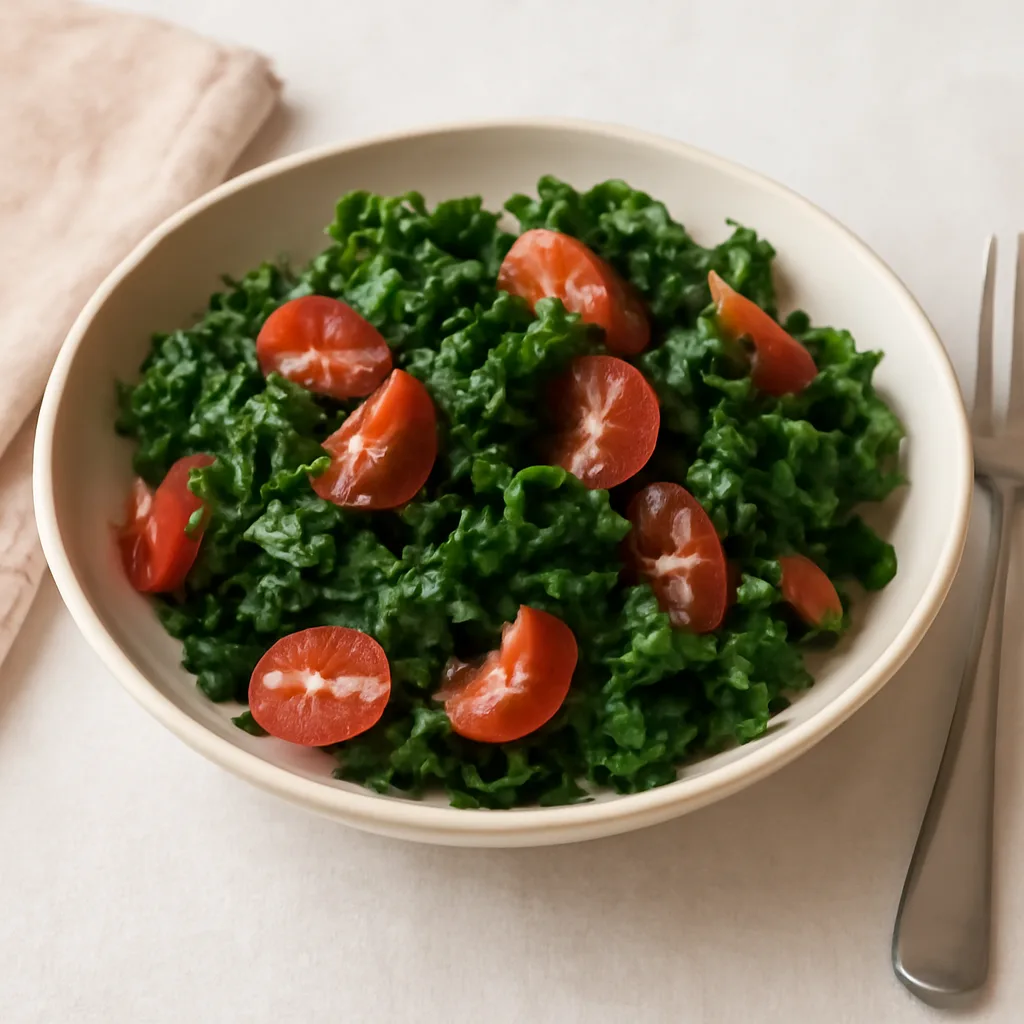
- Lemon juice, vinegar, or tomatoes add acidity to lightly balance the bitterness. However, too acidic a dressing can cause the leaves to wilt too much if mixed for too long.
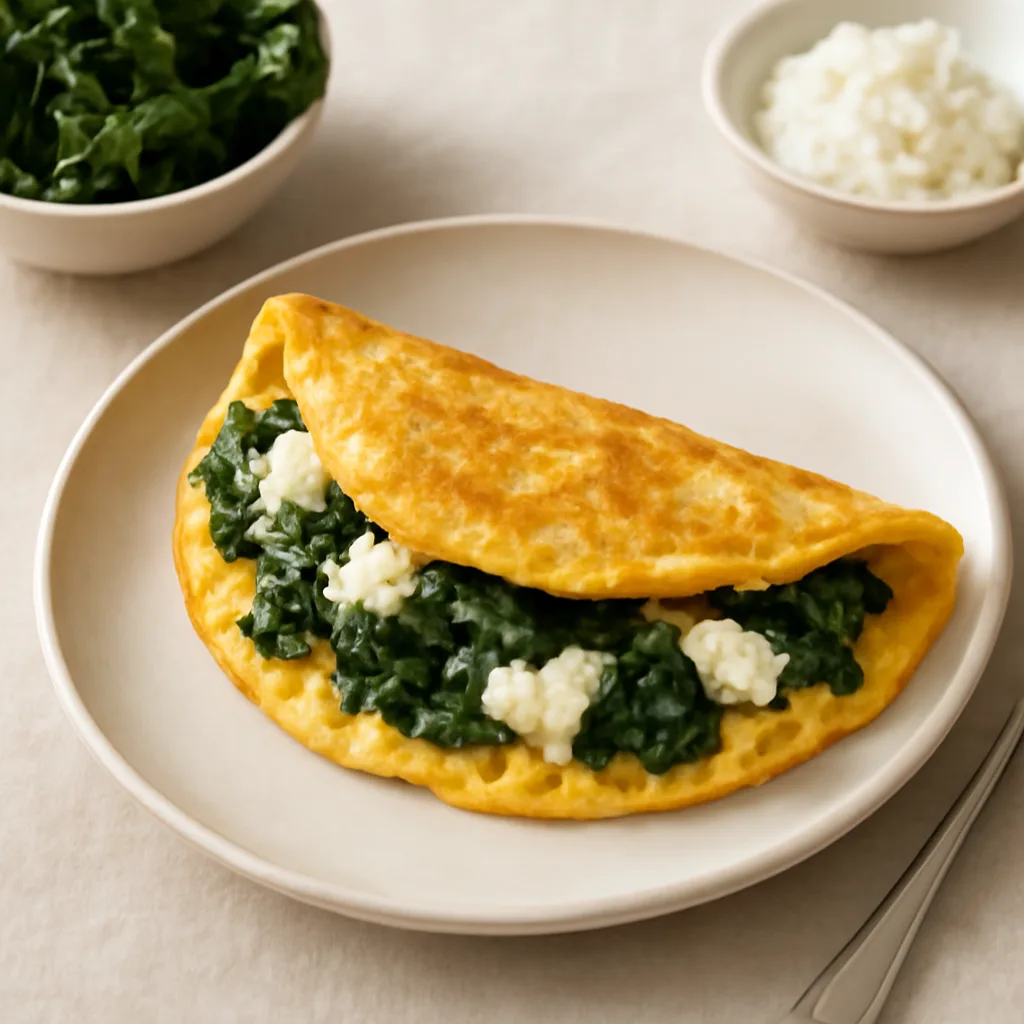
- Pair with mild or savory ingredients like chickpeas, white beans, lentils, eggs, or cheese for a complete meal.
- Strong condiments like hot peppers, miso, or soy sauce go well, but for kale chips that aim for a crispy texture, lighter seasonings are better than heavy sauces.
Hinweise zum Ersetzen
- If you want the chewy bite of kale in salads, you can mix in some beets or sturdy romaine, but the bitterness and leaf elasticity will differ.
- For soups or stir-fries, alternatives include beet greens, collard greens, or spinach. Spinach wilts much faster, so don’t add it at the same time as kale; add it at the end of cooking.
- Kale chips can be made with thin, broad-leaved greens similarly, but thickness and water content affect crisping time. Adjust time by watching edge color rather than applying exact same time and temperature.
- In long-simmering dishes like miso soup or thick stews, you can substitute cabbage or Chinese kale, but cabbage softens faster and releases more moisture, changing the soup’s thickness.
Zutaten, die häufig zusammen in echten Gerichten verwendet werden
Basierend auf der Häufigkeit der gleichzeitigen Verwendung von Hauptzutaten in den bei CookPagoda registrierten öffentlichen Gerichten.
Gerichte, in denen diese Zutat verwendet wird
Wir zeigen Ihnen die Gerichte, in denen diese Zutat als Hauptzutat enthalten ist, nach Aufrufzahlen sortiert.