Zutaten-Enzyklopädie
Überprüfen Sie die Eigenschaften der Zutaten und wie sie in der Küche verwendet werden.
Fritiermehl
1
1
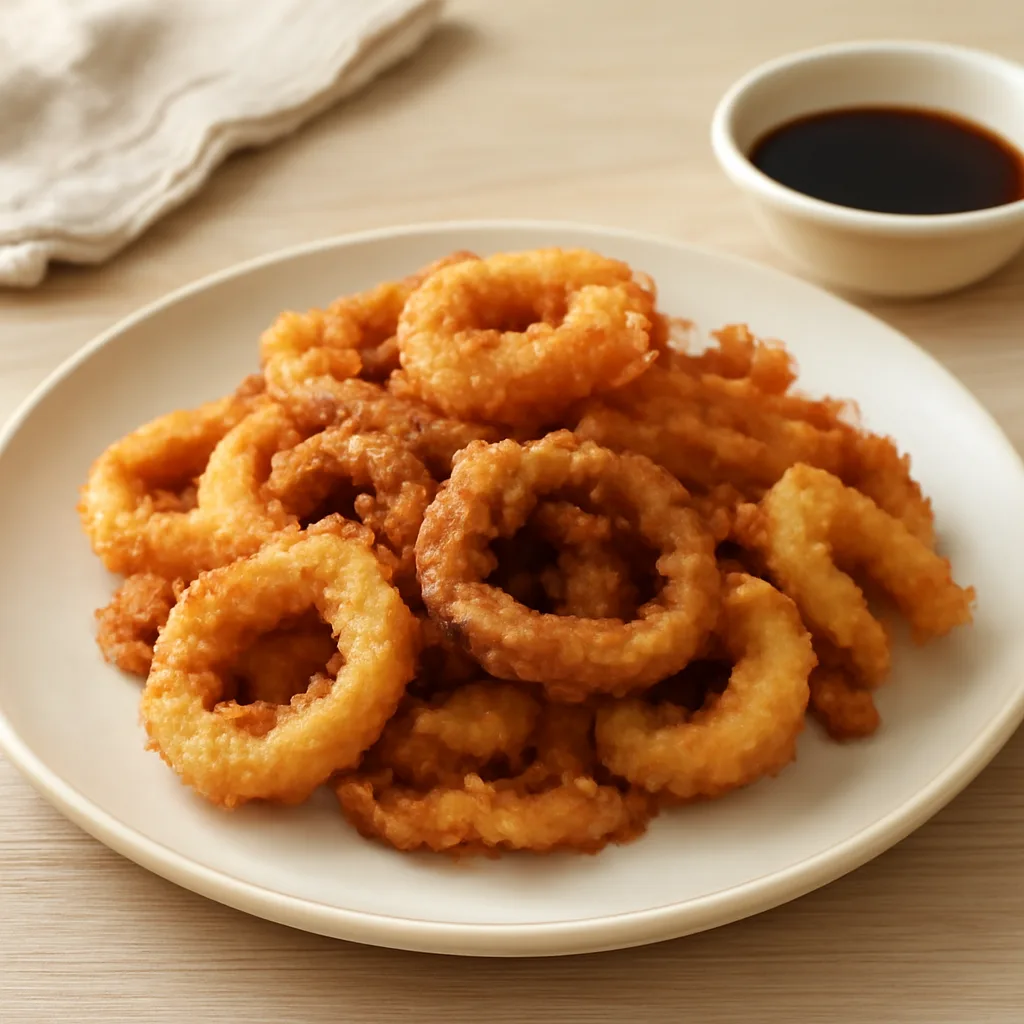
Fry powder is a powder mixture used to coat ingredients with a thin, crispy outer layer. It is usually based on flour with starch, leavening agents, and seasonings, mixed with water to make a batter or used to coat ingredients directly as a frying coat. It is convenient for quickly preparing vegetable, seafood, and meat fryings by reducing separate seasoning and starch blends. The batter consistency and oil temperature greatly influence the result. If the batter is too thin, the coat flakes off thinly; if too thick, it can become a heavy, thick fry. Use the water ratio listed on the package as a starting point, then adjust so the surface lightly coats the ingredient without dripping. Fry powder is advantageous for crispness and convenience, but for dishes where you want to preserve the delicate flavor of the ingredient with only a very thin coat, starch or a simple flour batter may be more suitable. Since seasoning is often already included, taste after frying and add soy sauce seasoning or salt if needed only then to avoid over-seasoning.
Geschmack und Textur
The powder itself has a generally neutral taste, with a light salty or savory note possible. When fried, it develops a toasty aroma, and the surface tends to be crispy and relatively light in texture due to starch and leavening agents. Crispness decreases as moisture is absorbed over time. Frying vegetables or sauces that are high in moisture with the coating can cause the coating to become soggy, so if crisp texture is the goal, pair with a sauce right after frying for best results.
Hauptverwendungszweck
- Zucchini, sweet potato, onion, and mushrooms are great when coated in batter and fried, as the coating surrounds the moisture in the ingredient to create a crispy exterior. Thick pieces may over-darken before the inside cooks, so slice thinly or cook at a lower temperature first, finishing with a crisp fry.
- For smooth-surfaced ingredients like shrimp, squid, or fish, first coat lightly with fry powder and then dip in batter to help the coating adhere more firmly. If surface moisture remains, the batter may slip or oil can splatter, so wipe dry before proceeding.
- For thick meats like chicken or pork cutlets, fry powder batter alone may not yield a breaded crust as thick as a deep-fried coating. It is suitable for a light fry and provides a crispy bite; for a crisper crust, using breadcrumbs is more appropriate.
- Some products can be used in tempura-type batters, but fry blends are often aimed at achieving a thin, crispy surface. If you want a moist, soft center like traditional batter, adjust the ratio of ingredients rather than over-watering.
Vorbereitungstipps
- Mix the powder with cold water just before use. Cold batter helps reduce overly tough coatings, and if left standing after mixing, the crispness and consistency can change.
- Mix only briefly so the powder is barely incorporated. Over-mixing makes the gluten develop and the coat hard and tough, so small lumps remaining are okay.
- Gently dab ingredients dry with paper towels to remove surface moisture, then lightly coat with flour and dip in batter. Without this pre-dusting step, seafood or mushrooms may lose the coating easily.
- Do not crowd the batter with too many ingredients at once. If the batter becomes too thin due to moisture from the ingredients, add more powder or make a fresh batch to maintain a uniform thickness.
Besonderheiten beim Kochen
- As the batter hits hot oil, moisture evaporates, the surface hardens and browns. Bubbles initially vigorous, then gradually subside; when the surface turns light golden, it is a good cue that frying is done, though the interior may need more time depending on the size of the ingredient.
- If the oil temperature is too low, the batter will absorb too much oil, becoming moist and heavy. If few bubbles form when added, restore the temperature and fry in batches rather than adding more ingredients at once.
- If the temperature is too high, the exterior browns quickly while the interior may remain undercooked. For thick meats or firm root vegetables, fry at medium temperature first, rest briefly, then fry briefly at a higher temperature to finish the crust crisp and even.
- Stacking fried items on a plate traps steam that can make the coating soggy. After frying, drain on a rack in a single layer to allow oil and steam to escape, which helps maintain crispiness.
Gut passende Kombinationen
- A dipping sauce made by mixing soy sauce and vinegar provides a refreshing contrast that offsets the savory richness of the fry powder. If the product is already seasoned, start with a thin sauce and adjust to taste.
- Shrimp or squid pair well with citrus like lemon, herbs, or spicy seasonings; sweet potatoes and pumpkins benefit from saltiness or a light soy sauce to enhance sweetness.
- Adding sauces over moisture-rich ingredients before frying sacrifices crispness. If crisp contrast is important, serve the sauce on the side or only drizzle lightly so the dish remains crisp.
Hinweise zum Ersetzen
- If you don’t have fry powder, you can mix flour with some starch to make a light fry coat, adding salt separately for seasoning. Note that it will differ in color, leavening, and flavor from seasoned fry powder.
- For a thinner, crisper result, increasing the starch ratio can be effective, but it may cause delicate ingredients to crack or fall off the coating.
- Tempura-style batters are possible, but fried powder products vary in purpose, salt, and texture, so a perfect substitute may not exist. If crispness is the goal, keep the batter cold and reduce water to check the consistency.
- Breadcrumbs are suitable for thick crusts like tonkatsu but do not replicate the light surface of fried batter. Choose an alternative based on whether you want a thin fried coating or a coarser breadcrumb texture.
Zutaten, die häufig zusammen in echten Gerichten verwendet werden
Basierend auf der Häufigkeit der gleichzeitigen Verwendung von Hauptzutaten in den bei CookPagoda registrierten öffentlichen Gerichten.
Gerichte, in denen diese Zutat verwendet wird
Wir zeigen Ihnen die Gerichte, in denen diese Zutat als Hauptzutat enthalten ist, nach Aufrufzahlen sortiert.