Themaleitfaden
Überprüfen Sie die Auswahlkriterien und Kochideen für Lebensmittel, die zu diesem Thema passen.
In einer Schüssel
8
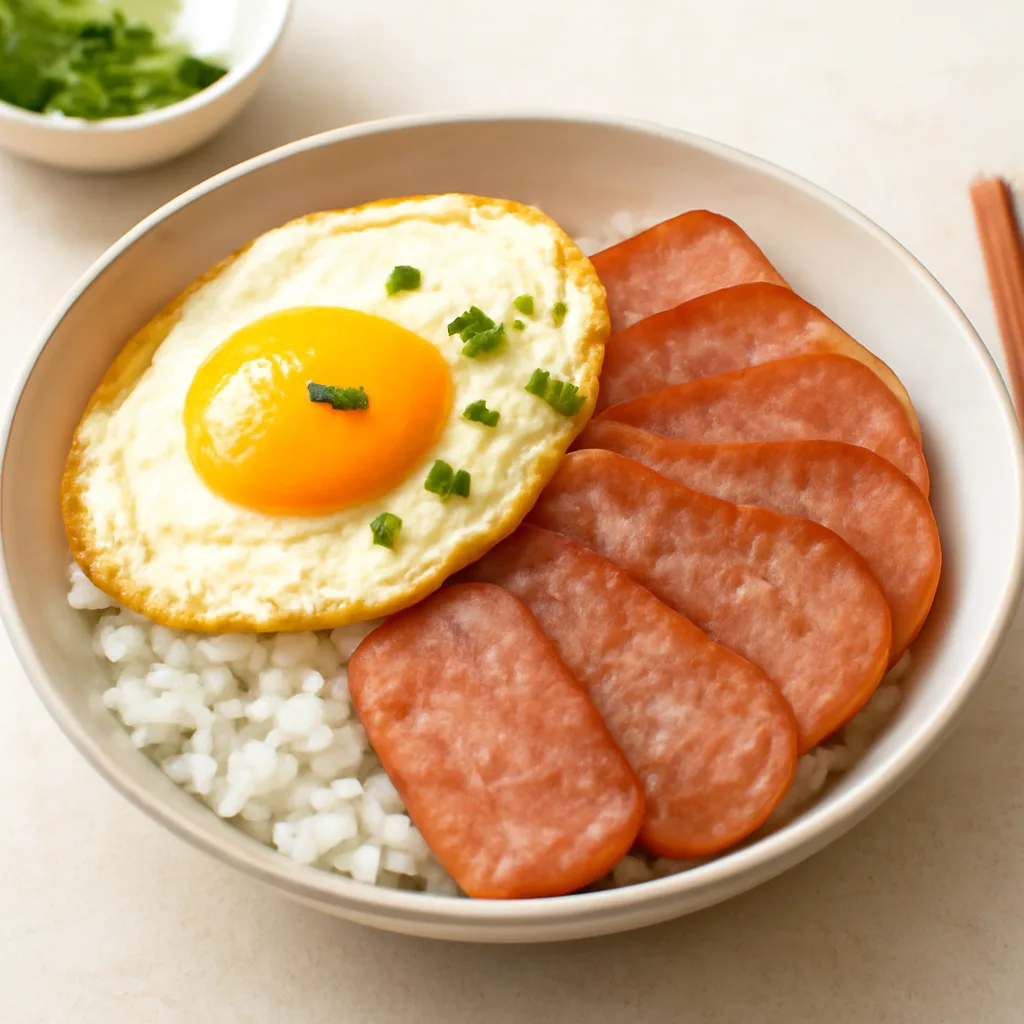
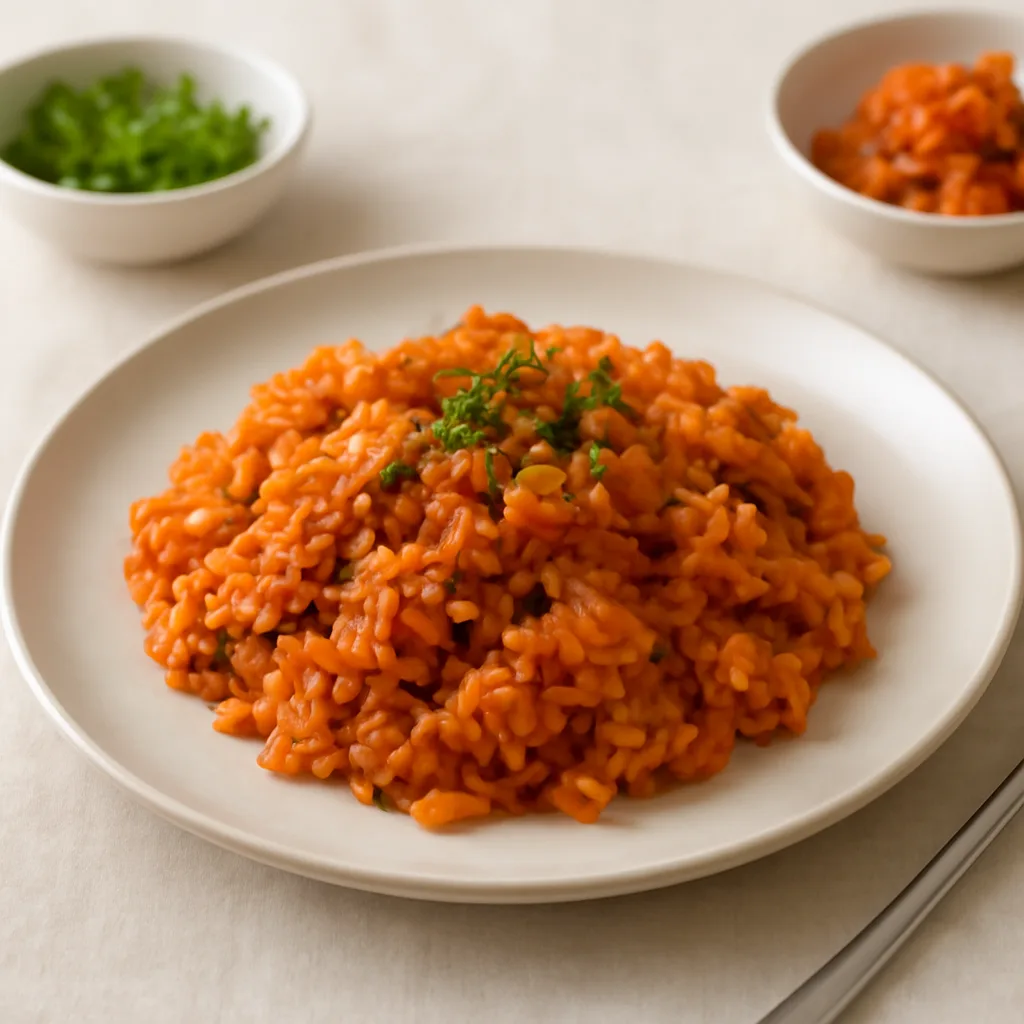
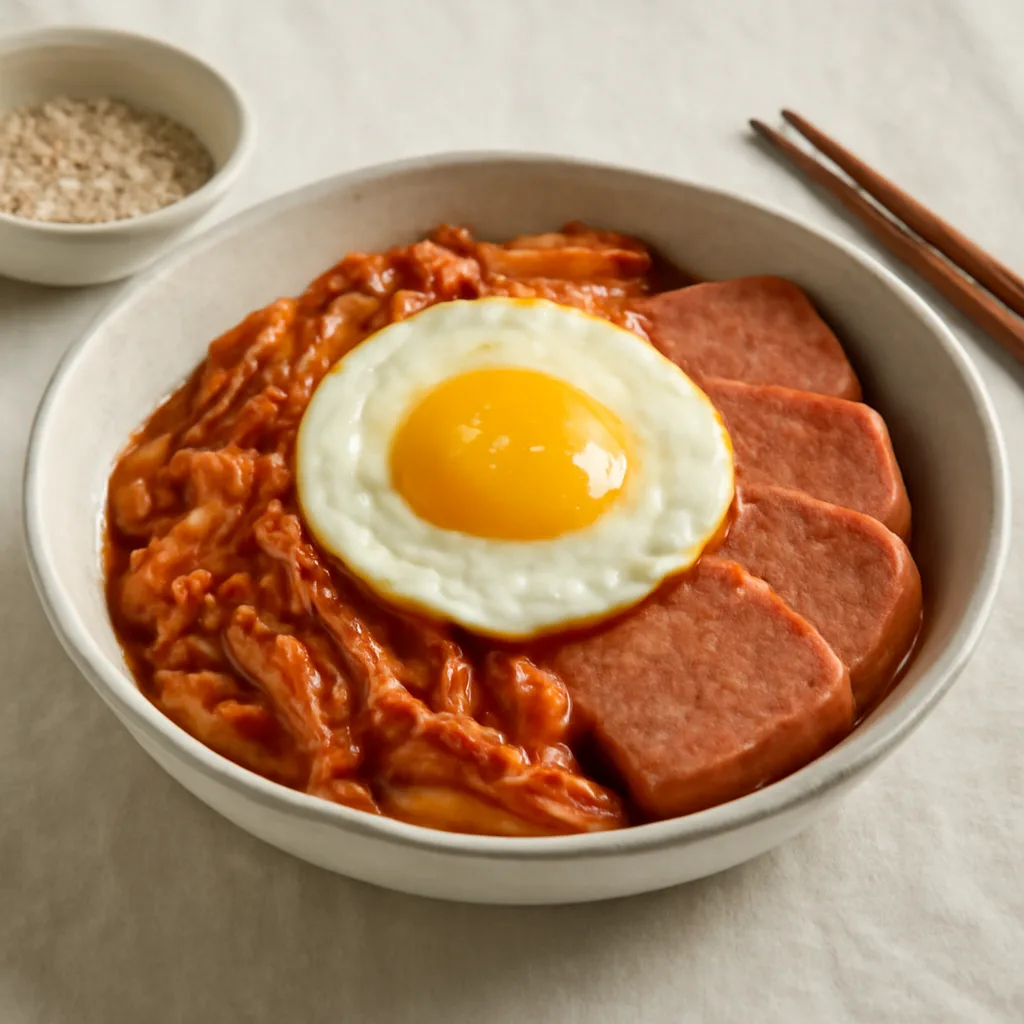
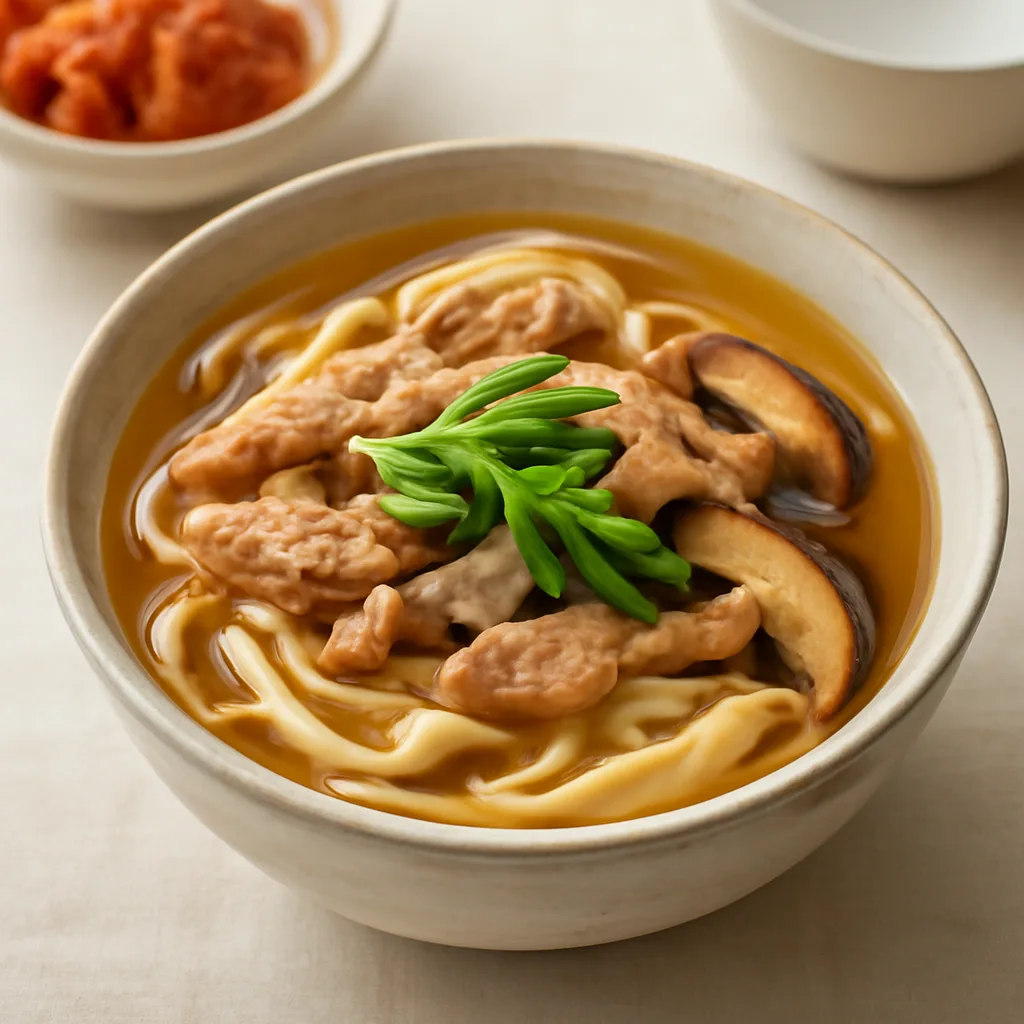
One-bowl cooking completes a meal in one bowl by adding protein, vegetables, and a sauce or broth to a central ingredient like rice, pasta, grains, or bread. Some menus mix ingredients like bibimbap, while others stack layers or focus on a broth as in-deep dishes like donburi, gukbap, or noodle dishes, giving a wide range of options. When choosing a menu, start by checking how easy it is to eat once plated. If ingredient sizes and moisture levels differ greatly, one side may become mushy while the other dries out, so it’s best to layer moist ingredients and crispy ones at separate times. A table that shares multiple dishes or a setting where you want to enjoy each side’s flavors separately may not suit a one-bowl configuration. A one-bowl menu is practical for using up leftovers, but it does not simply mean putting everything together. Decide on one central ingredient and add ingredients that complement the flavor direction, temperature, and texture to make the choice easier.
Geeignet für diese Personen
- People who want to prepare a meal relatively simply but still eat rice or noodles, vegetables, and protein together.
- If meals are at different times and need reheating separately, choose menus that separate the rice and toppings and assemble just before eating.
- On days when you want to reduce dishes, donburi or fried-rice style that naturally combines cooking and plating are more convenient.
- Conversely, if several side dishes are shared among many people or crispy fried items need to stay crispy for a long time, a one-bowl approach may not be suitable.
Leitfaden zur Lebensmittelauswahl
- If you need a warm and hearty meal, first decide on a filling base like rice or noodles, then choose between donburi, bibimbap, gukbap, or noodle dishes based on whether you want broth.
- If there are refrigerated leftovers of cooked meat or roasted vegetables, it’s easy to use them in low-moisture donburi or fried rice; if you only have broth-rich ingredients left, broth meals or noodle dishes may feel more natural.
- If the ingredients are already seasoned, serve sauces separately or reduce their amount; in a one-bowl, rice or noodles mix with a base might taste less seasoned than initially, but adding broth can make it feel saltier.
- Crisp vegetables or ingredients like kimchi, nuts, or crunchy greens should be added just before serving; mixing them in advance can cause moisture absorption and soggy textures.
Häufig kombinierte Zutaten
- Rice, noodles, udon, porridge, or other starchy bases are common; leftovers’ moisture levels determine whether to use them for frying or a broth-based dish.
- Eggs, tofu, legumes, meat, or fish add needed chew and flavor to the central ingredient; cooking longer ingredients separately before adding helps prevent the base from becoming mushy.
- Leafy greens, mushrooms, onions, carrots, cucumbers, kimchi can be added either cooked or raw to adjust color and texture.
- Sauces like soy-based dressings, gochujang or doenjang pastes, broths, sesame oil, and vinegar guide flavor direction, but if using salty toppings and broth together, it’s better to balance by lightening one component.
Passende Kochmethoden
- Sautéing helps infuse aroma into rice or noodles; if moisture is high in the pan, cooking may cause ingredients to soften rather than stay crisp, so add high-moisture vegetables separately.
- Braising and simmering are good for meat or mushrooms to coat and become toppings for donburi; if the sauce is too thin, reduction is needed at the end to adjust thickness.
- Boiling and blanching suit ingredients needing shorter cooking times like noodles, eggs, or leafy greens; noodles will continue cooking after plating, so slightly undercooked can be chosen for broth-based dishes.
- Flavorful broth or simmering fits soup-based dishes, but adding raw vegetables or crispy toppings from the start can cause loss of color and texture, so add them separately.
Tipps für Anfänger
- Start simple with one base, one protein, one or two vegetables, and one seasoning to easily judge balance.
- If rice or noodles become too soft, they will absorb moisture from the sauces and vegetables and may clump, so keep the base from becoming too soft when using moist sauces or broths.
- If the final taste is bland, adjust by adding a little acidity from a tangy sauce, finish with a fragrant oil, or finish with a small amount of sesame seeds or scallions to identify what’s missing.
- If toppings look dull after mixing, try separating cooked ingredients from cold ingredients next time and combine right before eating for better color and texture.
Tipps zur Menügestaltung
- When planning a weekly menu, vary the method of the same base to reduce repetition, for example plan rice as donburi, fried rice, and broth-based rice separately.
- Prepare the meat or legumes that take longer to cook first, then arrange quicker-cooking ingredients like vegetables and eggs to simplify assembly within a single bowl.
- On days with broth-based dishes, keep sides light; on days with richly seasoned donburi, add fresh vegetables or lighter sides to balance flavors.
- For crisp toppings or raw vegetables, prepare them separately from the base and toppings; for meals that move or must sit for a while, choosing sturdier toppings that resist moisture is better.
Essen, das in diesem Thema enthalten ist
Hier sind die Speisen, die in diesem Thema enthalten sind, sortiert nach Aufrufen von CookPagoda.