Ingredient Encyclopedia
Check the characteristics of the ingredients and how to use them in cooking.
Imitation Crab
1
3
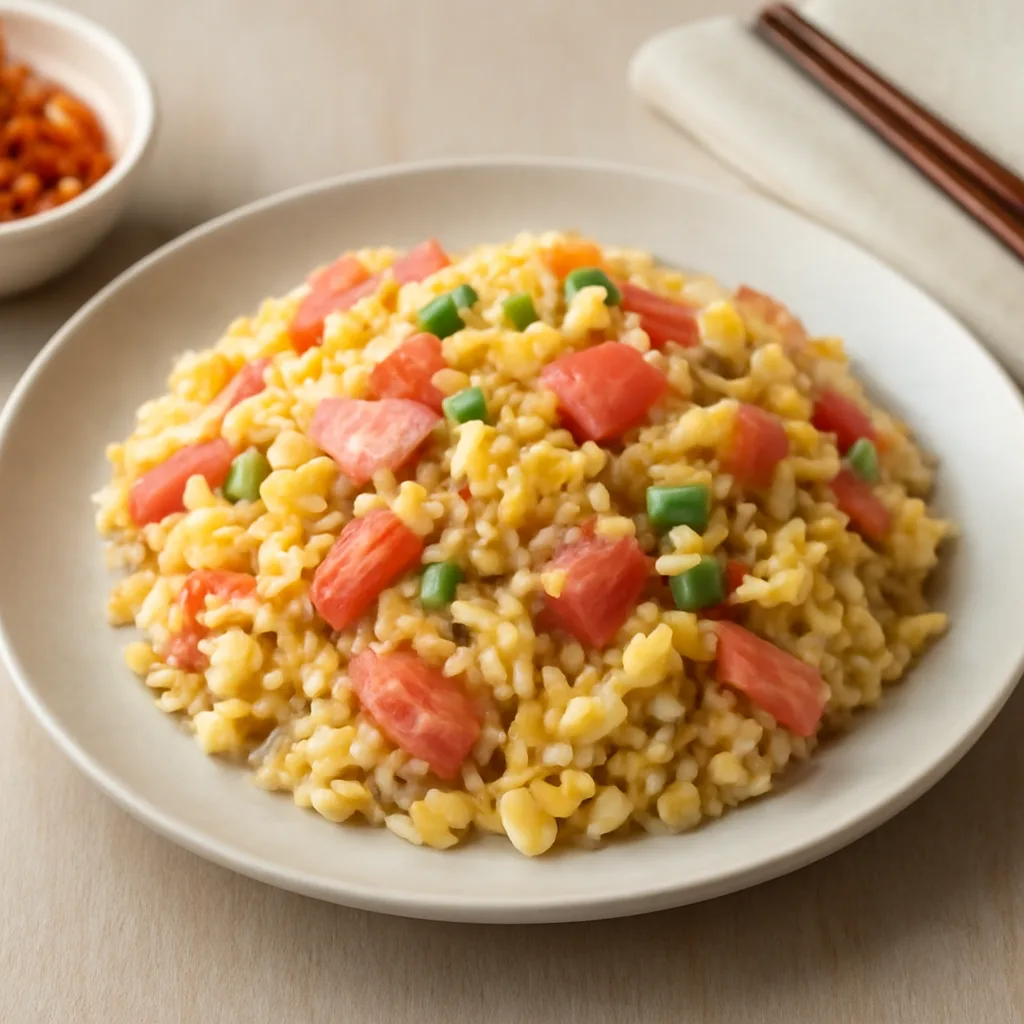
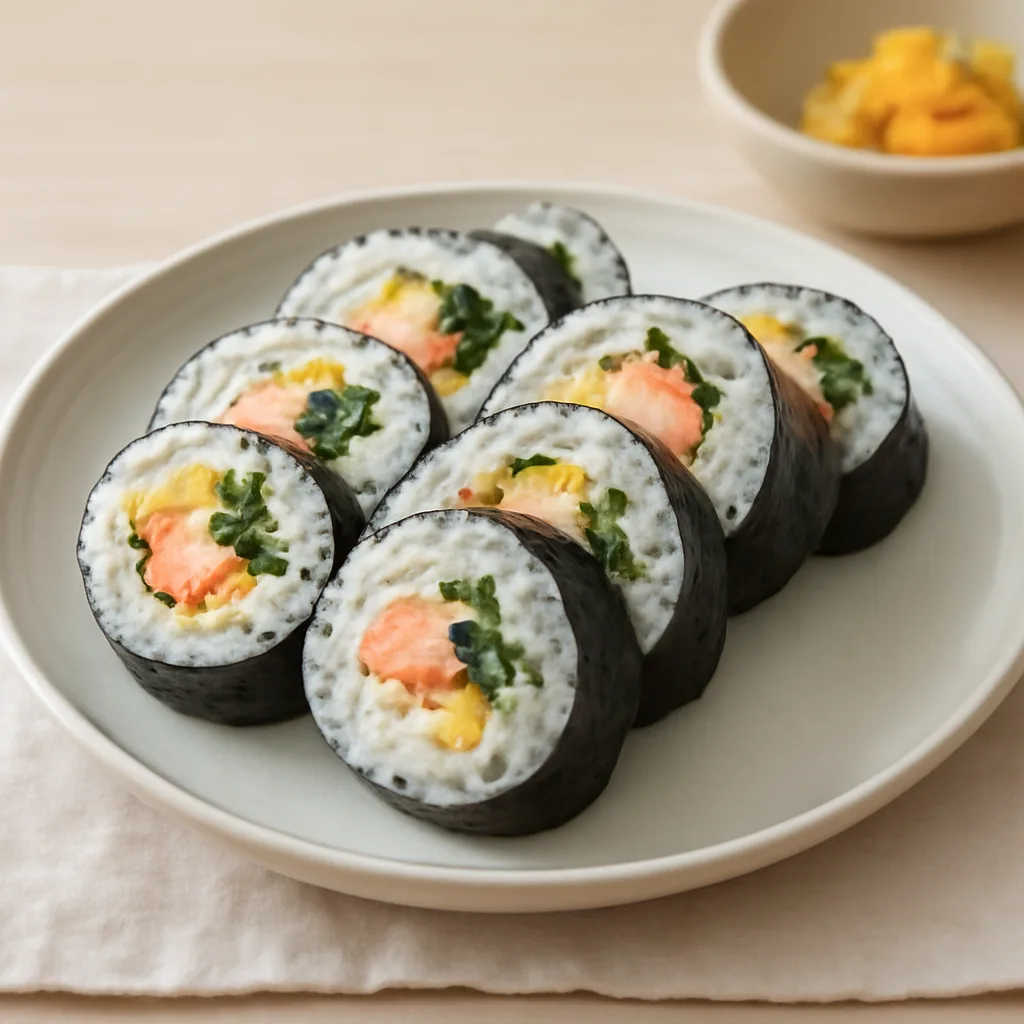
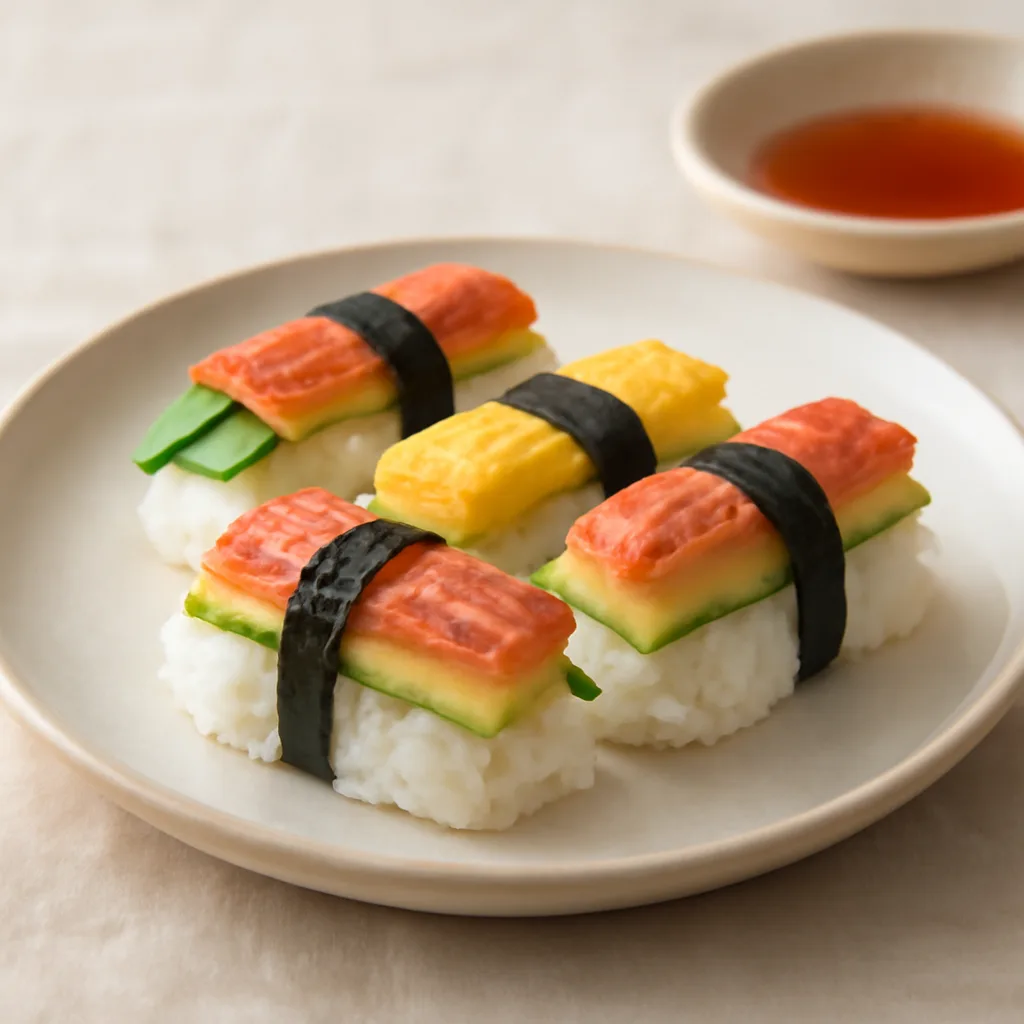
imitation crab meat is a processed ingredient formed by finely grinding fish meat to resemble crab meat in texture, color, and aroma. It opens in a package and can be eaten as is, making short-prep dishes like salads, kimbap, sushi, and sandwiches convenient. Flavor is generally mild and slightly sweet, with varying levels of saltiness and crab aroma depending on the product. Rather than expecting a strong seafood aroma like real crab meat or a coarse shredding texture, its advantages come out in dishes that need a soft and uniform texture. Chilled uses like mayonnaise-based kani salad are common, and it can be added at the end to hot dishes like fried rice, rolled omelets, and hot pots. Since many products are already seasoned, it is better to adjust the salt and seasoning of other ingredients after tasting.
Taste and Texture
The texture is characterized by a gentle sweetness, umami, and light salinity, with a relatively mild aroma. Adding acidic or pungent seasonings like lemon juice, vinegar, or mustard makes the flavor more defined. When pulled along the grain, it looks like thin fibers; when sliced, it offers a firm yet soft texture. If boiled for a long time, elasticity becomes more pronounced than moisture, which can feel tough or dry.
Main uses
- Torn along the grain, mix with cucumber, lettuce, and corn to make a salad, adding a light sweetness and color. When using mayonnaise, consider the kani’s own seasoning and only add salt at the end.
- Used as filling for gimbap or inin or onigiri, or rice balls, to create a red accent on the cross-section without extra cooking. When using with watery vegetables, pat dry to prevent the rice from becoming soggy.
- Chopped or shredded finely for rolled omelets or fried rice. In strong-flavored stir-fries, the kani’s aroma can be masked, so if the purpose is to highlight seafood flavor, it’s better to use other ingredients as well.
- For soups, hot pots, and ramen toppings, add it near the end after the rest is almost finished. It is not ideal as a long-simmered ingredient for extracting rich flavors from broth.
Preparation tips
- When opening the package, surface moisture can thin salad dressing, so gently blot with paper towel before using. Especially effective when mixing with watery ingredients like cucumber.
- If you need crab-like texture, tear by hand rather than finely chopping with a knife. For omelets or fried rice, cut into about 0.5–1 cm pieces to avoid clumping on one side.
- For cold dishes, tear in right before using to keep the texture distinct. If mixed with sauce too early, the surface can become soft and the texture can loosen, so don’t mix the sauce until the end unless you want a moist salad.
- When sautéing kani, use less oil and add it near the end after other ingredients are almost cooked, turning briefly. If the surface starts to dry and brown strongly, lower the heat or add the next ingredient.
Cooking characteristics
- Kani is often sold already cooked, so extensive heating through is unnecessary. Heat just until the edges are warm and soft; overheating can make it more elastic.
- If added to broth, some flavors and saltiness can leach out, affecting the broth. Do not season heavily from the start; taste after adding kanis and adjust.
- High-heat stir-frying can cause the pieces to dry out and stick to the pan. Cook vegetables or sauces first, then add kani at the end to reduce excessive drying.
- It can be breaded and fried, but the ingredient is already delicate, so the interior won’t contrast strongly. For dishes where a crispy texture is key, it’s better to use other ingredients or combine with vegetables or denser fillings.
Good combinations
- Cucumber, lettuce, cabbage, and avocado, which are not very aromatic and are crisp or creamy, complement the kani’s soft flavor.
- Mayonnaise, plain yogurt, lemon juice, vinegar, and mustard go well with balancing the kani’s sweetness. Add highly acidic sauces gradually to balance.
- Eggs, tofu, rice, and noodles pair naturally as fillings or toppings in a meal. However, very strong soy sauce, gochujang, or spices can reduce kani’s presence.
- Sesame seeds, seaweed, and chives add nutty aroma to more plain builds like kimbap or donburi.
Points to consider when substituting
- If you need the kani’s soft texture for salads or sandwiches, cooked shrimp, canned tuna, or shredded chicken can be used, though the flavor and moisture will differ. Shrimp has a stronger aroma, and tuna may require reducing sauce after assessing fat and salt.
- For kimbap or rolled omelets, ham, egg threads, or sautéed tofu can maintain form as substitutes. However, they cannot replicate the color and seafood flavor of crab meat, so adjust seasonings according to the substitute ingredients if that element is important.
- In soup dishes, if only a soft ingredient is needed, you can use fish cake or tofu. Fish cakes may alter the broth’s salt and texture more, so adjust the same amount by tasting the broth.
Ingredients commonly used together in actual dishes
Aggregated based on the co-occurrence count of representative ingredients in public dishes registered in CookPagoda.
Dishes that use this ingredient
Shows dishes where this ingredient is a representative ingredient, sorted by view count.