Ingredient Encyclopedia
Check the characteristics of the ingredients and how to use them in cooking.
Mackerel
1
2
Mackerel is a relatively fatty, oily fish suitable for a wide range of dishes such as grilling, braising, steaming, and soups. Its flesh has a distinct taste, so simple salt-grilling is satisfying, but it also pairs well with salty, flavorful sauces like radish, gochujang, and soy sauce. When prepared, the thickness of the skin side and the belly can differ, causing different cooking speeds. When the flesh becomes opaque and easily separates along the grain when pressed with chopsticks, it is generally cooked through, so reducing heat or finishing the cooking at that point helps retain moisture. Because mackerel has a strong flavor, using very delicate sauces with a bland white fish can be overpowering the fish taste. Conversely, if you want to preserve the distinct fish aroma, ingredients that refine the aroma such as lemon, ginger, garlic, and scallions are practical when used together.
Taste and Texture
Mackerel has a savory, deep fish flavor with a fatty, rich texture depending on the part. When cooked, the flesh is soft and flakes apart easily, but overcooking can cause moisture loss and the edges can become dry. If you fry with the skin until it is golden brown, you get a crispy texture and roasted aroma; when simmered, you can enjoy moist, tender flesh that has absorbed the seasoning. If a fishy smell is noticeable, don’t conclude that freshness is gone; it may be influenced by blood, surface moisture, or oil released during cooking, so it’s better to adjust preparation and heating methods first.
Main uses
- After salting, grill skin-side first in a pan or on a grill and serve with rice as a classic method. If the skin loosens easily from the pan, it may not be fully cooked yet; rather than forcing a flip, wait until the edges turn golden.
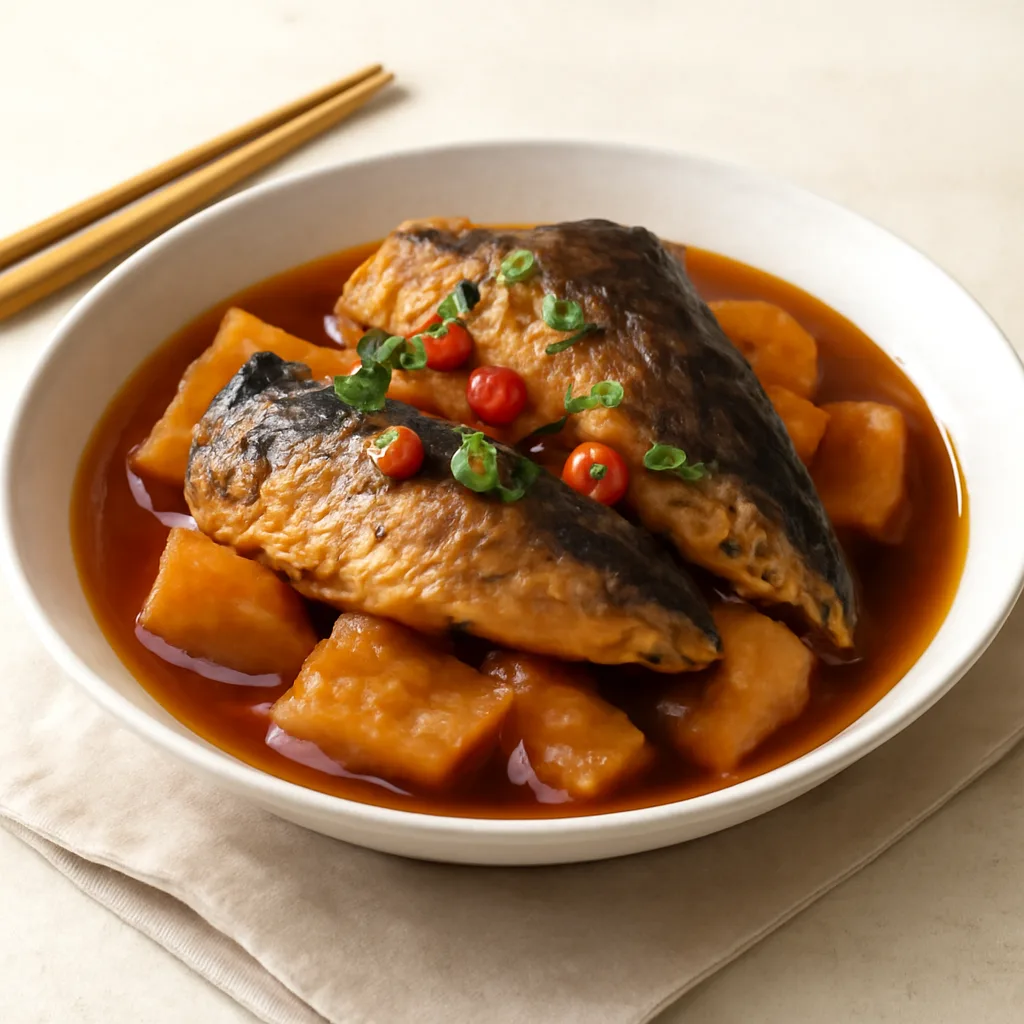
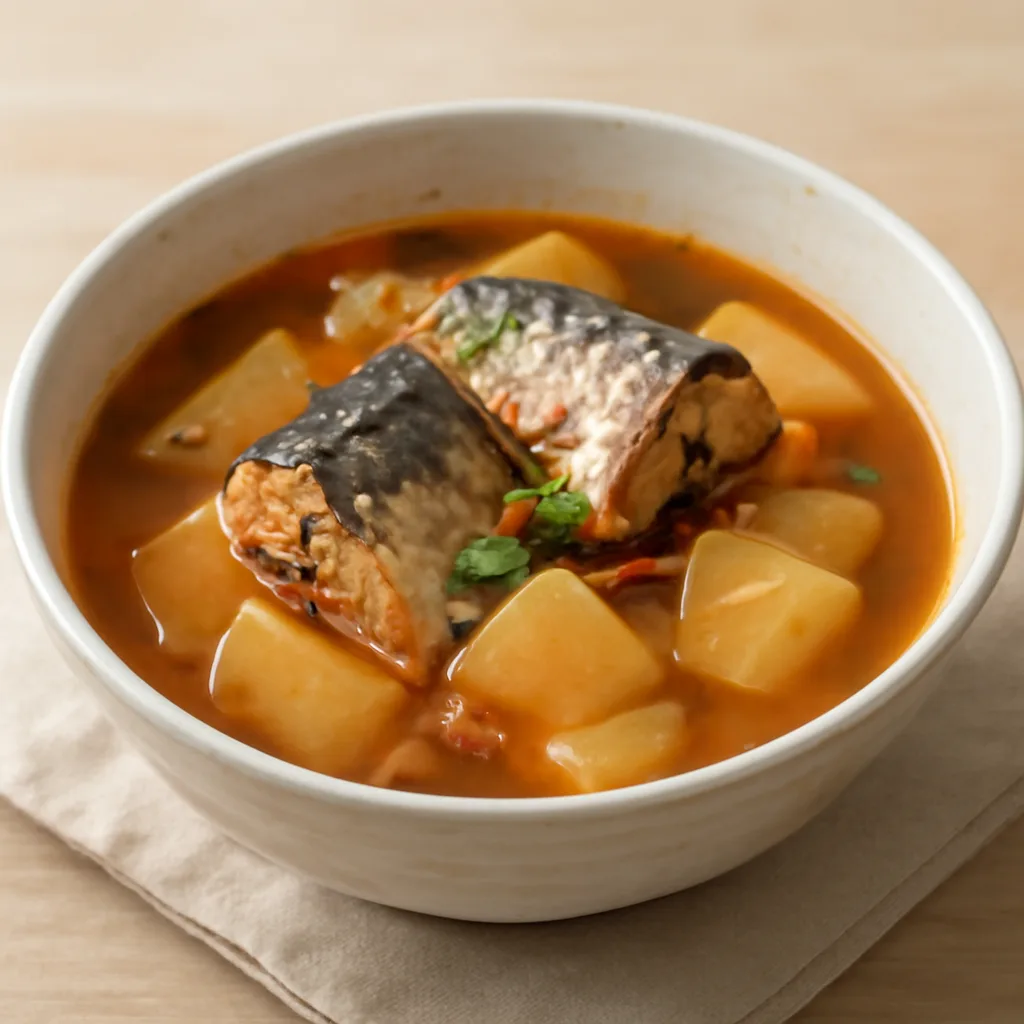
- Simmer with radish, onion, and green onion in soy sauce or gochujang to make mackerel stew. If you boil too long while the radish isn’t soft enough, the fish may fall apart, so it’s favorable to cook the radish first, then add the mackerel.
- You can add the flesh to doenjang or a clear broth to make soup or a stew. To deepen the broth, avoid boiling hard for long periods as the fish may break apart and oil may spread; after adding the fish, keep the heat to medium-low.
- Shred the roasted mackerel and use in seasoned rice balls, kimbap, or bibimbap. If any bones remain, they are uncomfortable to eat, so ensure the fish is fully cooked and remove the large bones and side bones along the grain.
Preparation tips
- Dry the surface moisture and any residual blood with a paper towel after refrigerating or thawing the mackerel. If moisture remains, oil may splatter and the skin may become soggy, which is especially important when crispy frying is the goal.
- Season with salt just before grilling or only briefly, to keep handling easy. If a lot of moisture gathers on the surface after salting, wipe again before grilling to promote more even browning.
- To reduce fishy smell, use ginger, cooking wine, pepper, garlic, or scallions in the recipe as appropriate. However, using too many strong seasonings can mask the mackerel’s rich taste, so in simple dishes like salt-grilled, limit to one or two ingredients.
- For braised pieces, avoid turning them too often. Once the flesh becomes tender, using tongs that are wider than a spatula helps prevent surface damage.
Cooking characteristics
- Pan-frying: cook the skin side first enough so the flesh doesn’t stick and is easy to flip. When the edges of the skin contract and lift and color deepens, you are close to flipping moment.
- The oil from the mackerel enhances flavor, but too much oil in the pan can make it feel fried or prevent the skin from browning evenly. If there is a lot of oil, portion some off midway, and cook at medium heat.
- In braising, the flavor penetrates the flesh while boiling, but long vigorous boiling can cause the pieces to fall apart. Once the broth boils, slightly vent the lid and simmer gently to maintain shape.
- Using acidic ingredients can lighten the fatty impression. However, adding vinegar or lemon juice too early can make aromas fade or taste sharp, so it’s best to add at the finishing stage for grilling.
Good combinations
- Radish in mackerel stew yields a soft, rich flavor by absorbing the fish oil and seasoning, while scallions and onions contribute sweetness and aroma.
- A small amount of lemon, yuzu, or vinegar helps balance the fatty taste. However, too much acidity in stews with strong gochujang or doenjang flavors can disrupt balance.
- Ginger, garlic, and hot chilies pair well with the mackerel’s strong aroma, but for grilling where you don’t want heat, keep it simple with pepper and lemon.
- Pair nicely with mild sides like rice, seaweed, and seasoned vegetables to center on the mackerel’s flavor.
Points to consider when substituting
- For grilled or braised dishes that rely on the mackerel’s fatty richness and tender flesh, mackerel can be substituted with similar fish like Spanish mackerel or saury. However, saury may feel softer, and saury has different aroma and bone presence, so cooking times may not directly translate.
- If you substitute another fish for mackerel in a soup, adjust the amount of seasoning and aromatics to fit the oiliness of the fish. A milder white-fleshed fish may make the broth feel lighter even with the same amount of seasoning.
- For dishes like mackerel stew that rely on radish and strong seasoning, you can use garfish or Spanish mackerel, but the thickness and firmness of fish chunks differ, so adjust the radish cooking time and when to add the fish.
Ingredients commonly used together in actual dishes
Aggregated based on the co-occurrence count of representative ingredients in public dishes registered in CookPagoda.
Dishes that use this ingredient
Shows dishes where this ingredient is a representative ingredient, sorted by view count.