Ingredient Encyclopedia
Check the characteristics of the ingredients and how to use them in cooking.
Breadcrumbs
2
1
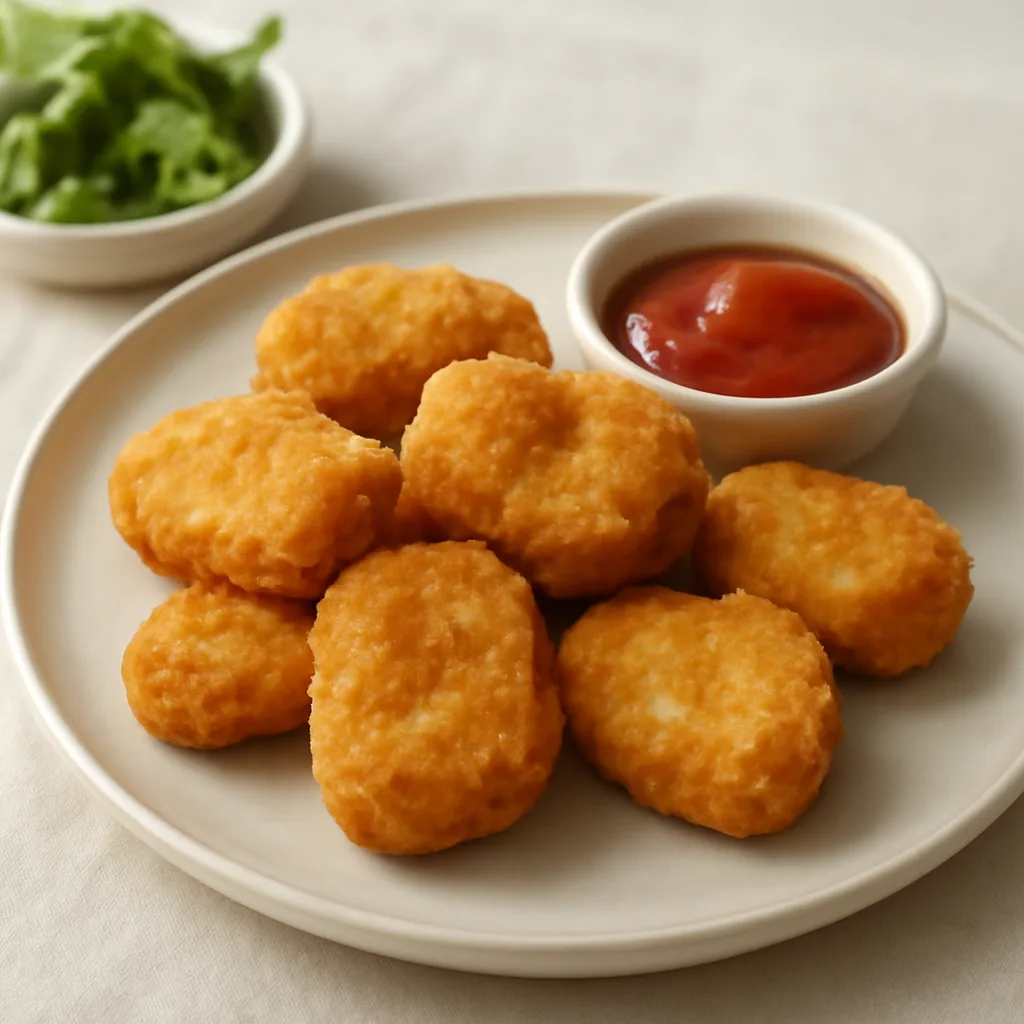
Breadcrumbs are dried bread that has been finely crushed, used to create a crispy crust on fried or baked foods and to help trap some moisture in fillings. Finely ground breadcrumbs cover surfaces evenly, while coarser breadcrumbs yield more pronounced crispiness and a lighter texture. They are commonly used as coating for fried foods like tonkatsu and shrimp tempura, croquettes and cutlets, and as a binder in meatball and croquette fillings. In oven dishes, they can be sprinkled on gratins or pasta to form a golden crust. If used in dough with high moisture, too much can make it crumbly rather than moist, so adjust amount and particle size according to the purpose.
Taste and Texture
Breadcrumbs themselves have a mild, subtle nutty flavor; when heated with butter or oil, they develop a toasty, baked-bread aroma. Preseasoned products may already contain salt or spices, so it is safer to taste first before seasoning. When fried or well-baked, they become crispy and light, but they can become soggy if they retain moisture for too long. Coarser particles may give a rougher crunch and may not adhere as well to a delicate surface.
Main uses
- Coat cutlets, fish, shrimp, and vegetables by dusting in flour–egg–bread crumb in that order to achieve an even, crispy crust. If the egg wash is too dry, the breadcrumbs will fall off in spots, so ensure the surface is sufficiently moist first.
- For meatballs, croquettes, croquettes, and patties made from ground meat or fish, breadcrumbs can absorb moisture and juices. If the dough sticks to your hands, add a little at a time, but avoid adding too much at once, which makes it dense.
- Sprinkle on gratins, mac and cheese, or roasted vegetables to brown the surface. Mixing a small amount of melted butter or oil with the breadcrumbs helps achieve a more even color and savoriness than using dry crumbs alone.
- Cooked pasta should also benefit from toasted breadcrumbs as a finishing topping on soups, salads, or pasta. For toppings, add just before serving to minimize sogginess from steam and sauce.
Preparation tips
- Pat dry the items to be fried first. If surface moisture remains, the flour layer will lift, and breadcrumbs won’t stick evenly.
- For a crisper texture, lightly press the breadcrumbs onto the surface with your hands. If pressed too hard, the coating becomes thick and may darken before the filling.
- When using as an oven topping, mix breadcrumbs with a small amount of oil or melted butter and rub to loosen into a lump. If oil clumps in one spot, it will burn more there, so mix evenly until the whole surface looks slightly moist.
- Let croquette dough rest after adding breadcrumbs to absorb moisture. If you judge immediately and it looks too loose, wait a moment; only add a little more if it remains loose after a rest.
Cooking characteristics
- Breadcrumbs brown and develop a savory roasted aroma when exposed to heat and oil. If the color darkens quickly but the filling is not yet cooked, the oil or oven temperature may be too high; consider lowering the heat or cooking in smaller pieces.
- If breadcrumbs fall into the oil a lot during frying, the remaining fragments can burn first and dull the color of the next batch. Do not overcrowd the pan and skim crumbs periodically.
- Adding breadcrumbs to sauces can make them soggy; for a crispy finish, add at the end and briefly color under high heat or broil. When pan-frying, cook on medium-low heat and stir often to color evenly. The smaller the particles, the faster they brown, so move them off the heat once they reach a deep brown to prevent overcooking.
Good combinations
- Pairs well with mild proteins like pork, chicken, and white fish, where the roasted aroma and crunch contrast nicely. A touch of acidity from lemon or tomato sauce can balance the richness of the fried coating.
- Mix breadcrumbs with garlic, parsley, pepper, and cheese to boost flavor on the surface of oven dishes. In very cheesy dishes, salt may intensify, so adjust salt later.
- When using with moisture-rich vegetables like mushrooms or eggplant, reduce surface moisture or bake at high heat briefly to maintain the coating’s crispness.
Points to consider when substituting
- For a crisp coating, you can substitute coarsely crushed crackers, cornflakes, or cereal crumbs for breadcrumbs. Note that these ingredients have different sweetness, saltiness, and particle sizes, so test a small area first.
- For binder purposes in croquettes or patties, crushed bread, soaked bread, or finely ground oats can be alternatives. Oats may leave a more substantial texture, which might not suit smooth croquettes.
- For gratins or toppings, finely crushed breadcrumbs or crackers can be mixed with butter or oil. If the goal is not crispness but simply to adjust density, choose substitutes accordingly, and avoid substituting breadcrumbs by the same amount.
Ingredients commonly used together in actual dishes
Aggregated based on the co-occurrence count of representative ingredients in public dishes registered in CookPagoda.
Dishes that use this ingredient
Shows dishes where this ingredient is a representative ingredient, sorted by view count.