Ingredient Encyclopedia
Check the characteristics of the ingredients and how to use them in cooking.
Pollock
1
1
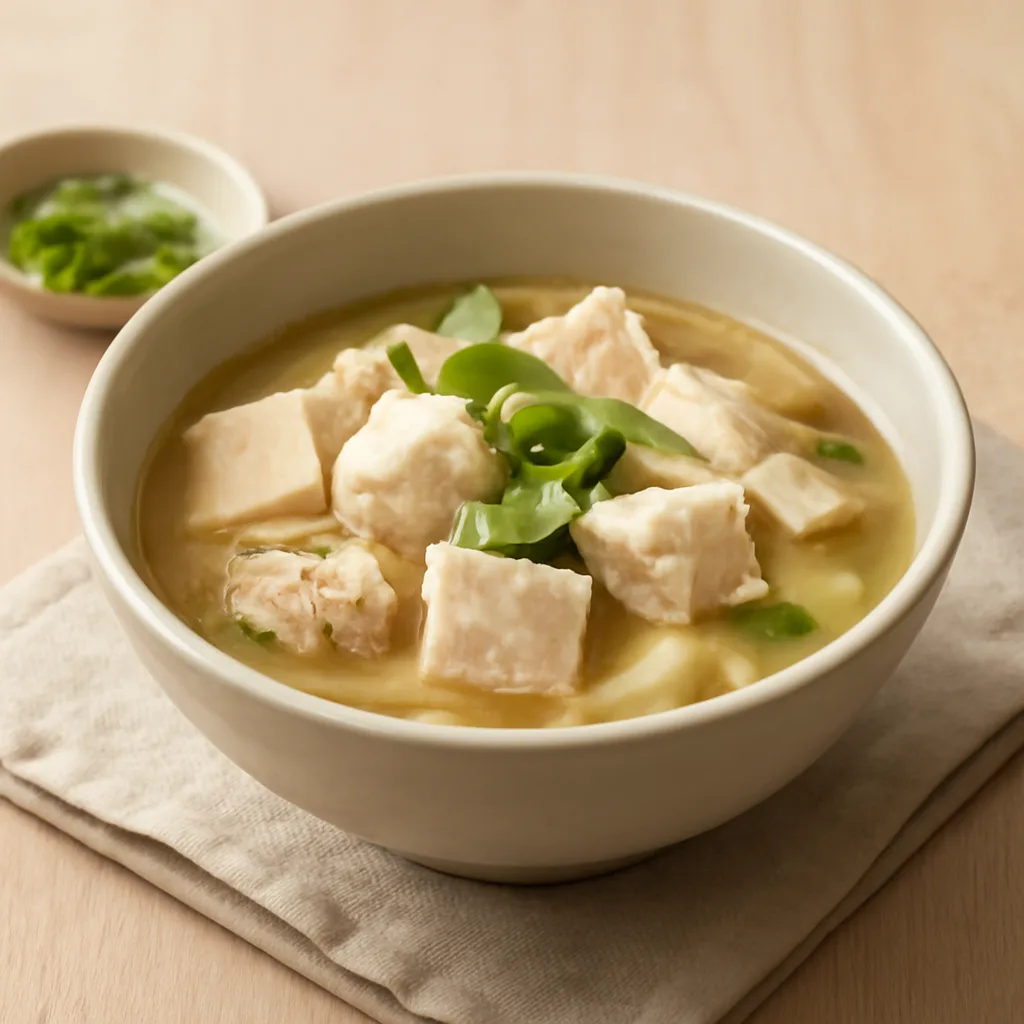
Dab is a mellow white-fleshed fish with relatively firm flesh that flakes along the muscle fibers when cooked. It has a mild flavor, so it readily takes on seasonings, broths, and aromatics, and can be used broadly from stews, soups, and braises to grilling and frying. For clear-broth dishes, it pairs well with ingredients that are not overpowering in flavor, such as radish, bean sprouts, and tofu, to highlight the clean taste of the fish. Conversely, it also goes well with spicy seasonings or tomato/butter-based sauces, but boiling for too long can cause the meat to fall apart, clouding the broth and making the texture coarse. Both fresh, chilled fillets and frozen fillets can be used in cooking, and it helps to adjust the trimming method depending on the condition. Frozen products should be thawed thoroughly and the released moisture should be removed to help browning when frying or grilling and to keep the sauce from becoming too thin.
Taste and Texture
Dab has a mild, gentle flavor and a lighter impression than fatty fish. If you detect an fishy odor, it is more likely due to water released during thawing or leftovers in the blood; a quick rinse and careful drying of the surface helps. The flesh turns white when heated and easily flakes along the grain. When cooked to be moist, it is soft and springy, but overcooking drives off moisture, making it firm and prone to breaking apart.
Main uses
- Add to brothy dishes like dab soup or clear soups to enhance a cool, mild flavor. If you simmer the radish first until tender before adding the dab, the fish flesh will not fall apart too much.
- Can be used in spicy braises. In braises with strong seasoning, avoid flipping the pieces too often; instead, baste with the broth as it cooks.
- Pan-sear or bake as a main dish. To get a nicely browned surface, pat dry to remove moisture before cooking to reduce the tendency to steam rather than crisp.
- Batter-and-fry, use in fish and chips style dishes, fish cakes, etc. Thin fillets cook through quickly, so remove from oil before the coating color deepens too much.
- Finely mashed dab can be used in fish patties, fish cake batter, croquette fillings, or other mixtures. If overworked after cooking, the texture can become dry and grainy.
Preparation tips
- Thaw frozen dab slowly in the refrigerator, then discard any liquid from the package and pat the surface dry with a paper towel. If the surface is wet, the pan temperature drops and browning does not occur well.
- If there are remaining scales or bone fragments on the dab pieces, remove them before cooking. In broth-based dishes, small bones can be unpleasant, so cut larger bone-containing portions into pieces and serve with care at table.
- Season lightly for the intended cooking method. For grilling, salting too early can draw moisture to the surface, so wipe dry again and season just before grilling.
- Before adding to soup or stew, wipe away blood and any loose membranes from the fish surface to keep the broth relatively clear. Rinse quickly under running water and remove moisture immediately, as vigorous rubbing can damage the flesh.
- If fillet thickness is uneven, place the thick parts on the pan first. Heating the thinner tail portion for the same time can cause the thin parts to dry out, so fold to even thickness if needed or remove early.
Cooking characteristics
- Dab cooks relatively quickly at high heat, turning opaque white at the center; when pierced with a fork and the fibers separate smoothly, it is done. If any transparent or jelly-like part remains, cook a little longer.
- In pan-searing, avoid moving it frequently from the start. If flipped before the surface is released from the pan, the flesh can stick or tear; flip once when the edges become opaque using a wide spatula.
- In broth, it's better to add near the end rather than boiling vigorously for a long time, to keep the flesh tender. Vigorous boiling and frequent stirring can break the flesh and make the broth cloudy.
- Even with acidic ingredients or strong seasonings, the dab meat remains relatively mild. However, adding vinegar or lemon juice too early can make the surface feel firm, so adjust acidity at the end for best result.
- In frying, starting at too low a oil temperature can cause the coating to soak up oil and become soggy. Maintain a temperature that creates steady bubbles around a piece and avoid crowding.
Good combinations
- Lean, watery ingredients like radish, bean sprouts, tofu, zucchini, or potatoes pair well with dab without overwhelming its light flavor, making them good for soups and stews.
- Garlic, ginger, scallions, watercress, and pepper help calm the fish aroma while not overpowering the dab flesh. If you use a lot of ginger, it can bring forward the spice aroma, so reduce amount according to the broth's character.
- Butter with lemon and herbs can add depth and brightness to grilled dab. Add lemon juice just before serving to avoid tightening the surface.
- When using gochujang or gochugaru, balance with sweetness and moisture from vegetables like radish or onion to soften the spice.
Points to consider when substituting
- If you don't have dab, you can use another white-fleshed fish that is pale, relatively mild, and flakes when cooked. Since each fish has different thickness, moisture, and fat, adjust cooking time by translucence and flakiness rather than applying the same time.
- For clear broths, relatively firm white-fleshed fish chunks are generally suitable substitutes, but using a fatty fish will deepen the broth's flavor and aroma, producing a different result from dab soup.
- Pan-sear or fry can generally substitute with white-fleshed fillets. Thin and delicate fillets may dry out or break more quickly than dab, so reduce cooking time and minimize flipping.
- In braises, you can substitute with firm white-fleshed fish, but if the fish is likely to break apart, baste with the broth and reduce stirring. Which substitute is appropriate depends on whether the dish is broth-based, crispy fried, or braised in sauce.
Ingredients commonly used together in actual dishes
Aggregated based on the co-occurrence count of representative ingredients in public dishes registered in CookPagoda.
Dishes that use this ingredient
Shows dishes where this ingredient is a representative ingredient, sorted by view count.