Ingredient Encyclopedia
Check the characteristics of the ingredients and how to use them in cooking.
Beef tenderloin
1
3
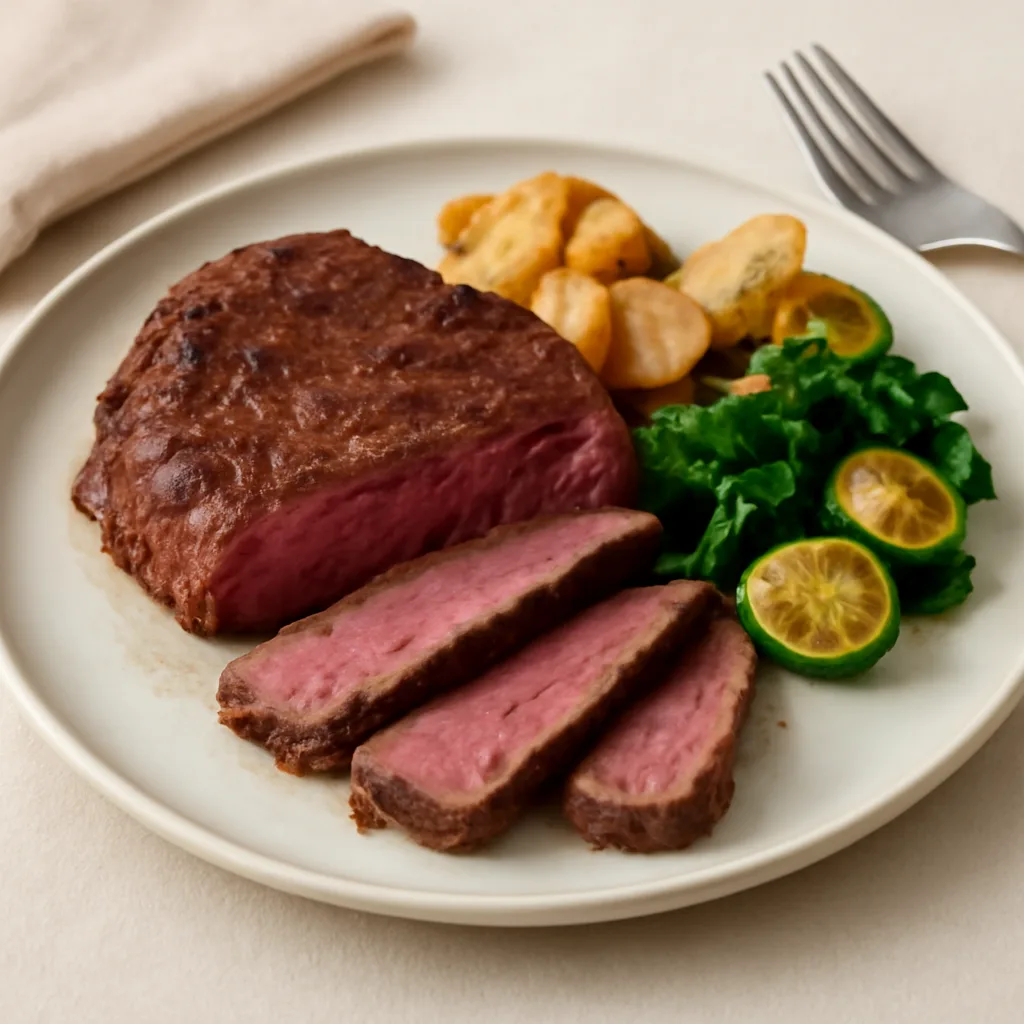
Beef tenderloin is a very tender, fiberless cut located on the inner part of the animal’s back, with fine grain and relatively little tough connective tissue, making it well suited for quick cooking. It is primarily used in dishes that highlight the meat’s natural tenderness, such as steak, roasts, and skewers. It is not a cut that benefits from long, flavor-extracting cooking like those with lots of fat and connective tissue. Searing the surface quickly over high heat and resting it to desired doneness helps maintain moisture, but overcooking can make it firm and somewhat bland. Therefore, in dishes requiring bold flavors, it is practical to use complementary ingredients like butter, sauces, mushrooms, and pepper on the side.
Taste and Texture
The flavor is clean and mild, with a beefy aroma, but compared with well-marbled cuts, the fatty richness is restrained. When cooked properly, it becomes very tender and velvety to chew, and thickly sliced tenderloin especially reveals the soft texture at the center. Coloring the surface deeply can add a roasted aroma to complement the mild taste. Conversely, slicing too thinly or overcooking can cause moisture loss and reduce the tenderness.
Main uses
- Cut thick for pan-seared steak and finish with a simple sauce by adding butter, wine, and stock to the browned bits left in the pan.
- Whole tenderloin is seared on the outside or roasted in the oven, then thinly sliced for a roast. Since the center can heat quickly, it is better to check from the middle even for large pieces.
- Cut into bite-sized pieces for skewers or quick stir-fries. In stir-frying, add the meat after the vegetables are nearly cooked to keep the texture from becoming chewy.
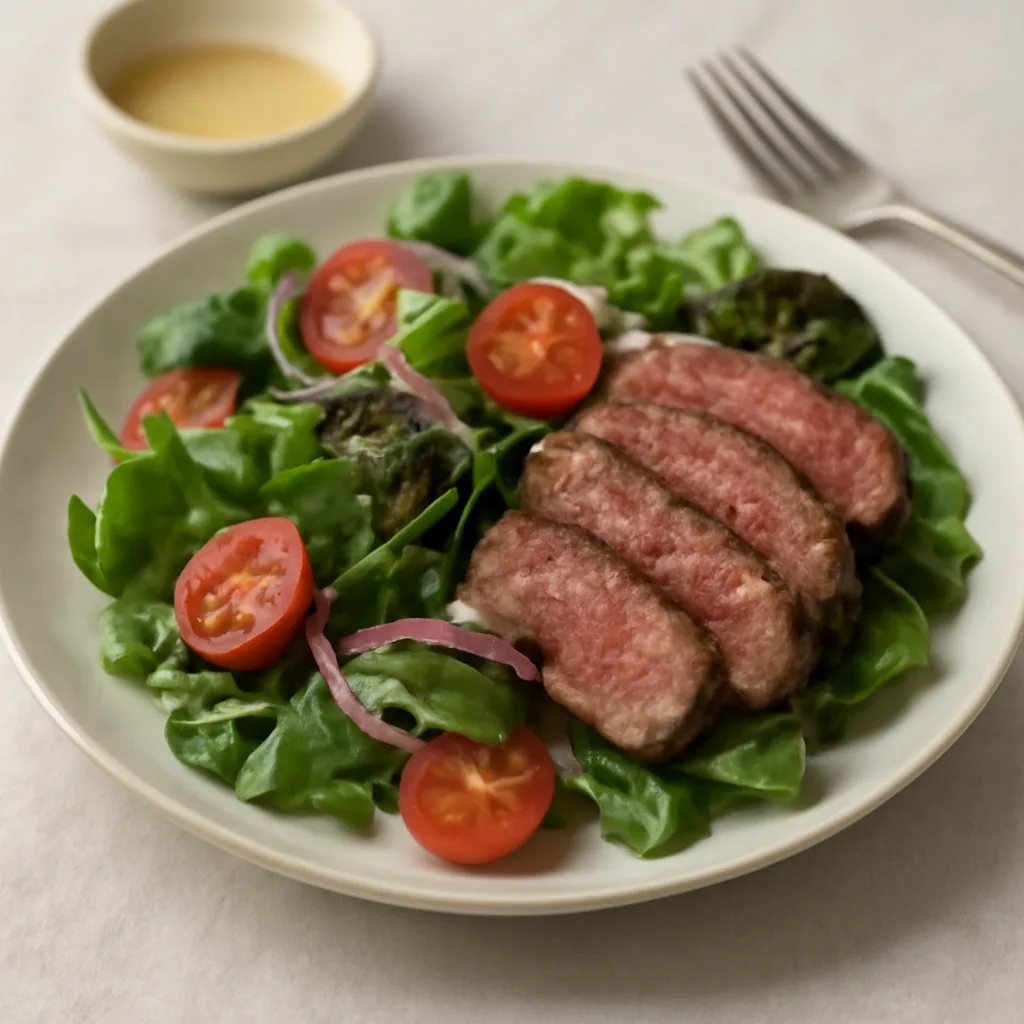
- Thinly sliced tenderloin can be used for shabu-shabu, hot pot, and bulgogi-style marinades, but in slow-simmered soups, the unique tenderness of tenderloin doesn’t retain its advantage.
Preparation tips
- Pat the surface dry with paper towels before cooking. If moisture remains, the pan temperature drops and moisture release occurs instead of browning, so dry surfaces are preferable for searing.
- Lift and remove any tough film or silver connective tissue from the surface with the knife edge. If left, it contracts after cooking and can cause uneven texture or chewiness.
- For steak, trim to a consistent thickness and season with salt and pepper. If salt was applied earlier and moisture beads on the surface, wipe it off before searing, or season just before cooking and place in the pan.
- Although resting meat before cooking is not impossible, if the center is cold, the doneness between surface and interior can vary. Let it sit briefly to reduce the temperature difference for more even doneness.
Cooking characteristics
- Searing over high heat for a short time develops a brown flavor on the surface through the Maillard reaction, while keeping the interior tender. If there isn’t immediate strong sizzle when placed in the pan, the pan may not be properly heated, so removing the meat briefly to reheat is a better approach.
- Tenderloin has little fat to render, so there isn’t much oily moisture. When the pan dries and sticking begins, use a small amount of relatively high-smoke-point oil and finish with butter at the end to add aroma, since butter can burn.
- Cutting immediately after heating can cause juices to flow onto the plate. Rest a bit until the surface heat subsides, then slice to reduce moisture loss at the cross-sections.
- Slow braising or simmering can tenderize cuts with more connective tissue, but the effect is limited for tenderloin. If the goal is a gently braised dish, a shorter cooking time or choosing another cut may be more appropriate.
Good combinations
- Ingredients that add umami and aroma like mushrooms, pepper, garlic, and onions complement the tenderloin’s mild flavor. Sauté mushrooms first to remove moisture, reducing the likelihood of the sauce becoming too thin.
- Butter and herbs add gloss and fragrance to the lean meat. However, very thick butter sauces can overwhelm the delicate flavor of tenderloin, so reduce the amount if you want to keep the meat’s light taste.
- Roasted asparagus, mashed potatoes, and root vegetables pair well for a hearty, savory accompaniment. If acidity is needed, use lemon or a small amount of vinegar to brighten without overpowering the meat, but avoid too strong acidity that masks the meat flavor.
Points to consider when substituting
- For steaks or quick searing, you can substitute somewhat tender cuts like sirloin, thin flank, or ribeye. However, fattier cuts will be richer in flavor and may vary in fat content and shrinkage even with the same cooking time.
- For skewers or quick stir-frying, use thinly sliced cuts like chuck tender or shank meat that can be tender when sliced thin. If the grain is more pronounced, slice across the grain and keep cooking time short.
- In hotpot or soup, no exact substitute for tenderloin is required. For long-simmered dishes, using cuts like brisket or shank that stand up to long cooking is more practical in terms of cost and texture, though the broth and texture will differ.
Ingredients commonly used together in actual dishes
Aggregated based on the co-occurrence count of representative ingredients in public dishes registered in CookPagoda.
Dishes that use this ingredient
Shows dishes where this ingredient is a representative ingredient, sorted by view count.