Ingredient Encyclopedia
Check the characteristics of the ingredients and how to use them in cooking.
Cherry tomatoes
2
4
Cherry tomatoes are small, round tomatoes that can be used whole or halved in salads, pastas, and roasted dishes. They have a high juice and pronounced sweetness for their size, contributing a refreshing acidity when raw and a concentrated sweetness when cooked. In salads, they add a crisp vegetable bite and a juicy focal point, and when pan-searing or roasting, the skins collapse slightly to release a sauce-like juice. However, overcooking can cause them to lose shape and release a lot of liquid, so for dishes that need the shape of the berries, use short, high heat.
Taste and Texture
Raw cherry tomatoes feature a bright acidity, subtle sweetness, and a pop of juice. Fully ripe ones have a comparatively bold aroma, while underripe ones are firm with more greenish scent and acidity. When heated, the flesh becomes tender and the sweetness concentrates, and the skin may remain slightly taut. If a sauce dislikes the presence of skin, it is good to cook them well, then mash or strain to adjust texture.
Main uses
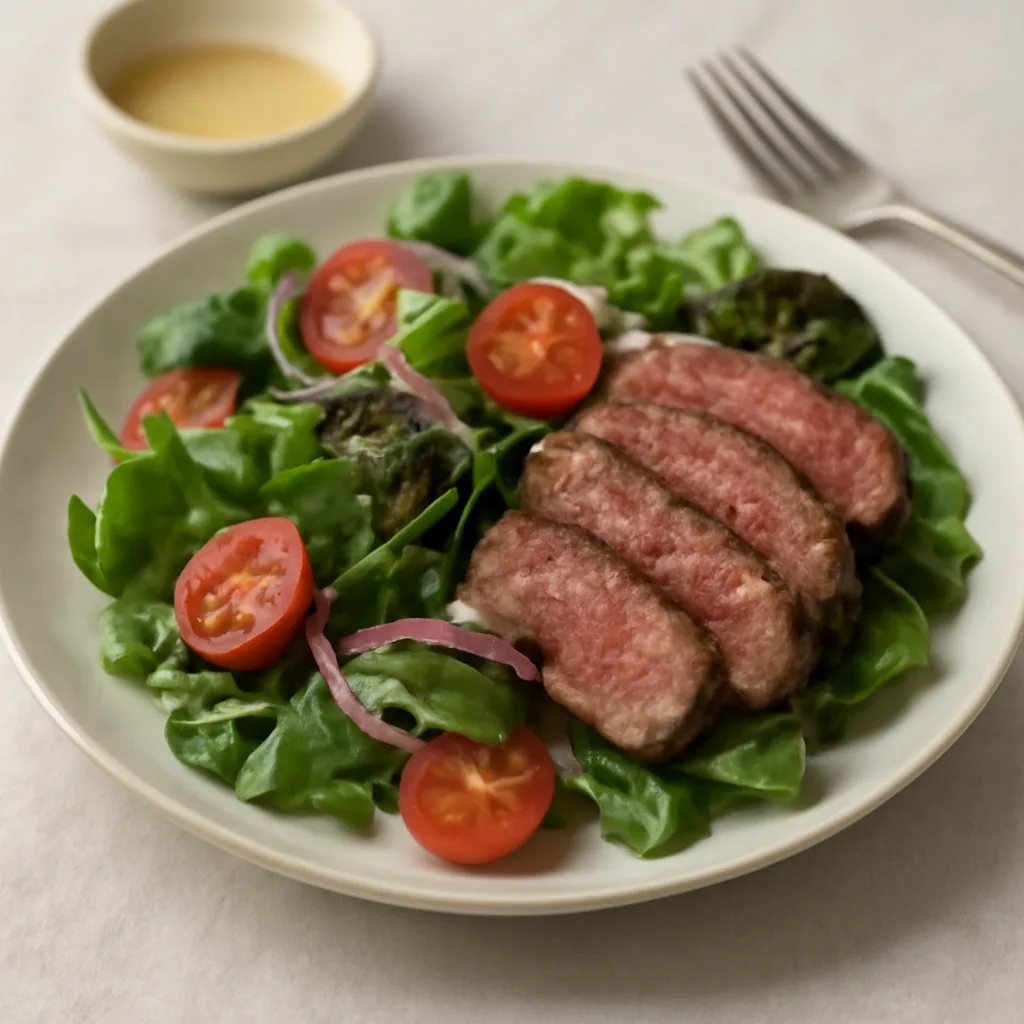
- Halved and added to salads, sandwiches, or cold pasta to boost moisture and color.
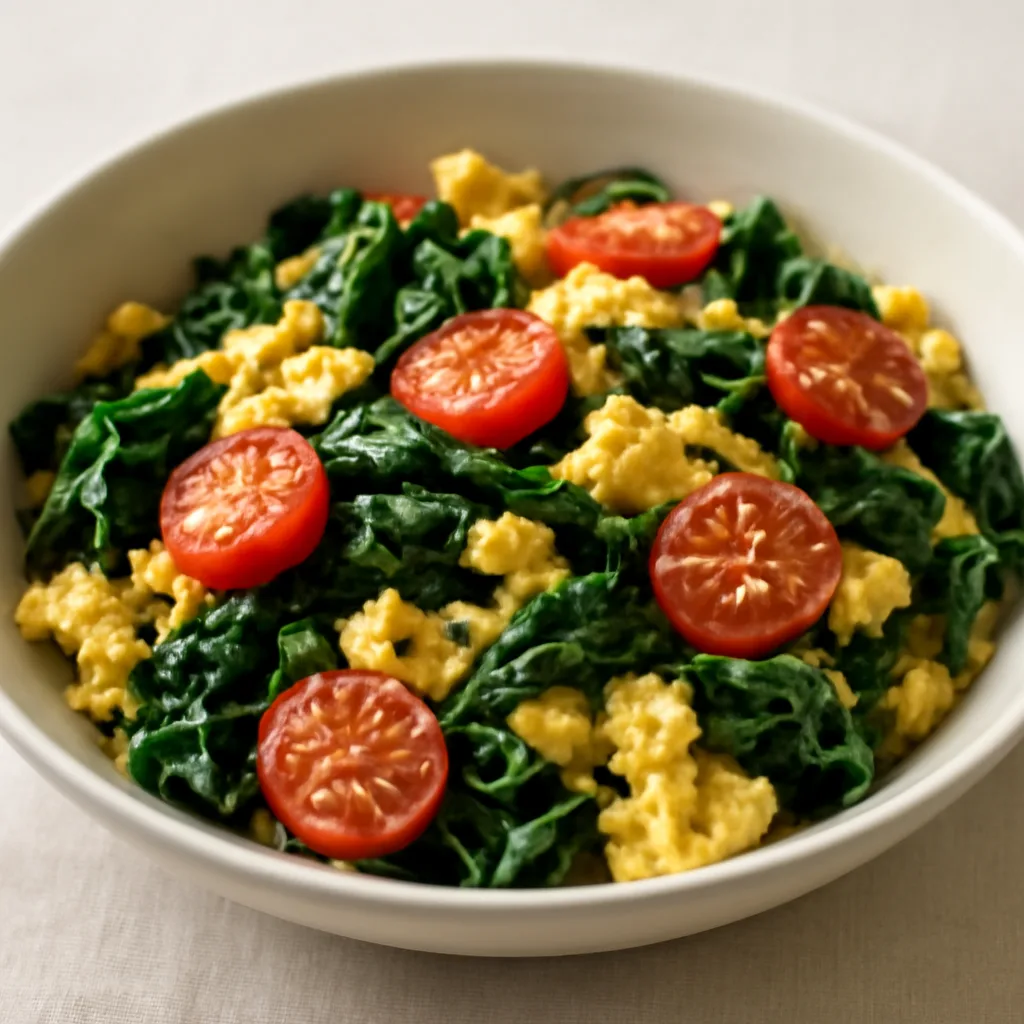
- Sautéed with olive oil in a pan with garlic for simple accompaniments to pasta, egg dishes, or grain-based dishes.
- Roasted in an oven or air fryer and served with bread, cheese, or legumes for a sweet, rich flavor.
- When skewered whole or topped on pizza or focaccia, they can burst during roasting, so halving them and keeping the cut side up is practical.
Preparation tips
- Rinse under running water and dry thoroughly to reduce splatter when sautéing and to promote browning.
- Remove the stems just before using; halving them for salads allows the juice inside to mingle with the dressing for better flavor.
- For pan cooking, cut the larger ones in half and use smaller ones whole; if using whole, poke one or two small holes with a fork or knife to prevent sudden bursting.
- If the tomato is very juicy and the sauce is too thin, avoid salting heavily at the start. Instead, reduce the liquid on high heat first, then adjust seasoning at the end.
Cooking characteristics
- When cooked over medium-high heat in a pan, the surface browns and the skin wrinkles, bringing out sweetness and aroma. If the pan is too cold or the tomatoes are piled too crowded, they may steam rather than fry, so spread them out.
- Salt draws moisture from the tomatoes, so if left raw for too long, juices can pool on the plate. To preserve the crisp texture of a salad, add salt and acidic ingredients just before serving.
- Oven-roasting slowly reduces juices to a jam-like, rich flavor, but fresh, firm texture is lost. If the aim is a fresh, bright topping, it is better to roast briefly or use raw.
- When pairing with acidic ingredients and dairy, cold serving is fine, but when simmering cream sauces, a separated texture may occur. In that case, fry the tomatoes first to reduce moisture or lower the heat before adding cream.
Good combinations
- Basil, garlic, olive oil, and pepper naturally complement the sweetness and acidity of cherry tomatoes, while soft cheeses like mozzarella or ricotta provide a contrast to the juice.
- Salty olives, capers, and anchovies sharpen the flavor, but can easily raise overall saltiness, so use less salt on the tomatoes themselves.
- Pairing with mild ingredients like eggs, chickpeas, or white beans helps balance the acidity.
- When using balsamic vinegar or lemon juice, reduce the acidity by using less if the tomatoes are sufficiently tart; offset sweetness or aroma with herbs or olive oil.
Points to consider when substituting
- For salads or cold dishes, well-ripe regular tomatoes cut into bite-sized pieces can be used, but they may release more water, so deseeding and portioning out some gel could help.
- For roasting and sautéing, grape tomatoes are the closest substitute, and when using larger tomatoes, keep pieces sizable to avoid becoming overly soft.
- If sweetness and concentration are needed in a sauce, canned tomatoes or tomato paste can be used in part, but the shape and pop of whole roasted cherry tomatoes cannot be recreated.
- Changing to red bell peppers to replace the tartness of tomatoes may not be suitable for some dishes, since color and sweetness can be adjusted but acidity and juiciness will differ; choose based on what is essential to the dish.
Ingredients commonly used together in actual dishes
Aggregated based on the co-occurrence count of representative ingredients in public dishes registered in CookPagoda.
Dishes that use this ingredient
Shows dishes where this ingredient is a representative ingredient, sorted by view count.