Ingredient Encyclopedia
Check the characteristics of the ingredients and how to use them in cooking.
Barley
1
1
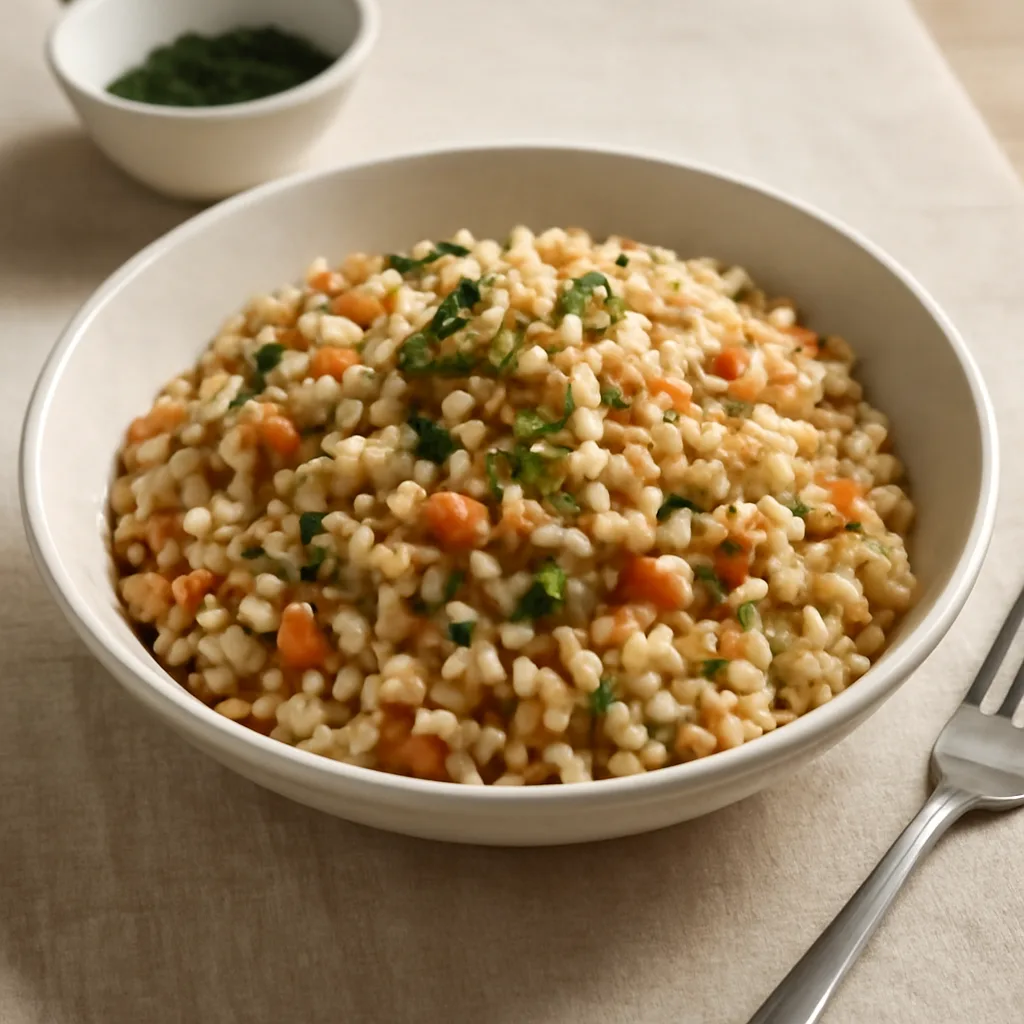
Barley is used to add its characteristic nutty flavor and chewy texture to cooked rice, porridge, soups, salads, and teas. Because processing forms like hulled barley, pearl barley, and barley grains greatly affect cooking time and final texture, it’s best to check the packaging and intended use first. When added to rice, it gives a firmer, more nutty impression than plain rice, and in broth-based dishes it becomes a chewy ingredient. For sushi rice that needs soft, uniform grains or very delicate risotto, barley’s texture may not fit, but as long as the dish is a bowl meal with chew, it has its advantages. Dried barley absorbs water and increases in volume. If the center remains too hard after cooking, it may indicate insufficient moisture or heat time, so it’s better to add a little more water and cook longer.
Taste and Texture
Barley has a mild, nutty aroma reminiscent of roasted nuts. It has a clearer flavor than white rice but is not strong like a spice, so it doesn’t overpower other ingredients. Well-cooked barley is firm and slightly chewy, with some variants leaving a bit of resistance in the center. The longer it boils, the softer it becomes, but the distinct grain texture diminishes.
Main uses
- If you mix barley with rice to make barley rice, you add savoriness and chew to ordinary meals. Forms that cook relatively quickly like pearl barley are convenient to cook with rice, but whole barley needs to be soaked or pre-cooked for even grain doneness.
- Cooked barley is used in vegetable salads or grain bowls as a filling chewy element. If you toss with dressing immediately, flavors soak in quickly, but if left too long the sauce can be absorbed and the salad may become heavy.
- In soups, stews, and porridge it retains grain texture while soaking up the broth. In a clear broth, if barley is boiled too long, starch can make the broth slightly cloudy, so for a clear look you can boil separately and add at the end.
- Toasted barley can be infused in water to make a barley tea with a roasty aroma. For a stronger flavor, extend the soaking time, but if it develops a bitter or burnt aroma with prolonged heating, it’s cleaner to brew briefly with fresh water.
Preparation tips
- Rinse whole barley and soak until fully hydrated to help the grains cook faster; if the insides remain hard after soaking, it’s better to simmer with extra water rather than mixing with other ingredients right away.
- Pearl barley or barley rice require varying washing and soaking steps depending on the product. Check the packaging guidelines before cooking, and to reduce cloudy water when washing, rinse gently with several light rinses rather than rubbing hard with hands.
- When mixing into rice, start with a low barley ratio to gauge family or guest texture preferences; if the rice turns out coarser or tougher than expected, soak the barley longer or add a bit more water next time.
- Cooked barley for salads should be well drained and spread out to cool. If added to a hot dish with acidic dressing, the flavor will soak in well but the vegetables may become limp quickly.
Cooking characteristics
- Barley absorbs moisture as it cooks, increasing in volume and becoming progressively softer. If the grains are soft on the outside but hard in the center, maintain a gentle simmer with added moisture rather than a strong boil to finish cooking.
- Boiling it longer may release more starch into the broth, causing it to become cloudy. This can be helpful for thick porridge or stews, but for clear soups it’s better to add cooked barley at the end.
- Lightly toasting in oil before adding water or stock can enhance a nutty aroma. However, already-toasted or thinly processed barley can darken quickly, so avoid frying longer than a quick toast to avoid overpowering aromas.
- In tomato-based braises or pickling with acids, barley may take longer to soften than expected. Once barley is nearly cooked, adding the acidic ingredients helps finish the cooking appropriately.
Good combinations
- Savory and salty flavors like miso, soy sauce, and sesame oil naturally pair with barley’s nuttiness. To balance dryness in barley rice, pair with moist side dishes like seasoned greens, roasted mushrooms, or legumes.
- Simmering with chicken or beef broth, mushroom stock enhances barley’s flavor for a mild soup or porridge. In very delicate seafood broths, barley’s roasty flavor may become the focus, so use less barley.
- Citrus flavors like lemon, vinegar, or tomatoes brighten barley’s mildness. However, add acidic ingredients after barley is sufficiently cooked to control texture.
Points to consider when substituting
- If you want more chew in the rice, you can consider brown rice or oats, but brown rice is firmer and oats can become softer and sticky, making water amounts and cooking times not directly interchangeable.
- For grain texture in soups or salads, alternatives like chives, millet, couscous, or cooked beans can be used. Couscous cooks much faster and becomes softer, and beans will have more presence in flavor and texture than barley.
- To replace the roasted barley aroma for barley tea, you can some using brown rice tea or corn tea. Since the aroma direction differs, adjust brewing time for the desired strength rather than substituting by equal amounts.
Ingredients commonly used together in actual dishes
Aggregated based on the co-occurrence count of representative ingredients in public dishes registered in CookPagoda.
Dishes that use this ingredient
Shows dishes where this ingredient is a representative ingredient, sorted by view count.