Theme guide
Check the selection criteria and cooking ideas for foods that match this theme.
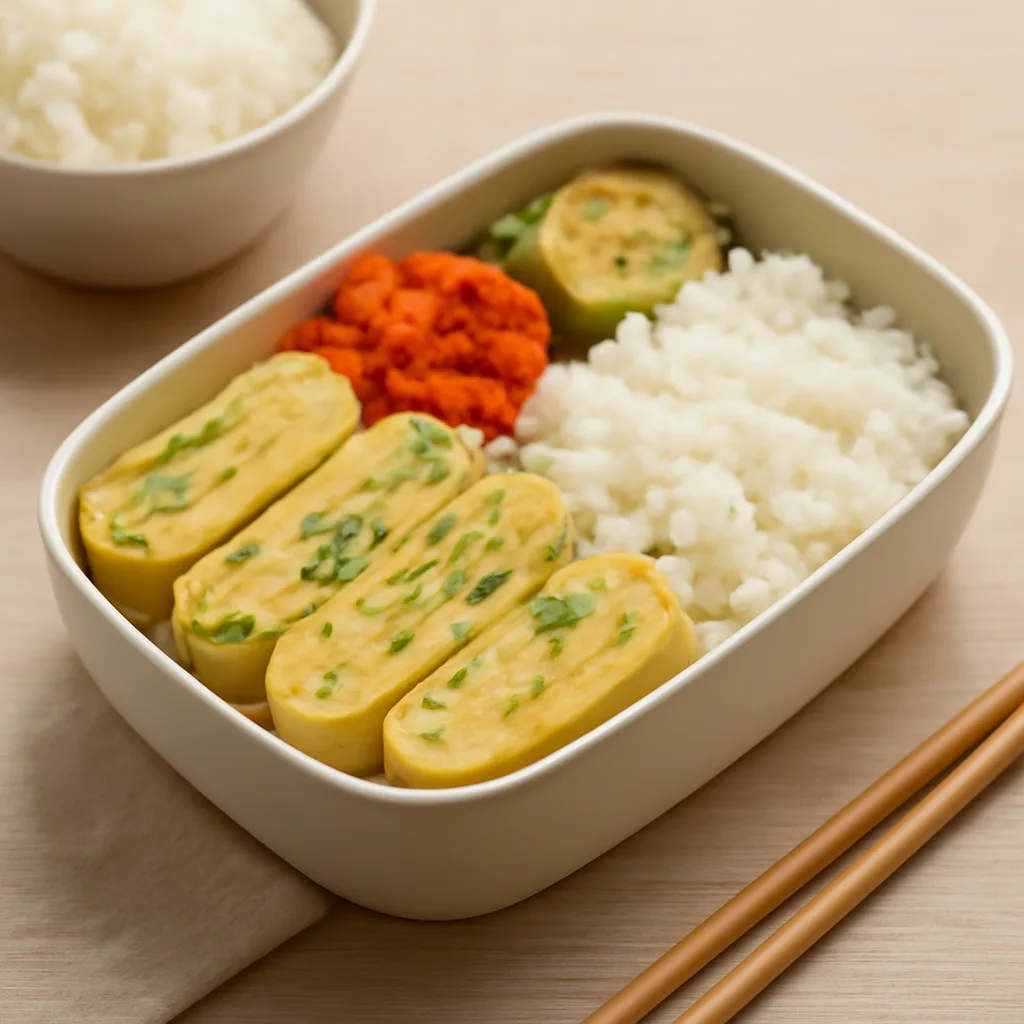
Lunch boxes refer to a meal where eating time and place move outside the kitchen. Therefore, in addition to taste, it’s important to consider texture when cold, how liquids or sauces flow, and how items are arranged inside the container. Pairing a solid base like rice, bread, or noodles with protein sides, vegetable sides, and a fruit or simple dessert makes choices easier. Food that suits a lunch box doesn’t have to be eaten cold. If you have a warm environment, you can choose dishes that hold their shape after reheating, such as fried rice or braises, and if it’s difficult to eat immediately, smaller bite-sized items with low moisture are more convenient. Conversely, fried items where crispness is key or soups with lots of broth may be less satisfying if there’s long travel time and no separate container.
Well-suited for these people
- People who need to eat a single meal conveniently at a fixed time for commuting, school, or outings.
- When multiple people eat at different times, organizing each container as an independent meal makes distribution easier.
- If a microwave is available, choose meals centered on warm rice and cooked side dishes; if heating is difficult, choose menu items that taste good when cold.
- In places like a car or outdoors where tableware use is inconvenient, it’s easier to pick items that can be picked up with a fork or chopsticks rather than those with bones, shells, or large chunks.
Food Selection Guide
- If eating on the go right away, you can also choose fragrant and moist stir-fried or seasoned dishes, but if you’ll eat hours later, it’s better to separate watery vegetable side dishes from the rice.
- If the sauce seems to flow to one side when tilting the container, reduce the seasoning to a thicker consistency or put it in a separate sauce container. If liquid leaks, it can ruin textures of other sides.
- Cold dishes tend to feel heavy in the mouth due to oil solidifying, so when choosing fatty meat sides, consider pairing with fresh vegetables or fruit.
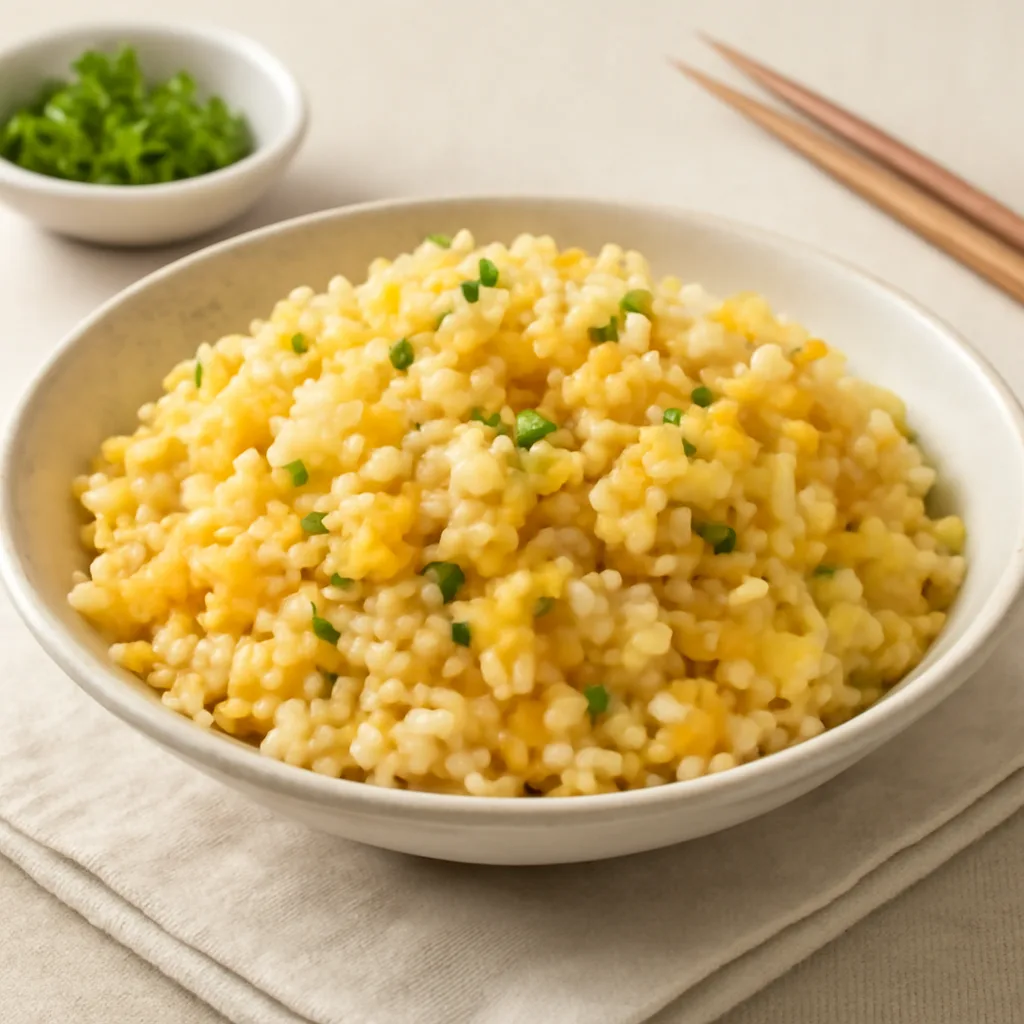
- If reheating is possible, focus on rice and main side dishes; if reheating isn’t possible, practical choices are egg dishes, roasted vegetables, or onigiri that hold their shape.
- If you must include a broth-based dish, use a separate airtight container and choose only a small amount; if you can’t be sure about the container’s integrity, switch to braised or stir-fried without broth.
Frequently paired ingredients
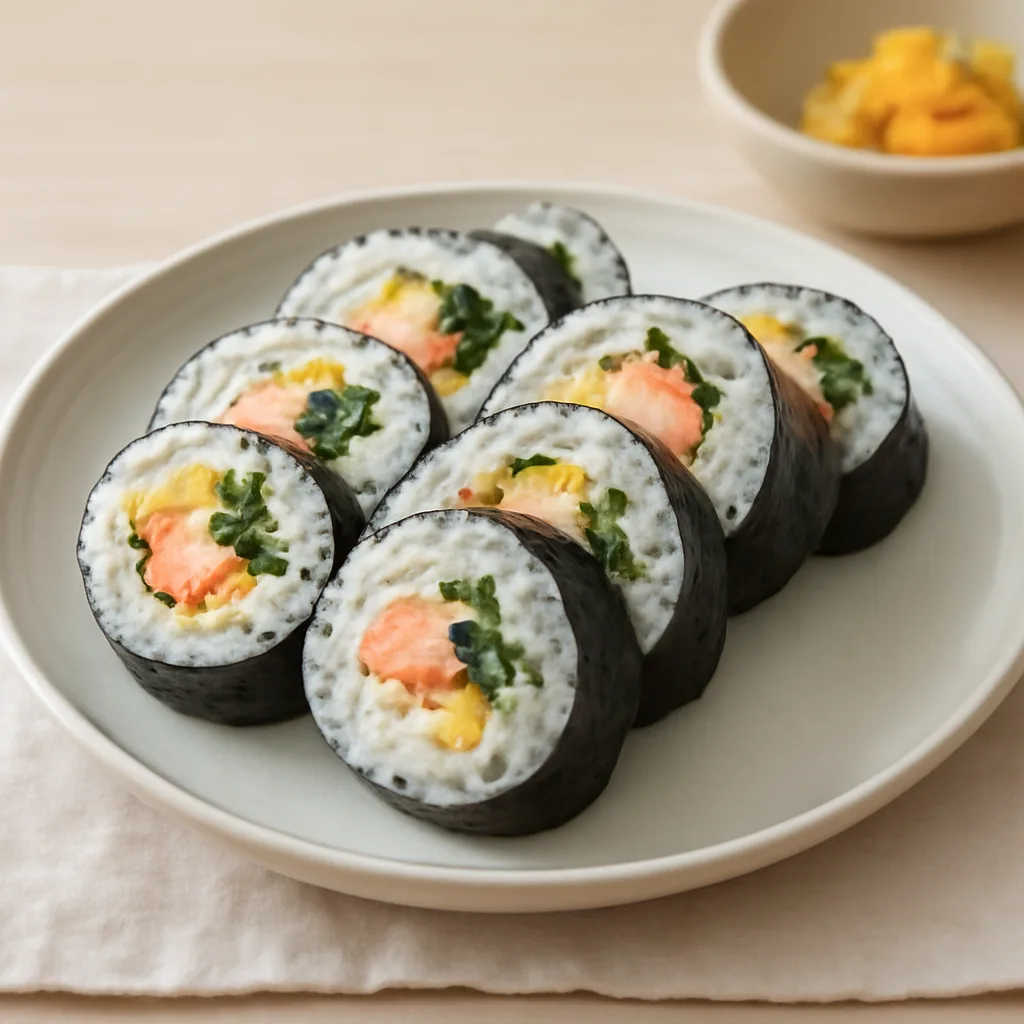
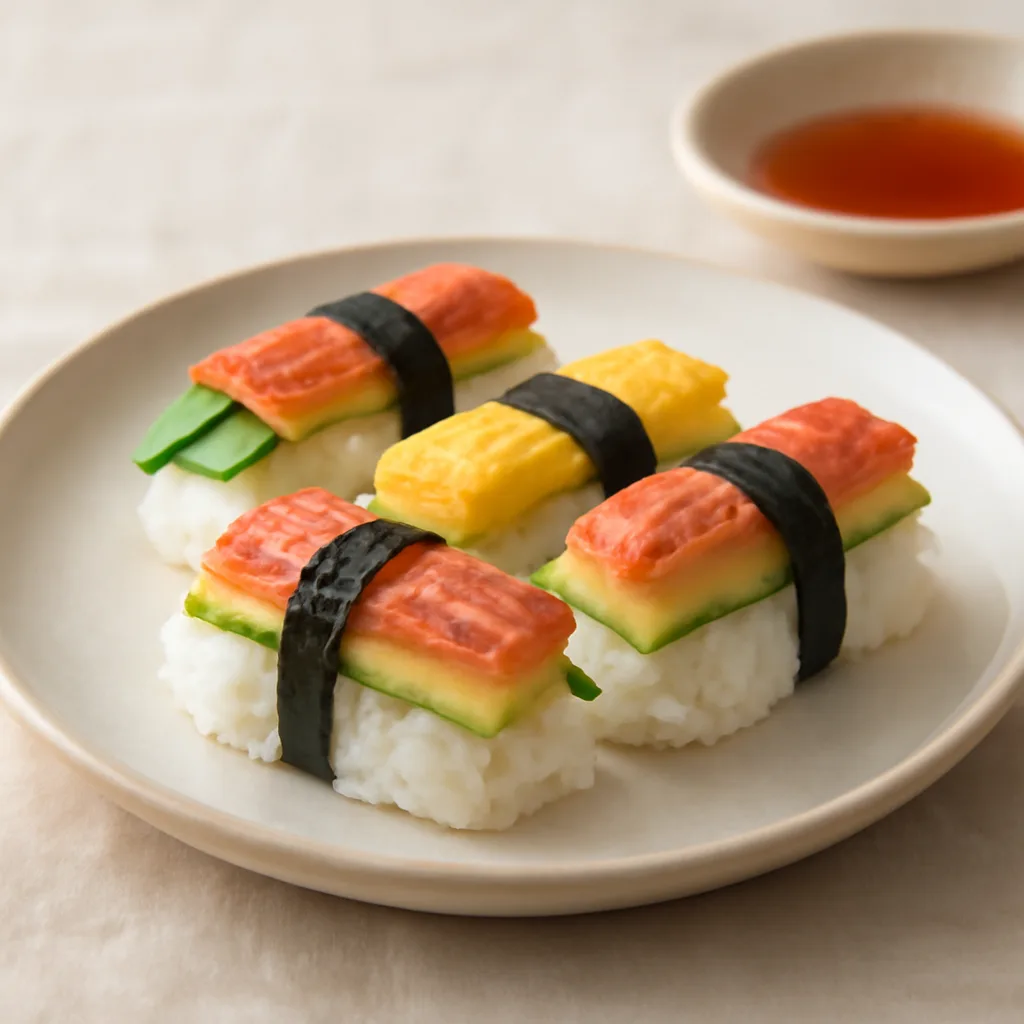
- Rice, seaweed, bread, tortilla, noodles, etc. form the base of a meal and are convenient if you eat with hands (e.g., onigiri or sandwiches).
- Eggs, chicken, tofu, legumes, fish, meat can be main side candidates. Cut into convenient sizes even after cooling, and check for bones or bones in advance.
- Broccoli, carrots, cucumber, bell peppers, leafy greens add color and texture to avoid monotony inside the container. However, for high-moisture vegetables, add salt or dressing just before eating.
- Pickled vegetables, kimchi, pickled condiments provide distinct flavors in small amounts, but with high moisture it’s better to use small sections or a separate container.
Compatible cooking methods
- Grilling and sautéing reduce surface moisture and are good for packing; convenient for chicken, tofu, and vegetables cut into bite-sized pieces.
- Braising lets flavors soak in and remain distinct even when cooled, but too much liquid can cause sogginess, so adjust moisture at the end.
- Boiling and steaming are good for bland sides, but if you don’t remove enough moisture, liquid can pool at the bottom of the container. After cooling, pat vegetables dry before packing.
- Oven or air fryer cooking is convenient for multiple ingredients at once, but crispy textures may soften over time. If maintaining crispness is essential, consider meals meant to be eaten immediately rather than a lunch box.
Tips for beginners
- Start simple with 1 type of rice or bread, 1 main side, and 1–2 vegetable sides. Too many varieties can lengthen prep time and complicate ingredient management.
Menu Composition Tips
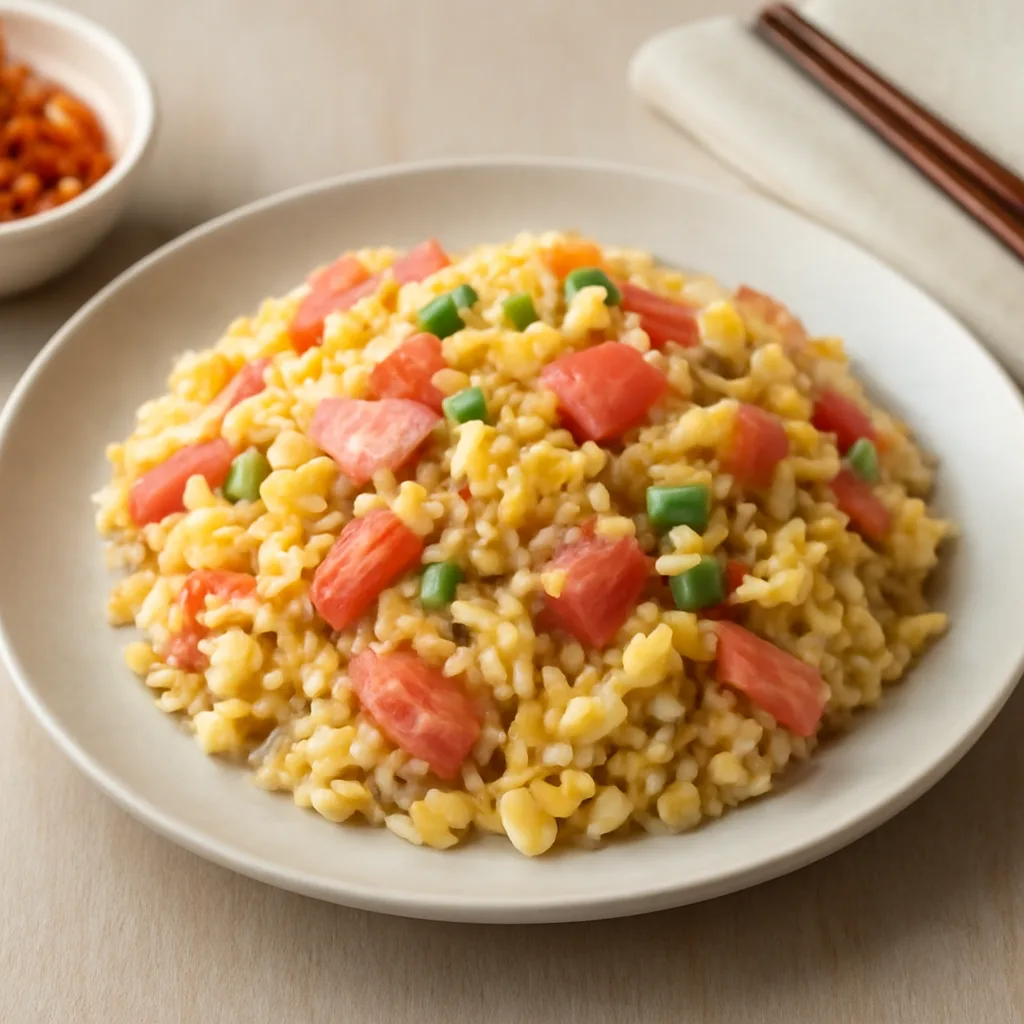
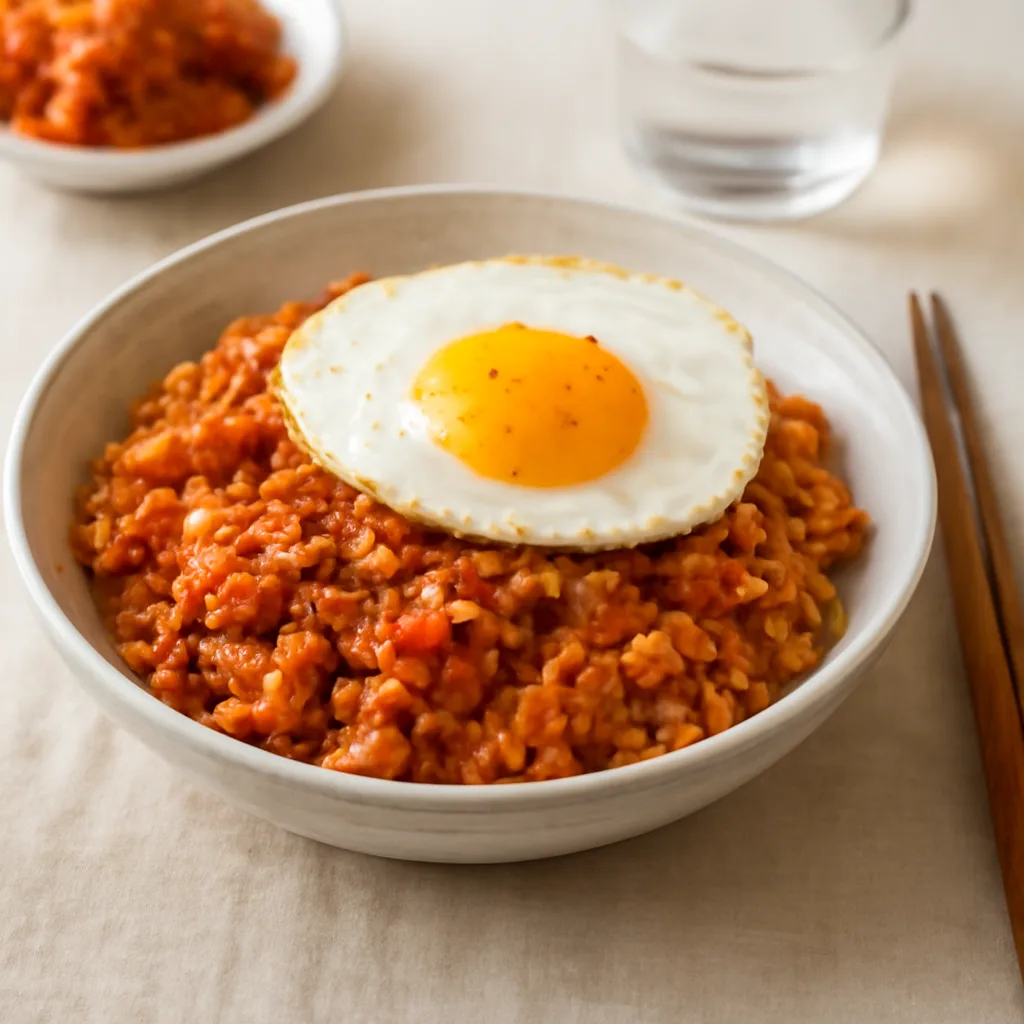
- In a weekly plan, even if you reuse the same main ingredient, vary preparation methods or sides to reduce repetition. For example, after roasted chicken, you could use chicken and vegetables in a fried rice to change the form.
- If morning prep is short, prep washed and cut vegetables, cooked rice, and ready main ingredients the night before to assemble and heat in the morning.
- If all colors look brown, add green or orange vegetables between the roasted protein and rice to create separation; avoid overly watery salads by keeping sauce separate.
- On days when lunch cannot be reheated, avoid dishes with a lot of sauce; on days you can reheat, place warm-friendly dishes like braises or stir-fries.
- When using leftovers, keep new side dishes separate to prevent flavors from mixing, especially strong-smelling or high-moisture sides.
Foods included in this theme
Here are the foods included in this theme, sorted by views from CookPagoda's public food.