Theme guide
Check the selection criteria and cooking ideas for foods that match this theme.
Vegetable-focused cooking is a meal style that centers on vegetables as the main ingredient and includes stir-frying, roasting, dressing, steaming, and soups. Since even the same vegetables can taste very different depending on water content and texture, deciding in advance whether to preserve crispness or cook until soft makes menu selection easier. Leaves and other quick-wilting ingredients are well-suited to short heat or dressings, while sturdy root and stem vegetables often benefit from cooking with enough heat, such as roasting or braising. A dish can focus on vegetables alone, but adding ingredients that contrast in texture and flavor, such as tofu, eggs, grains, or legumes, makes planning meals easier. The core of vegetable cooking is not to mix many ingredients intensely, but to group ingredients with similar cooking speeds and to control when to season. If you put vegetables with high moisture all at once in a pan, you may end up with liquid instead of a stir-fry, so dividing them and cooking at high heat or switching to a soup-based direction is useful.
Well-suited for these people
- People who want to plan a meal around seasonal vegetables or leftover vegetables.
- If you want to make a fresh side dish with short cooking times, choose ingredients that can be cut and cooked quickly or dressed raw, such as cucumber, leafy greens, or mushrooms.
- For gatherings with many people, not adding a lot of spicy seasonings by default allows for more flexible adjustments with condiments.
- If guests expect rich meat-based broth or long-simmered flavors, a menu consisting only of vegetables may feel light, so consider pairing with roasted vegetables or dishes made with legumes or grains.
Food Selection Guide
- If vegetables are firm and there are few softened spots when pressed, consider cooking methods that preserve shape, such as roasting or stir-frying; if already soft, it’s safe to use in soups, stews, or braises.
- Leaves that wilt and are high in moisture may lose their texture the longer they are fried, so add them to soups like clear broths later or heat briefly at the end.
- For crisp texture, choose ingredients that can be eaten raw, like cucumber, cabbage, and bell peppers, and when cooking, slice to roughly similar thickness to minimize differences in doneness.
- Bitterness or strong aroma vegetables are easier to balance when not used alone; pair with sweet onions, roasted root vegetables, or savory tofu to guide the flavor direction.
- If there are too many ingredients to prep, reduce to one or two main ingredients plus one flavoring to simplify handling; it's easier to manage flavor and doneness than crowding many ingredients into one pan.
Frequently paired ingredients
- Leafy greens, cabbage, cucumber, zucchini, eggplant, mushrooms, carrot, potato, onion are base vegetables that can be varied by season and cooking method.
- Aromatics like garlic, green onion, ginger, herbs, chili add depth to the natural taste of vegetables; if the aroma feels strong, start with one type in small amount and adjust.
- Condiments like soy sauce, salt, vinegar, miso, gochujang, sesame oil can lead vegetables to be treated differently in dressings, stir-fries, or soups.
- Tofu, eggs, beans, nuts, grains can be used as accompaniments to create textural contrasts; for dishes with high moisture vegetables, a separate serving of crispy roasted ingredients is suitable.
Compatible cooking methods
- High-heat stir-fry suits thinly sliced zucchini, mushrooms, cabbage that cook quickly, but if the pan is narrow or ingredients are wet, it’s better to fry in batches to avoid moisture pooling.
- Oven or pan-roasting works well for carrots, potatoes, onions, and eggplant where heat changes surface color and aroma; avoid slicing too thin as they dry easily, keep thickness uniform.
- Dressings and salads suit cucumber, leafy greens, blanched greens with fresh texture; adding salt or acidity beforehand can release water, so toss just before serving.
- Steaming, braising, and soups are useful to soften sturdy vegetables and to meld flavors from several ingredients; for leafy greens where texture and crispness matter, add at the end and cook briefly.
Tips for beginners
- Gently pat dry washed vegetables with a paper towel to reduce splatter and excess moisture when frying.
- If a stir-fry isn’t fully cooked yet for dense ingredients like potato or carrot, slice thinner and partially cook first, then add quicker-cooking ingredients like mushrooms or leafy greens later.
- If cooking seems bland, adding too much seasoning early can draw out water from vegetables and dilute flavors; season after most of the ingredients are nearly cooked, adding only as needed.
Menu Composition Tips
- For a dish, combine two textures by having a crisp dressing or salad and a warm stir-fry or roasted dish, or a soup-based item to avoid monotony.
- When roasting vegetables, pair with a moist sauce or soup side; when the main is a soup, add a contrasting texture with dressings or roasted ingredients.
- If preparing multiple vegetables at once, separate by sturdy ingredients for roasting/braising and leafy greens for dressings or finishing in broth to simplify steps.
- Leftover roasted vegetables can be used in the next meal with grains or as soup ingredients, but strongly seasoned dressings are best kept as a separate side to avoid flavor clashes.
- If you have spicy or strongly scented herb dishes, keep one dish as the main flavor and use simple seasonings like salt, soy sauce, or vinegar for the rest.
Foods included in this theme
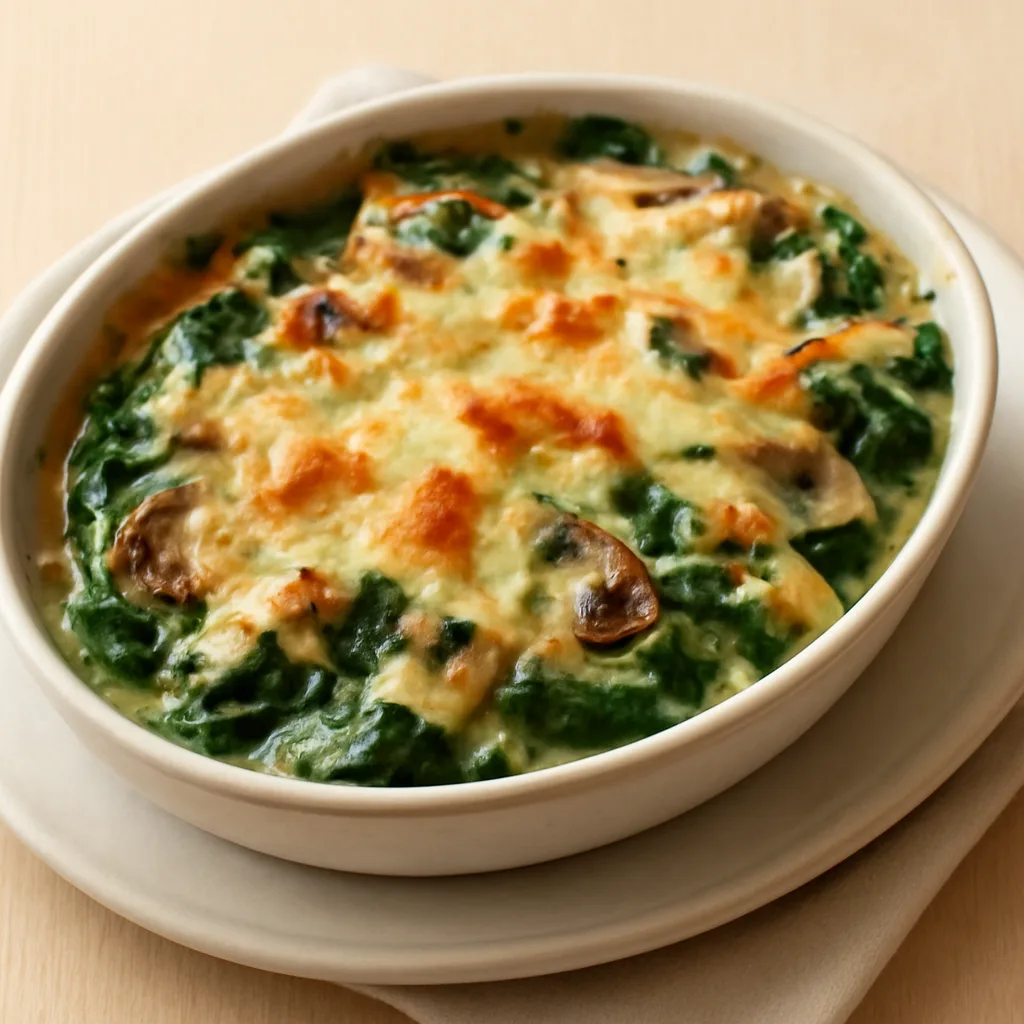
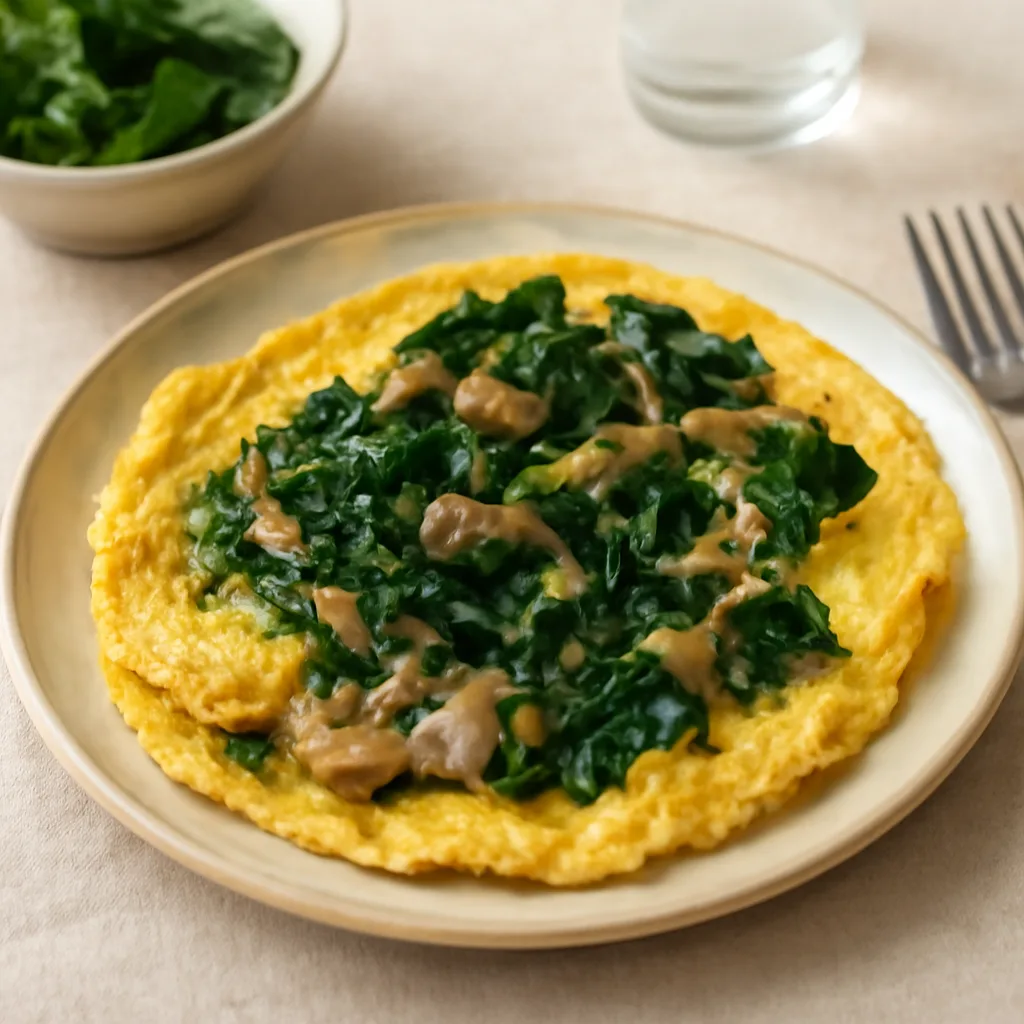
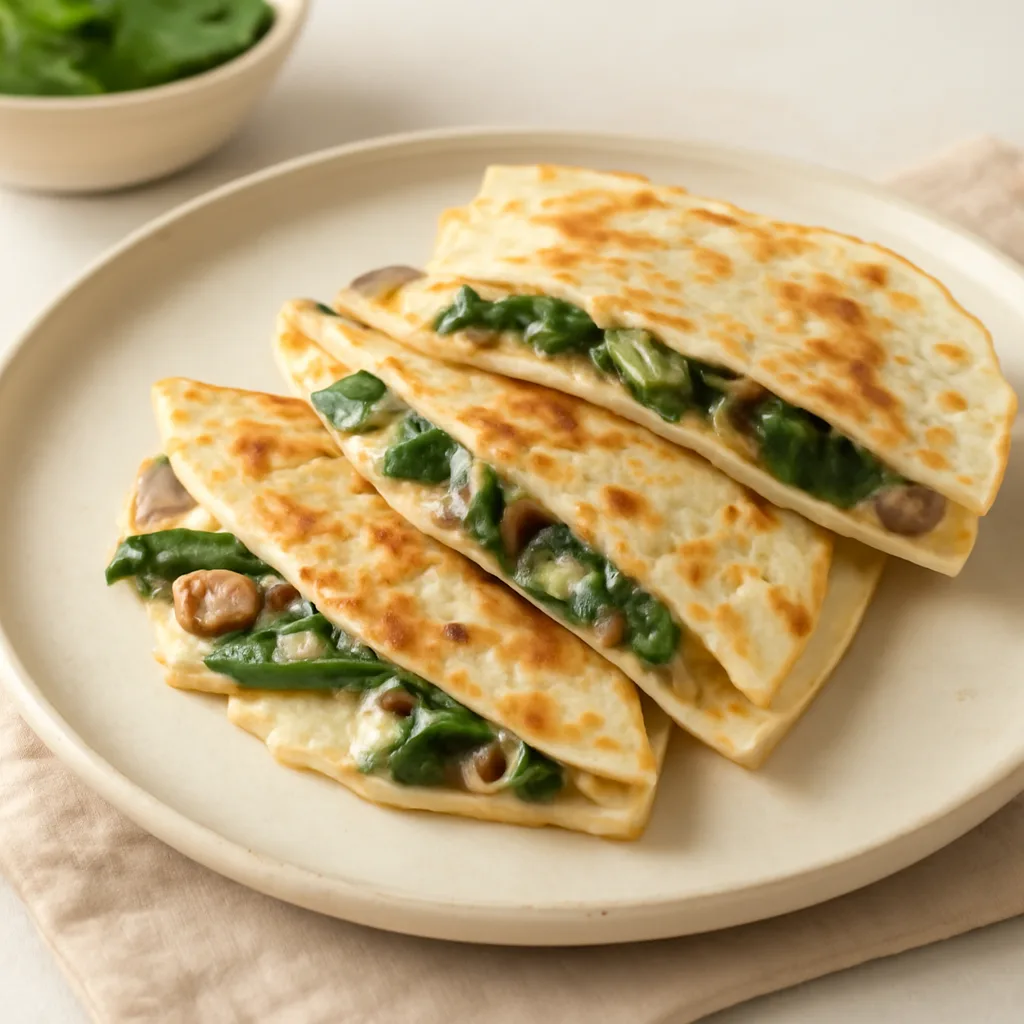
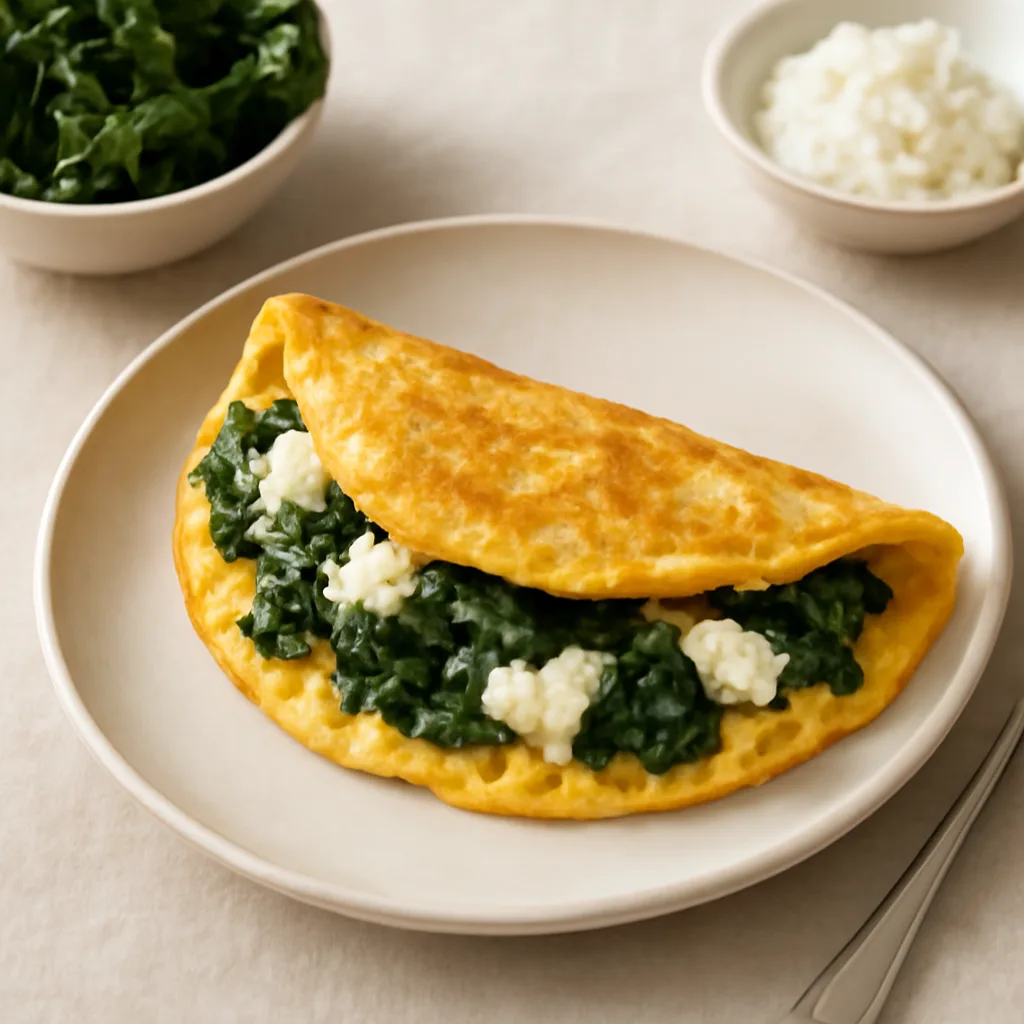
Here are the foods included in this theme, sorted by views from CookPagoda's public food.