Theme guide
Check the selection criteria and cooking ideas for foods that match this theme.
A hearty meal is a composition that makes you feel full and satisfied from a single plate or a single table setting. It typically combines staples such as rice, noodles, or bread with protein, vegetables, and a broth or side dishes, but not all menus require many ingredients. The balance of staple portion, main side dishes, moisture, and chewiness makes the meal feel substantial more than the sheer number of ingredients. When choosing a menu, consider both the eating time and the cooking conditions. On busy days, a one-bowl dish like donburi or fried rice is convenient, and when feeding many people or needing a table-setting feel, you can combine soup with rice, grilled items with sides. However, if you want light snacks or a simple meal late at night, a configuration with many quantities or many side dishes can feel burdensome.
Well-suited for these people
- It suits people who want a meal that satisfies with staple and side dishes so they don’t immediately crave something else after one bite.
- It’s useful in situations like family meals where each person can share and customize to their preference.
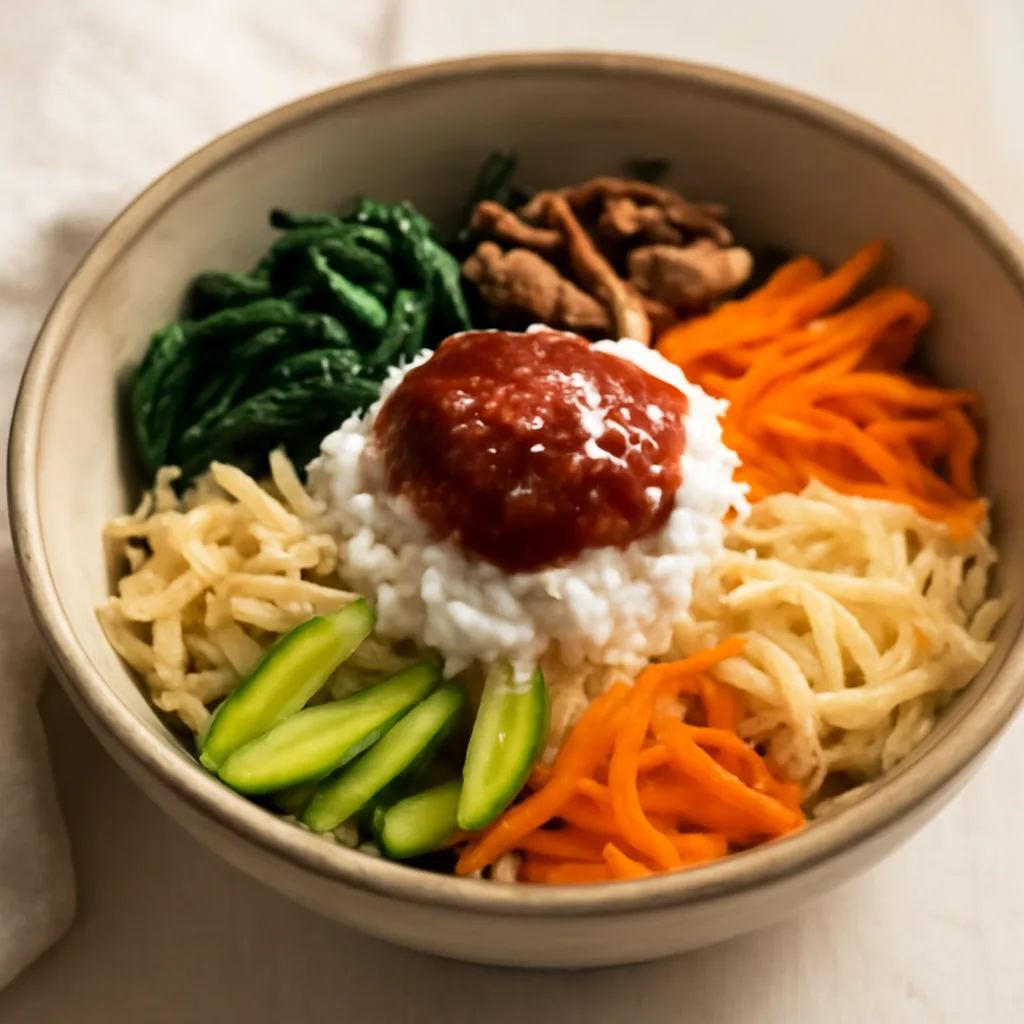
- If you want to reduce washing up after cooking, you can choose one-bowl Menu like donburi, bibimbap, or noodles rather than preparing many side dishes.
- When appetite is light or there is a short break time, it’s better to prioritize easier-to-digest portions over lavish fullness and adjust to a smaller set.
Food Selection Guide
- If a menu with a lot of rice or noodles feels monotonous, choose options with different textures by including vegetables with chewiness like crunchy vegetables, mushrooms, or eggs.
- When choosing a soup dish, if the solids look sparse, the meal’s core may feel weak, so add sides such as rice and go with grilled items, jeon, or tofu, or choose a stew with more contents.
- If time to cook is short, instead of making several dishes separately, pick one-pan or one-pot meals like fried rice, donburi, or curry where staples and main ingredients come together.
- If the main dish is rich and oily, balance the overall flavor by pairing with fresh vegetables, clear broth, or light dressings instead of stacking similarly flavored side dishes.
Frequently paired ingredients
- Carbohydrate ingredients like rice, noodles, bread, tteok, potatoes form the base of the meal and serve to accompany the dish rather than simply increasing its quantity.
- Meats, fish, eggs, tofu, and legumes work well as main solids; focusing on one can simplify cooking and seasoning.
- Vegetables such as onions, scallions, cabbage, mushrooms, leafy greens add volume and texture when cooked, making one plate feel more abundant.
- Condiments with strong flavors like kimchi, pickles, and brine pair well with plain rice, but if the main seasoning is strong, serve them in small amounts.
Compatible cooking methods
- Stir-frying quickly combines rice or noodles with meat and vegetables in one pan, suited to a one-plate meal.
- Boiling and stew-making easily serve broth and solids together, suitable for a meal with rice on the side.
- Grilling creates a crisp surface on the main ingredients and centers the plate with rice and sides, but starting multiple ingredients at once can extend cooking time.
- Steaming or braising allows flavors to penetrate the ingredients, but if you plan to have broth as well, avoid making the sauce too concentrated to keep balance.
Tips for beginners
- If a meal feels lacking, first check that there are three elements: rice or noodles, a main ingredient, and at least one vegetable.
- If vegetables release a lot of water during stir-frying and the pan gets soggy, the pan may be too small or you added ingredients all at once—stir-fry in batches on high heat or add high-moisture vegetables last.
Menu Composition Tips
- When planning a table, set one staple, one warm main, and one refreshing or crisp side so it doesn’t become overly complex.
- If the focus is a water-rich dish like soup or stew, add a drier side such as grilled items to vary the eating flow.
- For a donburi or fried-rice-style one-bowl dish, prepare fewer separate side dishes and choose one of kimchi, simple tosses, or clear broth to control time.
- To use remaining ingredients, ensure the main flavor direction is similar. Instead of adding soy-sauce side dishes to a gochujang-based main, cook one side to be mild to avoid flavor muddling.
Foods included in this theme
Here are the foods included in this theme, sorted by views from CookPagoda's public food.