Ver recetas
Verifica los datos de referencia de la comida seleccionada.
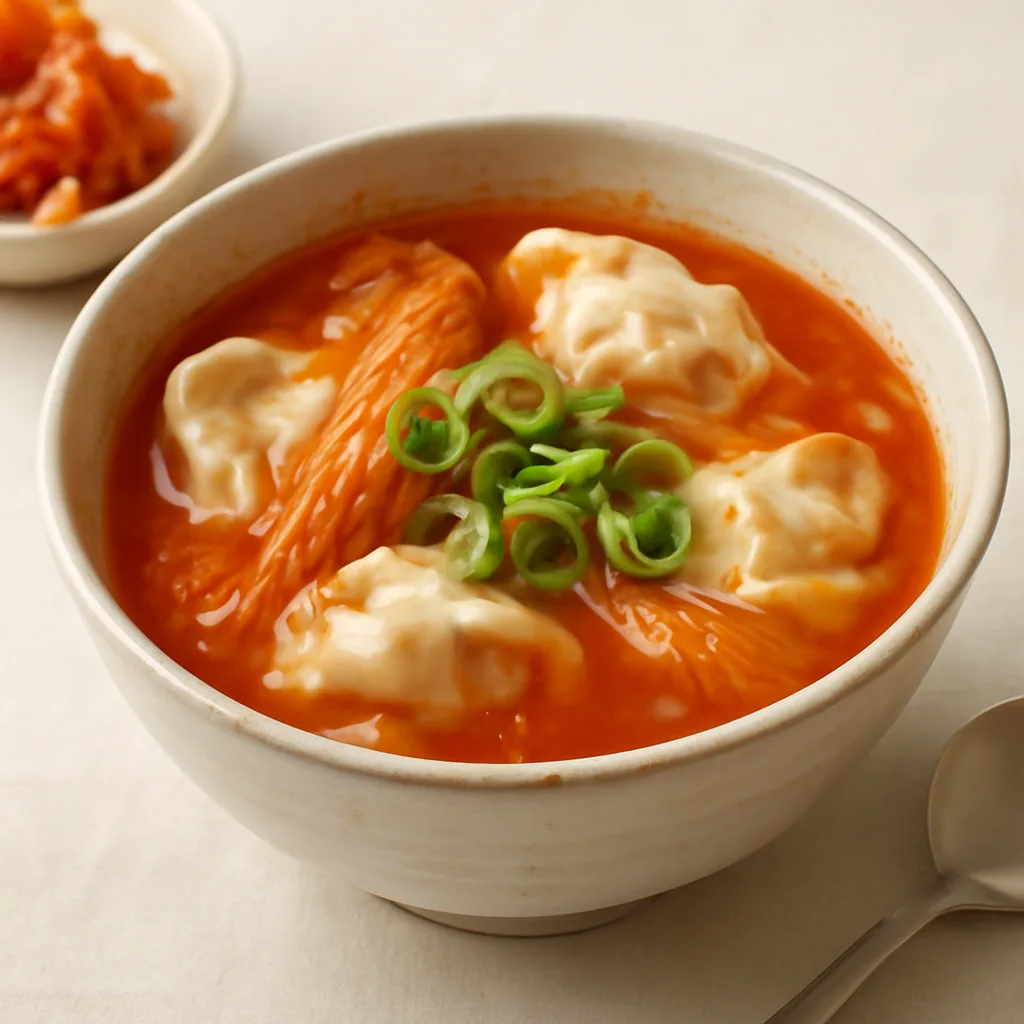
kimchi-mandu-soup
Un platillo de caldo que utiliza kimchi y dumplings de kimchi; se caracteriza por un caldo picante y refrescante. Se puede hacer de forma sencilla para que el estómago se sienta reconfortado.
Ingrediente principal
7
Consulta0
Me gusta1
Recomendación de IA0
HechoSobre esta comida
Kimchi mandu-guk is a spicy soup that comes together quickly in one pot with kimchi and kimchi dumplings. Since the broth is built by first boiling the kimchi in water to release its sour and spicy flavors, the state of the kimchi greatly influences the broth. If the kimchi is too salty or heavily seasoned, add a little soy sauce only after tasting at the end. Cooking time is about 20 minutes, and it is finished when the kimchi becomes soft and the filling is thoroughly heated. After the dumplings rise to the surface, let it boil a little longer to heat the inside, but if boiled too long the skins can burst, so maintain a medium simmer. The recorded composition is a simple method of water, kimchi, kimchi mandu finished with soy sauce and pepper. Since there is no stock, the broth is clear and light; if you expect a richer flavor, this method may taste somewhat bland.
Sabor y textura
The sourness and spiciness from the kimchi spread into the water, giving a sharp and refreshing impression. Soy sauce adds saltiness and shapes the kimchi’s flavor, while pepper adds a pungent aroma to the finish. Boiled long enough, the kimchi becomes soft, and the dumplings provide a contrast between the soft skins and hot filling. Boiling the dumplings too long can cause the skins to burst and dull the broth.
Claves para hacerla deliciosa
- Boil the kimchi in the boiling water for about 5 minutes first so that the stems soften and the seasoning flavors permeate the broth; if kimchi pieces are still firm, boil a little longer before adding dumplings.
- After adding the dumplings, if the broth is boiling vigorously, the dumplings may collide and the skins tear, so once it returns to a boil, adjust to a gentle simmer with medium heat.
- One tablespoon of soy sauce may be too salty depending on the kimchi’s saltiness, so taste the broth after the dumplings are cooked and add in portions if needed.
- Seeing the dumplings rise indicates heat has progressed, but you cannot be sure the inside is hot; after they float, boil for another 1–2 minutes to heat through the centers.
Errores comunes
- Adding dumplings right after kimchi can result in less tender kimchi and less infused broth; after boiling the kimchi to flavor the broth, then add the dumplings.
- If you add all the soy sauce at the start and the broth becomes too salty, it is often because the kimchi itself is salty; postpone to the final seasoning, and if it tastes salty, dilute with water gradually.
- If the dumplings stick to the bottom or the skins tear, you may have stirred too vigorously right after adding them; after adding, gently shake the pot or move only the edges slightly.
- Boiling too long can make the dumpling skins thick and mushy; when the dumplings float and the inside is heated, turn off the heat immediately.
Ideas de aplicación
- If the broth is too spicy or hot, reduce the kimchi quantity a bit and add a little more water, then compensate with soy sauce at the end for missing saltiness.
- If the pepper aroma doesn’t pair well with the kimchi’s heat, omit the pepper and let the kimchi and dumplings’ flavors stand out more.
- If there are many kimchi bits in the broth and the texture feels rough, cut the kimchi into shorter pieces so they are easier to eat with the dumplings.
- Even if you want a stronger heat, when the kimchi seasoning is already very spicy, it is easier to adjust the salt by simmering the kimchi a bit longer rather than adding more spicy seasoning.
Ideas para acompañar
- Serve the broth and dumplings together right after cooking to enjoy the dumpling skins while still moist.
- Serve generously with kimchi in the broth to add a crisp kimchi stem texture between bites of the soft dumplings.
- If the seasoning is mild, let each person adjust with a little pepper in their own bowl for aroma.
- When serving with rice, keep the broth relatively light so the salty flavors of kimchi and dumplings don’t feel heavy.
Ingredientes esenciales
kimchi
김치
kimchi-mandu
김치만두
Ingredientes opcionales
No hay ingredientes opcionales.
Orden de cocción
냄비에 물 4컵을 붓고 끓입니다.
물이 끓으면 김치를 넣고 5분간 끓입니다.
김치가 부드러워지면 김치만두를 넣고 7-8분 더 끓입니다.
간장 1큰술과 후추로 간을 맞춥니다.
불을 끄고 그릇에 담아냅니다.