Enciclopedia de ingredientes
Descubre las características de los ingredientes y cómo utilizarlos en la cocina.
Tomate
20
33
Tomatoes are a basic vegetable ingredient that add fresh acidity, savoriness, and moisture. When raw, they are useful for salads and sandwiches; when cooked, they form the base flavor for sauces, soups, stir-fries, and stews. Ripe tomatoes have notable aroma and sweetness, while firmer ones are better for slicing to maintain shape during cooking. Depending on the use, selecting variety and condition changes the results. Watery tomatoes are good for fresh preparations but can hinder quickly making a rich sauce; firm, seed-filled tomatoes hold shape well for grilling and sautéing. If the sauce becomes thin, it is better to evaporate moisture slowly over medium heat with the lid off rather than burning over high heat from the start to maintain flavor balance.
Sabor y textura
Raw tomatoes are juicy with a light sweetness followed by acidity. The skin, seeds, and gel pockets influence texture depending on variety and ripeness; firm tomatoes feel crisp when bitten, very ripe ones crumble softly. When heated, the raw, green note fades and sweetness and savoriness become more pronounced as the flesh loosens and thickens. However, staying too long over high heat can cause the bottom to scorch, so if you’re not aiming to thicken, a shorter cook time to retain fresh aroma is good.
Métodos principales de uso
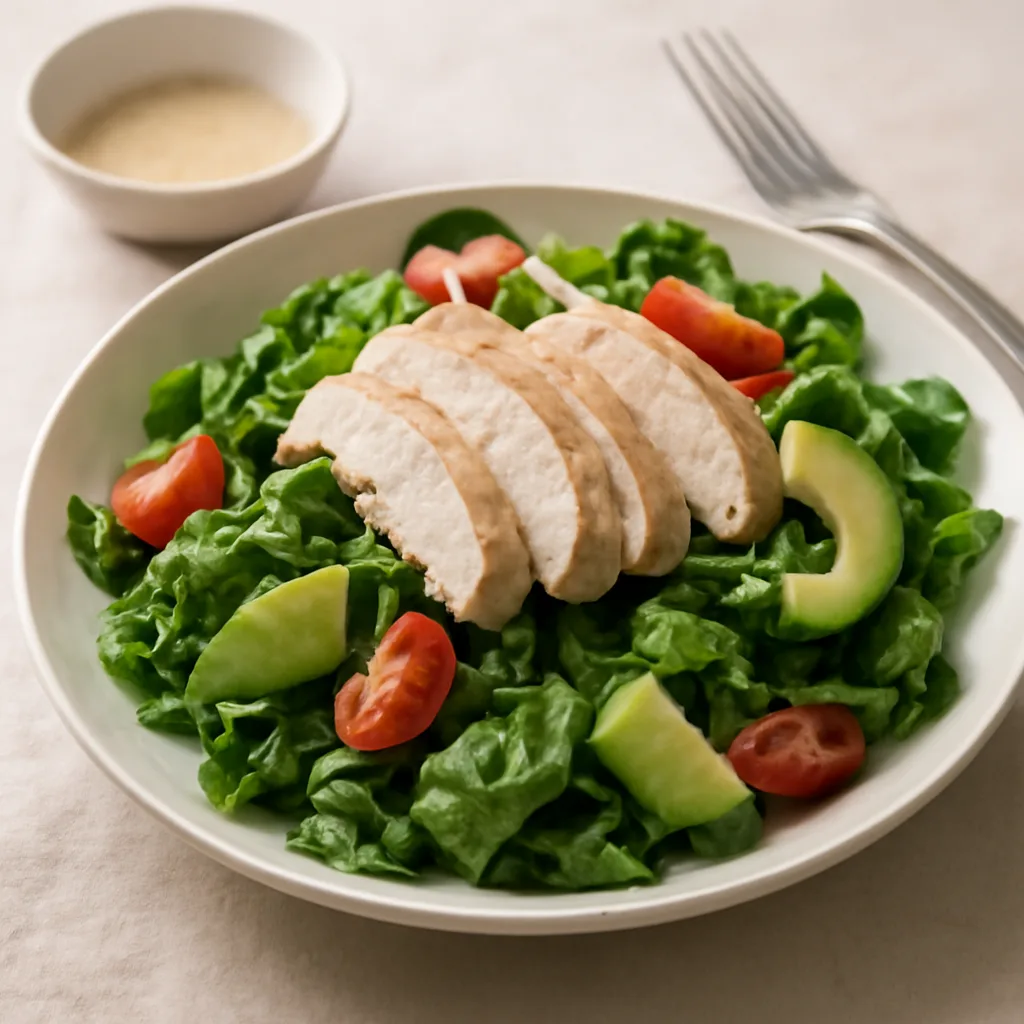
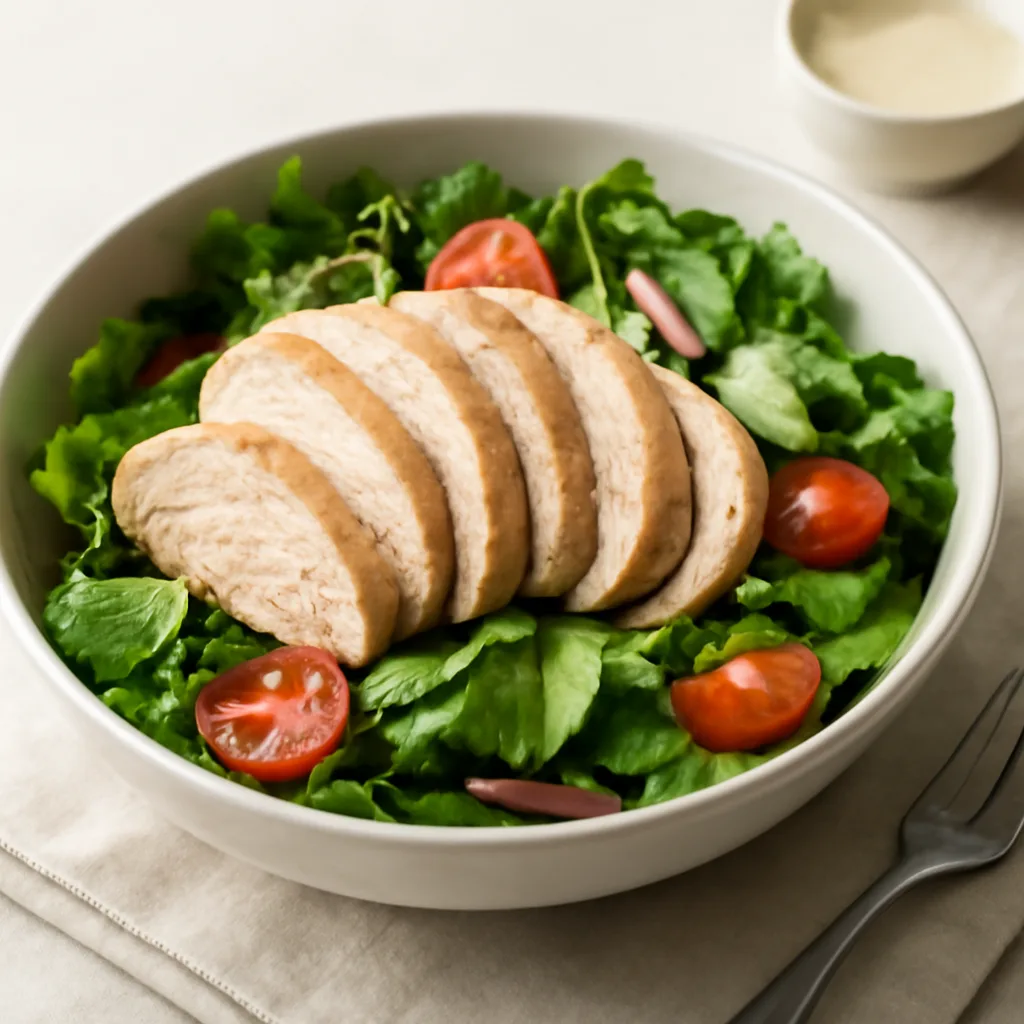
- Thinly slice with salt, olive oil, and herbs to make a tomato’s own juices and acidity shine in a salad. Be careful with very soft tomatoes as they release a lot of liquid; choose firm ones or grate just before serving.
- Chopped tomatoes added to pasta sauce, soups, curry, or stews provide acidity and moisture. If added at the end, the bright flavor remains; if simmered long, it becomes rounder and deeper, so add at the timing that suits the desired style.
- Halved tomatoes grilled or sautéed reduce surface moisture and concentrate sweetness. Good as a accompaniment to cut through the richness of meat or fish, but in very high heat you can skin them first.
- Finely chopped tomatoes mixed with onions, herbs, and acidic seasonings create fresh tomato toppings for bread or baked goods. If seeds and juices are too watery, scoop some out before mixing to maintain shape.
Consejos de preparación
- Rinse lightly under running water just before use, and remove the firm stem area. If not dried, moisture can be added to salads or grilled dishes.
- When using in sauces or soups, if the texture of the skin is bothersome, score the bottom lightly, blanch briefly, and peel. For quick-fried dishes that keep texture, you may leave the skin on.
- If a salad tends to become watery, don’t salt the cut tomatoes heavily right away. If the water seems to be drawn out, prepare the other ingredients and adjust seasoning at the end.
- If you want a richer sauce, consider adjusting cooking time before removing only the seeds and juice. Removing seeds excessively reduces volume and can dull the tomato’s fresh flavor.
Características al cocinar
- Tomatoes release a lot of moisture at the start of cooking, so in a small pan or when crowded, they tend to steam rather than fry. To fry and develop aroma, use a wide pan or cook in batches.
- Slowly cook over medium-low heat to let the flesh break down and naturally thicken the sauce. For faster concentration, remove the lid and stir as soon as the bottom starts to show to prevent sticking.
- Cooking with oil softens the acidity and rounds out flavor. However, if a fresh, bright flavor is needed, very fried tomatoes may not be suitable, so adding some at the end can be useful.
- High heat frying or searing will brown the cut surfaces and intensify sweetness. Conversely, very ripe tomatoes can fall apart when flipped, so use firmer ones if the shape matters.
Combinaciones que funcionan bien
- Herbs like basil, oregano, and parsley complement tomato’s fresh aroma, and garlic and onion form the base flavor in cooked dishes.
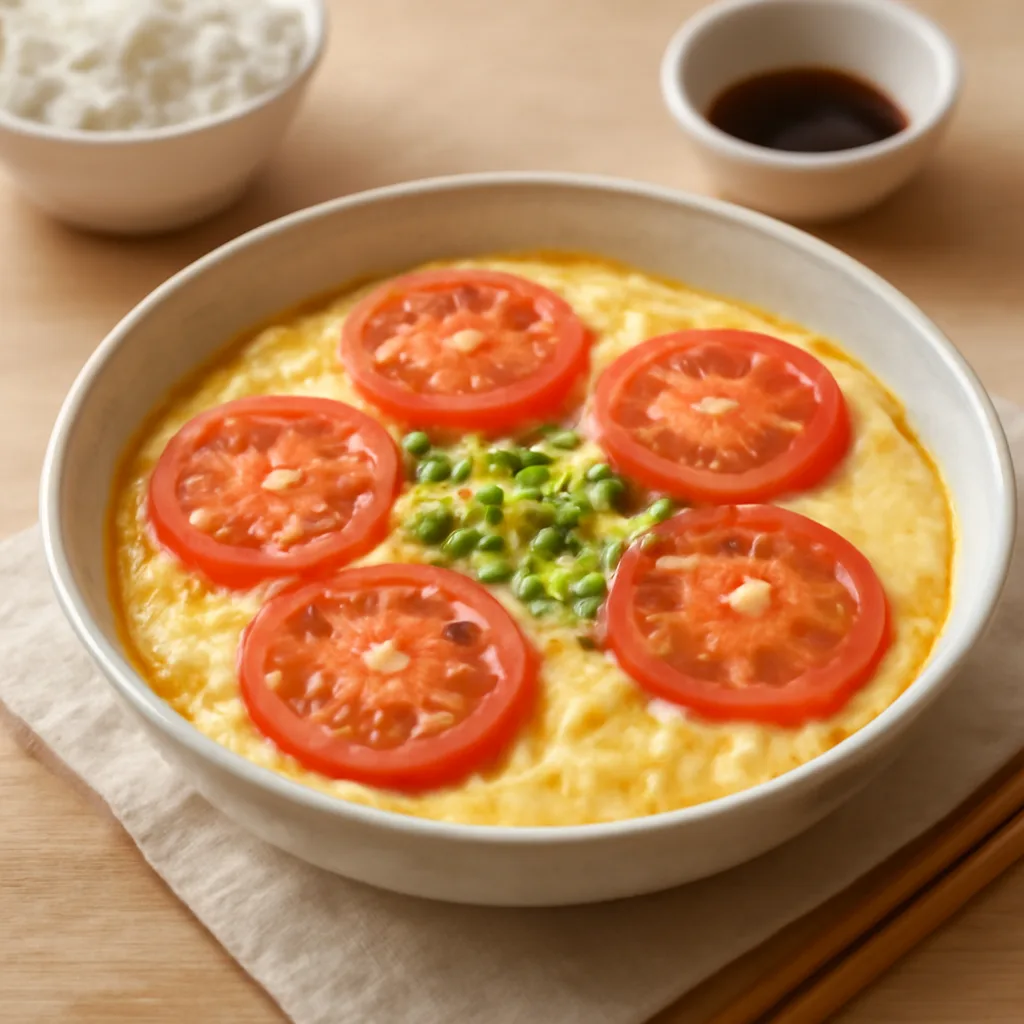
- Olive oil, cheese, and rich ingredients like eggs pair well to balance acidity. If using very salty cheese, adjust seasoning of tomatoes later.
- Tomatoes add moisture and flavor to relatively mild ingredients like beans, lentils, seafood, and chicken. Adding hot peppers or pepper can make acidity feel sharper, so to soften that bite, cook with sweeter onions or carrots.
Puntos a considerar al sustituir
- For salads that rely on tomato juice and texture, substitutes can’t fully replicate the same role. Firm cherry tomatoes can be used, though they may have more sweetness and a stronger skin presence than regular tomatoes.
- For sauces or stews, canned tomatoes, chopped tomatoes, or tomato purée can be used as appropriate. Puree is smooth and thick, not suitable when a chunky texture is desired like raw tomatoes; adjust acidity and thickness by tasting.
- Tomato paste is for color and concentrated flavor and is too strong to replace raw tomatoes on a one-to-one basis. Sauté a small amount first and supplement with water or stock for missing moisture.
- In situations where tomatoes should be avoided, red bell peppers or roasted carrots can partially compensate for sweetness and color, but they cannot fully replicate the acidity and savoriness of tomatoes. If the core of the dish is acidity, add other acidic ingredients to rebalance the overall flavor.
Ingredientes que se utilizan frecuentemente juntos en alimentos reales
Se recopila en base a la frecuencia de aparición de ingredientes representativos en alimentos públicos registrados en CookPagoda.
Alimentos que utilizan este ingrediente
Mostramos los alimentos en los que este ingrediente es un ingrediente representativo, ordenados por número de vistas.