Enciclopedia de ingredientes
Descubre las características de los ingredientes y cómo utilizarlos en la cocina.
Espinaca
8
17
Spinach is a soft leafy vegetable eaten with leaves and stems, versatile from soups and stews to namul, stir-frying, and egg dishes. Young leaves are good raw in salads, while mature leaves are blanched or sautéed to reduce volume and used as side dishes or fillings. When heated, volume decreases quickly and moisture is released, so a large amount may look like a lot but cooks down to a small amount. For clear soups, add at the end and brief cook to preserve color and soft texture; for stir-fries, heat the pan well and add in portions to minimize water release. Even if the leaves look wilted, as long as there is no yellow or slimy part, they can be used for cooking, but fresh, firm leaves are more suitable for eating raw. Very thick stems should be added later than the leaves to reduce texture differences.
Sabor y textura
Spinach has a fresh, earthy aroma; when cooked, the flavor becomes milder and a touch sweeter. Fresh leaves are tender if young, but thicker stems and large leaves can feel a bit tough or somewhat bitter. Brief blanching yields a moist and tender texture, while longer cooking makes it soft and dull in color. Adding nutty ingredients like oil or sesame can mellow the spinach’s aroma and round out the flavor.
Métodos principales de uso
- Blanched spinach, after squeezing out moisture, is mixed with salt, minced garlic, sesame oil, and sesame seeds to use as namul side dish. If moisture isn’t squeezed out well, the seasoning becomes too thin, so after mixing, if water pools on the plate, gently squeeze once more.
- In miso soup or clear broth, add near the end after most of the broth is ready and cook briefly. If simmered from the start for a long time, the leaves can become overly soft, so turn off heat when stems are tender and leaves are softened.
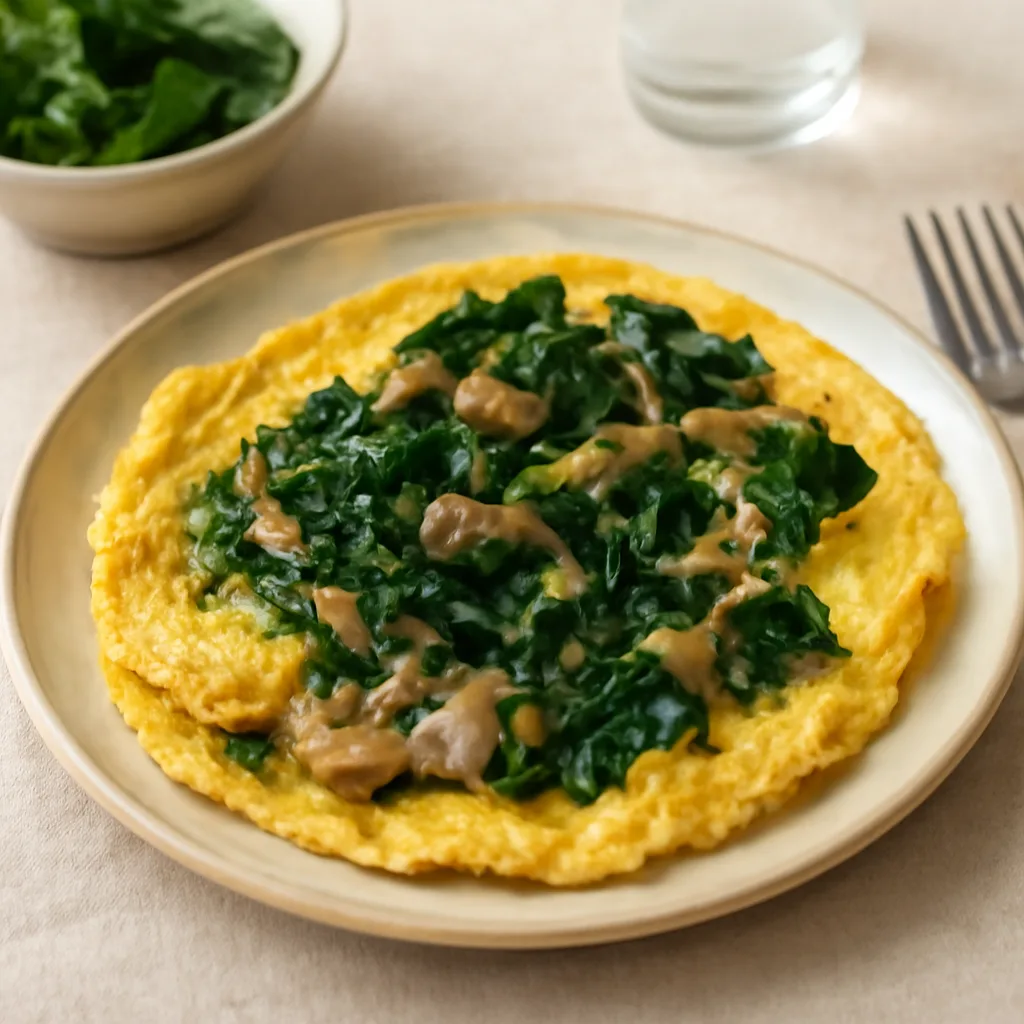
- Eggs with spinach can be used in omelets, frittatas, and scrambled eggs. If adding a lot of raw spinach, moisture can make the eggs runny, so briefly sauté to remove moisture or chop finely and add in small amounts.
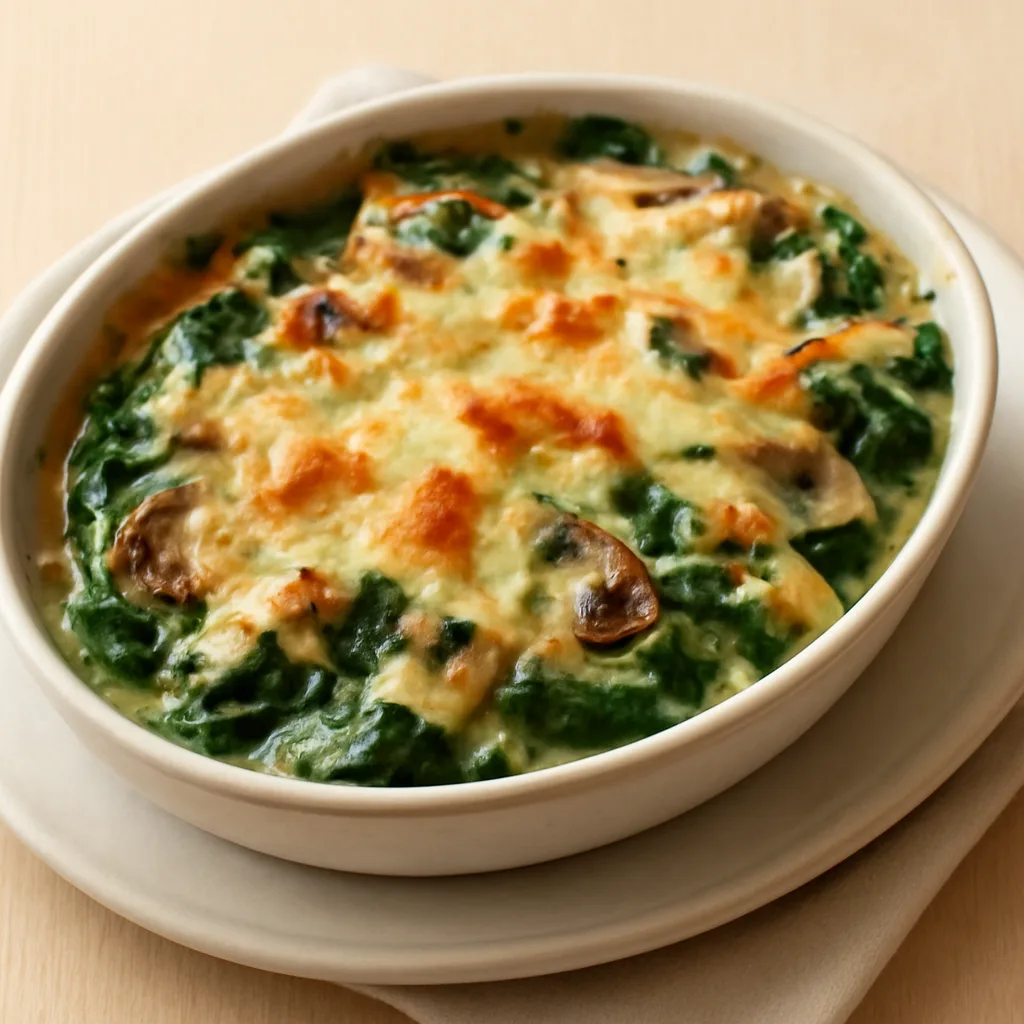
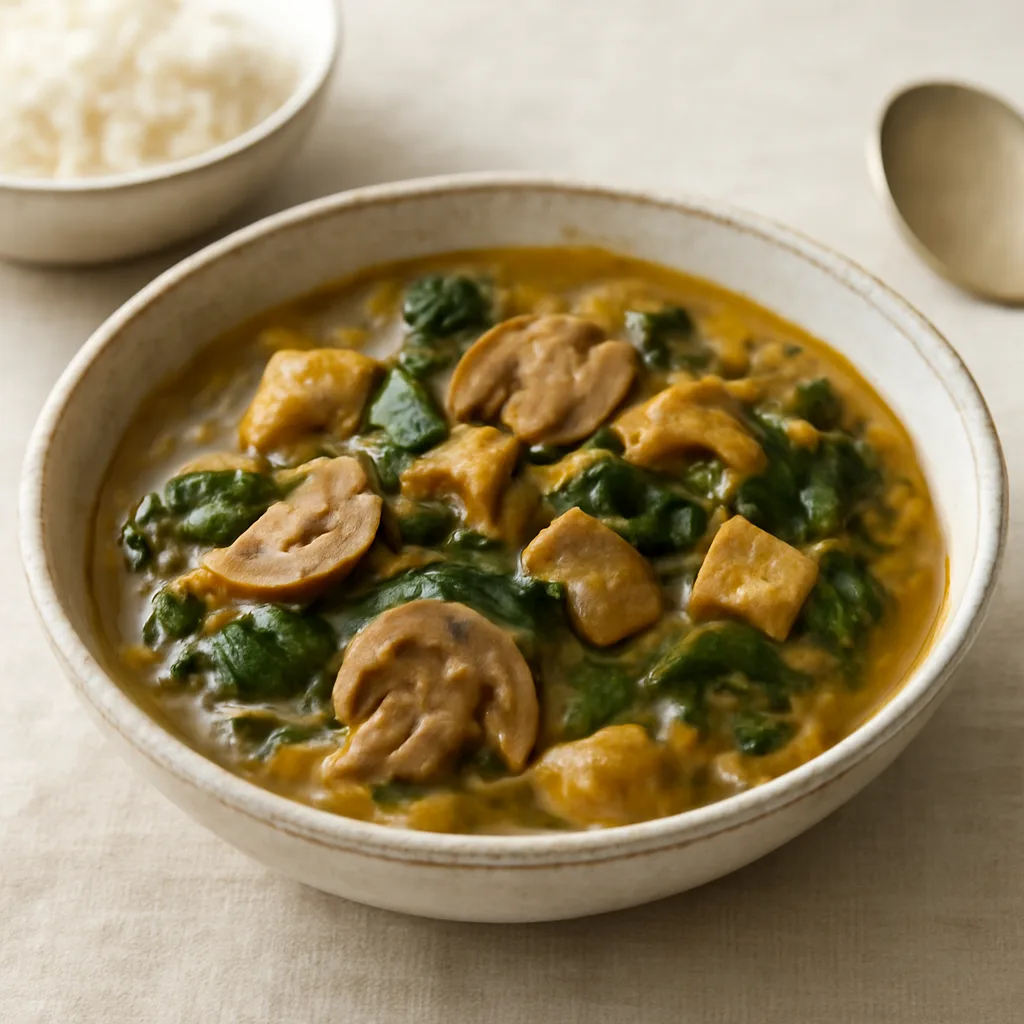
- Pairs well with pasta, cream sauces, risotto, and curries. However, if cooked in sauce for too long, the leaves' presence can disappear, so add at the end to maintain color and texture.
Consejos de preparación
- Since dirt tends to cling between the root and stems, trim the base and rinse leaves by separating them several times. If grit remains after washing, rinse in a large bowl of water and lift out so that settled soil remains at the bottom.
- For namul, boil salted water and dip stems first, then leaves briefly. After blanching, cool immediately to reduce residual heat and prevent leaves from breaking if rubbed too hard.
- For stir-fry spinach, dry thoroughly after washing. If droplets remain on the surface, they'll steam rather than fry, so blot with a salad spinner or clean cloth to remove moisture.
- Cut thick, long stems to the same length as leaves or split lengthwise to ensure even cooking. In contrast, young spinach stems are tender, so over-cutting can cause them to fall apart during cooking.
Características al cocinar
- Spinach softens quickly and releases moisture when heated, significantly reducing volume. Do not crowd the pan; cook in batches over high heat or use a wide pan to avoid excess moisture.
- Blanched spinach will become tender if cooked a moment longer; observe leaves turning bright green and stems bending, then remove from heat. Reheating already-blanched spinach in a soup or sauce for long is suitable when a soft texture is desired, but not ideal when you want to retain shape.
- Sautéing garlic or onions in oil first, then adding spinach helps the aroma permeate the leaves, but if garlic browns too dark, it can overpower the delicate spinach flavor. Add spinach once garlic aroma rises and finish quickly.
- When cooking with acidic ingredients or very moist sauces like cream, account for the moisture spinach releases. Add at the very end to barely wilt, or sauté separately to reduce moisture before mixing to help maintain sauce thickness.
Combinaciones que funcionan bien
- Sesame oil, perilla oil, sesame seeds, garlic, soy sauce, and soybean paste complement the fresh spinach and provide a savory, salty core for namul and soup.
- Pair with mild-tasting ingredients like eggs, tofu, mushrooms, or potatoes to let the spinach’s soft texture flow naturally. When all ingredients are high in moisture, a dish like soup or omelet that can absorb moisture is more stable than a stir-fry.
- Cream, cheese, or butter go well with rich sauces, but too much strong cheese can mask the spinach aroma. If you want to keep the spinach flavor, finish with the leaves at the end rather than simmering the sauce too long.
- A small amount of lemon juice or vinegar can brighten the flavor of cooked spinach. Start with small amounts after tasting, adjusting gradually.
Puntos a considerar al sustituir
- For dishes where the soft leaf texture of spinach is important, you can use beet greens, mild bok choy leaves, mustard greens, or similar greens depending on availability. Note that beet greens and bok choy can have thicker stems, so cook stems first and adjust seasoning or broth at the end.
- For stir-fries or pasta, you can substitute baby kale, beet greens, or arugula, but the flavor and texture will differ. Kale is tougher and may not soften fully with short cooking; arugula is delicate when heated and is better added at the end to preserve aroma.
- Raw spinach salads can use mixed baby greens or mild romaine. However, they won’t perfectly replicate the spinach’s moist, tender texture, so use as a substitute when aiming for a fresh salad.
- Frozen spinach can be used when the sauce benefits from color or volume. If thawed without squeezing out moisture, the sauce may become thin, so drain moisture well and adjust with less additional liquid as needed.
Ingredientes que se utilizan frecuentemente juntos en alimentos reales
Se recopila en base a la frecuencia de aparición de ingredientes representativos en alimentos públicos registrados en CookPagoda.
Alimentos que utilizan este ingrediente
Mostramos los alimentos en los que este ingrediente es un ingrediente representativo, ordenados por número de vistas.