Encyclopédie des ingrédients
Découvrez les caractéristiques des ingrédients et comment les utiliser en cuisine.
Tortilla
2
4
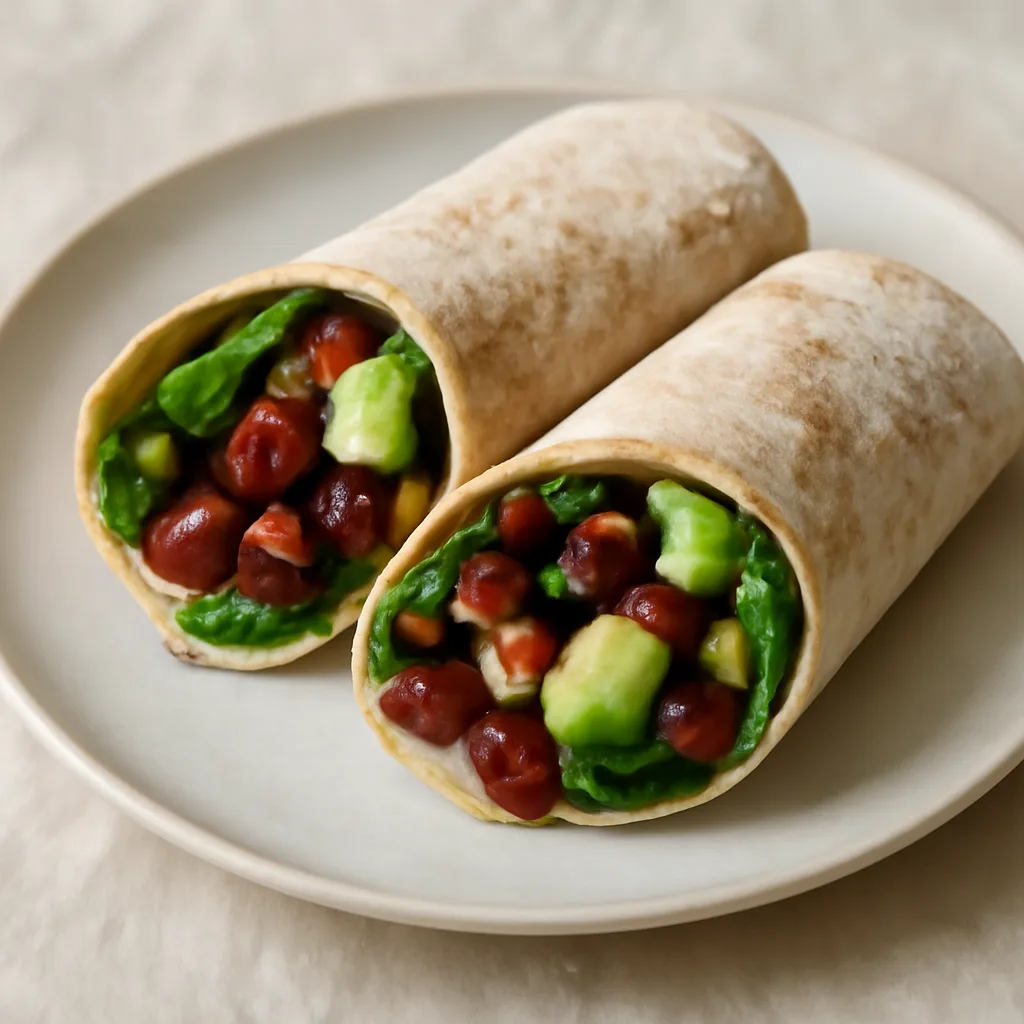
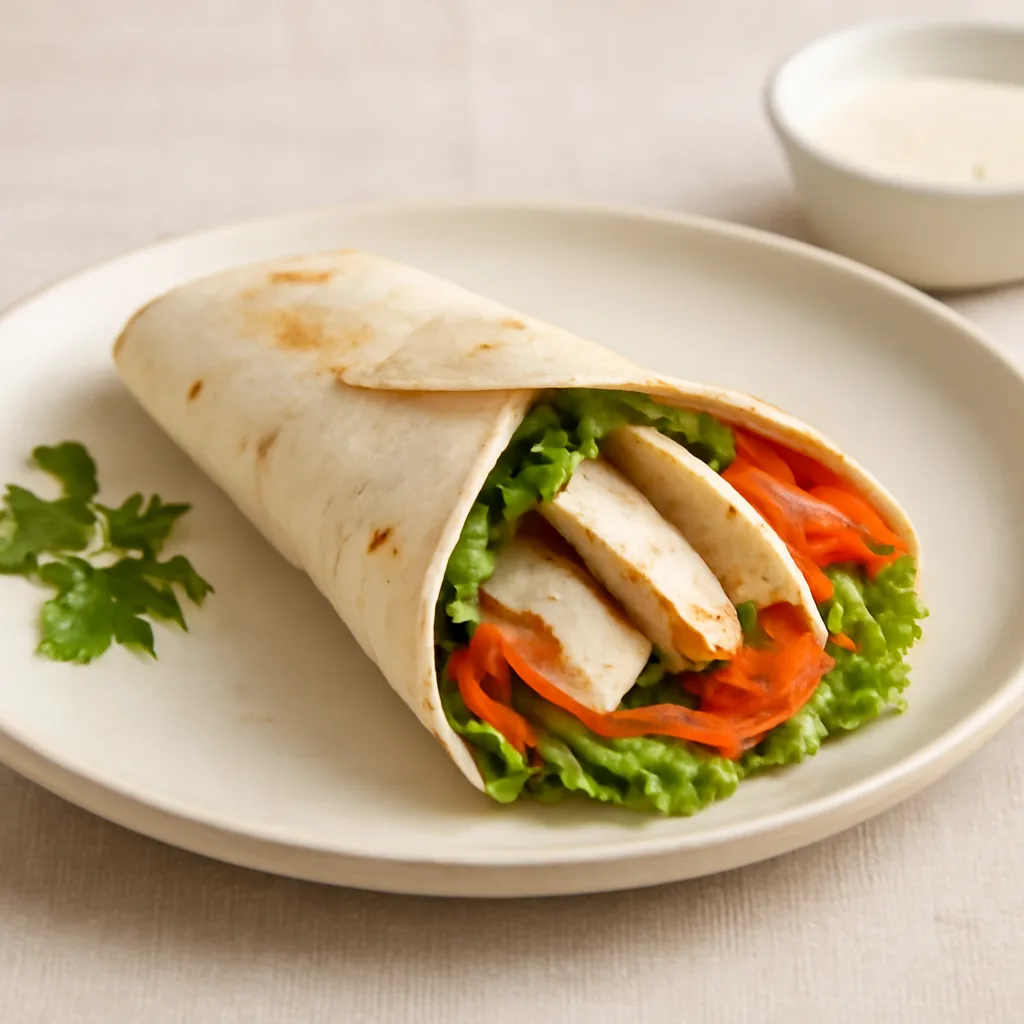
Tortillas are thin, round flatbreads baked to be used for wrapping or layering fillings. Wheat tortillas are relatively soft and flexible, making them easy to roll, while corn tortillas have a toasty grain aroma and a slightly more pronounced texture. They can be used not only for wrapping dishes like wraps, tacos, and burritos, but also for grilling to a crisp in quesadillas, nachos, or tortilla pizzas. When cold and stiff, the edges may crack when folded, so a short warming step suited to the purpose greatly affects the finished result. If the water content of the cooked filling is high, the tortilla can become soggy quickly. In this case, reduce the filling’s moisture first, or serve sauces on the side and assemble right before eating.
Goût et texture
The flavor is generally mild and helps support the flavors of the filling and sauce. Wheat tortillas have a subtle nutty aroma and soft texture, while corn tortillas carry a pronounced, corn‑savory scent. On their own they are flexible, but when heated in a pan or oven the edges dry out and become crispy. Properly heated tortillas are pliable, but if overbaked or exposed to high heat for too long they dry out and can break.
Principales utilisations
- Fold or wrap fillings like sautéed meat, beans, vegetables, cheese, and salsa to use as tacos and wraps. If the filling is too tall, the folding edge may burst, so leave some space at one side.
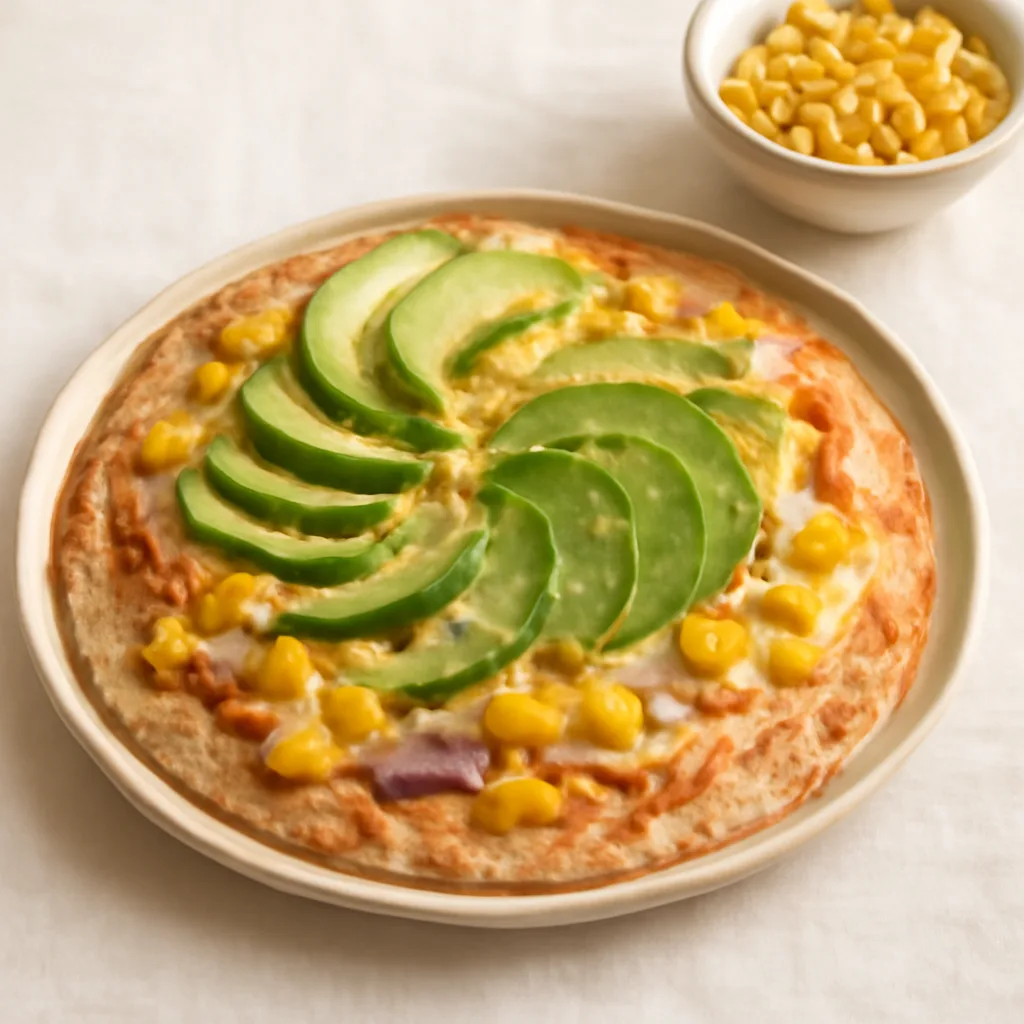
- Place cheese and cooked ingredients between tortillas and grill like a quesadilla. Cheese acts as a binder, so it’s better to spread fillings thin rather than thick so contents don’t spill when flipped.
- Cut into triangles and bake or fry into chips without oil. If the goal is for dipping, it’s better to crisp the edges enough so they don’t easily break rather than baking very thinly.
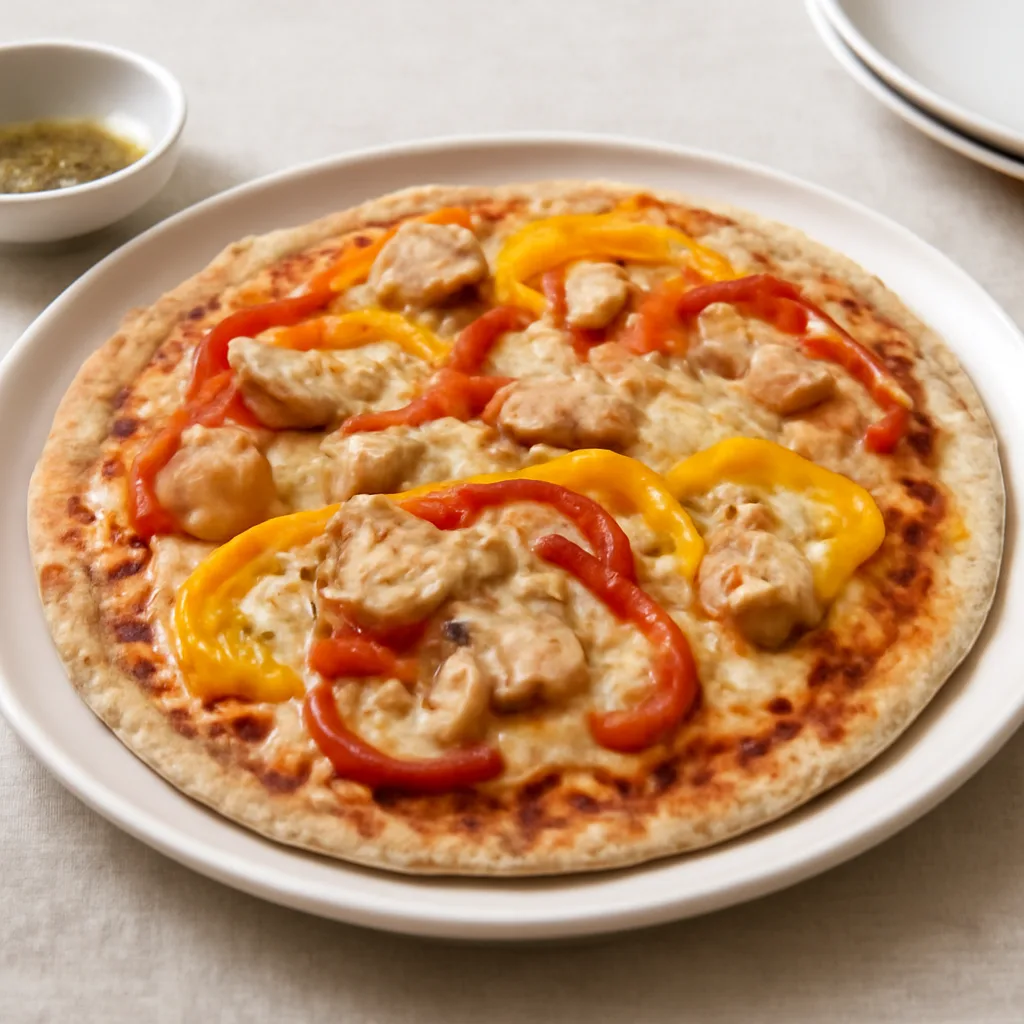
- Top with sauce, cheese, and leftover roasted vegetables to make simple tortilla pizzas. If you spread a thin sauce, the center may become soggy, so spread it thinly.
Conseils de préparation
- For tortillas to be rolled or folded, briefly warm them on a dry pan, in the microwave, or with steam so they become flexible. They’re ready when the surface is warm and pliable, and there is no need to heat until dark brown spots appear.
- When warming in a pan, heat over medium and briefly cook front and back, then layer on a plate to rest. If exposed to air too long, heat escapes and moisture evaporates, making them stiff again.
- Filling for wraps should be cooked and then rested briefly to release steam. If hot steam is trapped inside the tortilla, the bottom can get soggy, so drain moisture from ingredients like cabbage, mushrooms, and minced meat.
- For crispy chips or tortilla pizzas, you can brush the surface with a very light coat of oil. Using too much oil can make them heavy and greasy rather than crispy.
Caractéristiques lors de la cuisson
- When heated on a dry pan, pale brown marks appear on the surface and the aroma becomes more toasty. Marks can indicate proper heating, but if the charred parts spread quickly, reduce the heat or shorten the time.
- If cheese is added and heated, the tortilla helps trap heat and moisture inside, making it easier for the cheese to melt. However, if fillings are cold and thick, the outside may become crispy first while the inside remains underheated, so pre-cooking fillings or rolling them thin is advantageous.
- In an oven or air fryer, the edges dry out first and become crispy like chips. For a soft wrap result, this dry, high-heat method is not ideal; shorter pan heating is more suitable.
- Moist sauces coming into contact for too long can soften and tear tortillas. If the bottom starts to sag, consider reducing the sauce or placing a relatively firm layer like cheese or mashed beans between vegetables and proteins.
Combinaisons recommandées
- Cheese, black beans or kidney beans, sautéed chicken or beef, avocado, onions, bell peppers, and tomato salsa pair well. A tart salsa or lime-flavored sauce provides balance to a milder tortilla, but if there are many pickled ingredients, use less sauce to avoid saltiness or sogginess.
- Corn tortillas pair well with grilled corn, beans, chilies, and bold, bright salsas for a rustic flavor; wheat tortillas naturally pair with creamy cheeses, eggs, and tender chicken fillings.
- Crispy tortilla chips pair well with dense dips like guacamole, bean dip, or salsa. Soaking chips in a thin soup or sauce for too long makes them soggy, so dipping is preferable.
Points à considérer lors du remplacement
- For dishes requiring flexibility in rolling, a larger wheat tortilla is the closest substitute. Pita or thin flatbreads can be used, but their thickness and elasticity differ, so when filling heavily the folding method changes.
- For dishes where the grainy corn flavor of tortillas is important (like tacos), corn tortillas are preferred. Replacing with wheat tortillas may be easier to handle but will change the flavor to a milder, less corn-forward profile.
- Quesadillas or tortilla pizzas can use thin lavash or thin flatbreads. However, moisture absorption and baking time differ, so reduce toppings and sauces and adjust as needed.
- For chips, you can substitute with thin pita or thinly sliced flatbreads, but the unique light crispiness of tortillas will differ. If the dip is heavy, a slightly sturdier substitute is more practical.
Ingrédients souvent utilisés ensemble dans les plats réels
Basé sur le nombre d'apparitions simultanées des ingrédients principaux des plats publics enregistrés sur CookPagoda.
Plats contenant cet ingrédient
Nous affichons les plats où cet ingrédient est un ingrédient principal, classés par nombre de vues.