Encyclopédie des ingrédients
Découvrez les caractéristiques des ingrédients et comment les utiliser en cuisine.
Fromage cheddar
3
5
Cheddar cheese is a hard cheese made by curdling and aging milk, used in cooking to add savory umami and rich fat. The color varies from ivory to orange, and the degree of aging and moisture content have a bigger influence on melt properties than color. It pairs well with melted dishes like sandwiches, burgers, omelets, and macaroni and cheese, and can be grated over soups, potato dishes, and salads as a finishing touch. Soft young cheddar melts relatively smoothly, but aged cheddar can have a more intense flavor and may separate fat or become grainy when heated, so choose according to use. If you want a pronounced flavor, add it at the end of cooking to melt briefly, and if a silky sauce is important, choose a mid-aged product and melt it slowly over low heat. Very strongly scented aged cheddar is good for lifting mild ingredients, but can overwhelm delicate fish or clear broth dishes.
Goût et texture
Cheddar cheese is salty and nutty, with increasingly deep, slightly tangy notes as it ages. Young cheddar is relatively mild and creamy, while aged cheddar is richer and sometimes has a sharp bite. When cold, it is firm to slice or grate, and it softens as it approaches room temperature. Young cheddar tends to become elastic and creamy when melted, while aged cheddar can crumble or show small crystals.
Principales utilisations
- Thinly sliced in burgers, ham sandwiches, and grilled cheese to add a deep flavor that binds the bread and filling.
- Grated and melted over macaroni, potato gratin, or roasted vegetables to create a golden surface in the oven or on the grill.
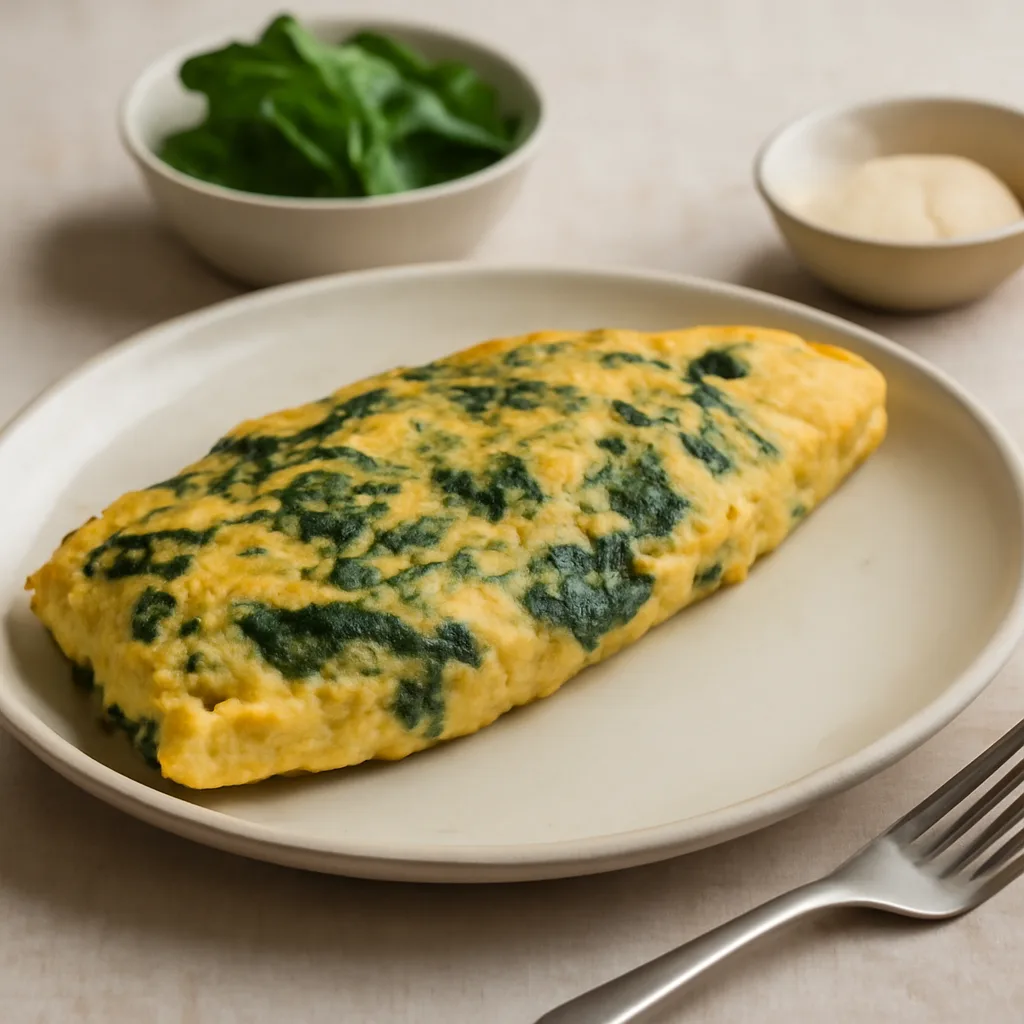
- Used in quick heated dishes like omelets, scrambled eggs, or quesadillas to make the inside moist and rich.
- Used in cheese sauces based on milk or cream to accompany pasta, boiled broccoli, or cauliflower.
- Cut into small pieces or finely chopped to serve on a cold platter with apples, pears, or crackers.
Conseils de préparation
- When melting, grating the cheese yourself from a solid block yields a smoother sauce than pre-grated cheese, which can clump together. Pre-grated cheese may be treated to prevent clumping, which can affect smoothness.
- Cold cheese is easy to chop finely or slice thinly, so trim as needed before cooking and add just before cooking. Large chunks may melt only on the outside while the inside stays solid.
- When making cheese sauce, heat a moisture-based base such as milk or cream first, then reduce heat and gradually add cheese in portions to avoid clumps. If lumps form, whisk in a small amount of warm liquid to loosen and smooth the sauce.
- For a golden surface, mix finely grated and slightly coarser grated pieces on top. If applied too thickly, the top may brown before the food underneath is fully cooked.
Caractéristiques lors de la cuisson
- Cheddar softens and melts when heated as fat and protein structures loosen, but prolonged exposure to high heat can cause fat to separate and a grainy texture. If you see a fat layer in the pan or sauce, reduce heat and whisk in warm liquid like milk, cream, or pasta water to loosen it.
- Young cheddar, with relatively more moisture, is easier to use in toasts and sauces, while aged cheddar has stronger flavor and may not melt as smoothly in the same amount. For sauces, base with a milder cheddar and fold in aged cheddar portion to boost flavor.
- In the oven, the surface will melt and brown, releasing a nutty aroma, but excessive baking can make it firm and oily like a sheet. When the edges start to bubble and brown, check and remove promptly.
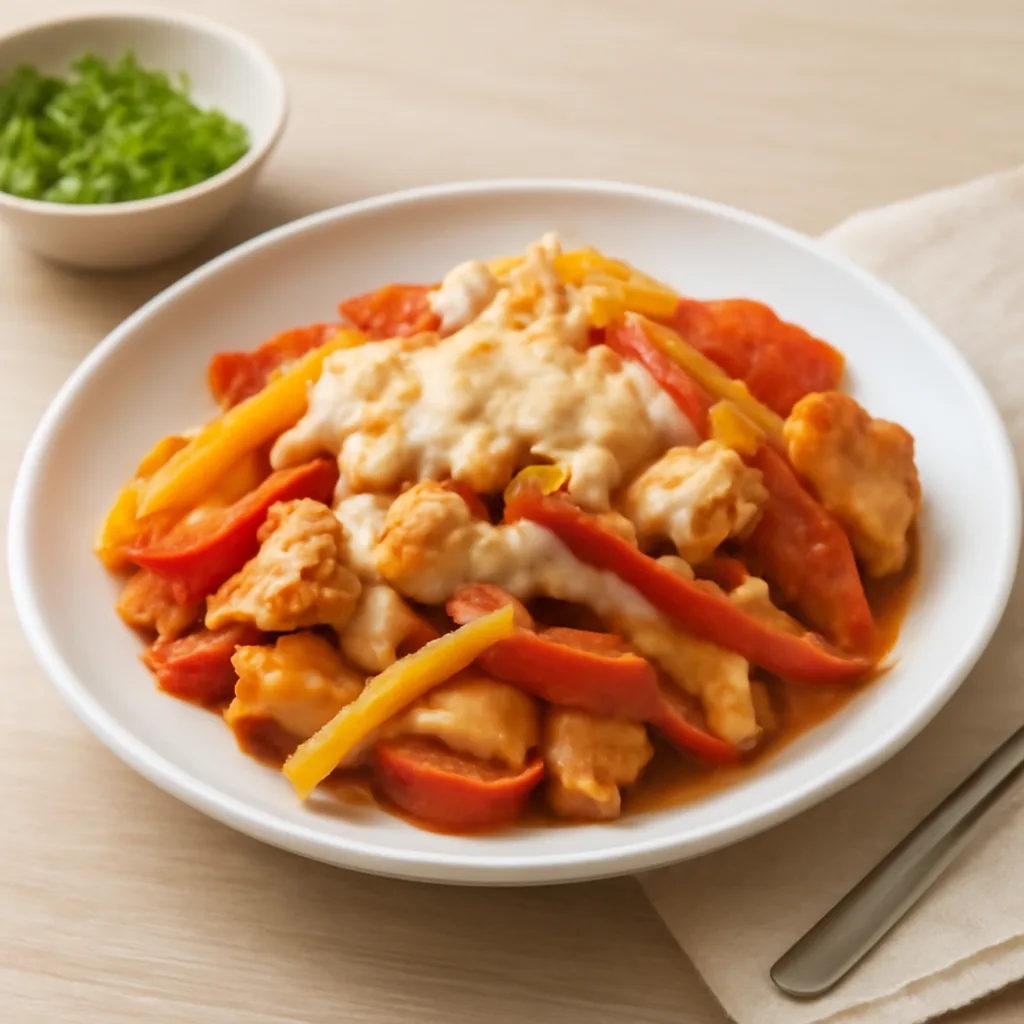
- Boiling cheddar directly in highly acidic ingredients or thin liquids can cause separation. For tomato-heavy dishes, sprinkle at the end to melt, or serve with a separately prepared cheese sauce for steadier results.
Combinaisons recommandées
- Cheddar's salty, nutty flavor pairs well with ingredients that have gentle sweetness like apples, pears, and onions.
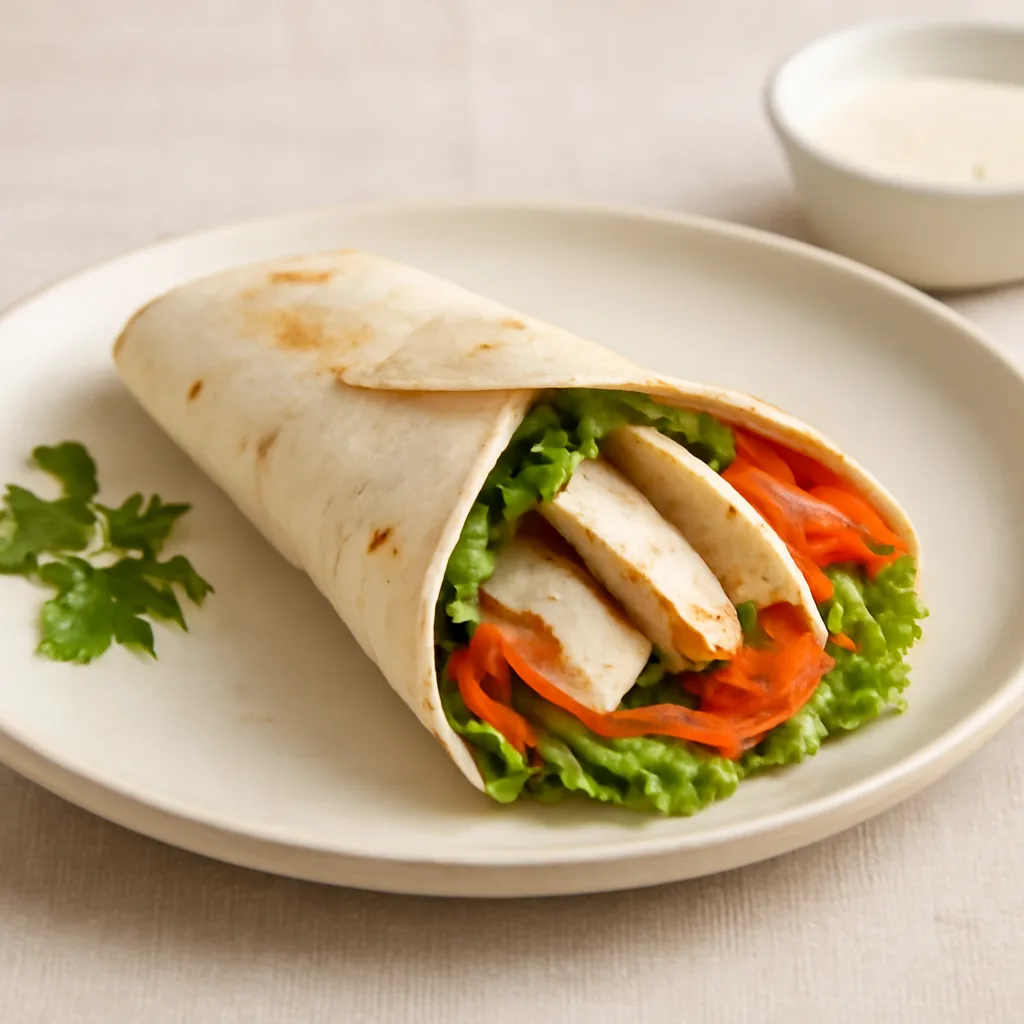
- Starchy, mild foods like potatoes, pasta, bread, and tortillas absorb cheddar's flavor and melt well.
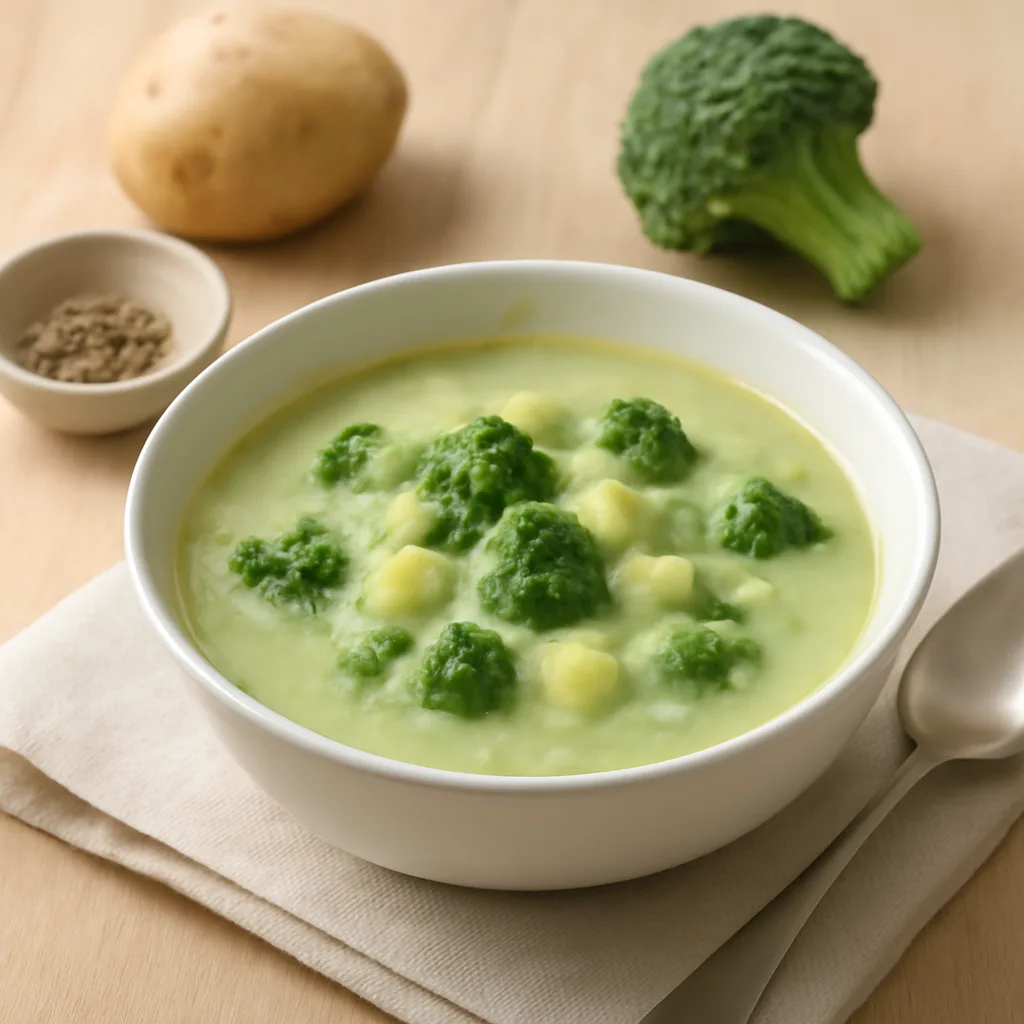
- Pair with broccoli, cauliflower, mushrooms, and sautéed onions to highlight their earthy flavors.
- Mustard, pickles, and tomatoes add acidity to cut the richness, but when simmered with a strong-tasting sauce for a long time, the cheese may separate, so add at the end.
Points à considérer lors du remplacement
- For sandwiches or gratins requiring melting cheese, you can substitute with more melt-prone cheeses like Colby, Monterey Jack, or Gouda, but note the flavor may be milder or different; consider adding a touch of mustard or sautéed onions to compensate.
- Cheese sauces can be made with young Gouda or Colby, but using hard, salty cheeses like aged Parmigiano may make the sauce too salty or not melt as smoothly; blend a portion instead for finishing flavor.
- If you aim to match the orange color of Cheddar, other cheeses can be used, but melting behavior and flavor won't be the same. For burgers where meltiness is key, choose a soft melting cheese; for cold platters where flavor is key, a mature Gouda or a hard cheese is more suitable.
Ingrédients souvent utilisés ensemble dans les plats réels
Basé sur le nombre d'apparitions simultanées des ingrédients principaux des plats publics enregistrés sur CookPagoda.
Plats contenant cet ingrédient
Nous affichons les plats où cet ingrédient est un ingrédient principal, classés par nombre de vues.