Encyclopédie des ingrédients
Découvrez les caractéristiques des ingrédients et comment les utiliser en cuisine.
감자
14
25
potatoes are a starchy tuber used widely from soup to stir-fry, braising, roasting, and mashing. Their own aroma is relatively mild, but during cooking they absorb the flavors of salt, fat, stock, and spices, forming a substantial base for a meal. Choosing the potato according to use matters. Firm, smooth potatoes hold shape well for frying or braising, while potatoes boiled until soft and prone to breaking are suitable for mashing or soups. Do not use sprouts or parts that have turned green; trim small surface blemishes as needed.
Goût et texture
Cooked potatoes have a softly savory, mild flavor, and depending on variety and method, fluffy, tender, or chewy textures can occur. Boiled or steamed potatoes break down smoothly; when fried or roasted the outside becomes crispy while the inside stays creamy. Potato starch thickens broth when released. For clear soups, frequent stirring or using very small cut potatoes may not be ideal; conversely, for thick stews or soups, its property is useful.
Principales utilisations
- For soups and stews, cut into bite-sized pieces to absorb the broth’s flavor. When the edges become translucent and chopsticks slide in relatively easily, it is a signal of doneness; stirring too early and vigorously can cause corners to break and make the broth cloudy.
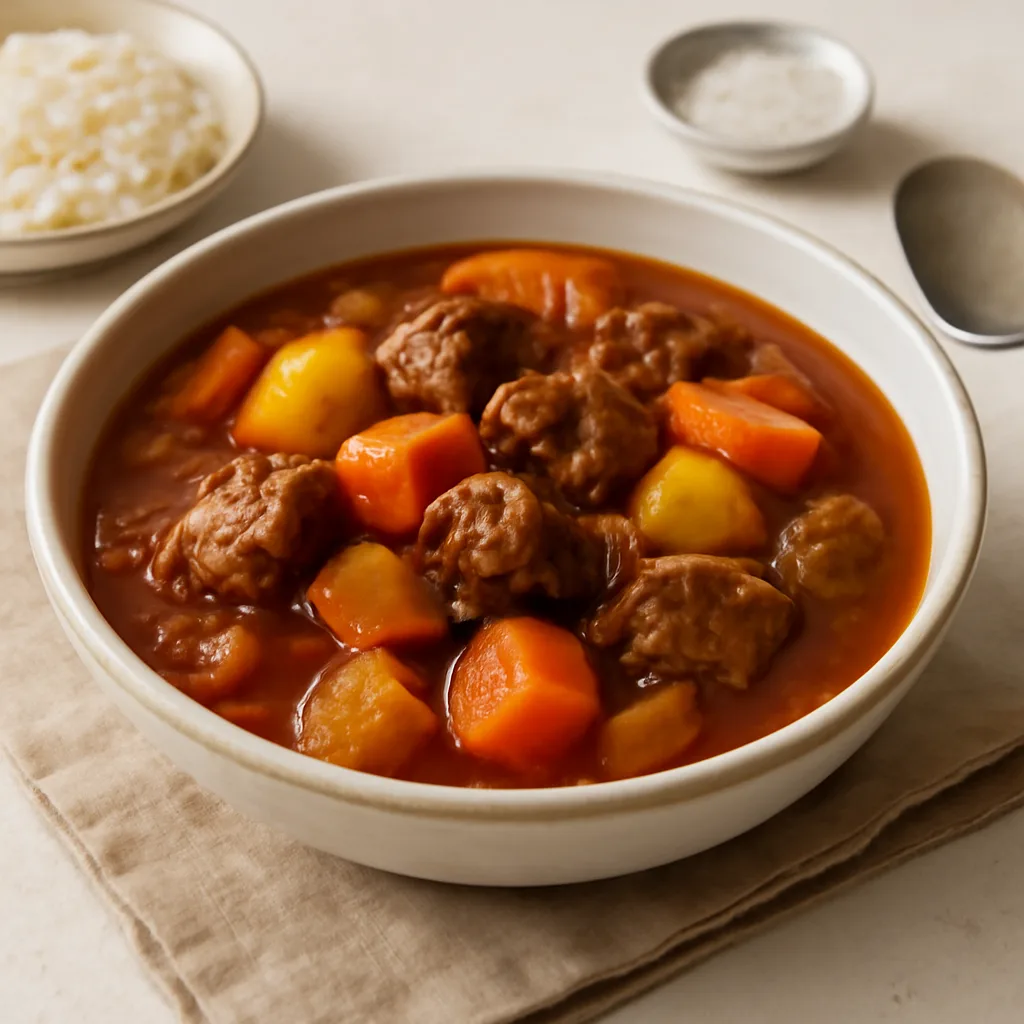
- For braising or frying, cut into similar sizes and roll lightly in oil first to prevent surface from breaking apart when sauces are added. Soy sauce or gochujang-based seasonings should be added after the potatoes are somewhat cooked to reduce surface salinity.
- Boiled potatoes can be mashed with butter, milk, or olive oil, or blended into soups to add body. If a smooth texture is desired, mash while very hot; if over-mashed and sticky, mix gently and add a little liquid to finish.
- When roasting or pan-frying, pat the surface dry and spread with oil. If pieces crowd each other moisture cannot escape, leading to a steamed-like texture instead of a golden crust, so divide into batches for roasting.
Conseils de préparation
- Scrub dirt under running water; if using skins, clean the surface with a brush. Skins help maintain texture and form in roasting and boiling, but for mashed or clear soups, peeling yields more uniform texture.
- If immediate cooking isn’t possible, soak sliced potatoes in cold water to slow browning. Do not soak too long, as surface starch will leach out and reduce theDesired nutty surface in fried or roasted potatoes.
- For crispy roasting or frying, thoroughly dry the sliced potatoes after rinsing. Water on the surface lowers oil temperature and moisture evaporates first, so blot with a kitchen towel before cooking.
- For braising, do not cut potatoes too small. If the sauce becomes cloudy from the edges breaking during simmering, try larger pieces or reduce stirring early on.
Caractéristiques lors de la cuisson
- Potatoes cook as the starch gelatinizes and the interior becomes tender. If a knife sheath slides in without resistance to the center, they are generally cooked; braising may benefit from letting flavors soak a bit longer.
- Boiling vigorously with large heat can cause the outer layers to soften first. Uniform piece sizes help prevent small pieces from breaking; once boiling starts, keep from vigorous agitation.
- Fat and high heat brown the surface to add savory flavor and crispness. If the pan isn’t hot enough before adding many potatoes, moisture will escape and they may stick or become soggy; initially avoid frequent turning until the surface browns.
- When mashing, over-stirring or over-processing with a blade tool can make the texture sticky and elastic. For fluffy results, drain boiled potatoes and mash briefly with a masher, and adjust creaminess by gradually adding warm liquid rather than overworking.
Combinaisons recommandées
- Butter, olive oil, and fats like milk or cream enrich the potato’s mildness and creaminess. For a lighter side dish, add fragrant herbs like parsley, chives, or pepper to sharpen the flavor center.
- Onions, garlic, and green onions with potatoes enhance sweetness and aroma, but garlic browns quickly, so add it after the potato has some color in a pan fry.
- Salty sauces like soy sauce, doenjang, or gochujang pair well with braises and stews, while acidic ingredients like tomatoes or vinegar lighten the richness. In highly acidic sauces, if simmering the potatoes too long before adding them, they may not soften as fast as hoped; consider partly cooking the potatoes first, then finishing with the sauce.
Points à considérer lors du remplacement
- If you need to maintain shape in braising or frying, you can use sweet potato or firm butternut squash, but these are sweeter and cook differently, so adjust sweetness and cooking time accordingly.
- For soups or mashes where potatoes provide body, alternatives include cauliflower, white beans, or pumpkin. Cauliflower yields a lighter, more watery texture, white beans bring a bean flavor that differs from potatoes.
- For crispy potato roast substitutes, you can roast sweet potatoes or root vegetables, but they may not replicate the neutral, fluffy interior of potatoes; choose based on whether the dish relies on potato’s body in the broth and satiety.
Ingrédients souvent utilisés ensemble dans les plats réels
Basé sur le nombre d'apparitions simultanées des ingrédients principaux des plats publics enregistrés sur CookPagoda.
Plats contenant cet ingrédient
Nous affichons les plats où cet ingrédient est un ingrédient principal, classés par nombre de vues.