Encyclopédie des ingrédients
Découvrez les caractéristiques des ingrédients et comment les utiliser en cuisine.
당근
9
16
Carrots are root vegetables that add sweetness and bright color; when raw they keep a crisp texture, and when cooked they become soft and sweet. They play different roles depending on methods that handle moisture and heat, such as stock, sautéing, braising, or salads. If sliced thin, they cook quickly and blend well with other ingredients; if cut into larger pieces, they retain shape and are suitable for steaming, curry, or stews. However, pieces that are too large can have a soft exterior with a hard interior, so sizing to match the cooking time is recommended. Carrots, like onions and celery, can form the base flavors with other aromatic vegetables, and can add color and subtle sweetness to egg or meat dishes. They are useful in dishes needing sweetness, but in sauces that are already very sweet, adding a lot can make the overall flavor feel heavy and sweet.
Goût et texture
Raw carrots are firm and crisp when bitten, with a fresh earthy aroma and a gentle sweetness. Thicker, denser carrots can have a more pronounced texture when sliced thin. When heated, the tissues soften and the sweetness becomes more pronounced. Sautéed or roasted carrots develop a nutty aroma along the edges, but boiling for a long time dulls the contrast of aroma and texture.
Principales utilisations
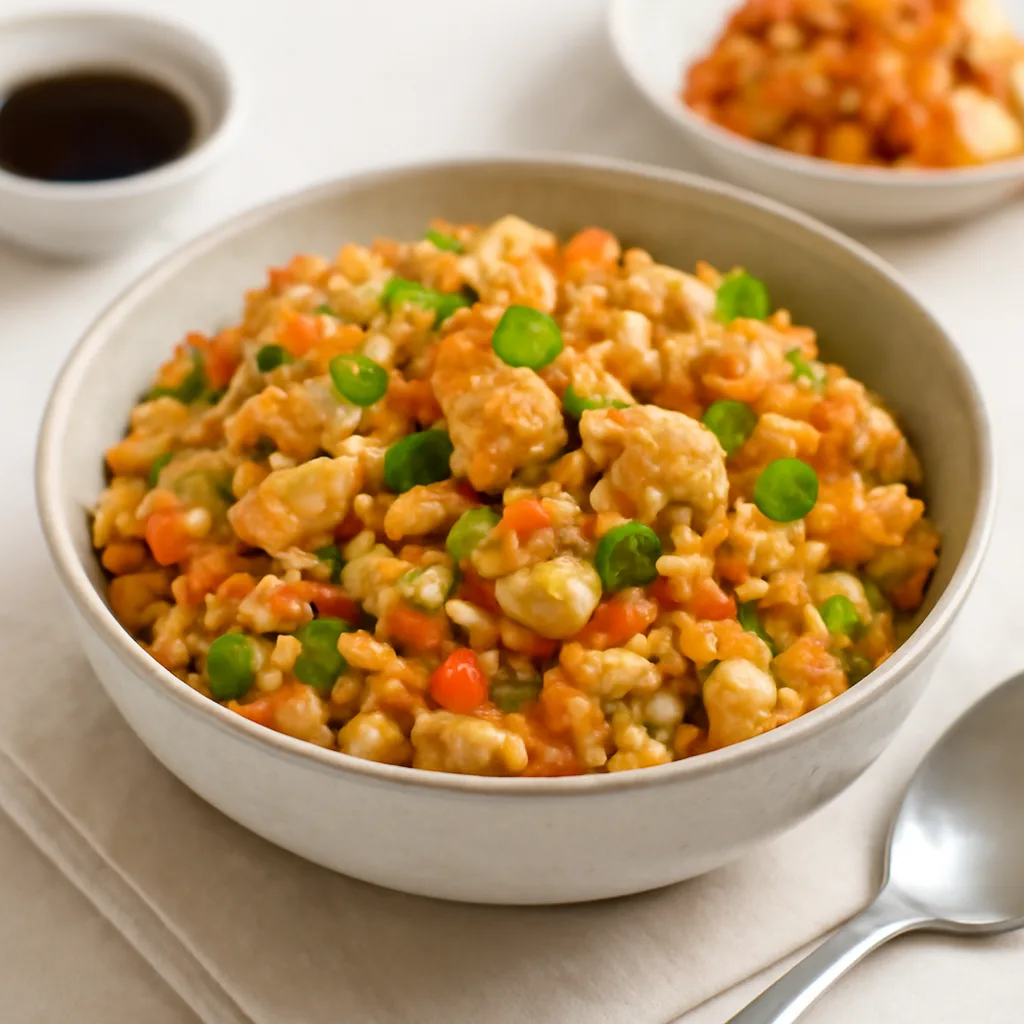
- Chopped carrots sautéed with onion and celery form the base for soups, sauces, curries, and fried rice. Start with medium-high heat and cook slowly after releasing the aroma to avoid browning the edges too quickly.
- Sliced carrots add color and crunch to salads, bibimbap, gimbap, or namul. If raw taste is strong, quick-salt and rinse, or blanch briefly and drain well.
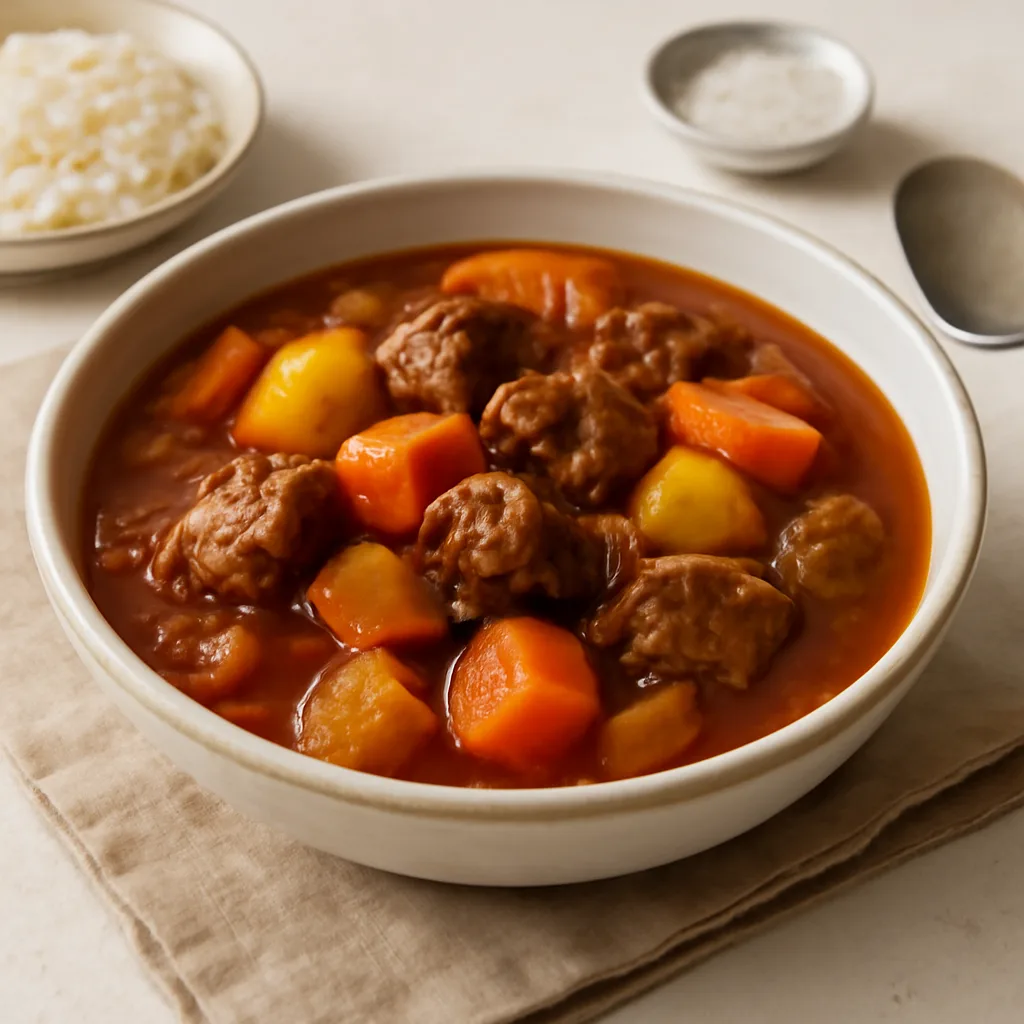
- Large carrot chunks are used in curries, braises, stews, and braising dishes to provide tender pieces. When cooking with potatoes, put the sturdier carrot first and add the thinly sliced carrots later to prevent them from becoming too soft.
- Grated or finely chopped carrots mix well into pancakes, meatballs, vegetable patties, and doughs. If too much moisture is released, adjust by reducing the amount used or balancing moisture from other ingredients.
Conseils de préparation
- Wash off soil and impurities under running water, trimming the stems and any rough areas as needed. If the skin is smooth and clean, there is no need to peel thickly, but remove any tough surface or damaged spots for uniform texture.
- Uneven carrot thickness cooks at different rates. In sautés or soups, cut to similar thickness to ensure even cooking; prioritize even size over decorative shapes.
- Salad carrots should not be pre-cut too far in advance as surface can dry out and lose elasticity. If using later, cover to prevent drying; dressings should be added right before serving.
- When braising or roasting, pat dry the carrot surface. Excess moisture lowers pan temperature and prolongs browning time, so dry them well to achieve browning flavor.
Caractéristiques lors de la cuisson
- Carrots become soft and their sweetness intensifies as they cook. If a fork goes in easily to the center, they are cooked; for soups where you want to keep some shape, turn off the heat just before that point.
- Sauteing with oil blends well with the flavors of aromatic spices, garlic, and onions, creating a savory, toasted note on the surface. If the pan is dry and color develops too quickly, lower the heat or add a small amount of water or stock to cook through.
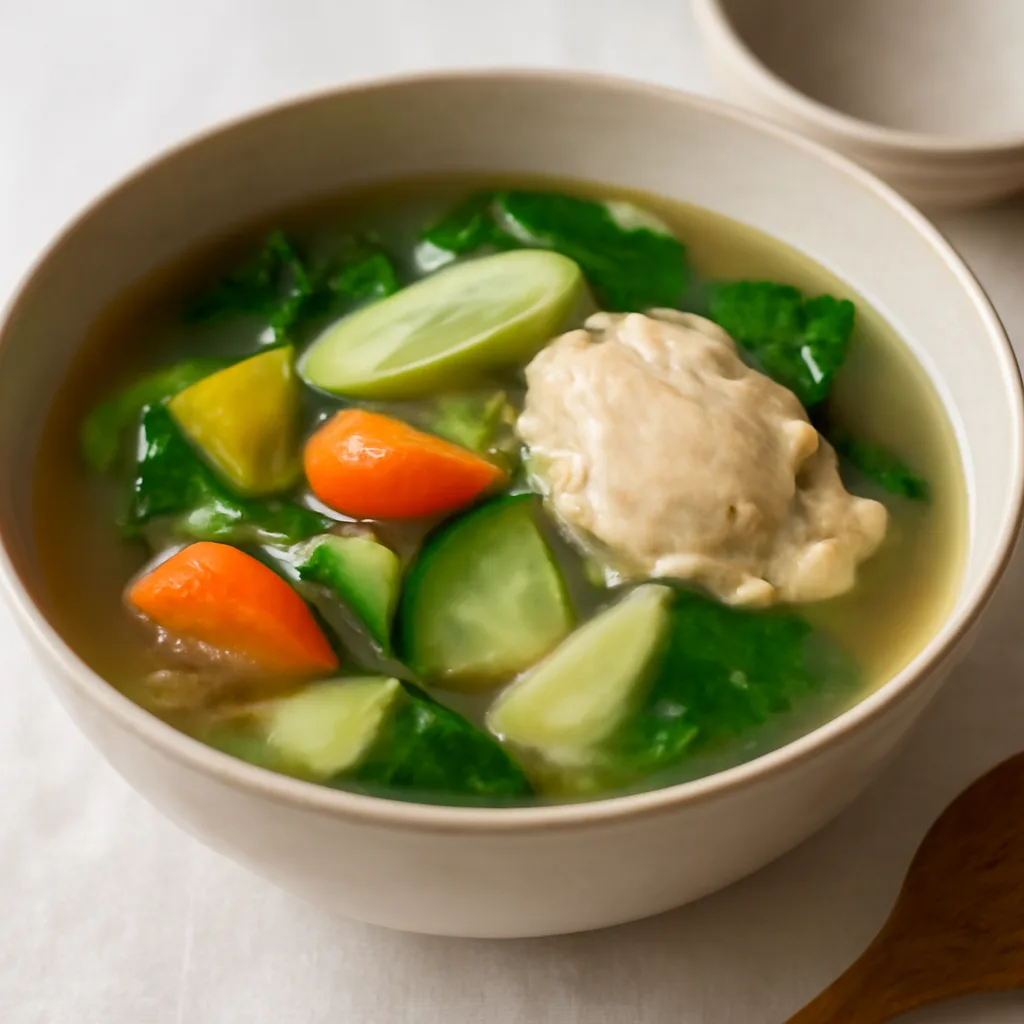
- Boiling in water or stock carries the carrot sweetness into the broth, rounding the overall flavor. To keep a clear broth, do not boil too long; remove when desired tenderness or reduce heat.
- Roasting in the oven or on a pan reduces moisture, concentrates edges, and intensifies sweetness and roasted aroma. Smaller pieces can dry out and become chewy, so thin pieces should be roasted at high heat briefly or flipped halfway.
Combinaisons recommandées
- Using onions, garlic, celery, and scallions with carrots helps soften their sweetness to form a good base for soups, stir-fries, and broths.
- Butter, olive oil, sesame oil enhance the smooth flavor of cooked carrots. However, strongly flavored oils like sesame oil may mask the fresh note of raw carrots, so use sparingly in salads.
- Juice of lemon, vinegar, yogurt add acidity to balance carrot sweetness, pairing well with salads or roasted carrots. If paired with already acidic pickles or strong vinaigrettes, adjust acidity to keep carrot sweetness prominent.
- Beef, chicken, chickpeas, and lentils pair with carrots to mellow the richness; when using hot spices, carrots help balance but do not replace the heat itself.
Points à considérer lors du remplacement
- For broth, curry, or stew where the soft sweetness and texture of carrot pieces are needed, consider parsnips, pumpkin, or sweet potatoes as alternatives. Note that pumpkin and sweet potatoes soften faster or have stronger sweetness, so adjust amounts and insertion timing accordingly.
- For crunchy color in raw dishes or salads, alternatives include radish, turnip, or bell peppers. These differ in sweetness and crunch, so add a bit of fruit or sweeter ingredients in dressings if needed.
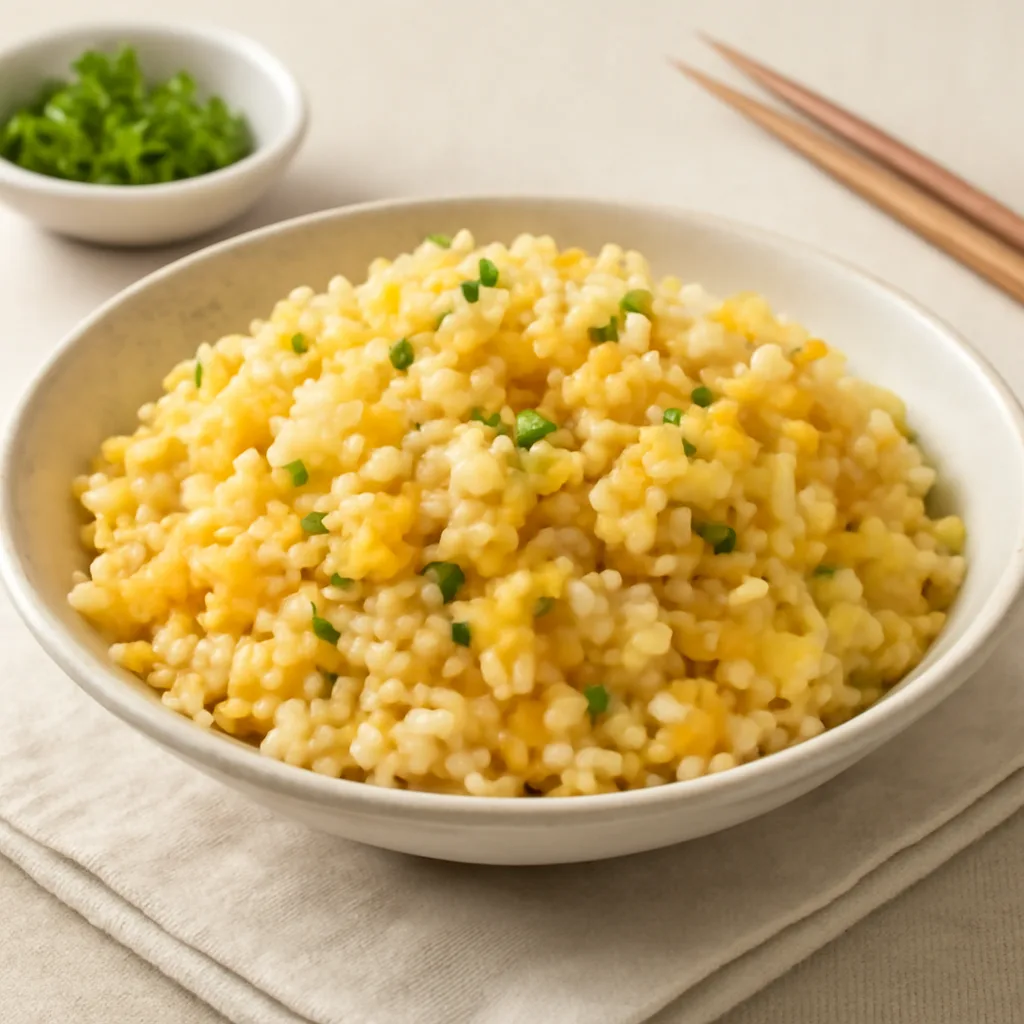
- In fried rice or minced meat dishes, small carrot pieces can be swapped with zucchini, bell peppers, or onions, but moisture and cooking time will change. If using zucchini, the pan may water; quick stir-fry at high heat is needed to evaporate moisture; add bell peppers at the end if color is needed.
- When carrot is the main ingredient in roasted, braised, or soup dishes, substitutes can significantly alter the result. Even with similar root vegetables, adjust sweetness, color, and cooking time, as a one-to-one substitution is rarely possible.
Ingrédients souvent utilisés ensemble dans les plats réels
Basé sur le nombre d'apparitions simultanées des ingrédients principaux des plats publics enregistrés sur CookPagoda.
Plats contenant cet ingrédient
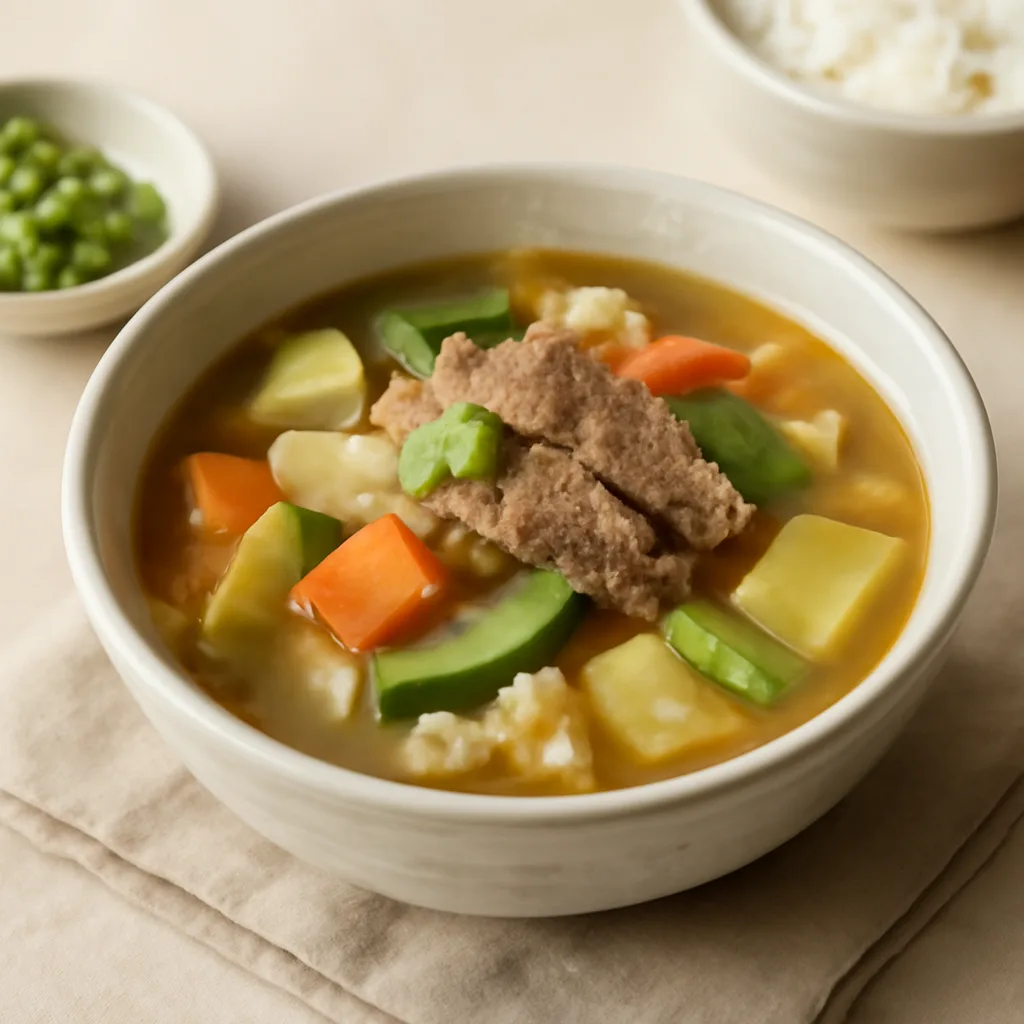
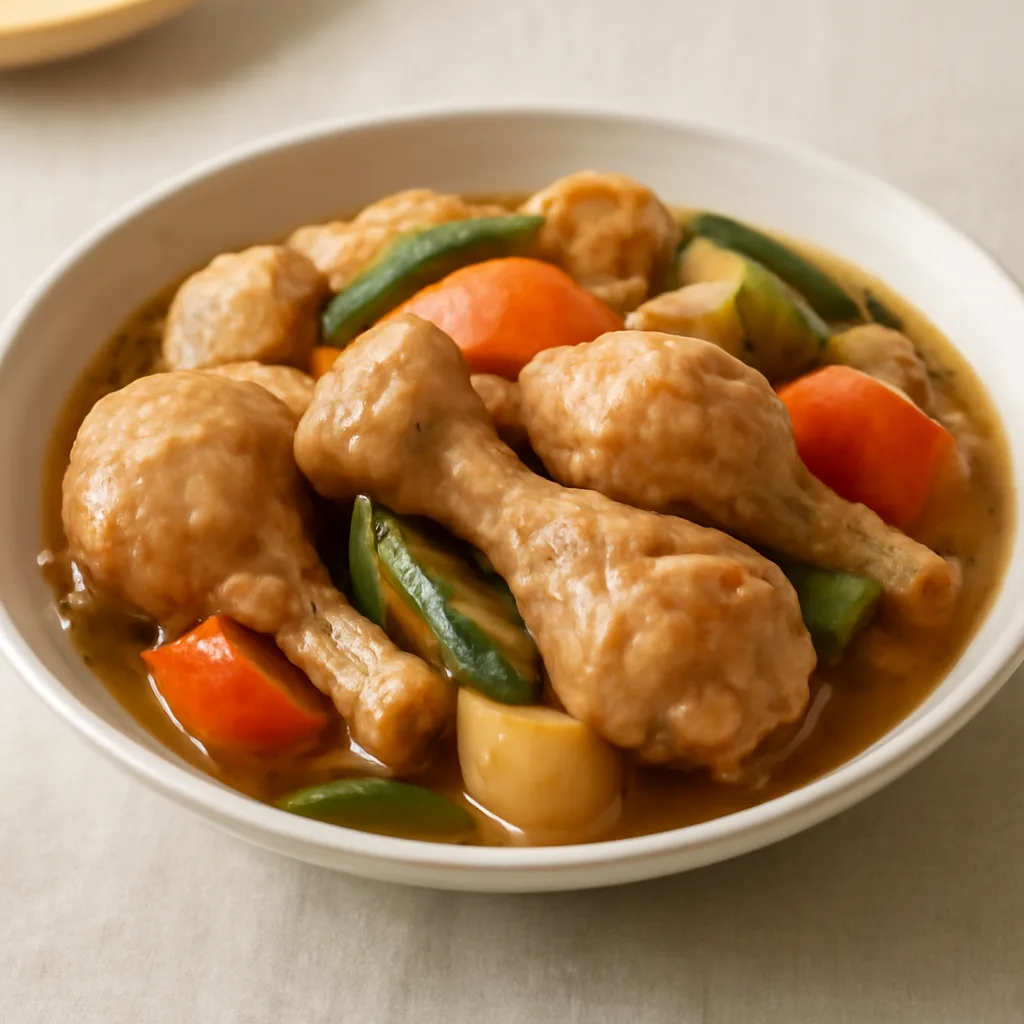
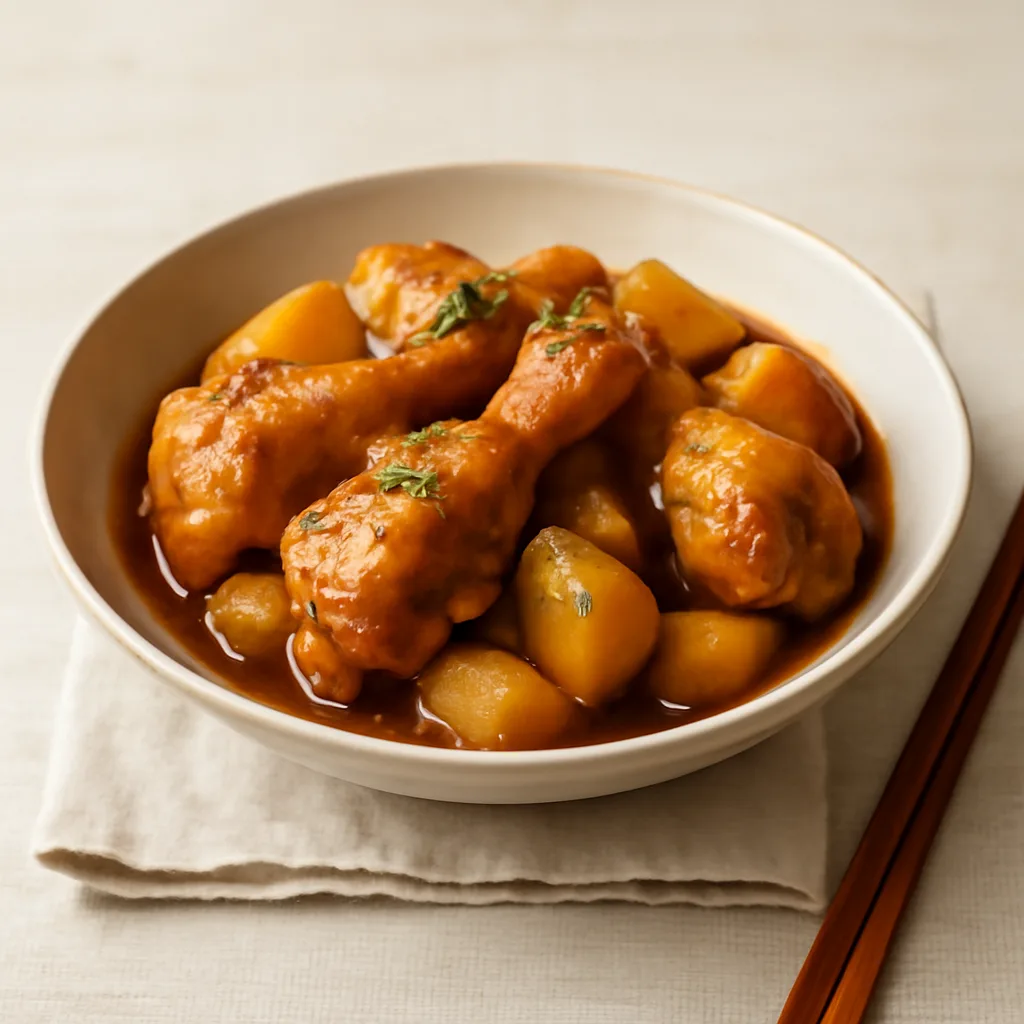
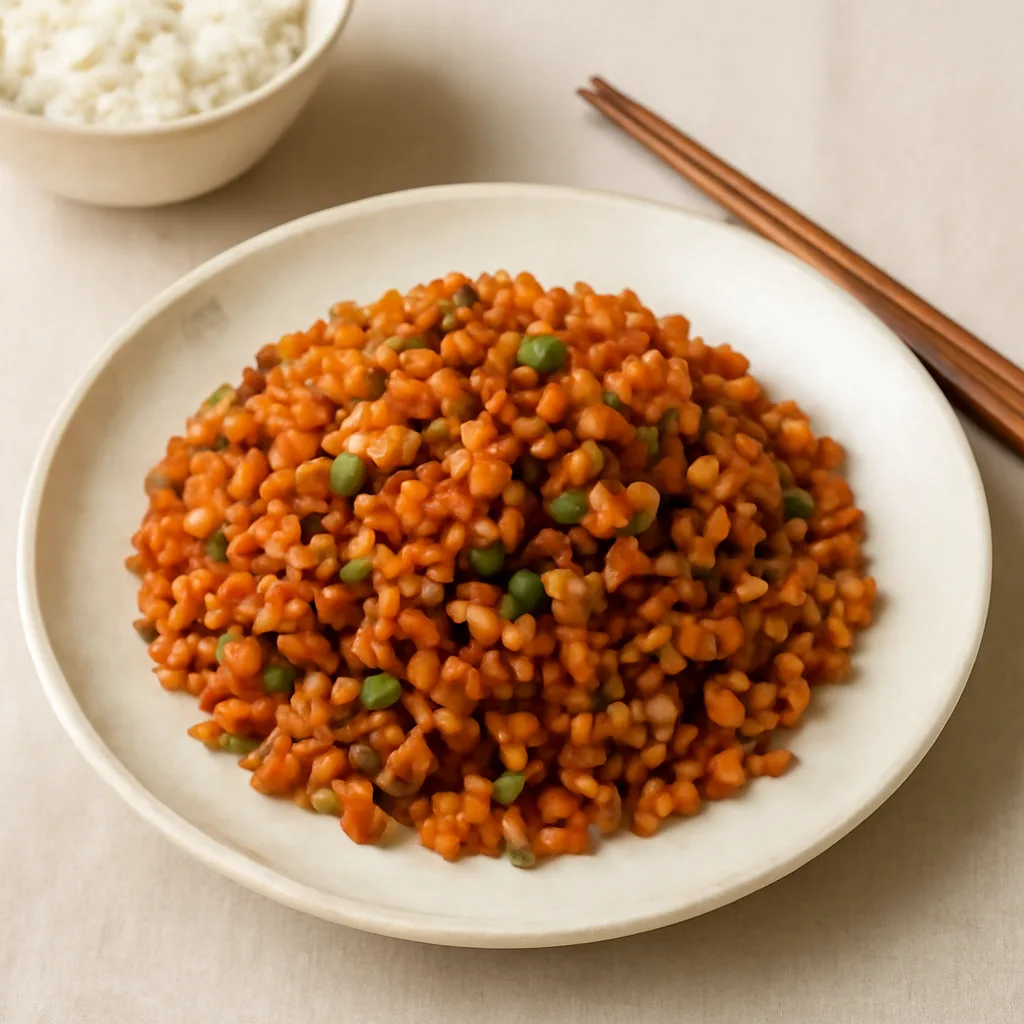
Nous affichons les plats où cet ingrédient est un ingrédient principal, classés par nombre de vues.