Encyclopédie des ingrédients
Découvrez les caractéristiques des ingrédients et comment les utiliser en cuisine.
대구
1
1
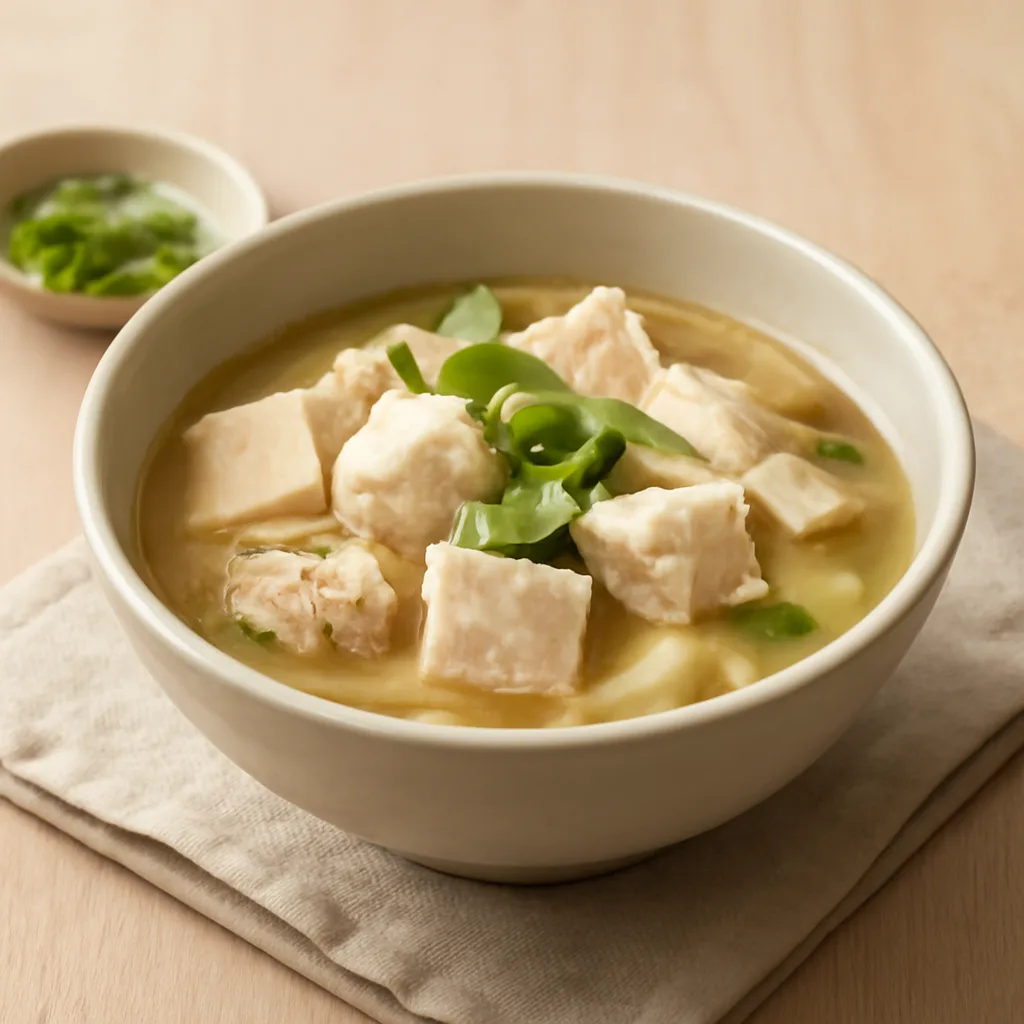
Daegu is a bland white fish with relatively firm flesh that, when cooked, flakes into fibrous strands. It has a mild flavor and readily absorbs seasonings, broths, and aromatics, making it suitable for a wide range of dishes from stews, soups, and braises to grilling and frying. For clear broth dishes, it pairs well with mild ingredients like radish, bean sprouts, and tofu to preserve the fish’s clean flavor. Conversely, it also goes with spicy sauces or tomato/butter-based sauces, but cooking it too long can cause the flesh to break apart and make the broth cloudy and the texture mealy. Both fresh, refrigerated fillets, and frozen fillets can be used, and it’s better to adjust trimming depending on the state. Frozen products should be fully thawed and the released water removed to improve browning when grilling or deep-frying and to prevent the seasonings from becoming too runny.
Goût et texture
The flavor of daegu is mild and delicate, lighter than fattier fish. If any fishy smell is detected, it may be due to water released during thawing or remaining blood, so a quick rinse followed by thorough pat-drying helps ensure better cooking. When heated, the flesh turns white and fibers separate easily along the grain. When cooked to be moist, it’s soft and elastic, but overcooking causes moisture to escape and the flesh to become firm and crumbly.
Principales utilisations
- Add to brothy dishes like daegu-tang or jireu to enhance a clean, light flavor with a clear broth. After adequately cooking the radish first, adding the daegu can prevent the fish meat from becoming too mushy.
- Can be used in spicy braises. For braises with strong sauces, avoid turning the pieces too often as the flesh may tear; a method that bastes the broth as it cooks is more suitable.
- Pan-sear or bake as a main dish. If you want a crisp surface, pat the surface dry before cooking to reduce the steaming effect.
- Battered and fried, for fish and chips-style dishes, fish cakes, etc. Thin fillets cook quickly, so remove before the coating color deepens.
- Finely crushed daegu meat can be used in fish cakes, fish paste fillings, croquettes, etc. However, if the meat is already cooked, over-kneading can make the texture dry and crumbly.
Conseils de préparation
- Thaw frozen daegu slowly in the refrigerator, then discard the water in the package and pat the surface with a paper towel. If the surface is wet, the pan temperature drops and browning won’t occur well.
- If you see remaining scales or bones on the fillet, remove them before cooking. In broth dishes, small bones can be unpleasant to eat, so cut large bones into bite-sized pieces or be mindful when serving.
- Keep the seasoning short for the intended cooking method. For grilling, if you add salt too early, moisture may be drawn out of the surface, so wipe dry again and season right before grilling or cooking.
- Before adding to soup or stew, wipe away surface blood and any slack film to keep the broth relatively clean. Do not rub vigorously as it may damage the flesh; rinse under running water quickly and remove moisture immediately.
- If the fillet thickness is uneven, place the thicker part closest to the pan. Cooking the thin tail portion for the same time will cause it to dry out, so fold to even thickness or remove first as needed.
Caractéristiques lors de la cuisson
- Daegu cooks relatively quickly at high heat, and is done when the center turns opaque white and flakes feel tender when pressed with a fork. Any transparent or jelly-like parts should be cooked a bit longer.
- In pan-searing, avoid moving it frequently from the start. If you flip before the edges become opaque, the flesh may stick or tear; flip once when the edges are opaque using a wide spatula.
- In broth, it’s better to simmer gently and add the fish when the ingredients are mostly cooked rather than boiling vigorously. Aggressive boiling and frequent stirring can break the flesh and cloud the broth.
- When cooking with acidic ingredients or strong seasonings, the flesh remains relatively mild. However, if you add vinegar or lemon juice too early, the surface may feel firmer, so it’s better to adjust acidity at the end.
- In frying, starting at too low oil temperature can cause the coating to soak in oil and become soggy. Maintain a temperature that produces stable bubbles around the piece, and don’t overcrowd the pan.
Combinaisons recommandées
- Mild or moist ingredients like radish, bean sprouts, tofu, zucchini, and potatoes pair well with the light flavor of daegu in stews and soups.
- Garlic, ginger, scallions, watercress, and black pepper are combinations that refine the fish’s aroma without overpowering the meat. Using too much ginger can let spice aroma overpower the delicate daegu flavor, so reduce according to the broth’s character.
- Butter with lemon and herbs can add richness and brightness to grilled daegu. Add lemon juice just before serving to avoid over-tightening the surface.
- In gochujang and gochugaru braises, include vegetables like radish or onion to add sweetness and moisture to soften the spicy seasoning.
Points à considérer lors du remplacement
- If you don’t have daegu, you can use a white-fleshed, relatively mild fish that flakes when cooked. However, because each fish differs in thickness, moisture, and fat, adjust cooking times based on the fish’s opacity and how it flakes.
- For clear broth, relatively firm white-fleshed fish chunks are generally suitable, but using a fatty fish will deepen the broth’s flavor and aroma, giving a different result from daegu-tang.
- Pan-searing or frying can generally use white-fleshed fillets as substitutes. Thin and delicate fillets may dry out or break more quickly than daegu, so reduce cooking time and minimize turning.
- In braising, you can use a firmer white-fleshed fish as a substitute, but if it’s prone to breaking, finish cooking by basting the broth and reduce stirring. The best substitute depends on whether you’re making a broth-based dish, a crispy fried dish, or a seasoned braise.
Ingrédients souvent utilisés ensemble dans les plats réels
Basé sur le nombre d'apparitions simultanées des ingrédients principaux des plats publics enregistrés sur CookPagoda.
Plats contenant cet ingrédient
Nous affichons les plats où cet ingrédient est un ingrédient principal, classés par nombre de vues.