Encyclopédie des ingrédients
Découvrez les caractéristiques des ingrédients et comment les utiliser en cuisine.
튀김가루
1
1
Frying mixture is a powder blend used to coat ingredients with a thin, crispy outer layer. Typically based on flour with starch, leavening agents, and seasonings, it is mixed with water to make a batter or used to coat ingredients directly as a frying crust. It’s convenient for quickly preparing vegetables, seafood, and meat since it can reduce the need for separate seasoning and starch blends. The consistency of the batter and the oil temperature greatly influence the outcome. If the batter is too thin, the coating will slide off; if too thick, it can become heavy and dense. Use the water ratio listed on the package as a starting point, but adjust until the surface of the ingredient is lightly coated and does not flow. Frying mixture is advantageous for crispness and convenience, but for dishes where you want to preserve the delicate natural flavor of the ingredient with a very thin coating, starch or simple flour batter may be more suitable. Since many products are already seasoned, it’s safer to taste and add soy sauce seasoning or salt after frying, to avoid over-seasoning.
Goût et texture
The flavor of the powder itself is generally mild, with a hint of light saltiness or umami. When fried, it yields a nutty aroma, and the surface tends to be crisp with a relatively light texture due to the starch and leavening agents. Crispness decreases as it absorbs moisture over time. Fries with a lot of moisture, such as vegetables or sauces, can become soggy, so for a crisp texture it’s better to serve with sauce immediately after frying.
Principales utilisations
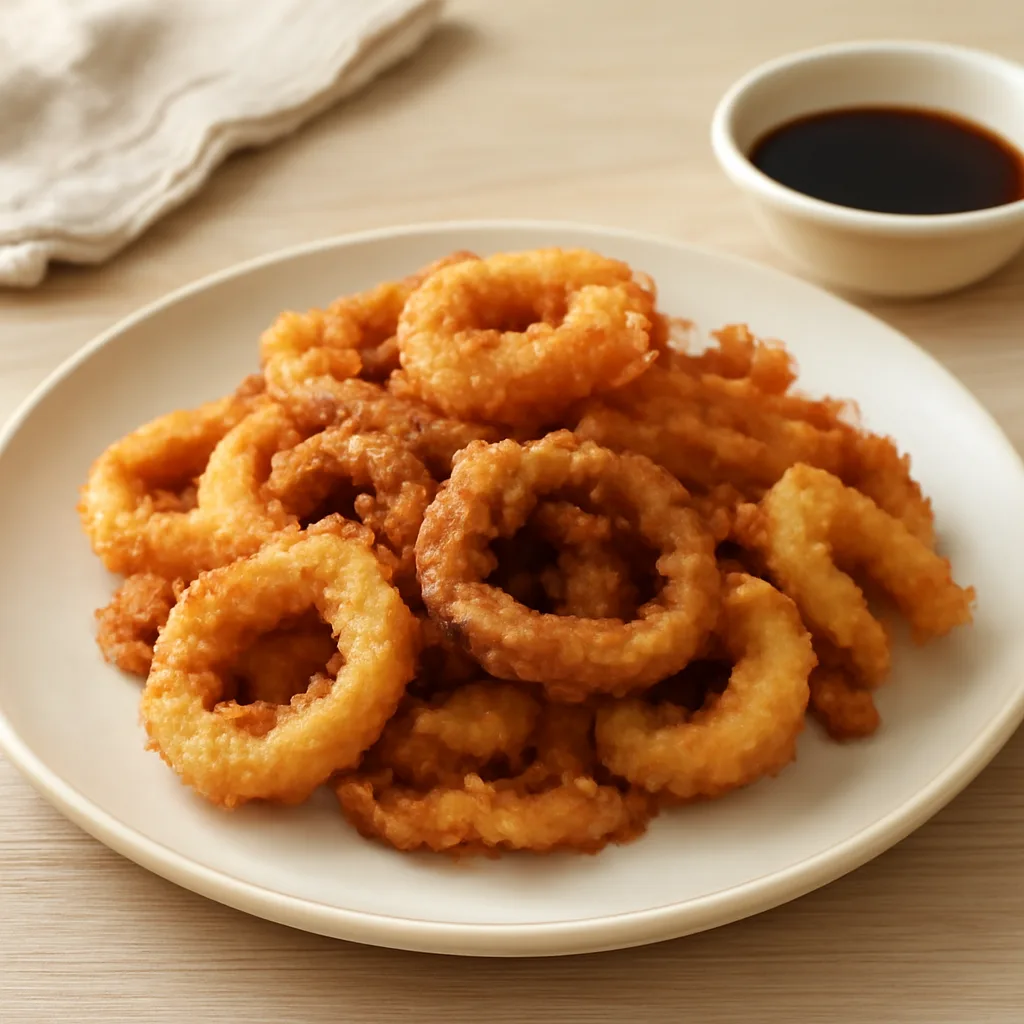
- Zucchini, sweet potato, onion, and mushrooms can be coated in batter and fried to create a crunchy outer shell while trapping moisture from the ingredient. Thick pieces may color too dark before cooking through, so slice thinly or cook at a lower temperature first, then finish crispy.
- Shrimp, squid, and fish, which have smooth surfaces, benefit from first dusting with a thin layer of frying mix before dipping in batter so the coating adheres better. If surface moisture remains, the batter may slide or oil may splatter, so wipe dry before proceeding.
- For thick meats like chicken or pork cutlets, frying batter alone won’t yield a breaded crust like panko. It’s suitable for a light fried coating; if you want a crisper texture, using bread crumbs is more appropriate.
- Some products can be used in a thin batter, but frying mixes are often aimed at a thin, crispy surface. If you want a moist, soft center like traditional tempura, adjust the ratio of ingredients rather than adding water excessively.
Conseils de préparation
- Mix the powder with cold water just before use. A cold batter helps prevent the coating from becoming too tough, and resting after mixing can weaken the expanding or change the thickness.
- Mix just until the powder is barely incorporated. Over-stirring makes the flour components develop, resulting in a firmer, tougher coating, so it’s okay to leave small lumps.
- Pat the ingredients dry with a paper towel, dust lightly with flour, then coat with batter. Skipping this pre-dusting step can cause coatings to come off especially with seafood or mushrooms.
- Do not overcrowd the batter at once. If the batter becomes thin due to moisture from the ingredients, add a little flour or make a new batter to keep the coating thickness consistent.
Caractéristiques lors de la cuisson
- When fried, moisture evaporates from the batter, causing the surface to firm up and color. Bubbles are vigorous at first, then gradually subside; when the surface turns a pale golden, it’s a cue that frying is done, though the interior may need more time depending on the ingredient size.
- If the oil temperature is too low, the batter absorbs more oil, becoming soggy and heavy. If you don’t see much bubbling when added, raise the temperature or fry in batches after restoring temperature.
- Conversely, if the temperature is too high, the exterior browns quickly while the inside remains undercooked. For thick meats or hard root vegetables, fry at a medium temperature, then rest briefly before finishing at a higher temperature to crisp the outside nicely.
- Stacking fried items on a plate traps steam that can soften the coating. After frying, place them on a rack in a single layer to let oil and vapor escape, which helps maintain crispness.
Combinaisons recommandées
- A dipping sauce that combines soy sauce and vinegar can balance the savory and oily notes of the coating. If the product is already seasoned, start with a thin sauce and adjust to taste.
- Shrimp or squid pair well with citrus like lemon, herbs, or mildly spicy seasonings, while sweet potatoes or pumpkins benefit from salty seasoning or a light soy-based sauce to enhance sweetness.
- Adding sauces over fried items that have a lot of moisture can ruin the crispness. If crispness is priority, serve sauce on the side, or add it after the coating has remained crisp.
Points à considérer lors du remplacement
- If you don’t have frying mix, you can mix flour with some starch to create a light coating, seasoning separately. However, results may differ in color, leavening, and flavor from the included leavening and seasoning in frying mix.
- For a thinner and crisper result, increasing the starch proportion can be beneficial, but for thicker ingredients the coating may break or peel easily.
- Even among similar flour products, dipping powders can differ in purpose, salt, and texture, so frying mix is not a perfect substitute. If crispness is the goal, keep the batter cold and reduce water to ensure thickness.
- Breadcrumbs are good for a thick crust like tonkatsu, but they cannot perfectly recreate the light surface of a batter-fried item. Choose substitution based on whether you want a thin fried coating or a coarse breadcrumb texture.
Ingrédients souvent utilisés ensemble dans les plats réels
Basé sur le nombre d'apparitions simultanées des ingrédients principaux des plats publics enregistrés sur CookPagoda.
Plats contenant cet ingrédient
Nous affichons les plats où cet ingrédient est un ingrédient principal, classés par nombre de vues.