สารานุกรมวัตถุดิบ
ตรวจสอบลักษณะของวัตถุดิบและวิธีการใช้งานในอาหาร.
eggplant
1
3
달걀밥? Wait: The content is in English. The instruction says translate every human-readable value to th. sourceLanguageHint=ko is only a hint and must not be treated as authoritative. We should translate to Korean. Preserve JSON structure and array order. Translate naturally as practical cooking guidance. Keep terminology consistent across sections.
รสชาติและเนื้อสัมผัส
Eggplant has a gentle, earthy flavor with a faint bitterness that becomes less noticeable when it is browned, roasted, or cooked with salt, acid, and aromatic ingredients. Its flavor is subtle enough to support bold seasonings without competing with them. The flesh is porous and initially firm, but heat collapses its cell structure and turns it tender. It can become meltingly soft in a braise or stay pleasantly charred at the edges when grilled; excessive oil before the flesh has begun to soften can make it feel heavy because the raw sponge-like flesh absorbs it quickly.
วิธีการใช้งานหลัก
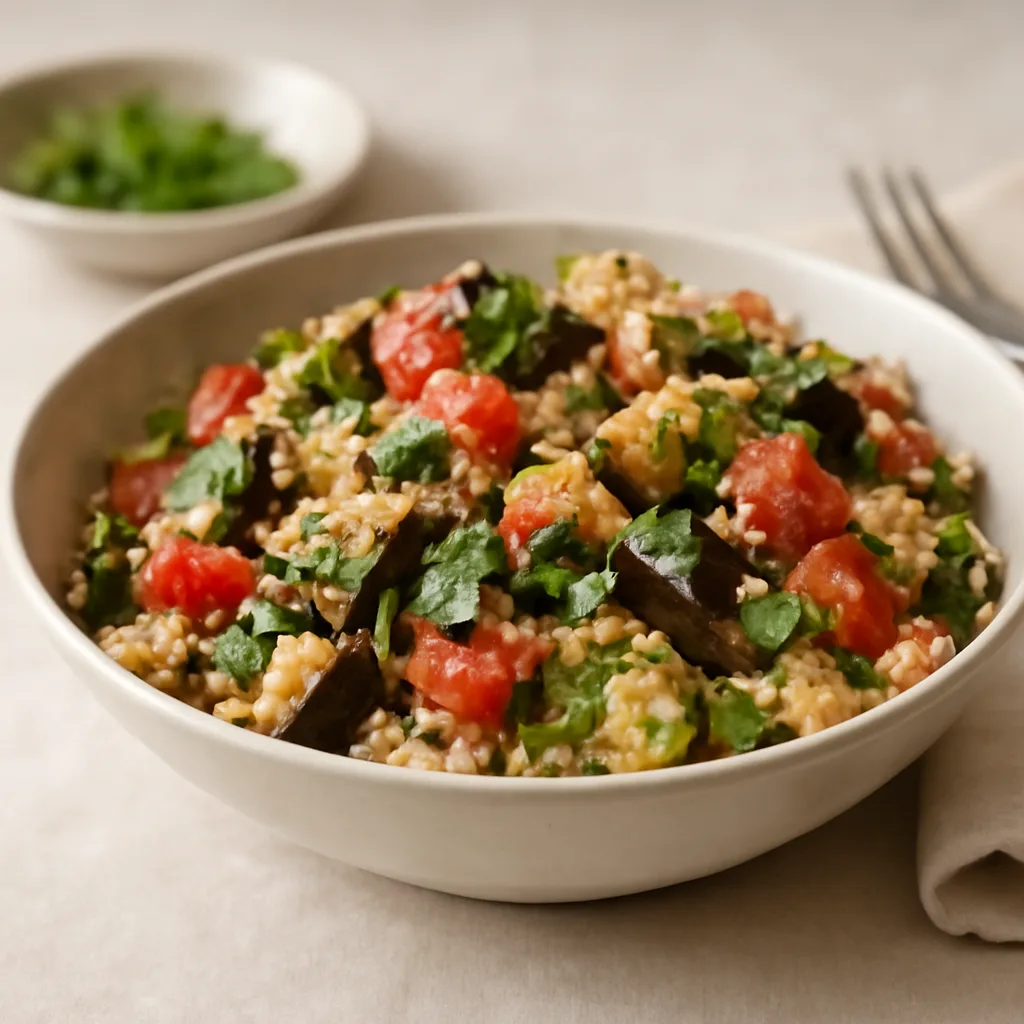
- Roast wedges, rounds, or cubes at high heat for browned edges, then serve them in grain bowls, salads, sandwiches, or as a side dish.
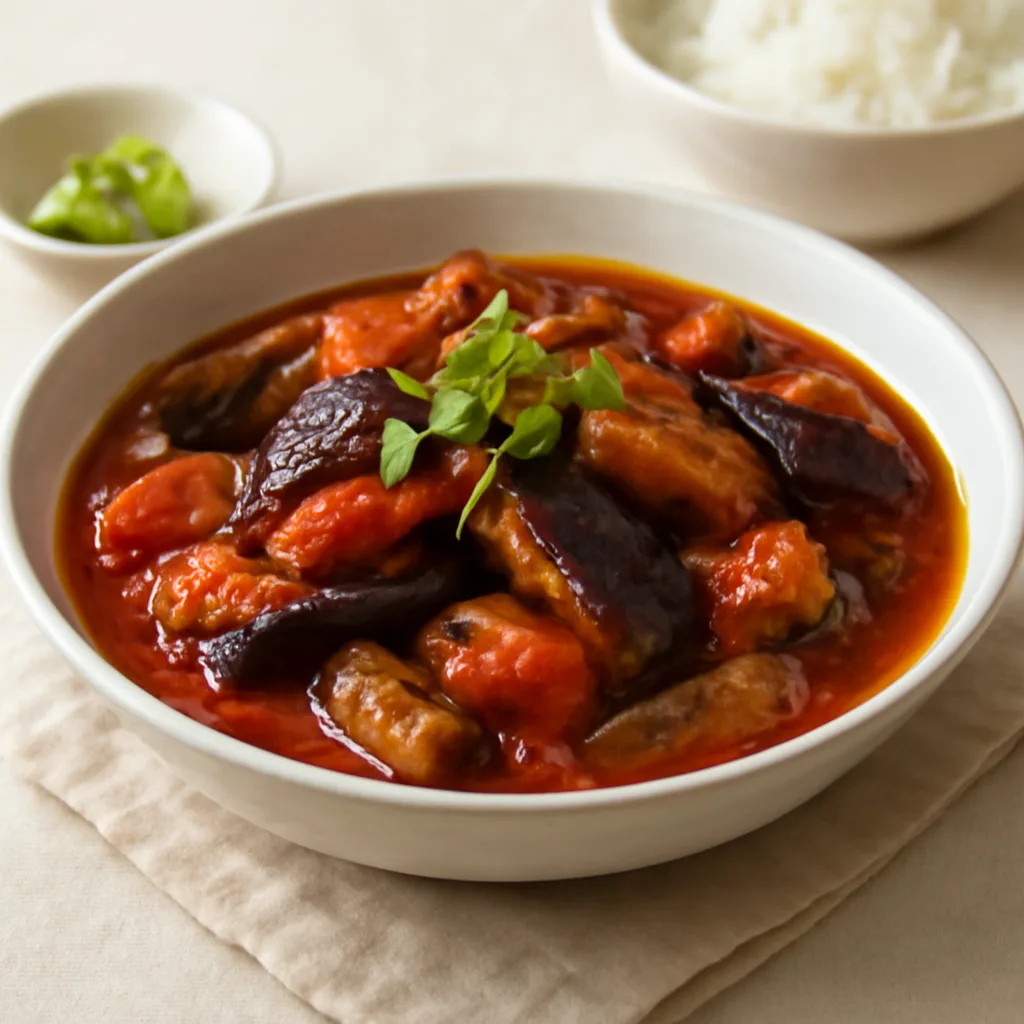
- Add diced eggplant to tomato-based sauces, curries, and vegetable braises, where it softens and absorbs the seasoned liquid.
- Grill or broil thick slices until deeply browned and tender for layered baked dishes, wraps, or simple plates with a sauce.
- Cook or roast eggplant until very soft, then mash or blend it into dips and spreads with garlic, citrus, herbs, or sesame-based seasonings.
- Use halved eggplant as a base for fillings, but cook the cut sides until the center yields easily to a knife before expecting the filling to finish evenly.
เคล็ดลับการเตรียมอาหาร
- Choose eggplants that feel firm for their size with smooth, taut-looking skin; wrinkling or large soft patches can indicate flesh that will cook unevenly.
- Cut pieces to a consistent size so they soften at the same rate. If cubes are browned outside but still firm in the center, make the next batch smaller or give the pan a brief covered finish.
- For frying, grilling, or roasting, salt cut eggplant in advance if it seems especially seedy or bitter, then blot away released moisture. This step is optional for many modern eggplants and is less useful when the pieces will cook for a long time in a saucy braise.
- Brush or toss with oil evenly rather than pouring oil into a cold pan around raw pieces. Eggplant can initially absorb a great deal, but once its surface begins to soften and brown, it needs less added fat.
- Keep the stem end intact when roasting small whole eggplants or halves if it helps them hold their shape; remove it before eating if it is tough.
ลักษณะเมื่อปรุงอาหาร
- Eggplant needs thorough cooking for a creamy result. It is done when a skewer or knife enters with little resistance and the flesh looks collapsed rather than opaque and rigid.
- High dry heat encourages browning and a concentrated flavor, especially when pieces are spaced apart. If a crowded tray produces pale, watery eggplant, divide it between trays or roast in batches so steam can escape.
- In a skillet, eggplant may seem to drink up oil at first. Let it cook until it starts to soften before adding more; if it begins sticking before that point, add a small splash of water, stock, or sauce and cover briefly instead of continuously adding oil.
- In soups and braises, eggplant softens and thickens the surrounding liquid slightly as it breaks down. Add it earlier for a jammy texture, or later and in larger pieces when distinct chunks are preferred.
- Acidic ingredients such as tomatoes or vinegar can brighten a rich eggplant dish, but adding a large amount before the eggplant has softened may slow the impression of tenderness; brown or partially cook it first when a silky texture is the goal.
การจับคู่ที่เข้ากันได้ดี
- Pair eggplant with garlic, onion, ginger, chile, cumin, coriander, smoked paprika, oregano, basil, mint, or parsley; its mild flesh benefits from assertive aromatics.
- Tomato, lemon, vinegar, yogurt-like creamy sauces, tahini, and pomegranate-like tart notes provide acidity or contrast to eggplant's soft, rich texture.
- Use savory ingredients such as soy sauce, miso, cheese, mushrooms, olives, or toasted nuts to give depth, particularly in simple roasted preparations.
- For grilled eggplant, finish with a bright sauce or fresh herbs; without an acidic or fresh element, deeply browned pieces can taste pleasantly smoky but somewhat heavy.
ข้อควรพิจารณาเมื่อใช้แทนที่
- Zucchini can replace eggplant in sautés, grills, and mixed vegetable dishes, but it releases more water and remains less creamy; cook it in a wider pan and reduce added liquid if the dish should stay thick.
- Portobello mushrooms are useful in grilled or roasted dishes when a savory, meaty bite matters more than eggplant's silky texture. They are not an ideal replacement for blended dips because they do not break down in the same smooth way.
- For curries and braises, firm tofu or squash can stand in depending on the desired result: tofu carries seasoning but stays structured, while squash becomes soft and sweet. Adjust the seasoning because neither has eggplant's faint bitterness.
- In layered baked dishes, zucchini slices are often the most practical substitute, though salting or pre-roasting them helps prevent excess moisture. No substitute will exactly reproduce eggplant's combination of absorbency and creamy cooked flesh.
วัตถุดิบที่มักใช้ร่วมกันในอาหารจริง
สถิติจากจำนวนการปรากฏของวัตถุดิบหลักในอาหารที่เปิดเผยใน CookPagoda.
อาหารที่ใช้วัตถุดิบนี้
แสดงอาหารที่มีวัตถุดิบนี้เป็นวัตถุดิบหลักใน CookPagoda ตามลำดับการเข้าชม.