Bách khoa toàn thư về nguyên liệu
Tìm hiểu đặc điểm của nguyên liệu và cách sử dụng trong nấu ăn.
Trứng
34
55
Eggs are a basic ingredient where the whites and yolks play different roles, used widely from solo dishes to dough, sauces, and soups. The whites set when heated to create shape, and the yolks add fat and viscosity to softly bind ingredients. When enjoying the egg itself, like fried, scrambled, or boiled eggs, it’s more important to match the desired doneness than freshness. On the other hand, when used with other ingredients such as in pancakes, tempura batter, custards, or mayonnaise, the results vary greatly depending on whether you use the whites and yolks together or separately. Eggs can become tough or dry if cooked at high heat for too long, so for a soft texture it’s advantageous to cook slowly over medium-low heat. However, for crispy edges in fries or for hard-boiled toppings, this method may not be suitable, so adjust heat and time to the用途.
Hương vị và kết cấu
Eggs have a relatively mild, savory flavor; the yolks feel rich and creamy, while the whites have a bland and elastic texture. This is why eggs pair well with milder seasonings like salt, soy sauce, or butter, because the egg’s flavor tends to support rather than cover the ingredients. Soft-cooked yolks flow like sauce and add moisture, while fully cooked whites are firm and chewy. If you feel a rubbery texture in cooked eggs, it’s likely the heat was too high or the cooking time too long, so next time lower the heat or finish with residual warmth.
Cách sử dụng chính
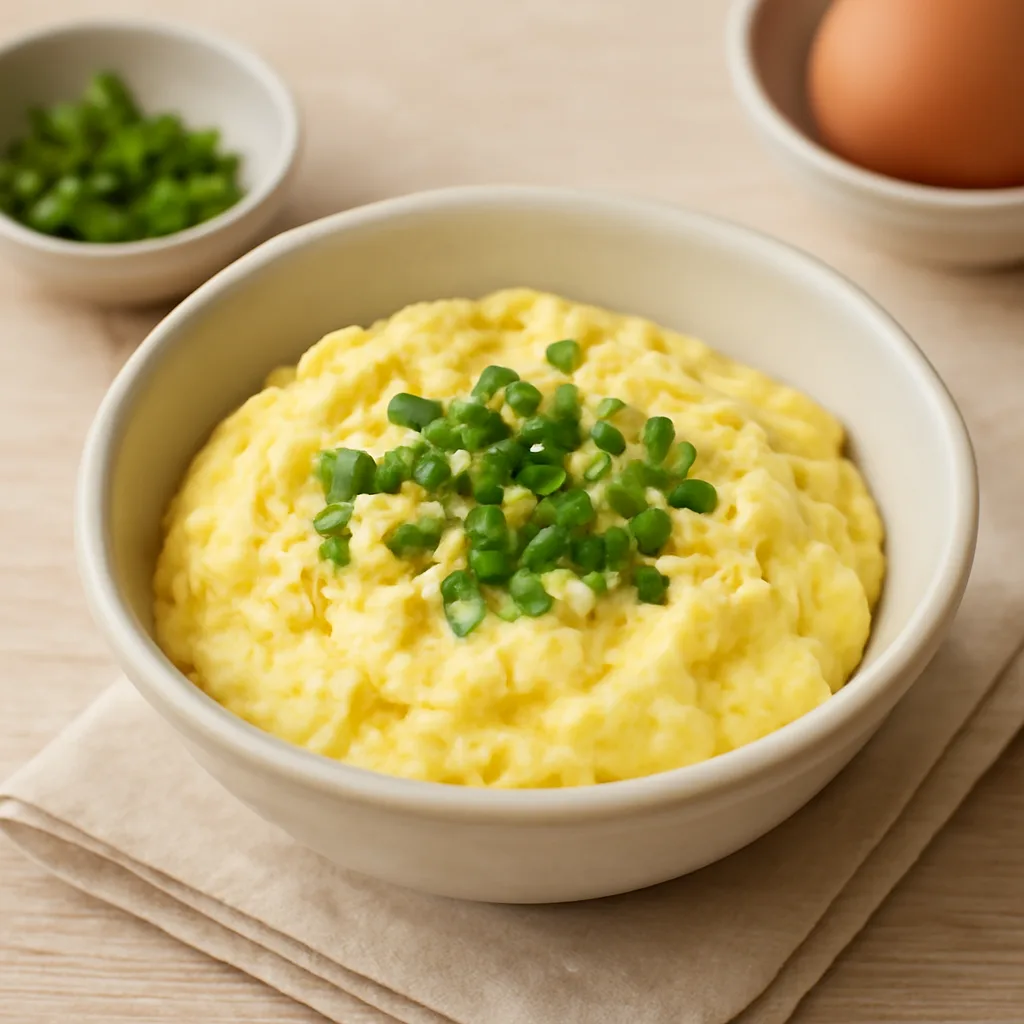
- Fried, scrambled, omelet, steamed egg, or hard-boiled eggs as a main component or accompaniment for a meal.
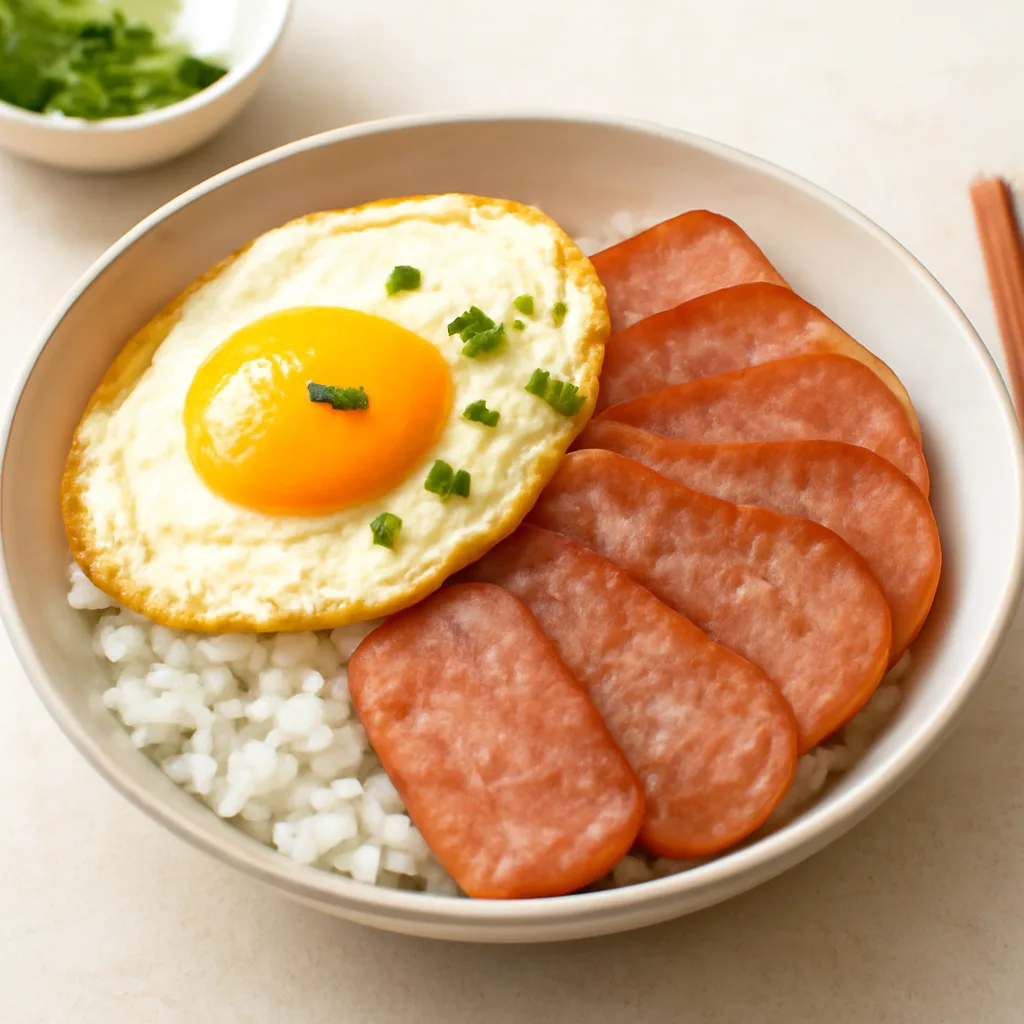
- In soups, ramen, fried rice, or bowls, beat into dishes to form soft chunks, or top with a soft-centered fried egg so the yolk spreads like a sauce.
- In pancakes or tempura batter, eggs help bind and add a desirable golden color and savory aroma.
- In bread, cake, and pancake batters, eggs help bind and provide structure. However, in doughs with a high egg content, reducing it arbitrarily can change volume and moisture.
- Used in dishes like mayonnaise, custard, and cream pasta sauces to utilize the yolk’s viscosity and emulsification properties.
Mẹo chế biến
- Check for visible impurities on the surface before cracking the shell, and crack into a small bowl first to easily pick out shell pieces or check quality.
- When scrambling or making an omelet, beat whites and yolks until uniform, but don’t whisk too long or too vigorously. Too much foaming can make the surface look watery as it cooks.
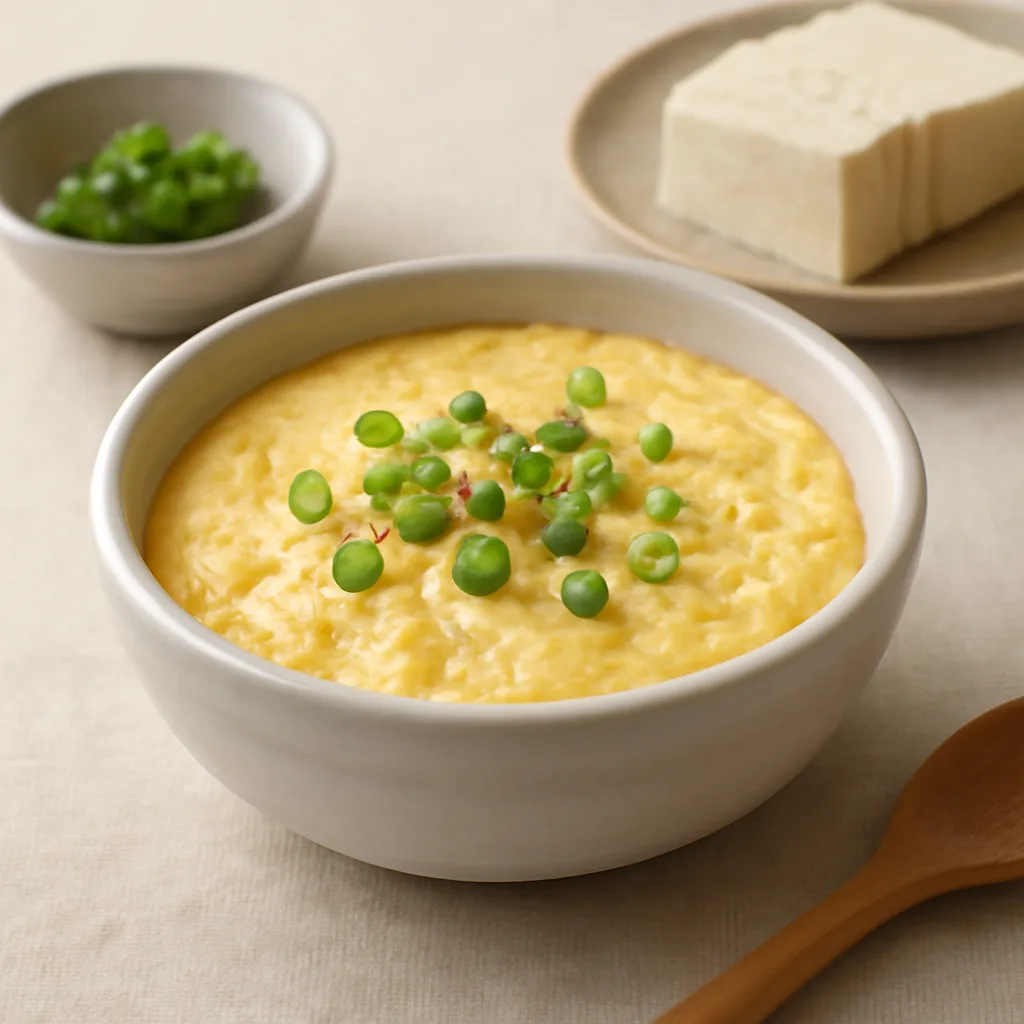
- When making soft egg custards or custards, strain through a sieve if the film annoys you, and if there are many bubbles, let it sit briefly before cooking to create a smoother surface.
- Boiled eggs: if shells crack easily when dropped into boiling water, keep the boil gentle and add eggs carefully. Eggs that are already cracked may leak whites during boiling, so use them for other purposes.
- For eggs to be added to fried rice or stir-fries, season with a light salt first so the seasoning distributes evenly. If you’ll add soy sauce or other seasonings later, avoid oversalting from the start.
Đặc điểm khi nấu ăn
- Egg proteins set when heated, remaining moist and soft at low heat, becoming firm and elastic with strong heat and longer cooking.
- When making scrambled eggs in a pan, if the edges brown quickly and release a lot of moisture, the heat may be high. Remove the pan from heat briefly and fold gently to reduce overcooking.
- Custards or egg custards may puff or form holes if directly exposed to strong heat. If small bubbles or cracks appear, lower the heat next time or use gentler heat like a bain-marie.
- yolks add gloss and body to sauces thanks to fat, but excessive heat can cause particles to clump and become gritty. For cream pasta or egg sauces, it is better to stir in the residual heat after turning off the heat.
- When whipping whites for a dish, if oil or yolk mixes in, it weakens foam formation. For stiff meringue-based doughs, keep tools and bowls clean and dry.
Sự kết hợp phù hợp
- Salt, pepper, butter, and cheese accentuate the egg’s savoriness, while herbs like scallions, onions, or chives add aroma and a touch of sweetness to the mild flavor.
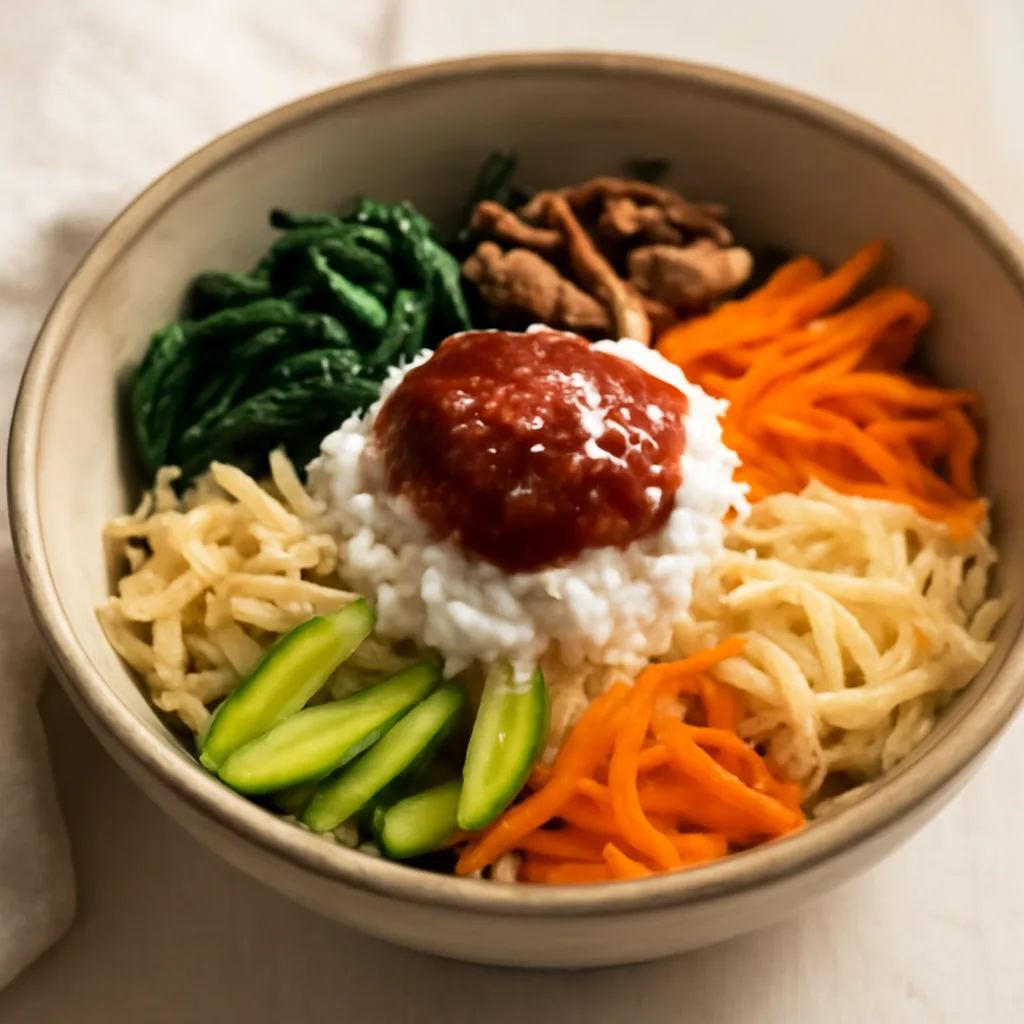
- Soy sauce, sesame oil, and seaweed pair naturally with rice dishes, and soft-cooked yolk softly binds the seasoning for bibimbap or donburi.
- When cooking with watery vegetables like tomatoes, spinach, or mushrooms, drain some moisture before adding eggs to reduce thinning.
- When using spicy sauces or strong aromas, eggs can mellow flavors, but if you want a dish with a bold aroma, don’t increase the egg amount too much.
Điểm cần lưu ý khi thay thế
- For dishes where eggs mainly bind, substitutions like starch mixtures, flour dough, or mashed potatoes can work to some extent, but texture differences remain for crispiness and heft.
- Eggs participate in moisture, fat, leavening, and structure in dough, so substitutes depend on the dish type (bread, cake, pancake). Light cakes rely on foaming, which is hard to mimic with simple moisture alone.
- Creamy textures from yolk-based sauces can be approximated with combinations like cream, milk and starch, or soft tofu, but emulsification and flavor will differ.
- For dishes where eggs are central like fried or boiled eggs, there is no exact replacement. If you need similar fullness or savoriness, consider reworking the recipe with tofu, mushrooms, or cheese.
Nguyên liệu thường được sử dụng cùng nhau trong món ăn thực tế
Dựa trên số lần xuất hiện đồng thời của nguyên liệu đại diện trong các món ăn công khai đã đăng ký trên CookPagoda.
Món ăn sử dụng nguyên liệu này
Chúng tôi sẽ hiển thị các món ăn có nguyên liệu này là nguyên liệu chính theo thứ tự lượt xem.