Bách khoa toàn thư về nguyên liệu
Tìm hiểu đặc điểm của nguyên liệu và cách sử dụng trong nấu ăn.
Cà rốt
9
16
Carrots are a root vegetable that add sweetness and bright color; when raw they keep a crisp texture, and when cooked they become soft and sweet. Their role varies greatly depending on how you handle moisture and heat, such as in soups, stir-fries, braises, and salads. If sliced thin, they cook quickly and blend well with other ingredients; if cut into larger pieces, they maintain shape and are suitable for steaming, curry, and stews. However, pieces that are too large can have a soft exterior with a hard interior, so size should be adjusted to match cooking time. Carrots, like onions and celery, can form the base flavors for a dish when cooked with strong-flavored vegetables, and can add color and subtle sweetness to eggs or meat dishes. They are useful in dishes needing sweetness, but in sauces that are already very sweet, adding a lot can make the overall flavor feel heavy and sweet.
Hương vị và kết cấu
Raw carrots are firm and crunchy when bitten, with a fresh earthy scent and a subtle sweetness. Carrots with a thick, hard center can be especially noticeable in texture when julienned. When heated, the tissue softens and the sweetness becomes more pronounced. When sautéed or roasted, the edges turn brown and a nutty flavor develops, but prolonged boiling reduces the contrast of aroma and texture.
Cách sử dụng chính
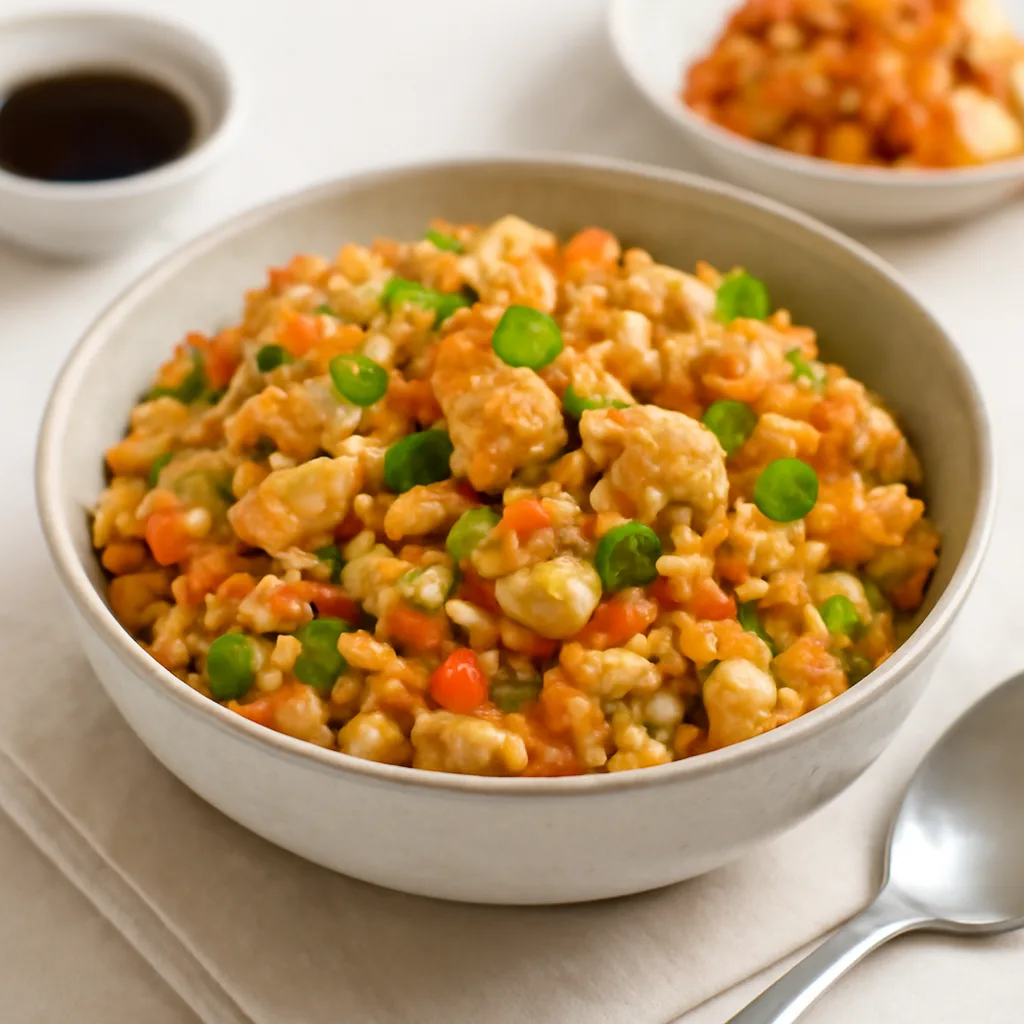
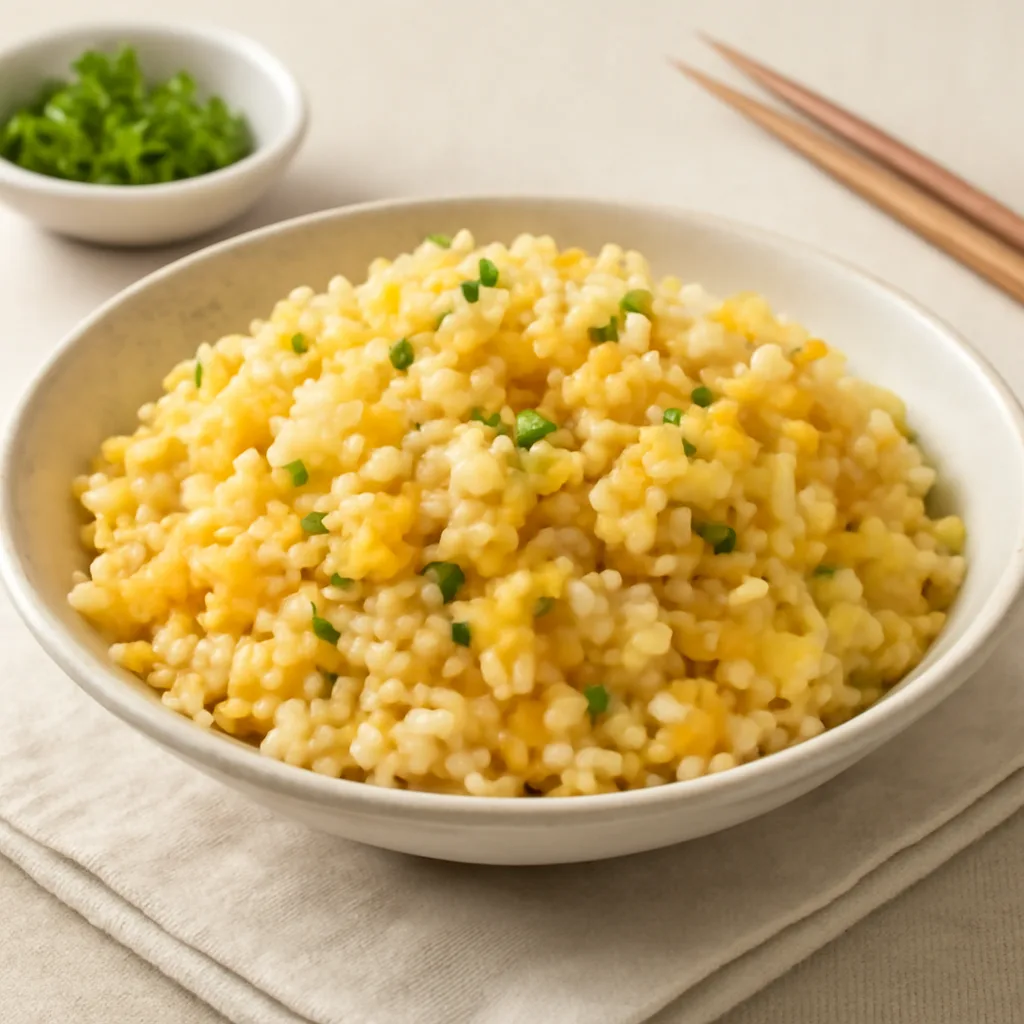
- Chopped carrots, sautéed with onions and celery as the base for soups, sauces, curries, and fried rice. Start on high heat; if the edges burn quickly, they can develop a bitter taste, so flavor them first and then cook over medium heat to completion.
- Shredded carrots add color and crispness to salads, bibimbap, gimbap, and namul. If the raw taste is too strong, briefly salt and drain or blanch before use.
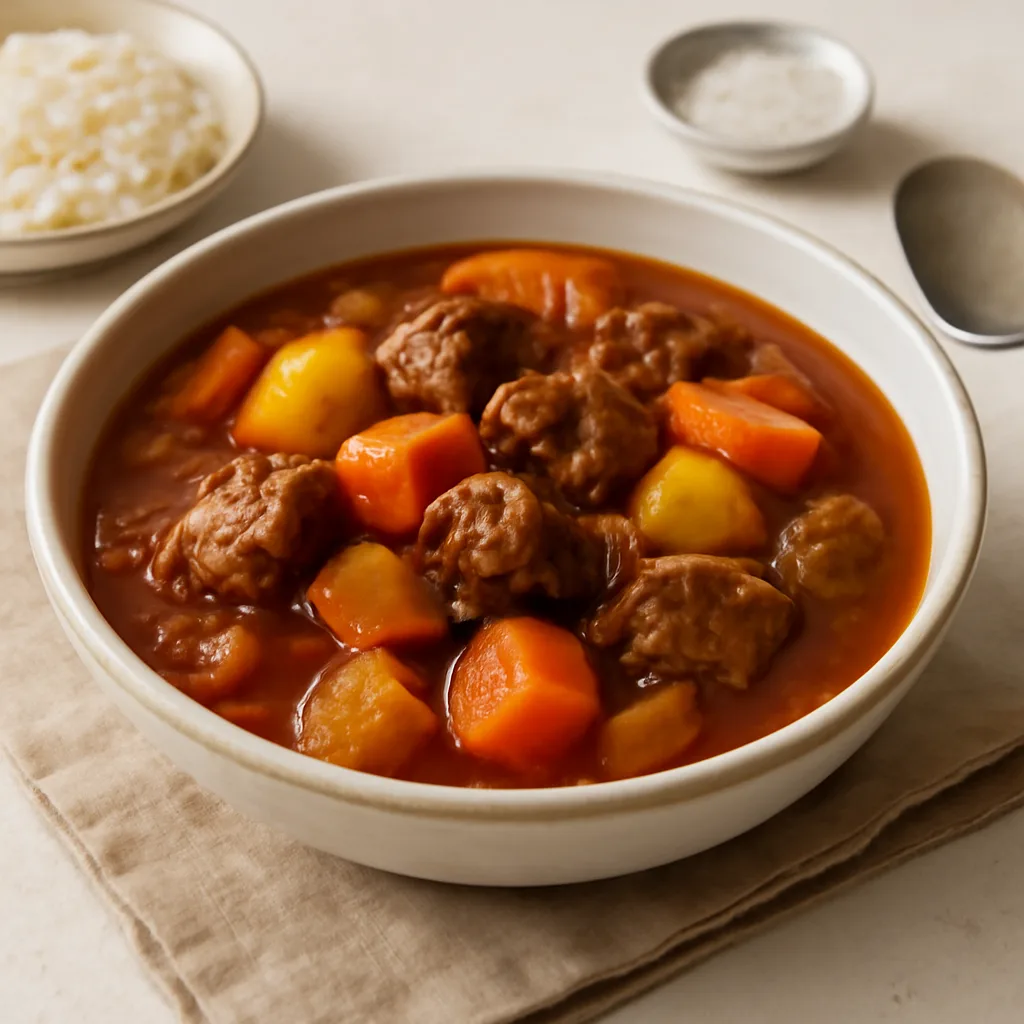
- Large carrot chunks can be used in curries, stews, braises to provide soft chunks. When cooking with potatoes, add the carrots first if they are firmer; add thinly sliced carrots later to avoid them becoming too mushy.
- Grated or finely chopped carrots mix well into flatbreads, meatballs, vegetable patties, and doughs. If too much moisture is released, the batter may be runny, so reduce the amount grated or adjust moisture in other ingredients.
Mẹo chế biến
- Rinse under running water to wash away soil and impurities, and trim the stems or rough parts as needed. If the skin is smooth and clean, there is no need to peel thickly, but remove rough or damaged areas for even texture.
- Uneven carrot thickness means differing cooking speeds. For stir-fries or soups, cut to similar thickness, and prioritize even size over decorative shaping for even doneness.
- Salad carrots can dry out if cut too far ahead; cover to prevent drying and dress just before serving.
- When braising or roasting, pat dry the carrot surfaces. Excess moisture lowers pan temperature and prolongs browning time, so dry surfaces help develop brown flavors more quickly.
Đặc điểm khi nấu ăn
- When heated, the firm tissue softens and the sweetness becomes more evident. If a fork goes in easily to the center, they are cooked; if you want to keep shape in soups, turn off the heat just before this point.
- Sautéing with oil blends the carrot flavors with the fat and creates a nutty surface; if the pan browns too quickly, lower the heat or add a small amount of water or stock to cook through.
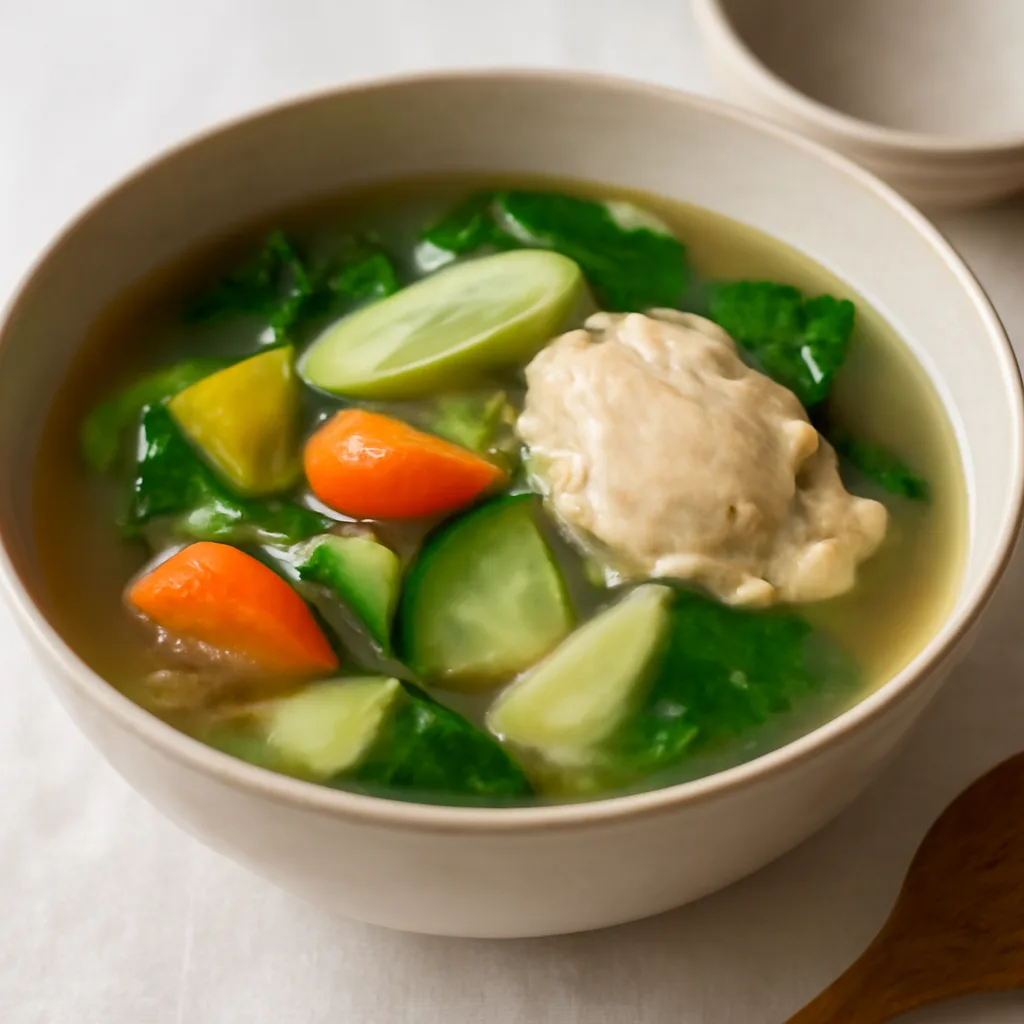
- Simmering in water or broth allows the carrot sweetness to permeate the liquid, rounding the overall flavor. To keep a clear broth, don't boil too long; lift out when tender or reduce the heat.
- Roasting in the oven or on a pan reduces moisture and concentrates sweetness and roasted aroma; small pieces can dry out and toughen quickly, so thin pieces roast quickly at high heat or flip midway.
Sự kết hợp phù hợp
- Using onions, garlic, celery, and scallions with carrots softens their sweetness and makes a good base for soups, stir-fries, and broths.
- Fats like butter, olive oil, or sesame oil enhance the tender, savory notes of cooked carrots. However, strong oils like sesame oil can mask the fresh carrot brightness, so use sparingly in salads.
- Citrus juice, vinegar, and yogurt bring acidity that balances carrot sweetness and suit salads or roasted carrots; if the dish is already pickled or highly acidic, adjust acidity to preserve the carrot sweetness.
- Pairings with beef, chicken, chickpeas, or lentils help balance the soft sweetness with rich flavors. They also help balance heat from chili or spices, though they do not replace heat.
Điểm cần lưu ý khi thay thế
- For a softer sweetness and chunk texture in soups, curries, or stews, substitute parsnips, pumpkin, or sweet potatoes as appropriate. Note that sweet potatoes and pumpkins soften faster and can be sweeter, so adjust quantity and timing when substituting.
- To replace color and crunch in raw dishes or salads, consider radish, kohlrabi, or bell pepper. These will differ in sweetness and bite, so add some fruit or sweeter ingredients to dressings if needed.
- In fried rice or ground beef dishes, small carrot pieces can be replaced with zucchini, bell pepper, or onion, but moisture and cooking time vary. When using zucchini, the pan may become watery, so stir-fry quickly on high heat to dry moisture; add bell pepper at the end if color is needed.
- In recipes where carrots are a main ingredient (roasting, carrot braise, or carrot soup), substitutes can significantly alter result. Even with similar root vegetables, you will need to adjust sweetness, color, and cooking time, so a one-to-one swap is not straightforward.
Nguyên liệu thường được sử dụng cùng nhau trong món ăn thực tế
Dựa trên số lần xuất hiện đồng thời của nguyên liệu đại diện trong các món ăn công khai đã đăng ký trên CookPagoda.
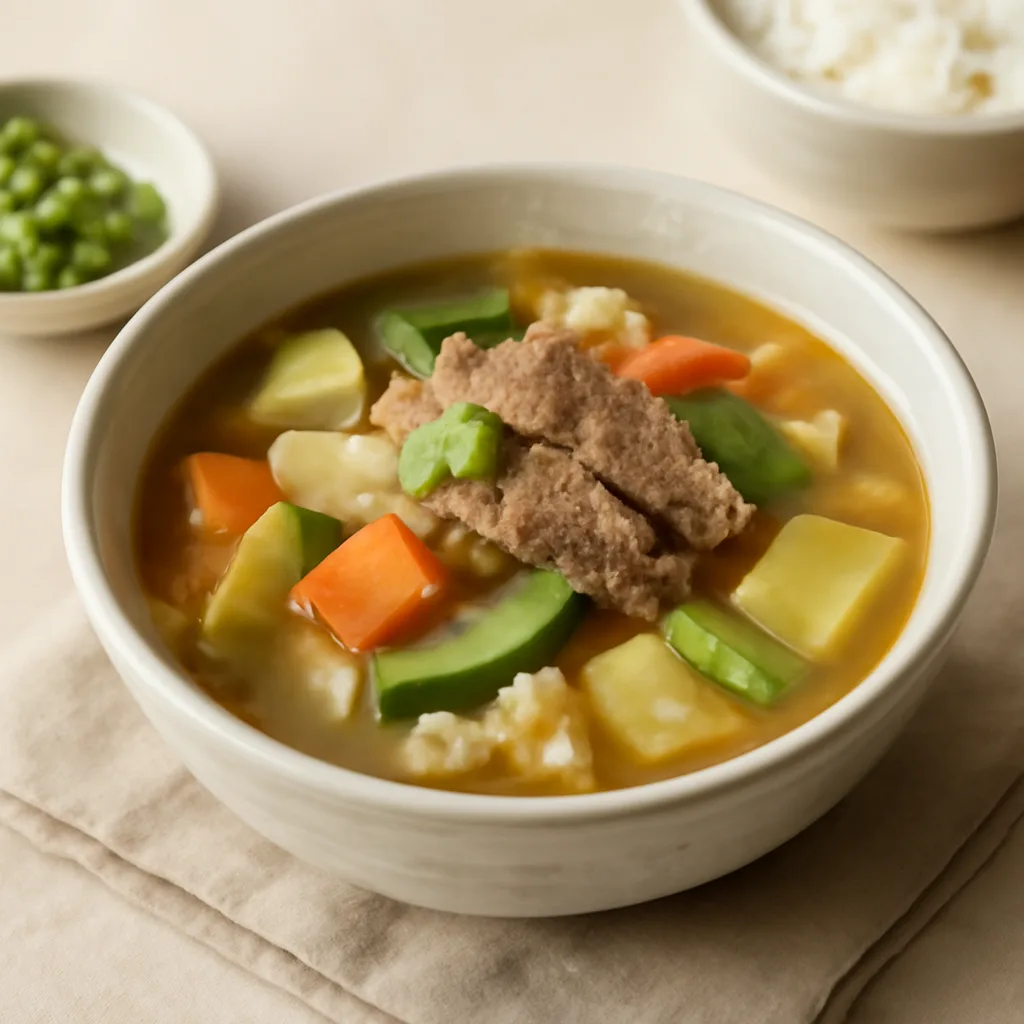
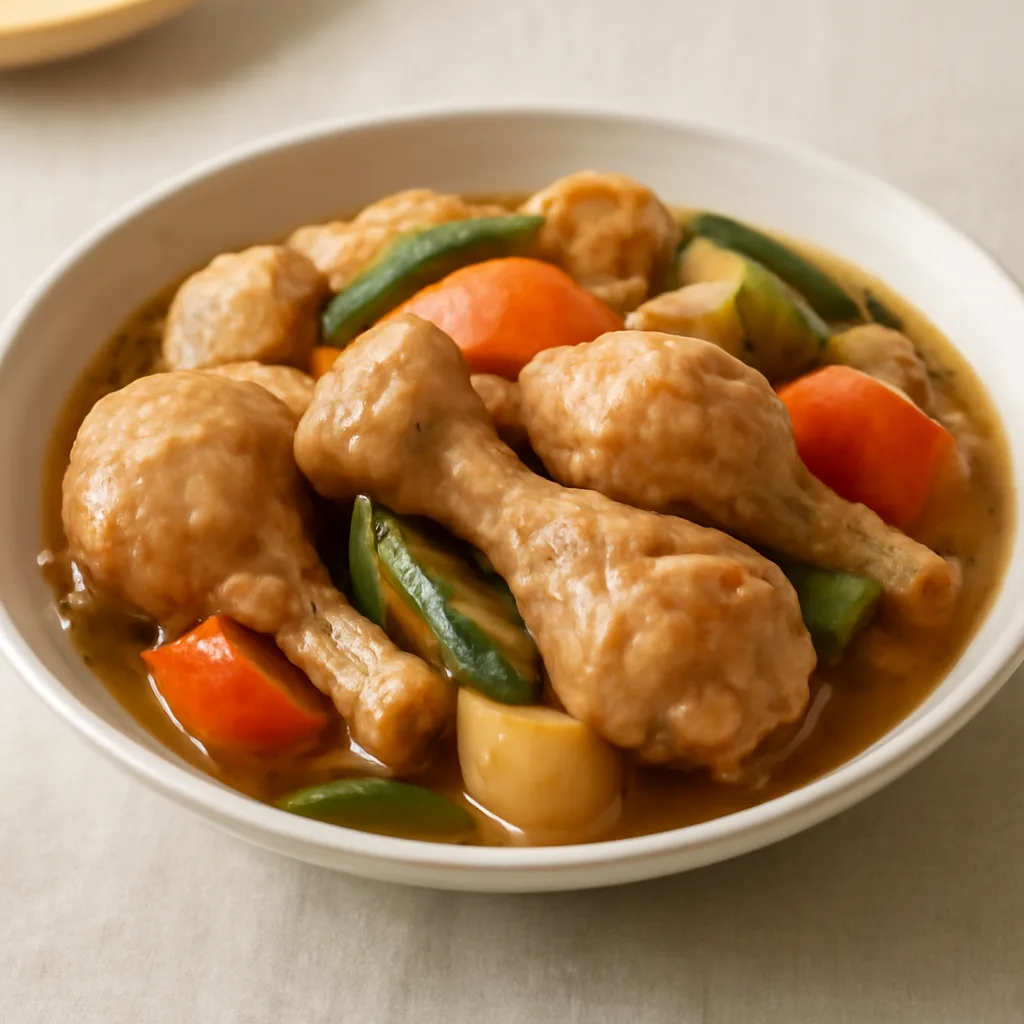
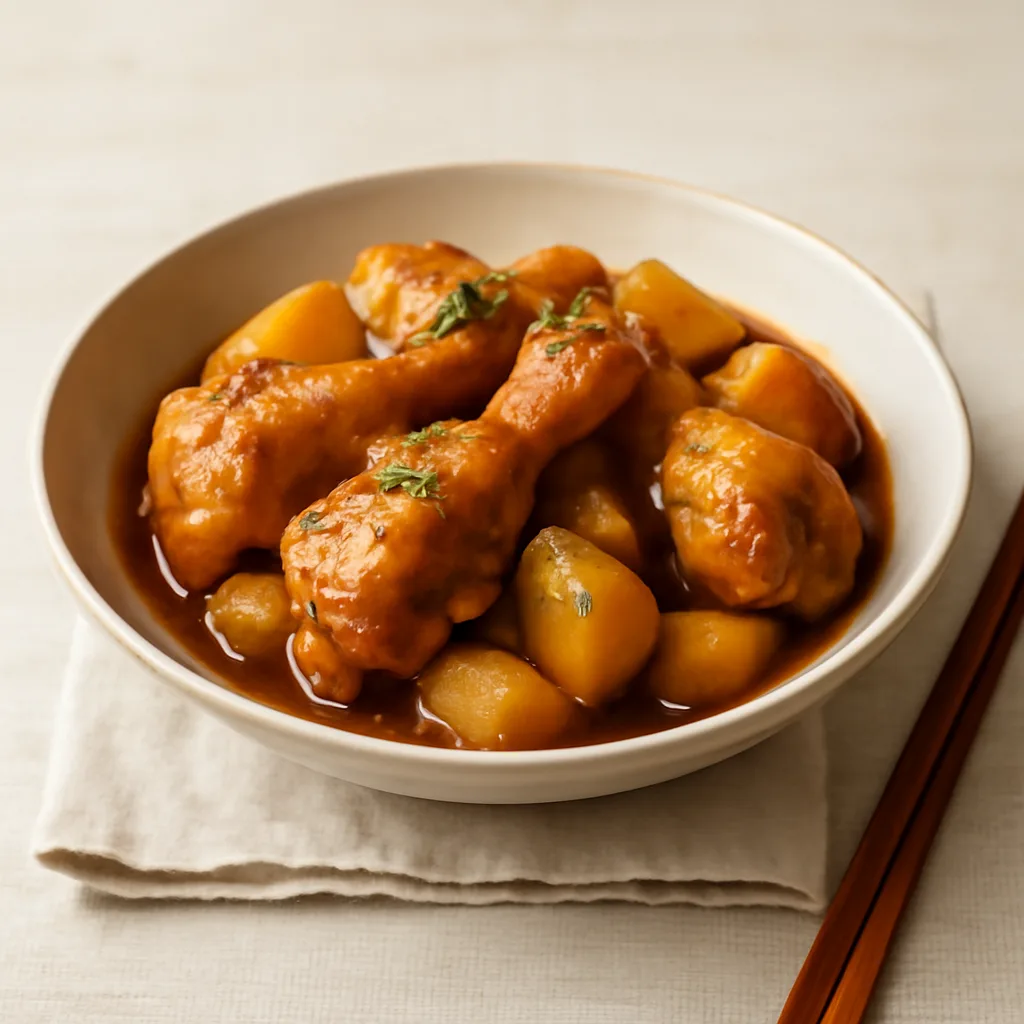
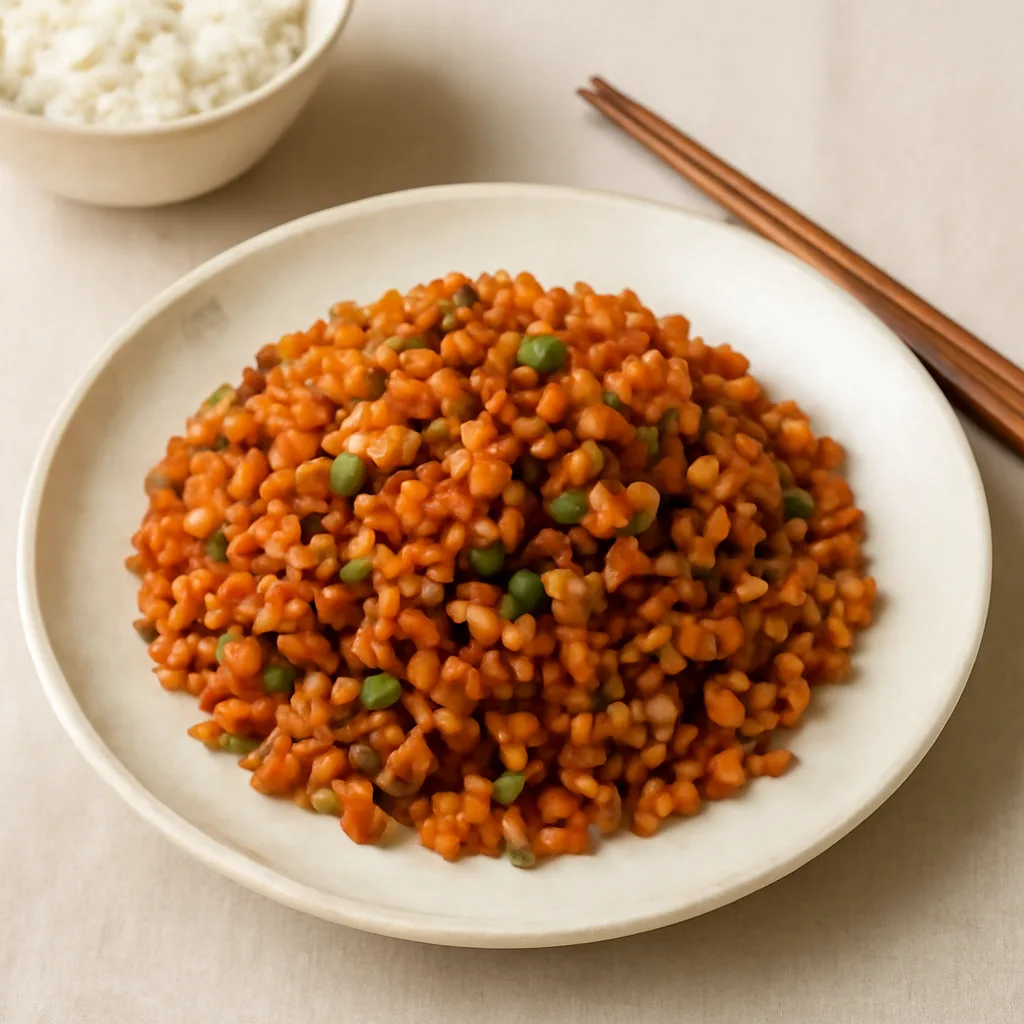
Món ăn sử dụng nguyên liệu này
Chúng tôi sẽ hiển thị các món ăn có nguyên liệu này là nguyên liệu chính theo thứ tự lượt xem.