Bách khoa toàn thư về nguyên liệu
Tìm hiểu đặc điểm của nguyên liệu và cách sử dụng trong nấu ăn.
남은 밥
1
2
Remaining rice as an ingredient to repurpose already cooked rice into the next dish, particularly good for fried rice, porridge, onigiri, and rice pancakes. The surface moisture is reduced compared to freshly cooked rice, and the grains separate more easily, making it convenient for high-heat quick frying. If the grains are too dry or hard, it’s better to loosen them a bit with a small amount of water or stock before frying. Conversely, if the rice is too sticky and clumpy, spread it out to loosen the clusters so the seasoning can coat evenly. Depending on the state of the leftover rice, decide whether to add water or vent moisture; that is the key.
Hương vị và kết cấu
The flavor of leftover rice itself is mild, and its texture varies with the type of rice and the water amount used when initially cooking. As it cools, starches set and it can feel firmer and drier than freshly cooked rice.Separated grains cook to a fluffy, granular texture, while sticky rice is more suitable for dishes that need to clump like porridge or onigiri. If left too dry and fried for too long, the outer surface can become hard.
Cách sử dụng chính
- Fried rice benefits from leftover rice with separated grains. If vegetables or meat are sautéed first to release some moisture, then add the rice and fry briefly to reduce sogginess.
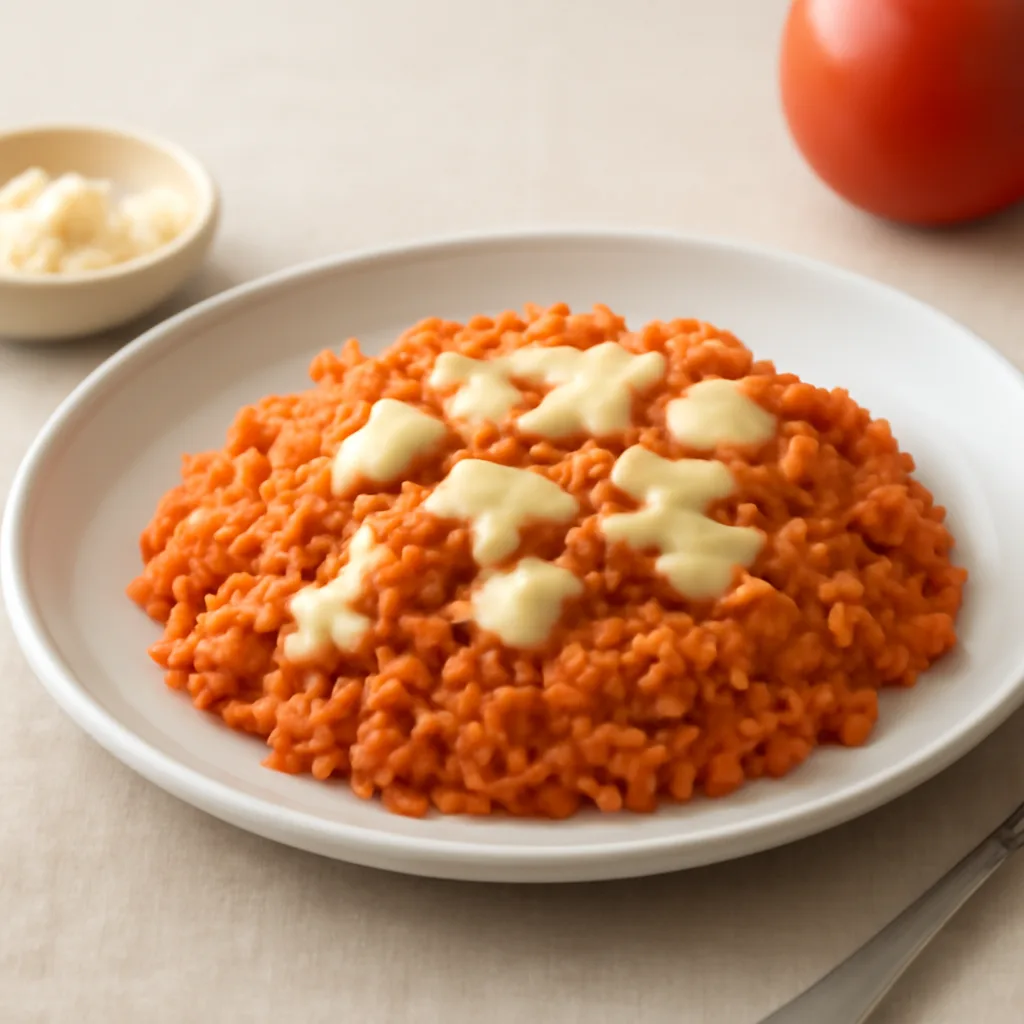
- For porridge or risotto-like rice dishes, cook the firmer rice with broth or water. The grains loosen and thicken the mixture, so starting with a large amount of rice can make it overly thick.
- Can also be used for onigiri and sushi fillings. If the rice is cold and firm, slightly warm it to make it more pliable and mix in seasonings for better shaping.
- For rice pancakes or rice burgers where the ingredients are molded and grilled, sticky leftover rice is advantageous. If the grains spread too much, use binding ingredients like eggs, cheese, or mashed fillings to help hold them together.
Mẹo chế biến
- Check the aroma and surface condition of the rice before use, and loosen any clumps with your hand or a spatula. Forcing hard clumps to break apart can mash the grains and make fried rice sticky, so if needed, briefly warm to make it easier to loosen.
- If making fried rice, spread the rice on a wide plate or tray so the grains separate. If the surface looks very moist, let it sit briefly to vent steam, then add to the pan to reduce moisture.
- When making porridge, you often don’t need to rinse the rice beforehand. However, if you want a clearer texture and the rice is too sticky, you can loosen it with a small amount of water to adjust excess starch.
- When adding sauces with moisture like soy sauce, go from the edge of the pan first to reduce the sauce and then mix it in. If the sauce is too thin when it touches the rice, the grains tend to clump.
Đặc điểm khi nấu ăn
- When heated in a pan, the previously firm starch softens again, but if heated too long with insufficient moisture, the grains’ outer surface can harden. Fried rice is best made by pre-cooking ingredients and then adding rice to quickly fry at high heat.
- If the rice doesn’t spread in the pan and stays in one lump, it often means there isn’t enough moisture or space. If the pan is overloaded, cook in portions, or press and spread the rice briefly to vent moisture and flatten.
- Boiling with water or stock causes the grains to absorb moisture and some loosen, thickening the liquid. Start with a thinner consistency than your desired porridge and add more liquid gradually as needed.
- Frying with oil coats the grain surfaces for a savory aroma and separation. However, using too much oil can make the dish heavy and greasy, so reduce oil when pairing with oily side dishes.
Sự kết hợp phù hợp
- Eggs, green onions, and onions are easy to balance moisture and aroma, making leftover fried rice pairs well. If vegetables release a lot of water, sauté first to reduce moisture before adding rice.
- Seaweed, sesame oil, and sesame seeds enhance the mild rice with fragrance and nuttiness, making them good for onigiri or bibimbap-style dishes. Sesame oil is more fragrant when added at the end rather than fried for a long time at high heat.
- When using in soup-based dishes, pair with chicken, mushrooms, tofu, or soft vegetables that complement the rice’s soft texture. If using very sour or very thin sauces, the mixture can become porridge-like, so adjust the amount.
- Spicy kimchi or gochujang enhances the flavor of firm, bland rice, but too much kimchi broth can make the fried rice soggy. Finely chop kimchi and sauté first to vent moisture.
Điểm cần lưu ý khi thay thế
- If there is no leftover rice for fried rice, you can spread freshly cooked rice widely and remove enough steam before use. However, freshly cooked rice with a lot of moisture will be stickier and lumpier even if fried the same way, so it’s better to shorten cooking time and avoid overfilling the pan for a drier result.
- For porridge or soup rice dishes, instant rice or freshly cooked rice can be substituted. Depending on the product and the moisture of the rice, the amount of water or stock needed will vary, so add liquid gradually as you monitor the thickness.
- For dishes where the grains must bind, such as rice pancakes or onigiri, firm, single-variety (calrose-style) rice can be a substitute. Conversely, for grains where the grains spread easily, this may be less ideal for shaping unless you add binding ingredients.
Nguyên liệu thường được sử dụng cùng nhau trong món ăn thực tế
Dựa trên số lần xuất hiện đồng thời của nguyên liệu đại diện trong các món ăn công khai đã đăng ký trên CookPagoda.
Món ăn sử dụng nguyên liệu này
Chúng tôi sẽ hiển thị các món ăn có nguyên liệu này là nguyên liệu chính theo thứ tự lượt xem.