Bách khoa toàn thư về nguyên liệu
Tìm hiểu đặc điểm của nguyên liệu và cách sử dụng trong nấu ăn.
Doraeji
1
1
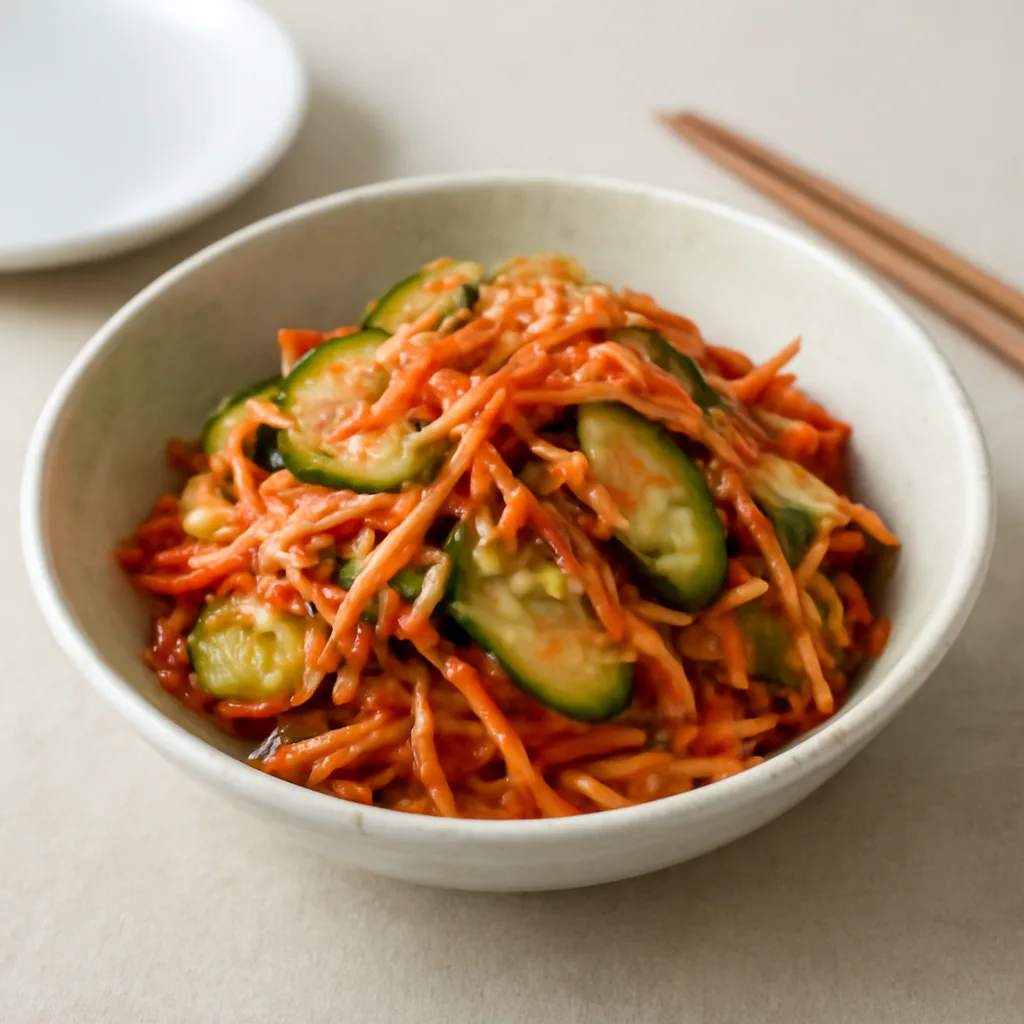
Dora ji (dokhaji) is the root of the bellflower plant, used in Korean cuisine in namul, muchim, bokkeum, and soups. Prepared doraji is used in long thin strips or torn pieces, and etc. It describes flavor; keep as is.
Hương vị và kết cấu
Doraji has a subtle earthy aroma, a root vegetable aroma, and a lingering mildly bitter finish. When raw, it is firm with fibrous texture; quick blanching or stir-frying softens it while preserving some chew. Overcooking can break the texture and make it mushy.
Cách sử dụng chính
- 찢은 도라지 thinly sliced into fresh 맛 in Korean seasoning; transliteration: thinly sliced doraji
- Salt-curing then stir-frying to make namul
- Add to bibimbap or namul for color and texture contrast
- In clear soups or broths, season lightly so it doesn’t overpower other flavors, add at the end to prevent over-mushing
Mẹo chế biến
- Peel or break Doraji that is thick along the grain to help the seasoning stick and be easy to eat
- Slice thinly then salt and rest to draw out moisture and soften the tissue; rinse in cold water several times; this helps reduce bitterness but avoid overly long or harsh handling to preserve aroma and crunch
- If bitterness is still high, soak prepared doraji and taste before using; if bitterness softens, don’t soak too long or it will release water and thin the seasoning
- For namul, wring out water after rinsing; for stir-frying, boil briefly if needed then drain; surface moisture will make seasoning too thin and may push texture toward steaming
Đặc điểm khi nấu ăn
- Doraji tends to keep its texture better with medium heat rather than long high-heat stir-frying. When moisture releases in the pan, finish quickly with seasoning rather than extending cooking
- Blanching softens texture and mellow bitterness; avoid over-blanching to prevent mushy texture and loss of chew
- Sticking dense sauces like gochujang to doraji surface is easy, but too much sauce at first can mask the root aroma and bitterness; add gradually and taste
- Stir-frying with oil rounds flavor and softens bitterness; but too much oil makes it heavy rather than fresh-namul
Sự kết hợp phù hợp
- Garlic, scallion, sesame oil, sesame seeds complement doraji’s root aroma without masking it
- Combination of gochugaru, gochujang, vinegar gives contrast of bitterness and tang in namul
- Beef or mushroom-like ingredients and broths can soften doraji bitterness
- Cucumber, pear and other juicy, sweet ingredients balance texture in fresh or seasoned dishes, but release water over time; mix just before serving for best texture
Điểm cần lưu ý khi thay thế
- Few ingredients fully replace the crisp, bitter root aroma and texture of doraji; substitute based on dish purpose
- For namul or bibimbap, use skinned or shredded tougher roots like tere root phenom? (Note: avoid adding garbled content)
- In soup, use radish or burdock to maintain mild root presence, but doraji’s bitter finish won’t be reproduced
- If bitterness is too strong, rather than replacing, adjust salt-out and rinsing times to preserve original character
Nguyên liệu thường được sử dụng cùng nhau trong món ăn thực tế
Dựa trên số lần xuất hiện đồng thời của nguyên liệu đại diện trong các món ăn công khai đã đăng ký trên CookPagoda.
Món ăn sử dụng nguyên liệu này
Chúng tôi sẽ hiển thị các món ăn có nguyên liệu này là nguyên liệu chính theo thứ tự lượt xem.