قاموس المكونات
تحقق من خصائص المكونات وكيفية استخدامها في الطهي.
قرنبيط
1
1
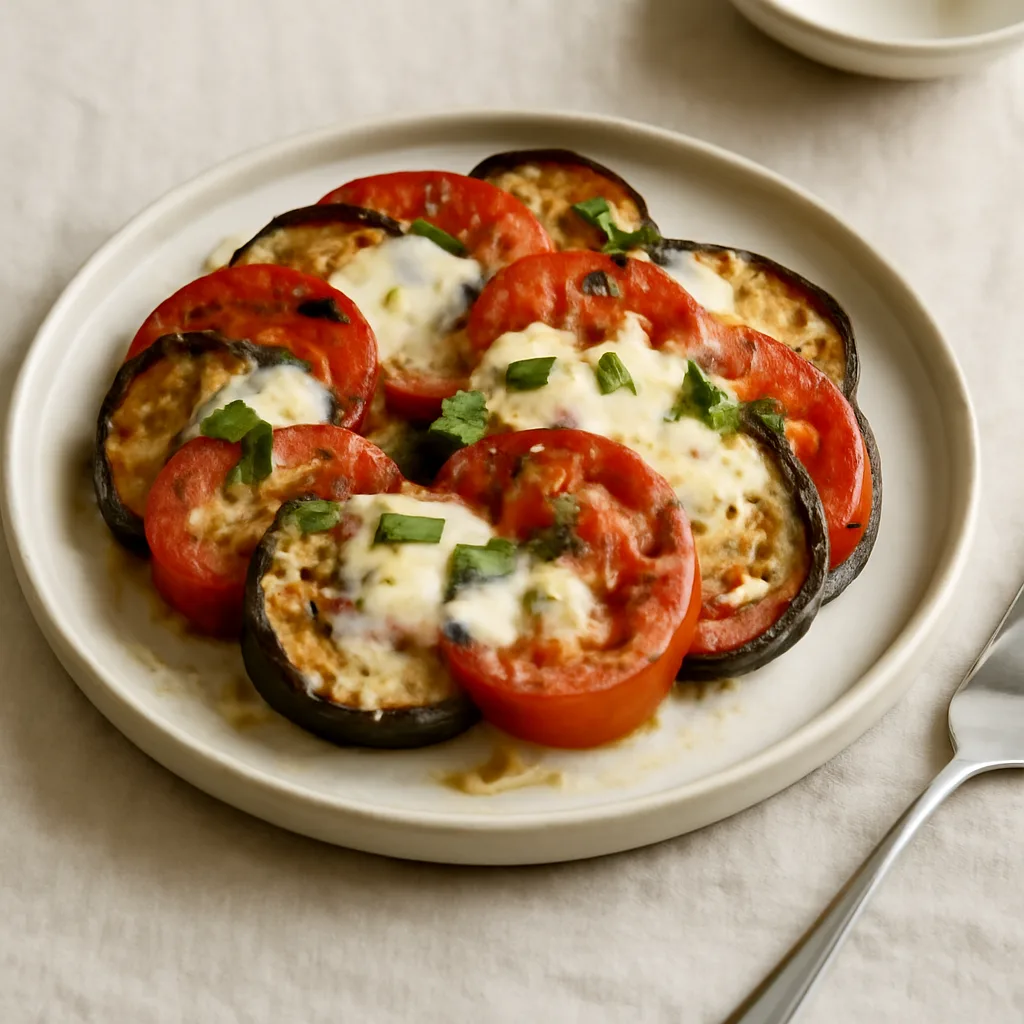
Eggplant is a vegetable with a purple skin and soft flesh that, when cooked, tends to absorb oil and seasonings. Its own flavor is relatively mild, with a gentle sweetness and a slight bitterness, making it pair well with strong seasonings like soy sauce, doenjang, gochujang, and garlic. Its range of use is broad: stir-frying, grilling, steaming, braising, deep-frying, curry, and tomato-based dishes. However, when fried long over high heat with lots of oil, the surface becomes greasy and the interior can become mushy, so adjust cut size and cooking time according to the desired texture. Firm eggplants whose stems are not dry around the cap hold their shape relatively well when cooked. Seeds that are large and the flesh very sponge-like can soften or taste bitter after cooking, so while braising-style soft textures are suitable, they may be less ideal for distinctly shaped grilling.
الطعم والملمس
Raw eggplant is firm with a sponge-like texture, but when cooked it becomes creamy and soft. The skin retains some form even when cooked, adding color and bite. Grilling over high heat creates a charred aroma and sweetness on the surface, while steaming or braising lets the seasonings permeate the flesh for moistness. Because it contains a lot of moisture, overcooking can break the texture and make it mushy.
طرق الاستخدام الرئيسية
- Ancuses boiled or steamed eggplants are torn along the fiber and dressed with garlic, soy sauce or doenjang, and sesame oil. When mixing hot, moisture tends to be released, so letting it rest briefly and squeezing out excess water makes the seasoning taste more pronounced.
- Eggplant stir-fry is well-suited for slicing eggplant lengthwise and quickly stir-frying with garlic, chili, and soy sauce. If added before the pan is hot enough, water will come out first and the texture will be braise-like rather than stir-fry; to keep a firm texture, use a wide pan.
- Grilled eggplant works well when cut thickly or halved and grilled with soy sauce or doenjang-based seasoning. When browned on the surface and flipped, the aroma comes alive, but if sliced too thin, the interior may dry out and rip easily.
- In curries, ratatouille, and tomato-based dishes, eggplant absorbs the sauce and oil-rich flavors, acting as a soft, chunky ingredient. If you want to keep its shape, add it later than other ingredients or cut it into larger pieces.
نصائح التحضير
- Rinse under running water and carefully remove the stem and the pointed floral cap. The skin helps retain color and shape, so do not peel unless a particularly soft texture is required.
- Sliced eggplant left exposed may brown, so prep as close to cooking time as possible. If pre-cut, store briefly in water and pat dry to reduce oil splatter when frying.
- For frying or sautéing where oil absorption is a concern, lightly salt the eggplant and let sit briefly, then pat dry. However, avoid lengthy salting or squeezing, as it can soften the tissue and leave saltiness for dishes like namul where moisture matters.
- For even cooking, cut into sticks or 2–3 cm pieces for stir-frying, and into thicker half-moons or vertical pieces for grilling. If pieces vary in size, smaller ones will overcook and larger ones undercook.
خصائص عند الطهي
- Eggplant seems to absorb oil quickly when first touching the pan, but as its tissue softens with cooking, moisture and oil can re-emerge. If oiliness is a concern, add oil gradually as needed rather than pouring a lot at the start.
- In a wide, high-heat pan, the surface browns quickly and a roasted aroma forms. If the pan is narrow and the eggplants pile up, steam becomes trapped and color develops more slowly, so cook in batches or switch to grilling.
- Steaming or braising makes the flesh tender quickly and absorbs flavors well. If simmered with a lot of liquid for a long time, pieces can fall apart and the sauce can become cloudy, so to preserve shape, finish quickly after almost cooked and add seasoning at the end.
- When directly grilled or in an oven, the skin becomes puckered and the interior collapses when pressed, signaling a smoky-soft state. The skin can be peeled for dips or salads, but this method is not ideal for dishes requiring a crisp bite.
تركيبات مناسبة
- Soy sauce, doenjang, gochujang, garlic, ginger, and sesame oil enhance the gentle flavor of eggplant with a salty, nutty backbone. If the seasoning is strong, the eggplant’s mildness is reduced, so pairing with a sauce on grilled dishes is advantageous for flavor control.
- When cooked with tomato, onion, bell pepper, and zucchini, the eggplant’s soft texture harmonizes with acidity and sweetness. If the tomato introduces too much moisture and thins the sauce, roast the eggplant first or finish by uncovering to reduce the liquid at the end.
- Pairs well with mild-protein ingredients like tofu, eggs, ground meat, or chickpeas to add crunch to the soft eggplant. For a crispy texture, top cooked eggplant with nuts or breadcrumbs at the end to prevent sogginess from moisture.
نقاط يجب مراعاتها عند الاستبدال
- For dishes like stir-fry or curry where the texture should be soft and deeply flavorful, zucchini can be a convenient substitute, though it does not absorb oil and seasonings as deeply as eggplant. Zucchini releases moisture more quickly, so quick high-heat cooking is preferred.
- For baked eggplant with a rich, creamy texture, portobello mushrooms or large mushrooms can be used. Mushrooms have stronger umami and release moisture during cooking, so adjust seasoning later rather than applying the same amount of seasoning at once.
- In dishes like eggplant namul where the eggplant is steamed and dressed, you can substitute with squash, but the shredded texture and purple color may not be reproduced. If the original dish centers on the soft flesh of eggplant, replacing ingredients rather than changing the method will yield different results.
المكونات التي تستخدم غالبًا مع الأطعمة الفعلية
يتم تجميعها بناءً على عدد مرات ظهور المكونات الرئيسية للأطعمة العامة المسجلة في CookPagoda.
الأطعمة التي تحتوي على هذه المكونات
نقدم لك الأطعمة التي تحتوي على هذه المكونات كمواد رئيسية مرتبة حسب عدد المشاهدات.