قاموس المكونات
تحقق من خصائص المكونات وكيفية استخدامها في الطهي.
숙주
1
2
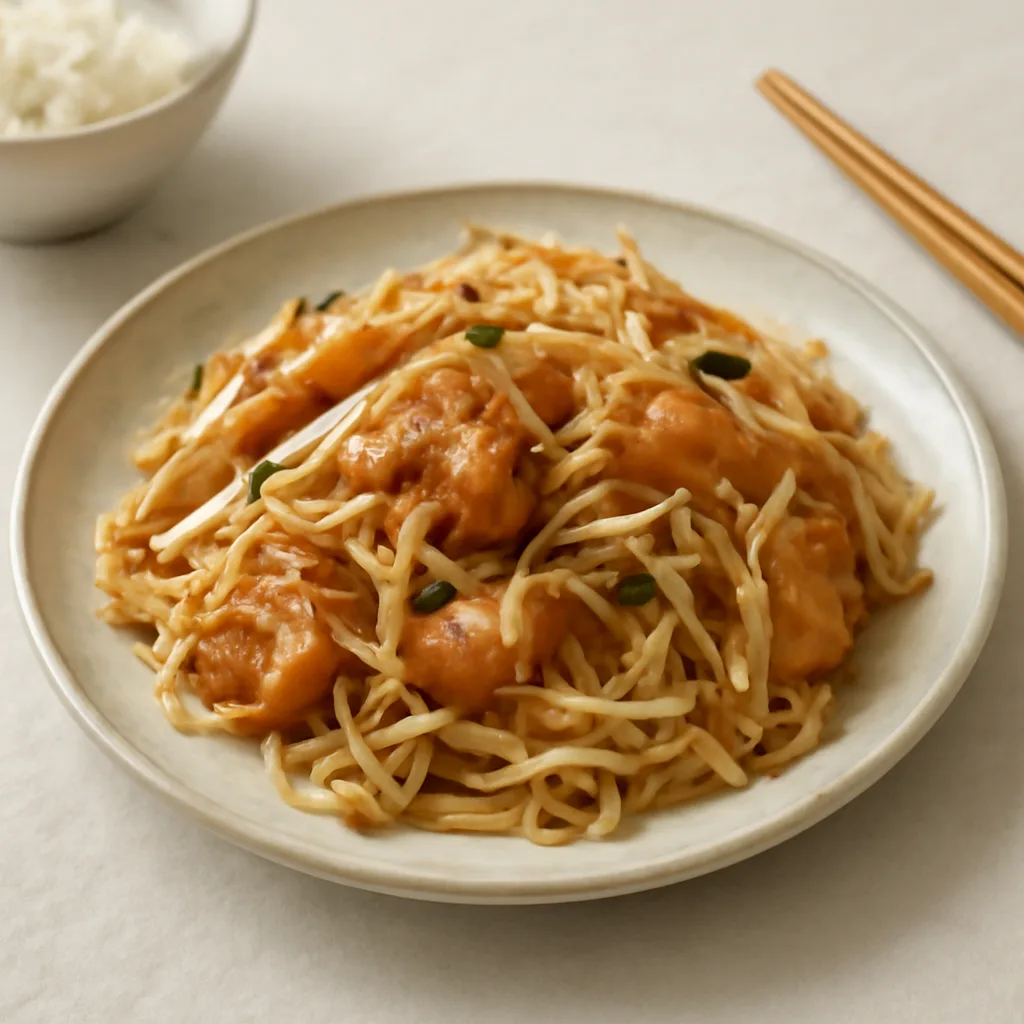
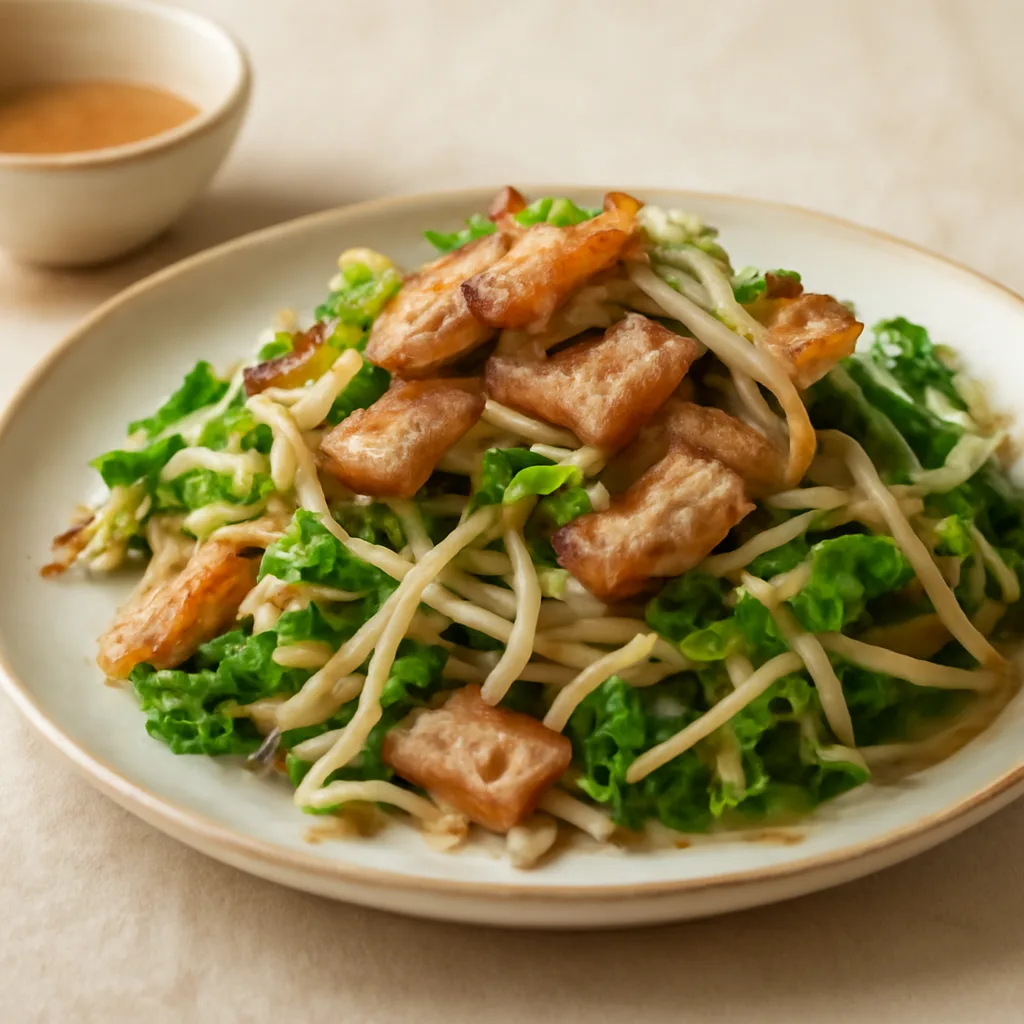
sprouts are germinated mung beans used as a vegetable in Korean cuisine to add refreshing crispness and light moisture to soups, stews, stir-fries, and salads. The stems are tender and hollow inside, absorbing seasonings and broth well, but they become soft and release a lot of water if cooked too long. The key to cooking is short time and proper moisture management. If you drop them into hot broth just to blanch them briefly or stir-fry over high heat, they keep a crisp texture. Conversely, in a thickly seasoned stir-fry or slow simmered dish, they can dilute the flavor and become mushy, so it’s better to add them at the end or reduce the amount. They are widely used in mung bean sprout soup, as a namul in bibimbap, in japchae or various stir-fries. In dishes like mung bean sprout salad where texture of the ingredient itself is highlighted, squeeze out excess moisture after blanching for best flavor.
الطعم والملمس
The flavor is very mild and light, with a faint grassy scent and a nutty aftertaste from the beans. It doesn’t have a strong aroma, so it pairs well with bold seasonings like garlic, sesame oil, and red pepper powder, but overly strong seasoning can mute the fresh brightness of the sprouts. Raw sprouts have a crisp, snapping texture, but they quickly soften when heated. When the stems turn transparent and shrink in volume, they are generally cooked; it’s best to remove them from heat and check texture instead of cooking further.
طرق الاستخدام الرئيسية
- A代表 use of mung bean sprouts is to quickly blanch them and lightly toss with garlic, salt, sesame oil, and sesame seeds. Add seasoning gradually after draining moisture to prevent the flavor from becoming too thin.
- In clear soups or hangover soups, add almost at the end to preserve the crisp stems and refreshing moisture. If the broth is already salty enough, sprouts may release more moisture, so it’s safer to season lightly before adding them.
- For japchae, fried rice, or vegetable stir-fries, quickly stir-fry over high heat to lightly mellow the oiliness of other ingredients. If the pan is crowded, it’s better to add in smaller batches as too much moisture makes steaming rather than frying.
- In bibimbap or rice bowls, blanch sprouts and place them on top as a separate namul to contrast with soft rice. If left on hot rice too long, moisture will be drawn out, so add just before serving.
نصائح التحضير
- Discard stems that have turned yellow, feel slimy, or have strong unpleasant odors. Sprouts with evenly firm ends and firm stems hold up better after cooking.
- Rinse briefly under running water several times and drain well in a sieve. Soaking in water for too long can cause sprouts to soften further, so a quick rinse to remove dirt and husk is appropriate.
- For mung bean sprout salad, blanch in boiling water in small batches until stems just become slightly transparent. They will continue to cook with heat, so remove when slightly firm and cool on a wide surface.
- For stir-frying, prep just before cooking, and heat the pan and oil thoroughly before adding sprouts. When moisture begins to pool in the pan, remove sprouts temporarily to evaporate the moisture and then combine again to reduce sogginess.
خصائص عند الطهي
- In the initial heat, sprouts’ volume decreases quickly and they release moisture. If stems sag and water pools on the pan bottom, overcrowding or low heat is likely, so stir-fry in portions or cook briefly on high heat.
- In broth, sprouts release moisture and can make flavor lighter. This is advantageous in clear soups, but in rich stews or sauces, it can thin the liquid, so add a small amount at the end.
- Seasonings like salt and soy sauce can cause sprouts to release moisture. If crisp texture is important in a stir-fry, season quickly after cooking and turn off the heat promptly.
- If marinating sprouts after blanching, overkneading while hot can break stems and produce water. Let them cool slightly before gently mixing with the seasonings to preserve shape and texture.
تركيبات مناسبة
- Garlic, green onions, sesame oil, and sesame seeds enhance the sprouts’ mildness without overpowering it. In salad, avoid overusing sesame oil as it can weigh down the light texture; start with small amounts.
- Pair with soft, rich ingredients like beef, pork, tofu, or egg to create contrast with the sprouts’ crispness. For fatty meat stir-fries, add sprouts at the end to add moisture only.
- Chili powder, Thai chili, and chili paste also go well, but overly spicy seasonings may cause sprouts to release moisture and dilute the sauce. In that case, lightly blanch the sprouts, drain moisture, and mix at the end.
- When stir-frying with shrimp or squid, consider moisture from the seafood. It’s better to cook the seafood first, remove, then quickly stir-fry the sprouts and combine to minimize water release.
نقاط يجب مراعاتها عند الاستبدال
- If a crunchy texture is desired, consider using bean sprouts, cabbage stems, or bok choy stems as substitutes. However, bean sprouts have a more distinct bean flavor and head portion texture, while cabbage and bok choy vary in cooking time and moisture, so results may differ on the same timing.
- In soups or stews, mung bean sprouts’ light moisture may be replaced best by bean sprouts. However, bean sprouts have a stronger aroma, so reduce their amount in clear, delicate broths.
- In stir-fries, if sprouts simply expand the quantity of vegetables, cabbage or chives can be used. Cabbage stays firm and sweet even after longer frying, while chives have a strong aroma and wilt quickly, so they are not a direct substitute for sprouts.
- For a plain mung bean sprout salad-type dish, blanched bean sprouts can be used, but recreating the slender stems and light crunch of mung bean sprouts is difficult. Adjust seasoning intensity according to whether you want texture or bean aroma in the dish.
المكونات التي تستخدم غالبًا مع الأطعمة الفعلية
يتم تجميعها بناءً على عدد مرات ظهور المكونات الرئيسية للأطعمة العامة المسجلة في CookPagoda.
الأطعمة التي تحتوي على هذه المكونات
نقدم لك الأطعمة التي تحتوي على هذه المكونات كمواد رئيسية مرتبة حسب عدد المشاهدات.