قاموس المكونات
تحقق من خصائص المكونات وكيفية استخدامها في الطهي.
소고기 안심
1
3
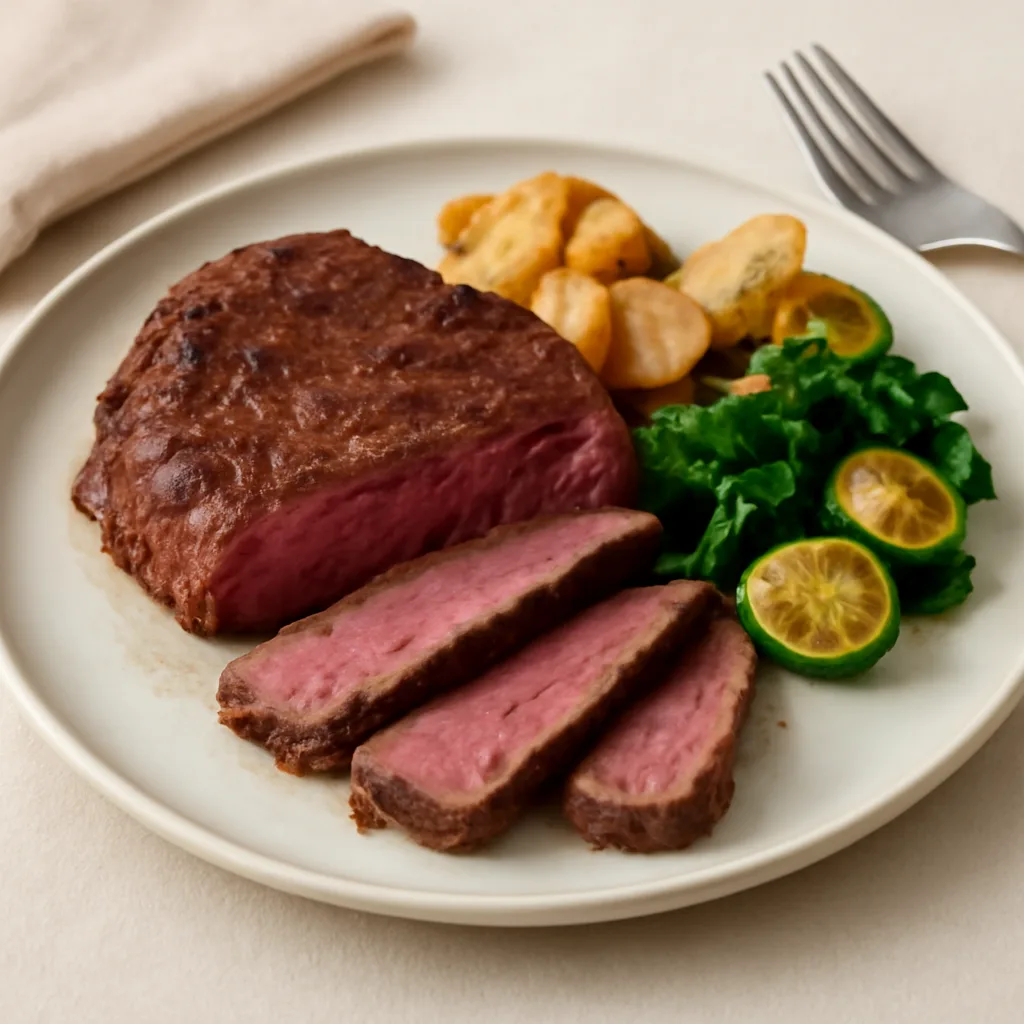
Beef tenderloin is a very tender lean meat located on the inside of the upper back of the cow; its grain is fine and it has relatively little tough connective tissue, so it is well suited for short cooking times. It is mainly used in dishes that emphasize the meat’s tender texture, such as steak, roast, and skewers. It is not a cut that yields rich flavor through long cooking like richly fatty or connective-tissue-heavy parts. Searing the surface quickly over high heat and letting it rest at the desired doneness helps retain moisture, but overcooking can make it tough and somewhat bland. Therefore, for dishes with strong flavors, using complementary ingredients such as butter, sauces, mushrooms, and pepper is practical.
الطعم والملمس
The flavor is clean and mild, with a beefy aroma, but richer-fatty notes are restrained compared with highly marbled cuts. When cooked properly, it is very tender and smooth to chew, and thick-sliced tenderloin reveals especially the soft texture in the center. If the surface is browned sufficiently, the roasted aroma adds to the mildness. On the other hand, cutting too thin or overcooking can lead to moisture loss and reduce the advantage of tenderness.
طرق الاستخدام الرئيسية
- Cut thickly and pan-sear as a steak and finish with butter, wine, and stock from the browned bits left in the pan to make a simple sauce.
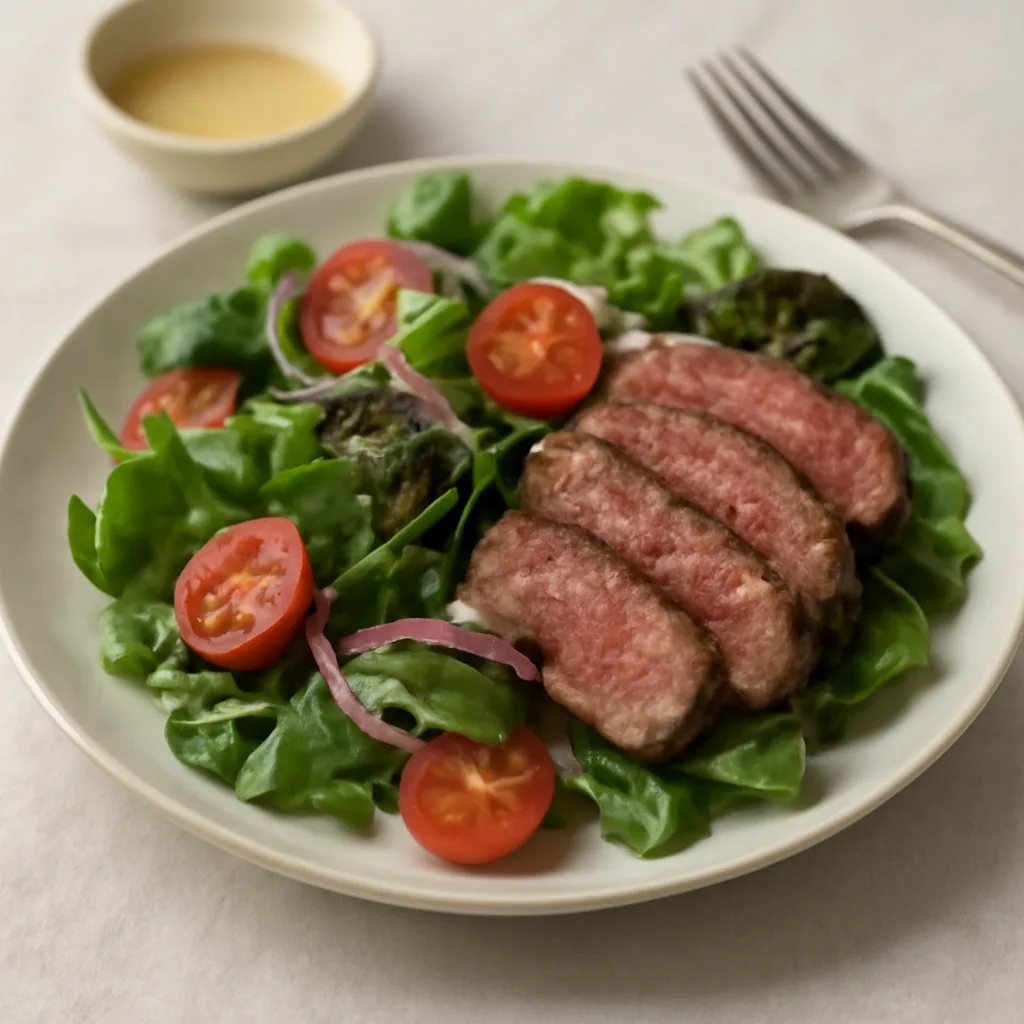
- For a whole tenderloin, sear the exterior first or roast in the oven, then slice thinly to present as a roast. Since the center temperature can change quickly, it is better to check from the middle even for large cuts.
- Cut into bite-sized pieces for skewers or quick-stir-fry. In stir-fry, add the meat after the vegetables are almost done to keep texture from becoming rough.
- Thinly sliced tenderloin can be used for shabu-shabu, hot pot, or bulgogi-style grilling, but in long simmered broths, the tenderloin’s characteristic tenderness is hard to maintain.
نصائح التحضير
- Pat the surface dry with paper towels before cooking. If moisture remains, the pan temperature drops and you get moisture release rather than browning, so it’s better to cook with a dry surface.
- Lift and remove any tough membranes or silver skin from the surface with a knife tip. If left, the meat may shrink and become chewy after cooking.
- For steak, trim to a uniform thickness and season with salt and pepper. If salt was sprinkled in advance and moisture beads on the surface, wipe it off before cooking, or season just before placing in the pan.
- It isn’t impossible to cook meat from cold state, but if the center is cold, the outer and inner doneness diverge. Let it rest briefly to soften the surface chill before cooking to help even doneness.
خصائص عند الطهي
- Searing in a hot pan for a short time creates a browned flavor on the surface through protein reactions, while keeping the inside tender. If there isn’t immediate sizzle when the meat is placed in the pan, the pan may not be hot enough, so it’s better to remove the meat briefly and heat the pan further.
- Tenderloin has little fat to render; if the pan becomes dry and begins to stick, use a small amount of oil with a relatively high smoke point and, since butter burns easily, add it later for flavor.
- If you cut immediately after heat, a lot of juice will run onto the plate. Let the surface cool a bit before slicing to reduce moisture loss in the cross-section.
- Long steaming or simmering methods that tenderize cuts with more connective tissue have limited effect on tenderloin. If the goal is a tender braised dish, shorter cooking times or choosing another cut would be more appropriate.
تركيبات مناسبة
- Mushrooms, pepper, garlic, and onion—ingredients that add umami and aroma—complement the tenderloin’s mild flavor. Sauté mushrooms first to drive off moisture, then serve to keep sauces from becoming too thin.
نقاط يجب مراعاتها عند الاستبدال
- For steak or quick sears, other relatively tender cuts such as tenderloin tip, strip loin, and ribeye can be used as substitutes. However, fatty alternative cuts will be more flavorful, and even with the same cooking time they may render more fat and shrink differently.
- For skewers or quick-cook dishes, you can use thin cuts like chuck tender or short plate; if the cut has more distinct grain, cut across the grain and shorten cooking time.
- In hot pot or broth-based dishes, tenderloin is not strictly necessary as a substitute. For long simmered dishes, using brisket or shank—cuts suited to long cooking—may be more cost-effective and texture-consistent, though the cooking time and broth texture will differ.
المكونات التي تستخدم غالبًا مع الأطعمة الفعلية
يتم تجميعها بناءً على عدد مرات ظهور المكونات الرئيسية للأطعمة العامة المسجلة في CookPagoda.
الأطعمة التي تحتوي على هذه المكونات
نقدم لك الأطعمة التي تحتوي على هذه المكونات كمواد رئيسية مرتبة حسب عدد المشاهدات.