Zutaten-Enzyklopädie
Überprüfen Sie die Eigenschaften der Zutaten und wie sie in der Küche verwendet werden.
사과
5
7
Apples are a fresh fruit eaten raw and also used in salads, roasting, braising, and baking to add bright sweetness and moisture. Because sweetness, acidity, and flesh texture vary greatly by cultivar and ripeness, choose between a crispy texture for some dishes and a softer, braised texture for others. Thinly sliced apples add light acidity and crunch to salads or sandwiches, while diced apples provide a sweet chew for fillings or stir-frry. When heated, the flesh softens and releases moisture, making sweetness more pronounced. If you need to retain shape, cook briefly; if you want a flowing texture like a sauce or compote, cook slowly. Apples are not only sweet but also help harmonize fatty ingredients and strong spices. However, because they release a lot of moisture, using too much in doughs or stir-fries can make it soggy or watery in the pan, so adjust amount and size according to the recipe.
Geschmack und Textur
The taste of apples is a balance of clear sweetness and fresh acidity. Less ripe or more acidic apples have a more pronounced tartness, while well-ripe apples spread aroma and sweetness more softly. The raw flesh is generally crisp and juicy, but heating breaks down the cell walls, becoming soft and jam-like in texture. Firm apples retain pieces well in braises or pies, while soft apples are better for purées or sauces.
Hauptverwendungszweck
- Thinly sliced apples add crisp contrast and acidity to salads, cheese platters, and sandwiches. Since watery dressings can cause the texture to soften quickly if mixed in advance, it’s better to toss just before serving.
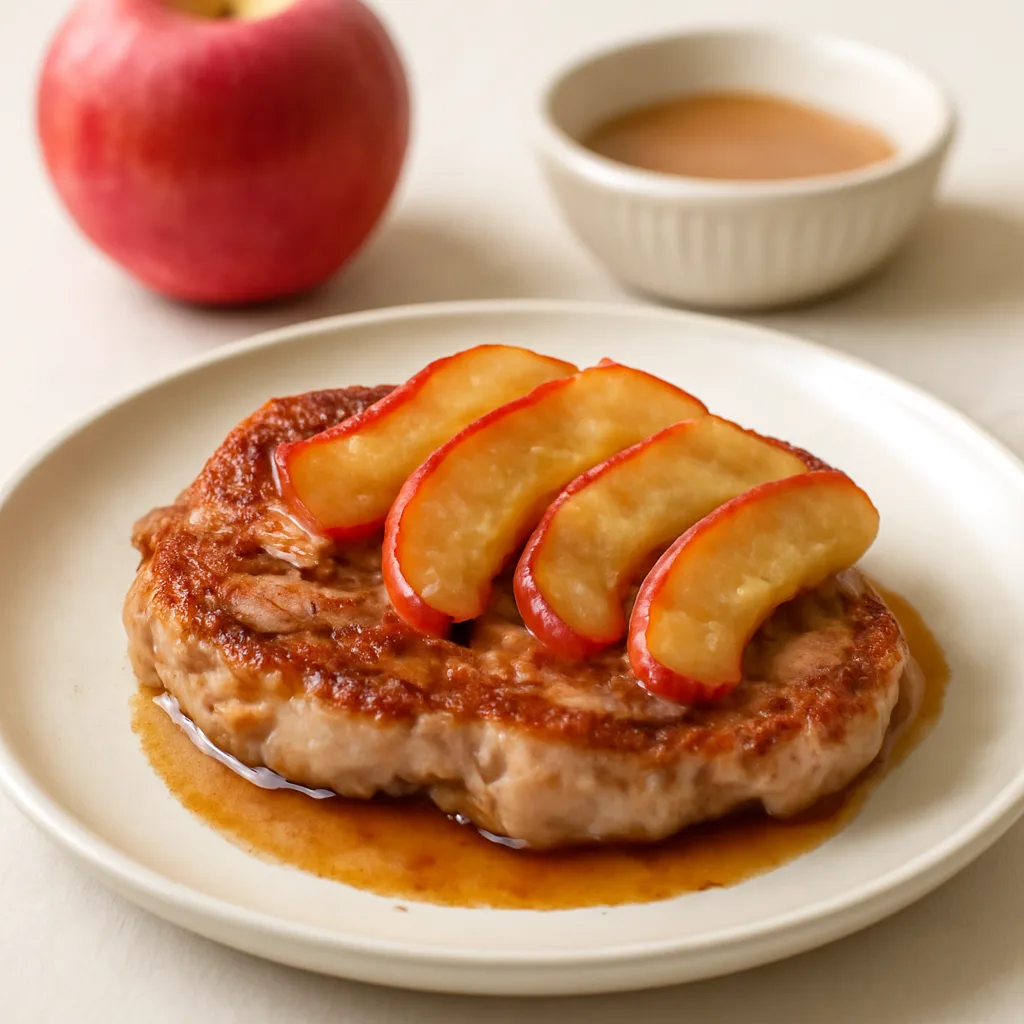
- Diced apples can be paired with or stuffed into lean or fatty meats like pork or chicken. When sautéing, the moisture from the apples helps cook the meat as it reduces, briefly cooking over high heat to drive off moisture.
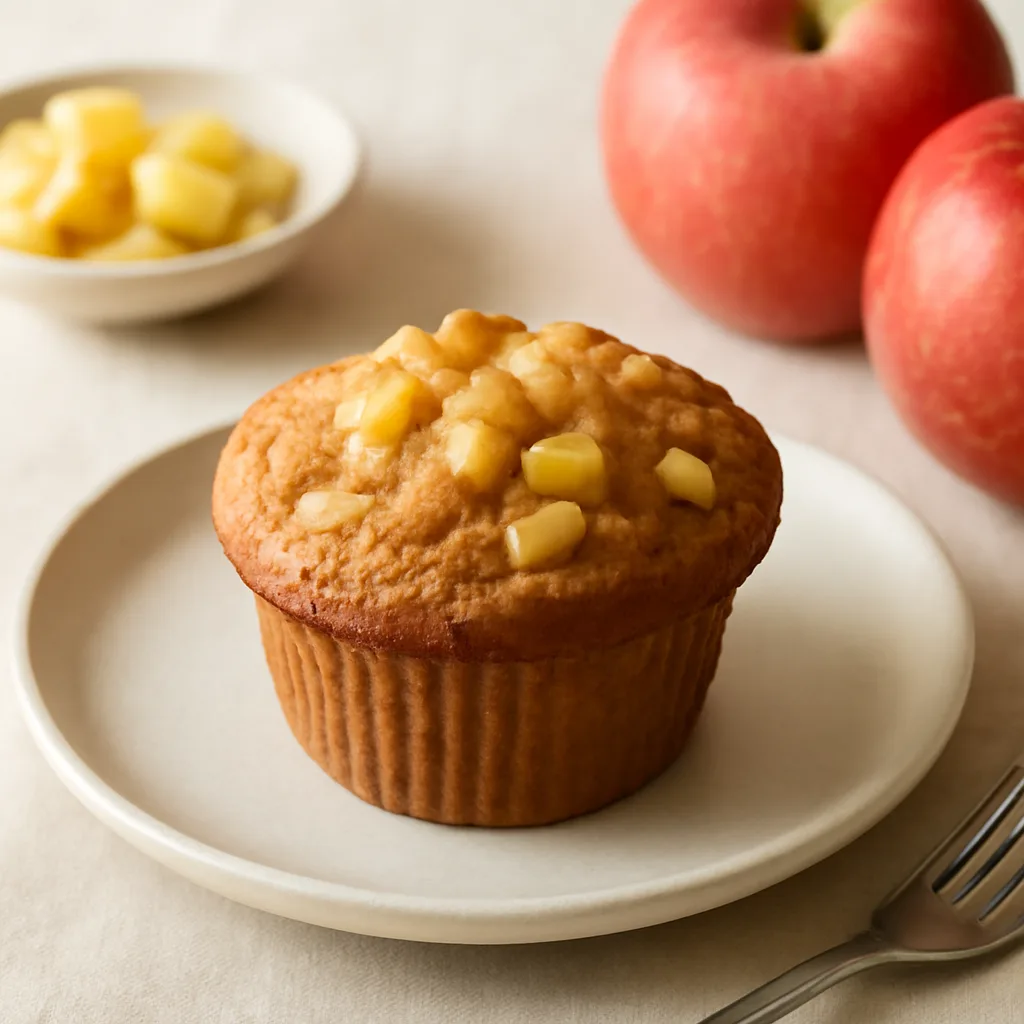
- Apples are commonly used in baked desserts like pies, cakes, and crumbles. If the inside looks too runny, adjust moisture by lightly cooking the apples first or using small amounts of starch.
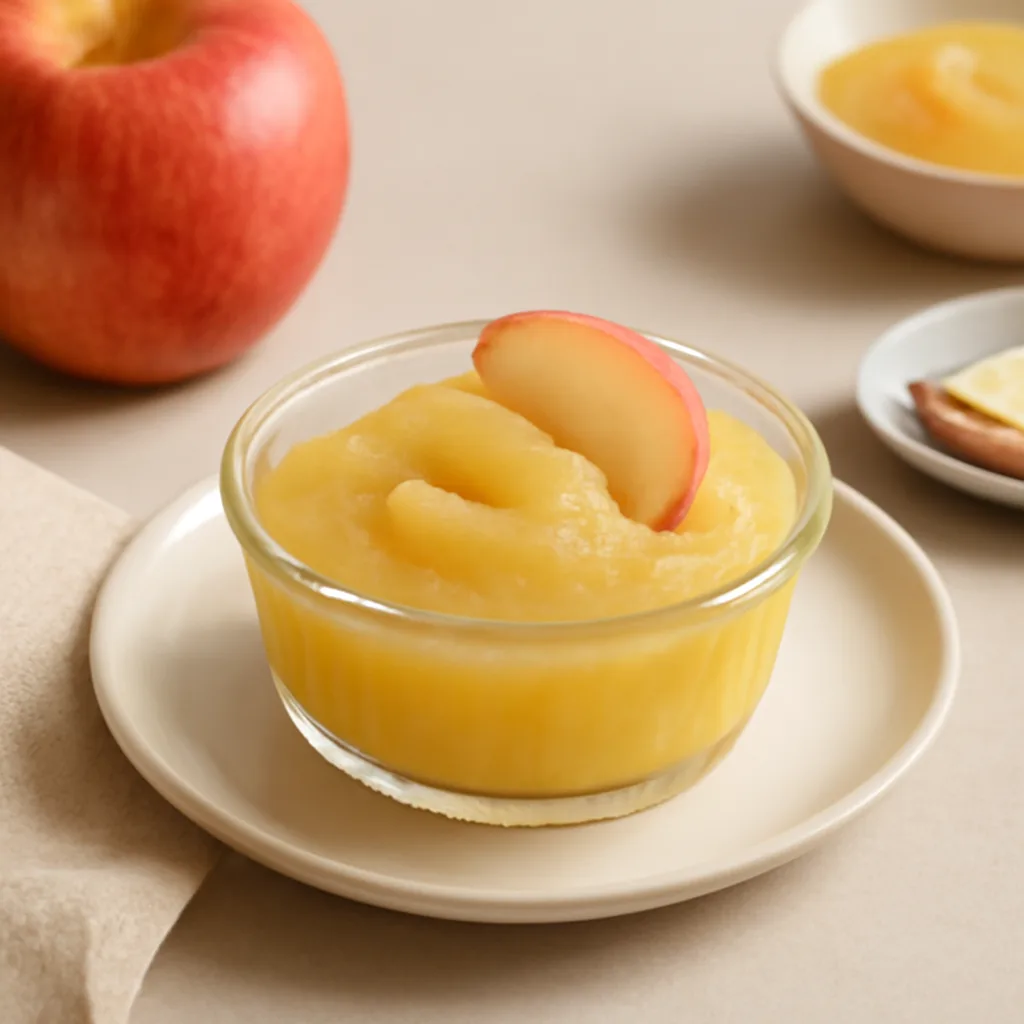
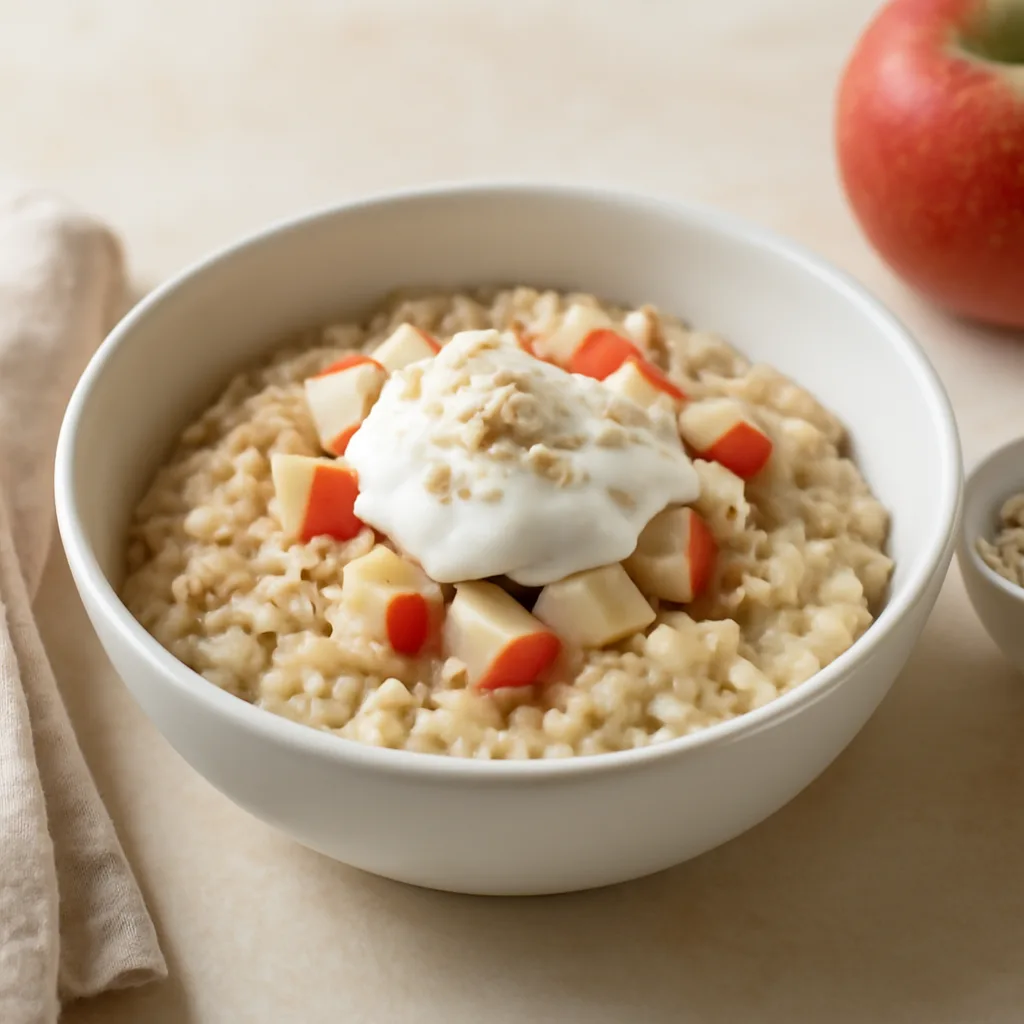
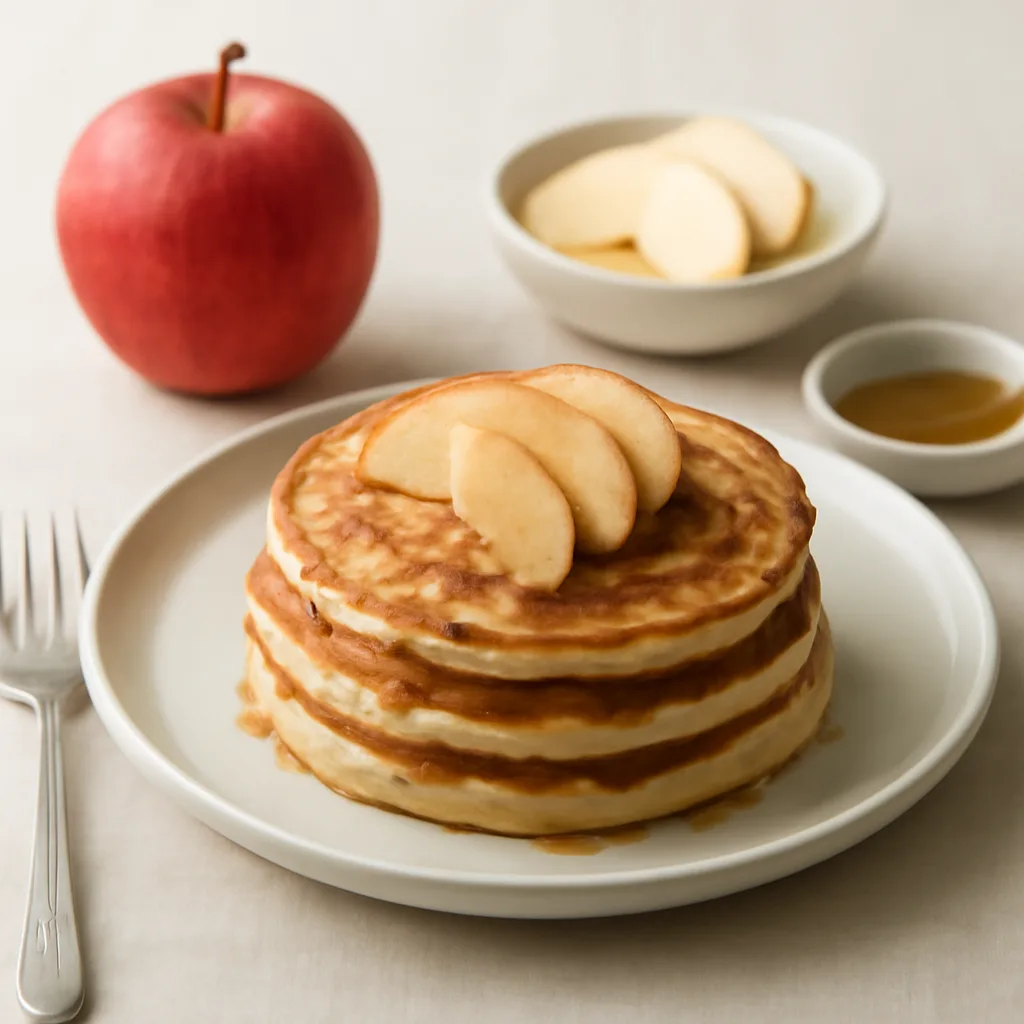
- Chopped apples reduced to a compote or sauce pair well with yogurt, pancakes, and roasted meat. If you want to leave the flesh more intact, cook on medium heat briefly; for a smooth sauce, cook longer and mash.
Vorbereitungstipps
- Rinse the surface under running water before use and check the stem area and any indentations for any remaining foreign matter. The skin adds color and texture, but peel it if the dish will be hindered by a tougher skin after cooking.
- If the cut surfaces brown quickly, lightly brush with acidic liquid like lemon juice. However, for delicate desserts, the flavor may change, so cooking immediately or minimizing air contact is often better.
- For salads, cut into thin slices or matchstick shapes to mix well with other ingredients. For roasting or braising, cut a bit larger than the final desired size to prevent falling apart.
- Core and seeds are hard and unpleasant to eat, so remove them. If you puree or mash apples, seeds can still feel coarse.
Besonderheiten beim Kochen
- When heated, apples release moisture and the flesh becomes progressively more translucent and soft. If liquid pools in the pan, browning flavor is less pronounced, so use a wide pan or avoid crowding the apples at once.
- Sautéing in butter or oil can give a light browning and a deeper sweetness. If the heat is too high, the outside can burn before the inside softens, so adjust the heat once color begins to appear.
- Cooking with sugar makes the apples release juice faster and become syrupy. If the sauce is thin, cook with the lid off; very soft apples can turn to purée with extended stirring.
- Cooking with acidic ingredients can keep the texture firmer, which is good for braises where you want the pieces to hold shape. Conversely, if a very soft texture is desired, add acidic ingredients at the end or reduce their amount.
Gut passende Kombinationen
- Warm spices like cinnamon, vanilla, and ginger deepen the apple sweetness, and lemon sharpens the flavor. If spices are strong, they can mask apples’ delicate aroma, so add in small amounts first.
- Aged cheeses like cheddar, soft cream cheese, and nuts contrast nicely with the crispness of apples. If pairing with salty cheeses, when apples are already sweet, reduce additional sweetness for balance.
- Pork, duck, or chicken with rich flavors pair well with the acidity of apples. If the dish already has a strong vinegar or wine sauce, choose a sweeter variety of apples or use less to avoid overlapping acidity.
Hinweise zum Ersetzen
- For salads where the crisp texture of raw apples is essential, a firm pear can be a close alternative, though its aroma and acidity may be milder. If so, add a touch more lemon juice or vinegar to adjust the flavor.
- For braises, sauces, or baking where softer cooking is desired, substitute with pear, peaches, or firm stone fruits as appropriate. Since moisture content and ripening rate differ, monitor the sauce and sweetness during cooking when substituting.
- To replace the fresh, bright acidity of apples in meat dishes, you can add a small amount of citrus juice or vinegar to pears. For pies that require the fruit to retain shape, a soft fruit substitute may not be ideal.
Zutaten, die häufig zusammen in echten Gerichten verwendet werden
Basierend auf der Häufigkeit der gleichzeitigen Verwendung von Hauptzutaten in den bei CookPagoda registrierten öffentlichen Gerichten.
Gerichte, in denen diese Zutat verwendet wird
Wir zeigen Ihnen die Gerichte, in denen diese Zutat als Hauptzutat enthalten ist, nach Aufrufzahlen sortiert.