Zutaten-Enzyklopädie
Überprüfen Sie die Eigenschaften der Zutaten und wie sie in der Küche verwendet werden.
남은 밥
1
2
Remaining cooked rice is reused as an ingredient for the next dish, especially suitable for fried rice, porridge, onigiri, and rice pancakes. The surface moisture has reduced compared to freshly cooked rice, and the grains are more likely to separate, making it convenient for quick high-heat frying. If the grains are too dry or hard, it is better to loosen them a little with a drop of water or broth before frying. Conversely, if the rice is sticky and clumpy, spread it out and loosen the clumps first so sauces can adhere evenly. Depending on the state of the leftover rice, decide whether to add more moisture or evaporate moisture.
Geschmack und Textur
The flavor of leftover rice itself is mild, and its chewiness and texture vary with the type of rice and the amount of water used when first cooking it. As it cools, starch firms up, making the rice feel firmer and drier than freshly cooked rice. Grains that are separated fry well for fluffy, individual-grain textures, while stickier rice suits dishes like porridge or onigiri that require some clumping. If the rice is too dry and fried for too long, the surface can become hard.
Hauptverwendungszweck
- Fluffy, separated leftover rice is great for fried rice. If vegetables or meat are sautéed first to release some moisture, then add the rice and stir-fry briefly to reduce sogginess.
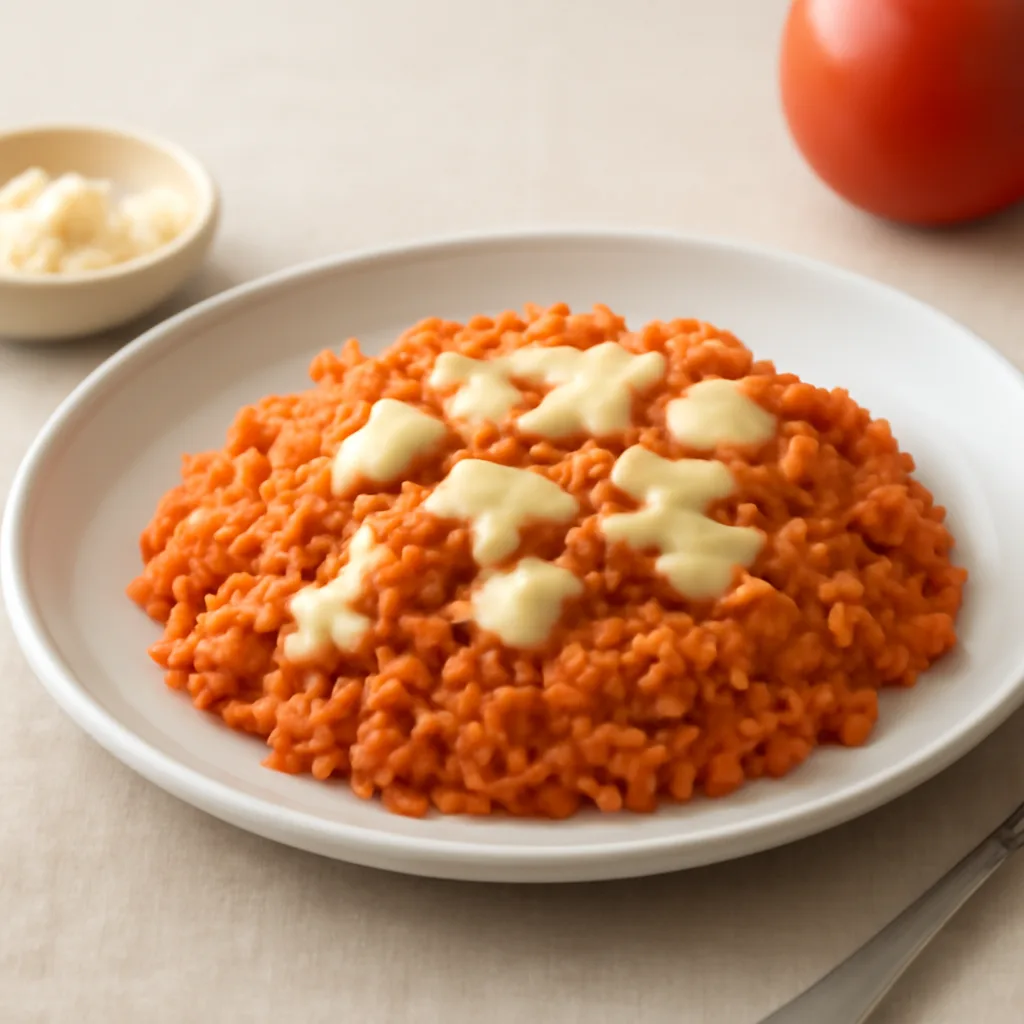
- For porridge or risotto-style rice dishes, cook the firmer rice with broth or water. As the grains loosen and the mixture thickens, starting with a large amount of rice can make it too stiff.
- It can also be used for onigiri and as the filling for makizushi (sheeted rice). If the rice has cooled and become hard, warm it slightly to make it flexible, then mix in seasonings for shaping.
- For rice pancakes or rice burgers where ingredients are pressed and grilled, sticky leftover rice is advantageous. If the grains spread too much, use binding ingredients like egg, cheese, or mashed components to help hold together.
Vorbereitungstipps
- Before use, check the smell and surface of the rice, and gently loosen any clumps with your hand or a spatula. For hard clumps, avoid crushing them as it can make the grains crumble and result in soggy fried rice; if needed, briefly warm to loosen.
- For fried rice, spread the rice in a wide plate or tray to separate grains. If the surface looks moist, let it rest briefly to vent steam, then use it to reduce moisture when it hits the pan.
- When using for porridge, you often do not need to rinse the rice beforehand. However, if you want a clear texture in the porridge and the rice is too sticky, you can lightly loosen it with a small amount of water to adjust the starch level.
- When adding sauces like soy sauce, go sauce or chili paste, start by simmering at the edge of the pan to thicken, then mix in. If the sauce is too thin when it contacts the rice, the grains tend to clump easily.
Besonderheiten beim Kochen
- When heated in a pan, the hardened starch softens again, but prolonged heating with insufficient moisture can harden the outer surface of the grains. For fried rice, a method of precooking ingredients and then adding rice for brief, high-heat frying is suitable.
- If the rice does not spread across the pan and stays in one lump, it is often due to insufficient moisture or space. If the pan is too crowded, divide and stir-fry, or press the rice briefly to spread it and evaporate moisture.
- Boil with water or broth; the grains absorb moisture and some loosen, thickening the liquid. Start with a looser consistency than the desired porridge, then gradually add liquid as needed to reach the target thickness.
- Frying with oil coats the surface of the grains for added aroma and separation. However, using too much oil can make the dish heavy and greasy, so reduce the amount when pairing with oily side dishes.
Gut passende Kombinationen
- Eggs, scallions, and onions—ingredients that adjust moisture and aroma—pair well with leftover fried rice. If vegetables release a lot of water, sauté them first to reduce moisture before adding the rice.
- Seaweed, sesame oil, and sesame seeds add aroma and nutty notes to plain rice, making them suitable for onigiri or bibimbap-style dishes. Sesame oil is more aromatic when added at the end rather than during prolonged high-heat frying.
- When making a broth-based dish, pair with chicken, mushrooms, tofu, or soft vegetables that complement the rice’s soft texture. If the sauce is very acidic or too watery, the porridge-like texture can become too loose, so adjust the amount.
- Spicy kimchi or gochujang enhances hard, bland rice, but kimchi brine can make fried rice soggy. Finely chop kimchi and fry briefly to vent moisture.
Hinweise zum Ersetzen
- If there is no leftover rice for fried rice, you can spread freshly cooked rice wide and remove steam sufficiently before using. However, freshly cooked rice tends to be stickier and clumpier, so for a fluffy result, shorten the cooking time and avoid overfilling the pan.
- For porridge or soup rice dishes, instant rice or freshly cooked rice can be substituted. Depending on the product or rice moisture, adjust the amount of water or broth; add liquid gradually while checking the consistency rather than committing to a fixed amount.
- For dishes where grain binding is important, such as rice pancakes or onigiri, a sticky, short-grain rice can be a substitute. Conversely, long-grain rice that tends to separate grains may be suitable for fried rice but can lack cohesion without binding ingredients.
Zutaten, die häufig zusammen in echten Gerichten verwendet werden
Basierend auf der Häufigkeit der gleichzeitigen Verwendung von Hauptzutaten in den bei CookPagoda registrierten öffentlichen Gerichten.
Gerichte, in denen diese Zutat verwendet wird
Wir zeigen Ihnen die Gerichte, in denen diese Zutat als Hauptzutat enthalten ist, nach Aufrufzahlen sortiert.