Zutaten-Enzyklopädie
Überprüfen Sie die Eigenschaften der Zutaten und wie sie in der Küche verwendet werden.
Tomatensauce
1
2
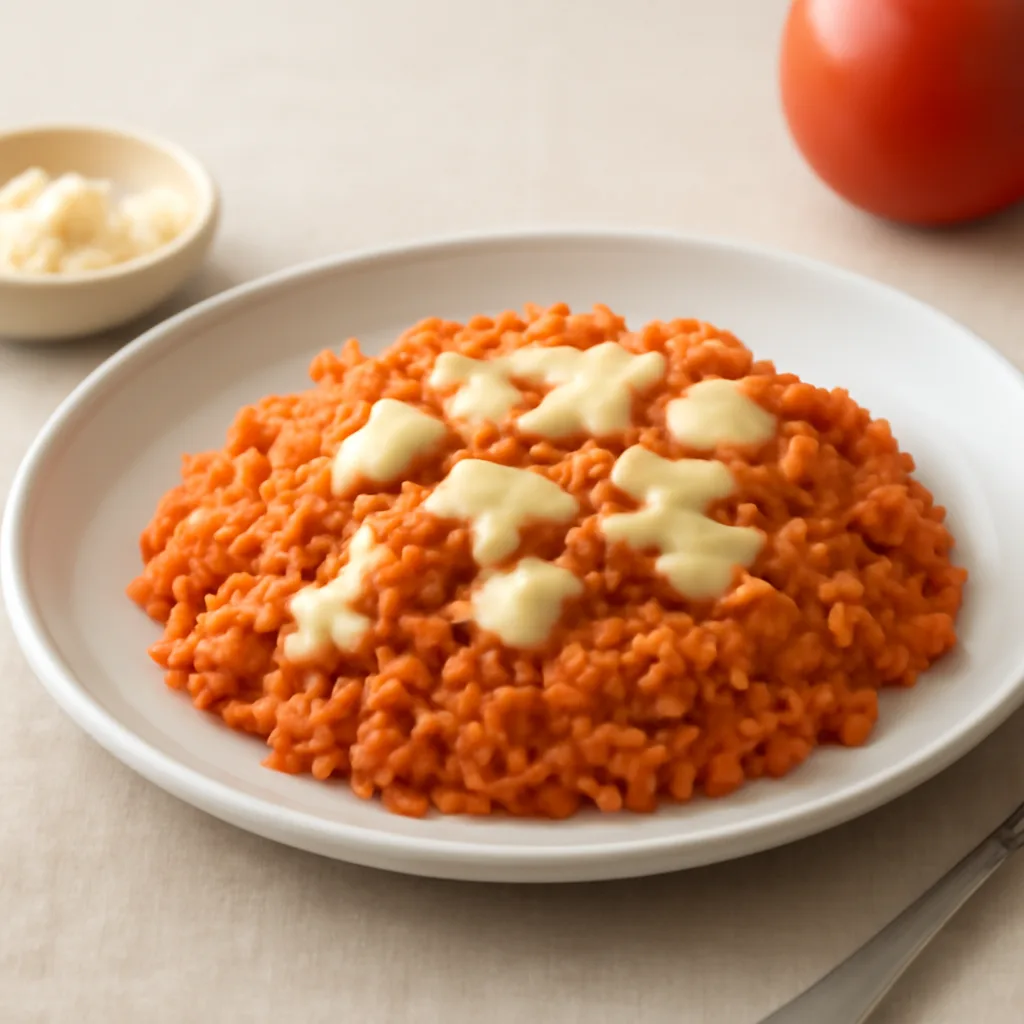
Tomato sauce is a sauce made by mashing or simmering tomatoes, widely used in dishes that need acidity and umami such as pasta, pizza, stews, and braises. Depending on the product, salt, spices, onions and garlic, or sugars may already be included, so it’s wise to taste and adjust seasoning before adding new ingredients. Thin sauces coat ingredients nicely, while well-simmered sauces cling well to pasta, meat, or vegetables. Even with the same tomato sauce, there are big differences from fresh-t Tomato flavor to rich, sweet varieties, so choose according to the cooking time and desired consistency. If the acidity of tomato sauce is too pronounced, simmer on low heat a bit longer to reduce moisture, or add ingredients that bring sweetness like onions or carrots. However, the longer you simmer, the more the fresh tomato aroma fades and the flavor becomes heavier, so for seafood dishes requiring quick cooking or lighter sauces, warming briefly works better.
Geschmack und Textur
The basic taste is tangy and savory, with sweetness and depth varying with the level of concentration. Products containing herbs or garlic have a more pronounced aroma, and sauces with spicy spices may leave a kick on the finish. Texture ranges from smooth purée to chunky with tomato pieces remaining. Smooth sauces are good for uniform coating, while chunky sauces are suitable when you want a chewy texture in stews or ragù.
Hauptverwendungszweck
- Toss with spaghetti, penne, or other pasta for a simple tomato pasta sauce. Consider the leftover pasta water and vegetables’ moisture; simmer the sauce to help it adhere to the pasta.
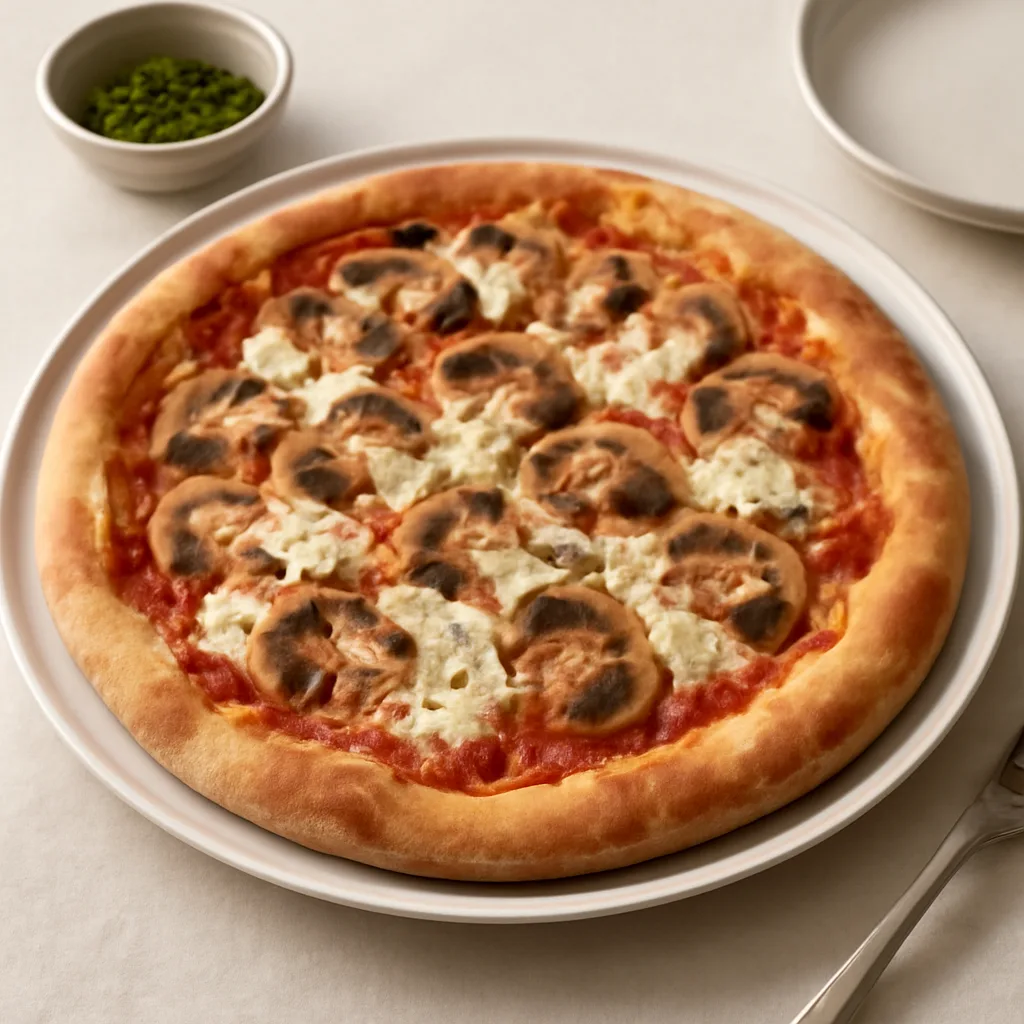
- Brush as a base for pizza, lasagna, and gratin. If you spread a very wet sauce thickly, the bottom can become soggy, so spread thinly or use a sauce that has been reduced first.
- Use as a broth base for meatballs, sausages, chicken, or bean stews or braises. As ingredients cook, the sauce thickens, so avoid making it too thick or salty from the start.
- Toasted onions and garlic can be added to soups, shakshuka, or vegetable braises to anchor the flavor. For mild ingredients like eggs, pair with pepper or herbs to make the sauce’s aroma stand out.
Vorbereitungstipps
- Opened sauce should be tasted first with a spoon to check acidity, saltiness, sweetness, and herb aroma. If already well seasoned, adjust concentration and amount with water, unsalted broth, or vegetables instead of salt.
- For deeper flavor, sauté onions or garlic in olive oil until softened, then add the sauce. If garlic browns too dark, bitterness can spread through the sauce, so add sauce when the aroma just rises.
- For pasta, finish with the sauce when the pasta is almost cooked. If sauce is too thick, add pasta water gradually to emulsify; adding too much at once can dilute the flavor.
- For a smooth texture, use a blender or sieve; for more texture with chunky pieces, don’t crush the tomato chunks too much. For quick-bake dishes like pizza, chopping the pieces finer is practical as larger pieces can release moisture.
Besonderheiten beim Kochen
- When heated, moisture evaporates and the concentration increases, and the tomato flavor concentrates. Keeping a gentle simmer with small bubbles rising on the surface makes it easier to control concentration without burning the bottom.
- Boiling on high heat for a long time can cause sticking and overly sweet taste. If a dark film forms on the edges and you can see the bottom when stirring, lower the heat and add a little water or broth as needed.
- Cooking with oil allows the aromas of spices and garlic/onion to blend smoothly into the sauce. On the other hand, using too much oil can dull the bright tomato flavor, so use only a small amount when you want a fresh sauce.
- Adding dairy makes the acidity rounder and lightens the color. Add cream or cheese after the sauce is heated through, and if it separates from prolonged, vigorous boiling, lower the heat and mix slowly.
Gut passende Kombinationen
- Herbs like basil, oregano, and parsley, and garlic and onion complement the familiar aroma of tomato sauce. If the herb aroma is strong in a product, it’s better to limit to one or two varieties rather than adding many at once, to avoid dulling the flavor.
- Olive oil, butter, cheese, and cream soften the acidity and add gloss to the sauce. In light vegetable dishes, using these ingredients excessively can mask the tomato’s brightness.
- Eggplant, zucchini, mushrooms, bell pepper, and white beans pair well, and after sautéing or roasting to reduce moisture, add them to reduce the sauce from becoming too thin.
- For richer meats like beef or pork, a long-simmered sauce is suitable; for fish or seafood, a sauce centered on herbs and olive oil with a shorter cook feels lighter.
Hinweise zum Ersetzen
- If you don’t have tomato sauce, roughly crushed canned tomatoes or tomato purée can be used as substitutes. These are usually more watery or less seasoned, so adjust simmering time and salt/herbs separately during cooking.
- Tomato paste is useful for deep color and concentration, but using the same amount as is can make it too intense. Dilute with water or broth and add gradually, adjusting for acidity as needed with other tomato ingredients.
- Fresh tomatoes can also be substitutes, but moisture and sweetness vary considerably, so they may not fit pizza or rich pasta sauces immediately. Peel and deseed if possible, cook enough to reduce moisture for a more stable texture.
- Replacing with cream sauce or brown sauce is more a change in direction of the dish than a simple substitute. If acidity of tomato is central, using tomato purée or canned tomatoes tends to yield closer results.
Zutaten, die häufig zusammen in echten Gerichten verwendet werden
Basierend auf der Häufigkeit der gleichzeitigen Verwendung von Hauptzutaten in den bei CookPagoda registrierten öffentlichen Gerichten.
Gerichte, in denen diese Zutat verwendet wird
Wir zeigen Ihnen die Gerichte, in denen diese Zutat als Hauptzutat enthalten ist, nach Aufrufzahlen sortiert.