Zutaten-Enzyklopädie
Überprüfen Sie die Eigenschaften der Zutaten und wie sie in der Küche verwendet werden.
미나리
2
4
Minari is a fragrant stalk vegetable that works well to add a fresh herb aroma to clear soups, muchim (seasoned vegetables), and jeongol. The leaves and tender stems can be eaten together, and when heated the aroma becomes softer; when raw, its fresh scent is more pronounced. Dividing by stem thickness and texture is convenient. The tender part is suitable for muchim or as a finishing garnish, while the hard or thick stems can be put into soups and stews for thorough cooking, or finely chopped for jeon and stir-fry. Boiling for a long time dulls color and aroma, so it’s better to add at the end for dishes where you want to preserve aroma.
Geschmack und Textur
Minari has a fresh, clear aroma with a slight herbaceous bitterness; when cooked, sharpness decreases and sweetness and a gentle vegetable scent emerge. If the aroma feels strong, it is often because the proportion of leaves is higher or raw usage is abundant. Tender stems are crisp yet soft, while the base of thick stems can feel fibrous. Blanching or brief simmering in broth softens them, but overcooking makes them mushy and dulls aroma.
Hauptverwendungszweck
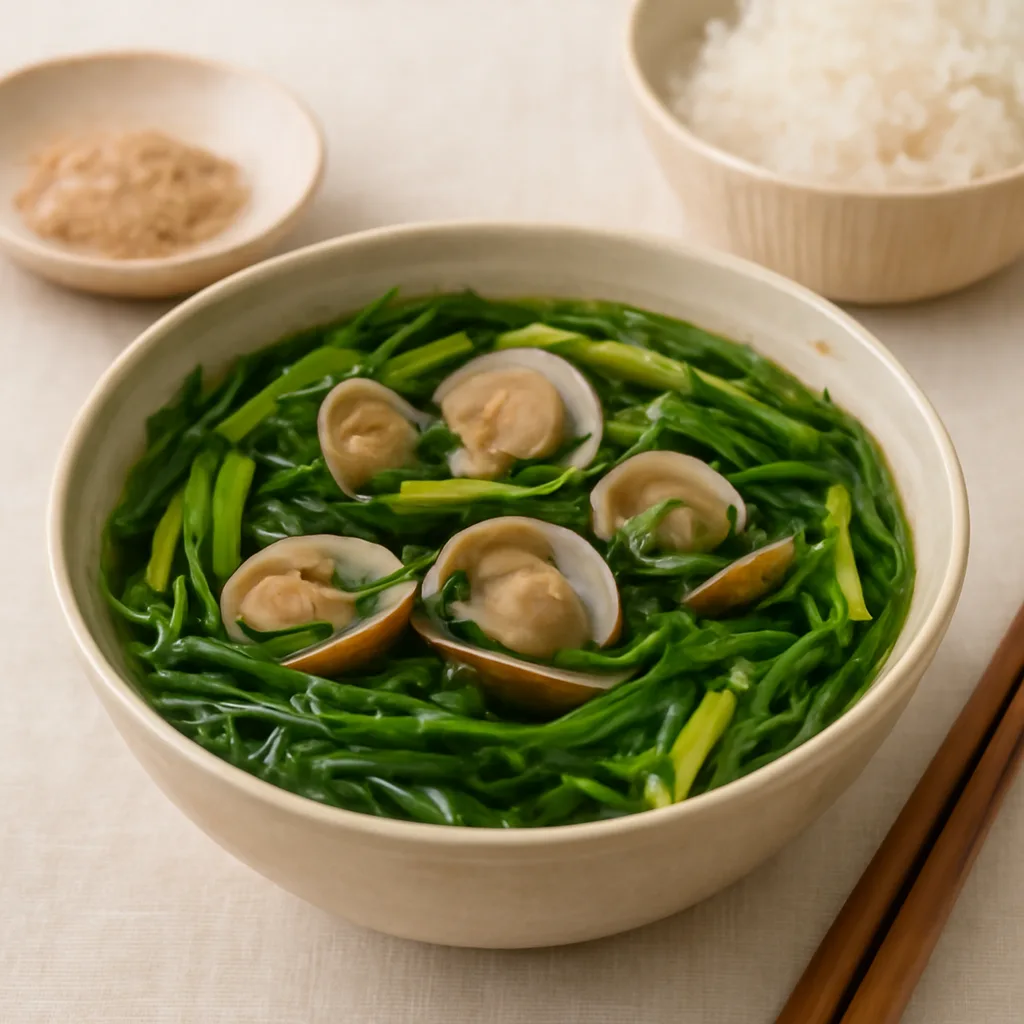
- Add to clear soups, doenjang jjigae, maeuntang, or jeongol toward the end to enhance aroma and green color.
- Pairing with meat in jeongol or hot pot helps refresh the fatty richness. For long-simmering dishes, it’s better to add near the end rather than from the start for texture.
- Blanched minari can be dressed with a dipping sauce or lightly tossed with a strong-flavored sauce as a side dish. If using a lot of sauce, the minari aroma can be muted, so adjust seasoning gradually.
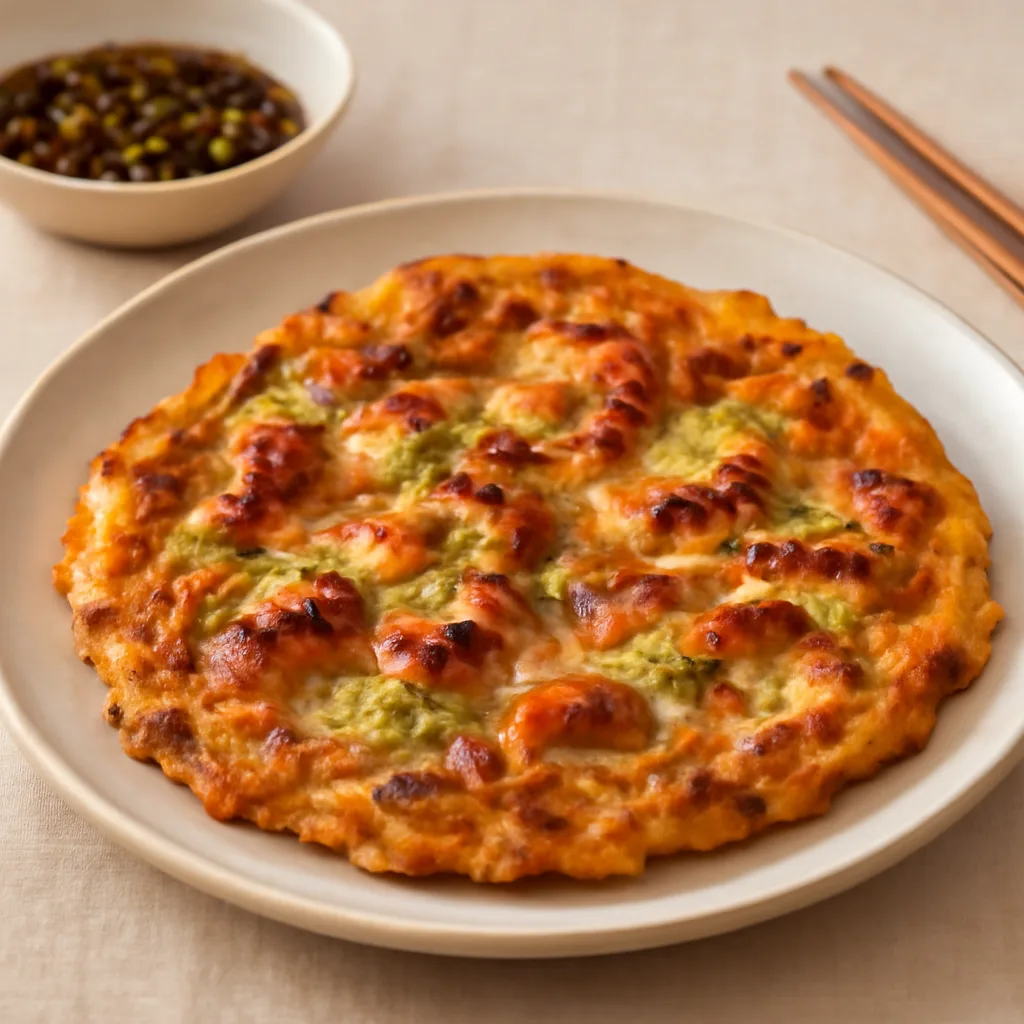
- Finely chopped minari can be used as an ingredient in jeon or pajeon. If added too much to the batter, moisture may cause the edges to be soggy; balance with other ingredients.
Vorbereitungstipps
- Leaves and stems may carry soil or impurities, so rinse under running water with a gentle shake several times, and cut off the tough bottom portion as needed.
- Since thick stems and tender leaves may cook at different rates, add the stems first and the leaves later. When cutting into bite-sized pieces, thinner stems should be used to reduce fibrous chewiness.
- For salads or relish, briefly blanch in boiling water and squeeze out excess moisture. Too much moisture will thin the dressing, and squeezing too hard can collapse tender leaves.
- When eating raw, taste the aroma first and then decide the amount. If the aroma is particularly strong, use more thin stems and leaves or briefly blanch.
- cookingBehavior:[]
- pairingTips:[]
- substitutionTips:[]
Besonderheiten beim Kochen
- When heated, Minari's fresh aroma and slight bitterness mellow, and the stems become soft quickly. To extract aroma in broth, add just before turning off the heat; for tenderizing stems, cook a bit longer.
- Sautéing on high heat can cause the leaves to wilt easily and dull the color. When using in stir-fries, first cook other ingredients, then add minari and toss briefly.
- If adding too much salt or seasoning early, moisture will be drawn out, making the salad and other ingredients soggy. For fritters, add minced minari just before frying, or adjust batter if there is a lot of moisture.
- When paired with acidic seasonings, aroma can become more vivid. If the sourness is too sharp, reduce vinegar and add nutty elements like sesame oil or sesame.
Gut passende Kombinationen
- Pairs well with rich ingredients like beef, pork, or fish to bring a fresh aroma between strong flavors.
- Miso, chili paste, garlic, sesame oil, and sesame seeds support minari's green taste. However, too much garlic and chili paste can mute the delicate aroma.
- When used in soups with tofu, mushrooms, or shellfish, minari helps create a center of aroma among the mild ingredients.
- When adding acidity like vinegar or citrus, start with small amounts. If raw minari’s bitterness is prominent, a more savory seasoning can create a gentler balance.
Hinweise zum Ersetzen
- For dishes aiming to extract aroma, mugwort can be a close substitute, but its aroma is deeper and leaves are softer, so start with a smaller amount than minari.
- For crunchy stems in jeon or stir-fry, you can use leek or celery stalks. Leek wilts more quickly, and celery has a much different aroma, so not a perfect substitute.
- If the pungent aroma of minari is essential in a salad, it may be better to adjust the seasoning rather than replace with another ingredient. For example, when using chives, shorten blanching time and season lightly to preserve texture.
Zutaten, die häufig zusammen in echten Gerichten verwendet werden
Basierend auf der Häufigkeit der gleichzeitigen Verwendung von Hauptzutaten in den bei CookPagoda registrierten öffentlichen Gerichten.
Gerichte, in denen diese Zutat verwendet wird
Wir zeigen Ihnen die Gerichte, in denen diese Zutat als Hauptzutat enthalten ist, nach Aufrufzahlen sortiert.