Zutaten-Enzyklopädie
Überprüfen Sie die Eigenschaften der Zutaten und wie sie in der Küche verwendet werden.
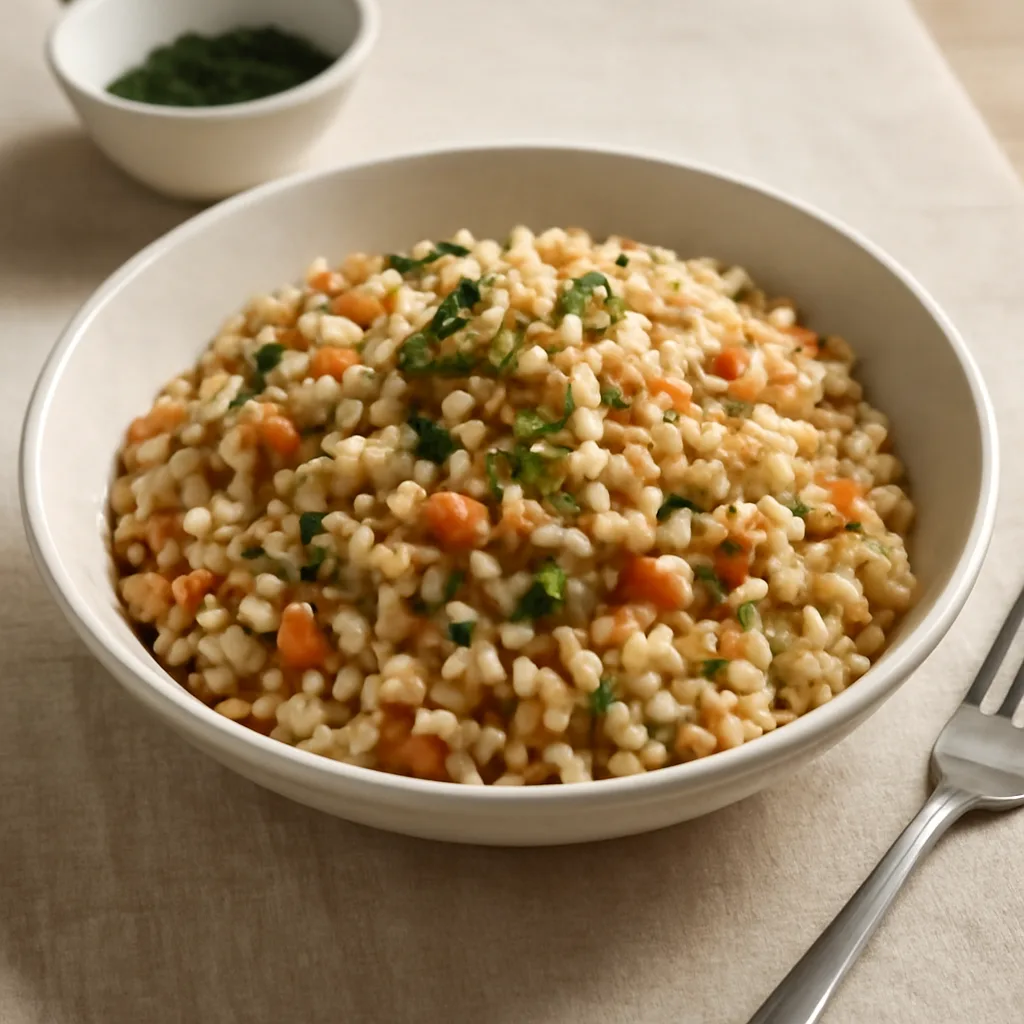
Gerste
1
1
Barley is a grain that adds its distinctive nutty aroma and chewy texture to dishes, and it is 넓게 used in rice dishes, porridge, soups, salads, and tea. Because processing forms such as hulled barley, pearled barley, and barley rice change cooking times and final texture significantly, it’s best to check the package state and目的 of cooking first. When added to rice, it gives a firmer, grainy, and hearty impression than rice, and in brothy dishes it becomes a chewy element. While barley texture may not suit very delicate sushi or risotto that require smooth, even rice, as long as there is chewing, it works well for a one-bowl meal. Dried barley absorbs water and expands. If the center remains too hard after cooking, it may indicate insufficient moisture or heat time, so it’s better to add a little more water and cook longer.
Geschmack und Textur
Barley has a mild, nutty aroma reminiscent of toasted nuts. It has a more pronounced flavor than white rice but isn’t overpowering like a spice, so it doesn’t mask other ingredients significantly. Well-cooked barley is chewy and slightly sticky, and depending on the form, may retain some resistance to chew at the center. Boiled longer becomes softer, but the distinctive grain structure diminishes.
Hauptverwendungszweck
- If you cook barley with rice to make barley rice, you can add nutty flavor and chew to ordinary meals. Forms that cook relatively quickly like pearled barley are convenient to cook with rice, but hulled barley should be soaked or precooked separately to ensure even doneness of the grains.
- Boiled barley can be used in vegetable salads or grain bowls as a filling chewy element. If dressed immediately, flavors are well distributed on the surface, but if left too long, the sauce can be absorbed making the salad heavy.
- In soups, stews, or porridge, barley retains its grainy texture while absorbing the broth. If barley is simmered for a long time in a clear broth, the starch may make the broth slightly cloudy, so for a clear appearance it is better to boil it separately and add at the end.
- Toasted barley can be soaked to make a nutty barley tea. If a stronger aroma is desired, increase the steeping time, but if it becomes bitter or scorched with prolonged heating, using fresh water for a shorter brew yields a cleaner taste.
Vorbereitungstipps
- hulled barley should be rinsed and well soaked to let water penetrate to the inside of the grains, which helps reduce cooking time. If the inside remains hard after soaking, it is better to boil it with more water before mixing with other ingredients.
- Pearled barley or barley rice require different washing and soaking needs depending on the product. Check packaging guidance before cooking, and to minimize cloudy water, rinse gently by hand rather than rubbing vigorously.
- When mixing into rice, start with a lower barley ratio to gauge family or guest preferred texture. If the rice turns out coarser or harder than expected, soak barley longer or add slightly more water in the next batch.
- For salads, boil the barley, drain well, and spread out to cool. Adding acidic dressing while hot can help flavors, but may cause vegetables to wilt quickly.
Besonderheiten beim Kochen
- Barley absorbs moisture as it heats, increasing in volume and gradually softening. If the grains are soft on the outside but hard in the center, it’s better to maintain a gentle simmer and add more liquid rather than using high heat for a shorter time.
- The longer you simmer, the more starch can release into the broth, increasing thickness and cloudiness. This can be beneficial for thick porridge or stews, but in clear soups it is more suitable to finish with barley added at the end.
- Lightly toast then add water or broth to bring out a savory aroma. However, already toasted or thinly processed barley can darken easily, so avoid frying longer than a quick aromatics-level sauté.
- In tomato-based braises or those with noticeable acidity added early, barley may take longer to soften. Once barley is nearly cooked, adding acidic ingredients helps even out the doneness.
Gut passende Kombinationen
- Rich, salty flavors like miso, soy sauce, and sesame oil naturally pair with barley’s nuttiness. For barley rice, pairing with greens, roasted mushrooms, or legumes can compensate for a somewhat dry texture.
- Simmering with chicken or beef broth, mushroom broth helps barley absorb flavor for a mild soup or porridge. In very delicate seafood broths, barley’s nutty taste can become the focus, so using less barley is better.
- Acidity from lemon, vinegar, or tomato brightens barley’s mild flavor. However, add acidic ingredients after barley is sufficiently cooked to ease texture adjustment.
Hinweise zum Ersetzen
- If you want more chew in the meal, you can consider brown rice or barley groats, but brown rice is firmer and barley groats are more tender and sticky, making it hard to keep same water and cooking times.
- For grainy texture in soups or salads, green onions, millet, couscous, or cooked beans can be alternatives. Couscous cooks much faster and is softer, and beans have more presence in flavor and texture than barley.
- To replace toasted barley for barley tea flavor, brown rice tea or corn tea can be used to some extent. However, flavors differ, so adjust brewing time to achieve desired strength rather than substituting by equal amounts.
Zutaten, die häufig zusammen in echten Gerichten verwendet werden
Basierend auf der Häufigkeit der gleichzeitigen Verwendung von Hauptzutaten in den bei CookPagoda registrierten öffentlichen Gerichten.
Gerichte, in denen diese Zutat verwendet wird
Wir zeigen Ihnen die Gerichte, in denen diese Zutat als Hauptzutat enthalten ist, nach Aufrufzahlen sortiert.