Ingredient Encyclopedia
Check the characteristics of the ingredients and how to use them in cooking.
frozen dumplings
1
1
Frozen dumplings are quick-frozen with the filling and wrapper, versatile for steaming, frying, boiling, and soup dishes. Depending on the product, the thickness of the filling and wrapper varies (meat, vegetables, kimchi, seafood), affecting cooking time and saltiness. If aiming for crispy fried dumplings, a practical method is to pan-fry, add water to finish cooking through, and finish by steaming off moisture. For soups or hot pots, you can add them without thawing, but if boiled too long the filling can leak or burst, so it's best to add them near the end when the broth is nearly ready. One-bite size dumplings are convenient as side dishes or snacks, while larger dumplings can be the main component of a meal or a dumpling soup. Since the filling is already seasoned, adjust the sauce and broth after adding the dumplings to avoid over-salting.
Taste and Texture
The flavor varies with the filling ratio, but generally a contrast between a savory filling and a pale dough wrapper characterizes the profile. Kimchi dumplings can have a fresh, spicy note, while meat dumplings tend to be rich and savory. The wrapper becomes soft and chewy when steamed, while pan-fried it yields a thin, crispy bottom. If boiled in water for too long or left in broth for an extended period, the wrapper can swell, becoming soft and prone to tearing.
Main uses
- Fried frozen dumplings pair well with a simple dipping sauce of soy sauce, vinegar, and chili pepper flakes. When the bottom is golden, adding water and steaming can create a texture contrast between the exterior and interior.
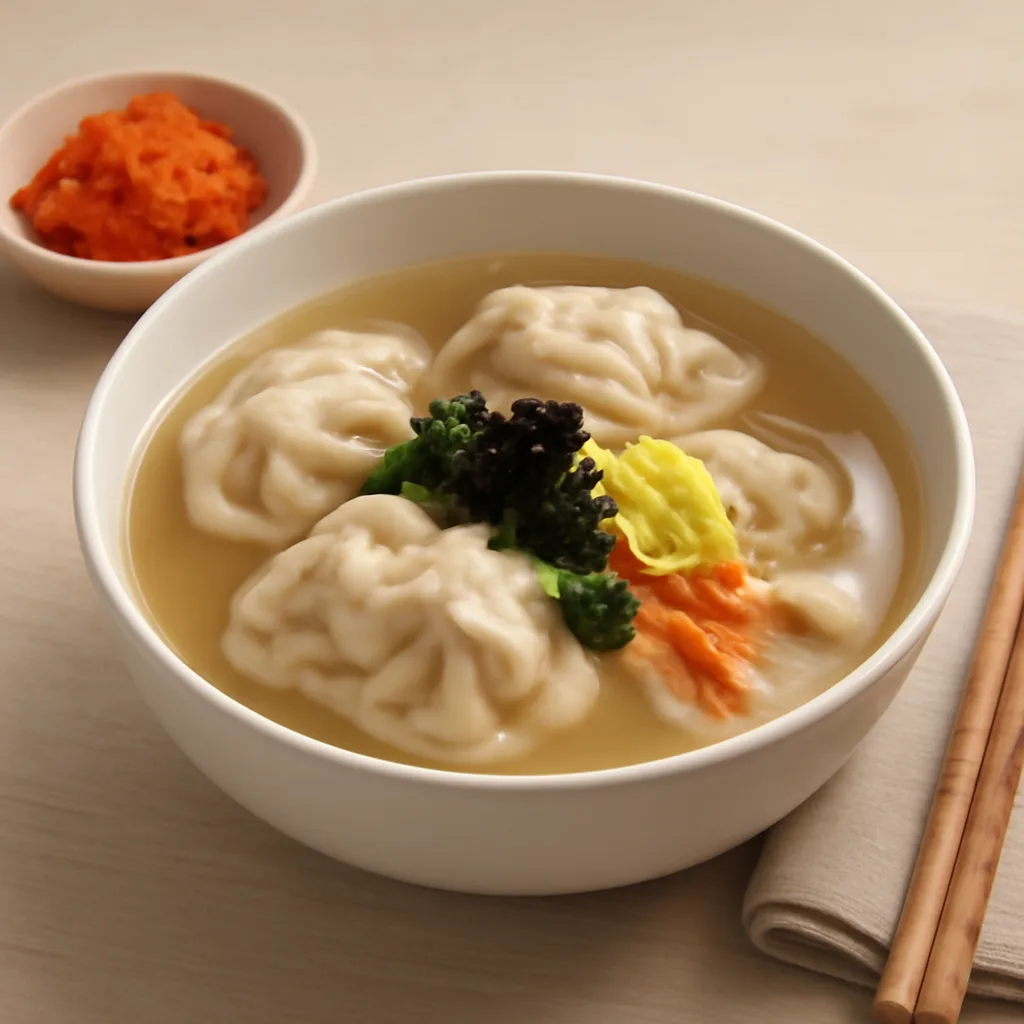
- In dumpling soup, noodle soup with dumplings, and hot pot, add dumplings when the broth is simmering and cook until the wrappers float and become more translucent. If the dumplings are already heavily seasoned, start with less salt or soy sauce in the broth.
- Steamed dumplings are easy for breakfast or a light meal, and pairing with vegetable side dishes or clear broth can balance flavors. You can use a microwave instead of a steamer, but the wrappers tend to dry out, so lightly moisten the surface or cover.
- Air fryer cooking can reduce oil and create a crispy surface. However, for products with thicker wrappers, the outside may dry first, so check the status midway and add a brief extra cook if needed.
Preparation tips
- Most frozen dumplings are best cooked without thawing to prevent the wrappers from becoming soggy or sticking together. If the package provides separate cooking instructions, follow those first.
- If the surface of the dumplings is coated with ice, brush it off before pan cooking. Melted ice water contacting oil can cause splattering, and a sudden drop in pan temperature may prevent a crisp bottom.
- When making fried dumplings, place them in a wide pan with space between dumplings. If packed too tightly, steam won't escape as well and they may cook more like a steam-fry; if the bottom is not browned enough, uncover at the end to evaporate moisture.
Cooking characteristics
- Frozen dumplings initially require lower pan heat, so it is more stable to start with medium heat to form a browned bottom and then add water to finish cooking through. When steaming or boiling, if the skin swells and edges become flexible, heating is progressing. If the wrapper becomes too soft or the broth turns cloudy and dumplings burst, reduce the boil and shorten the cooking time. The water in the pan will steam the filling, but if oil is added while water remains, it can splatter. For a crispy finish, evaporate remaining moisture after most of the water has evaporated, then finish with small amount of oil. In an air fryer or oven, dry heat can quickly color the surface. If the wrapper is already colored but the filling is still cold, lower the temperature a bit and split the time to cook more evenly.
Good combinations
- For meat dumplings, pair with soy sauce with a touch of vinegar; for kimchi dumplings, a less sweet soy sauce works well. If the dumplings are strongly seasoned, keep the sauce thin and more acidic for balance.
- In clear dumpling soup, add scallions, egg, and tofu for aroma and light texture to not overwhelm the dumpling flavor. In a rich hot pot, mushrooms, tofu, or napa cabbage that absorb broth work well, but avoid adding dumplings too early or the wrappers may leak.
- Crispy fried dumplings pair well with crunchy cucumber- or cabbage-based side dishes or pickled vegetables. Creamy sauces can be used, but may feel heavy when paired with fatty meat dumplings.
Points to consider when substituting
- If frozen dumplings are unavailable, you can use fresh dumplings in dumpling soup or hot pot, but fillings with thin wrappers cook faster and burst easily, so add near the end of cooking.
- For fried-dumpling purposes, you can substitute with frozen versions that wrap filling like spring rolls, gyoza, or small pies, but the filling and wrapper thickness vary, so the same amount of liquid and cooking time may not apply.
- If the dumplings contribute mainly fullness and carbohydrates in the broth, you can substitute with rice cakes, sujebi, or noodles. However, they won’t fully replace the meat and vegetable flavors of the dumpling filling, so if needed, add minced meat, tofu, or vegetables separately to compensate.
Ingredients commonly used together in actual dishes
Aggregated based on the co-occurrence count of representative ingredients in public dishes registered in CookPagoda.
Dishes that use this ingredient
Shows dishes where this ingredient is a representative ingredient, sorted by view count.