Ingredient Encyclopedia
Check the characteristics of the ingredients and how to use them in cooking.
Bok choy
2
4
Bok choy is a vegetable of the cabbage family, eaten with white stalks and dark green leaves together. The stalk provides a crisp, refreshing moisture, while the leaves add a soft texture, creating contrast as a single ingredient. It is especially well suited for quick-cooking methods such as stir-frying, soups, steaming, and blanching. When cleaning, trim only a small portion of the hard base and rinse thoroughly to remove soil between the leaves. Small heads can be cooked whole, but if the heads are large or the stalks are thick, it’s better to separate stalks and leaves for even cooking. If the leaves wilt first but the stalk remains firm, cook the stalk first and add the leaves at the end. Bok choy loses its bright color and crisp texture if boiled for too long or releases too much moisture. It can be cooked fully for soups or stews that require soft interior and broth harmony, but if the aroma has been reduced in a fry, it’s better to cook on high heat briefly next time and not overcrowd the pan with too much at once.
Taste and Texture
The flavor is relatively mild with not overpowering greenery scent, and a faint sweetness with a touch of bitterness may be felt. The white stalks are crunchy and moist, and the leaves soften quickly when heated. It takes well to bold seasonings like garlic, ginger, and soy sauce, but prolonged cooking with strong seasonings hides bok choy’s fresh character. If you want to preserve the crunch of the stalks, a quick stir-fry or light blanching is appropriate.
Main uses
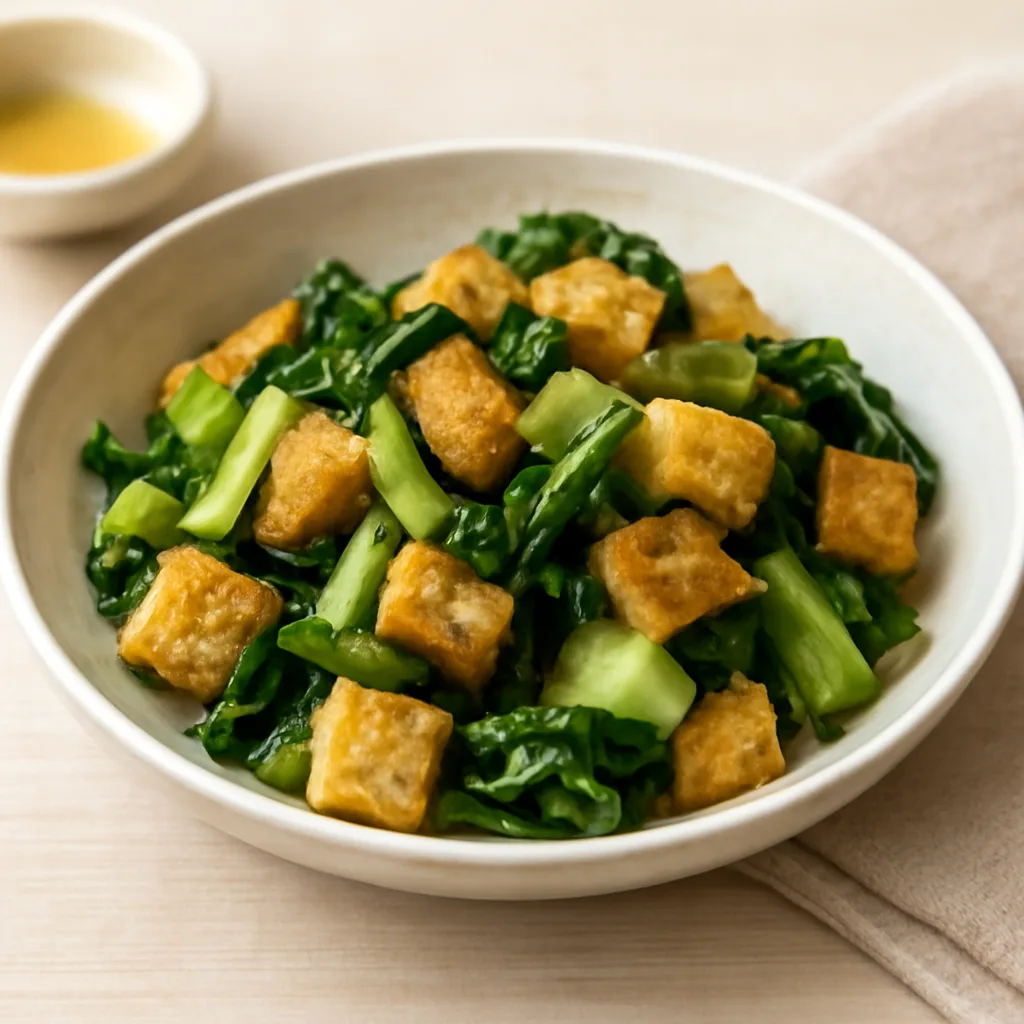
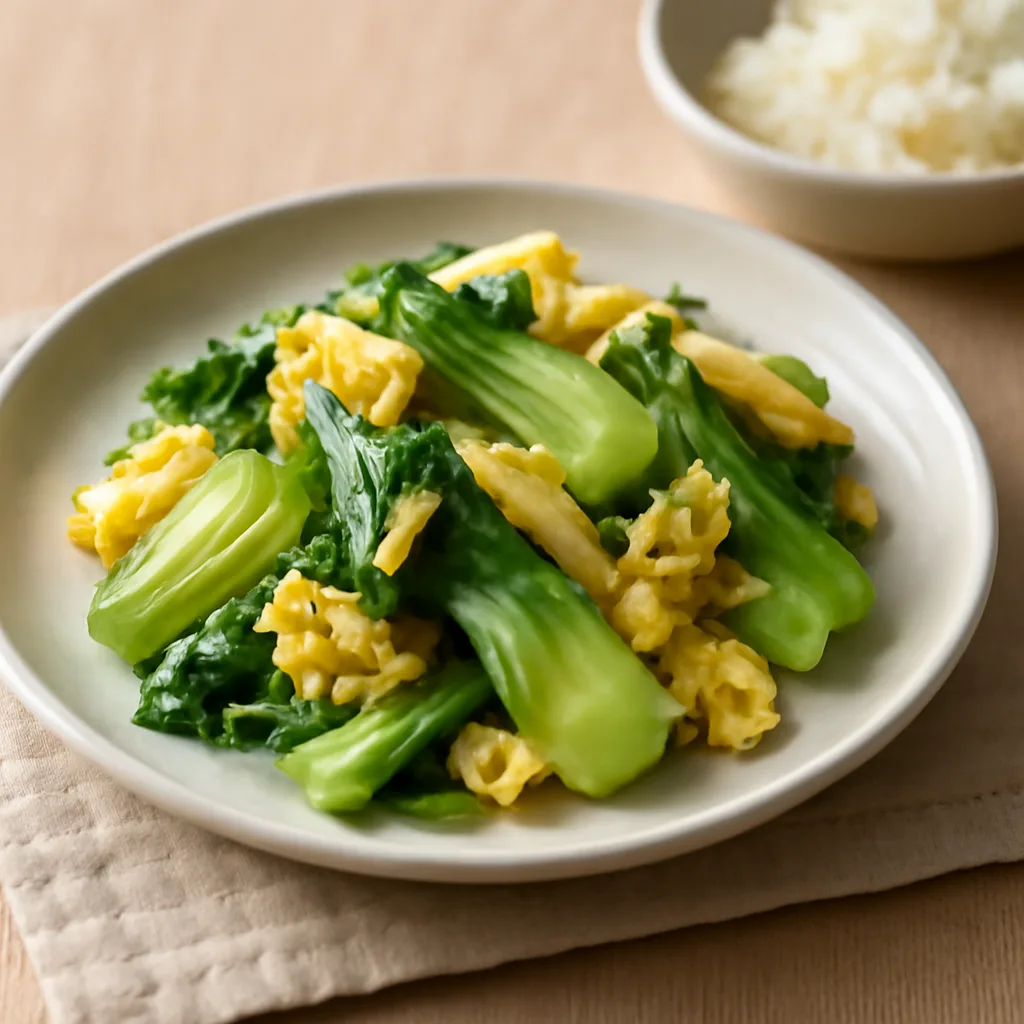
- Stir-fry quickly over high heat with garlic, seasoning with soy sauce, oyster sauce, or salt for a simple side dish. When adding to a pan, if there is a lot of moisture, the pan can become crowded, so divide the amount to let moisture evaporate.
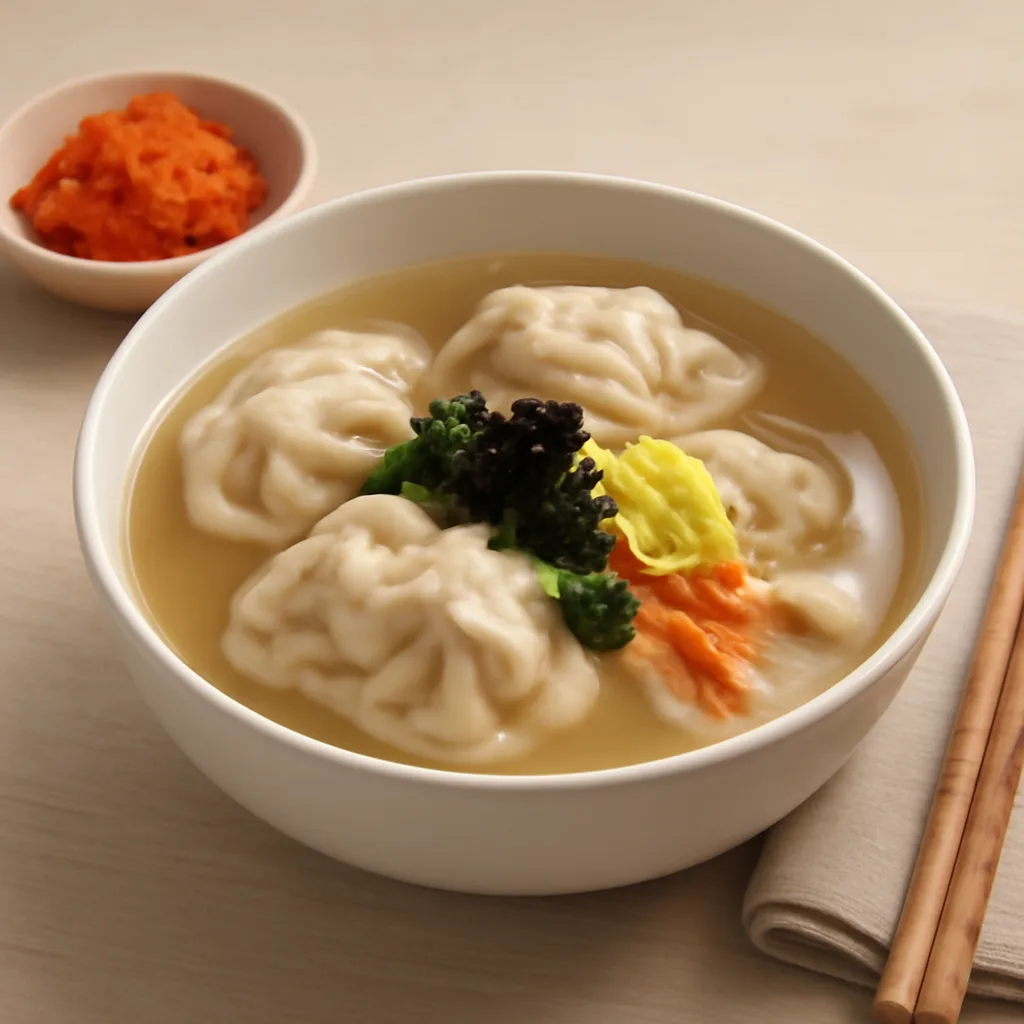
- Add during the final stage to clear broths, light soups, noodles, or hot pots to gently cook. Leaves cook quickly in broth, so add the stalks first, or cut bok choy in half so the stalk side touches the broth.
- Blanched bok choy can be mixed with light seasonings like sesame oil, soy sauce, and minced garlic to make a side dish. After blanching, if too much moisture remains, the seasoning can thin out, so let it rest briefly and lightly season.
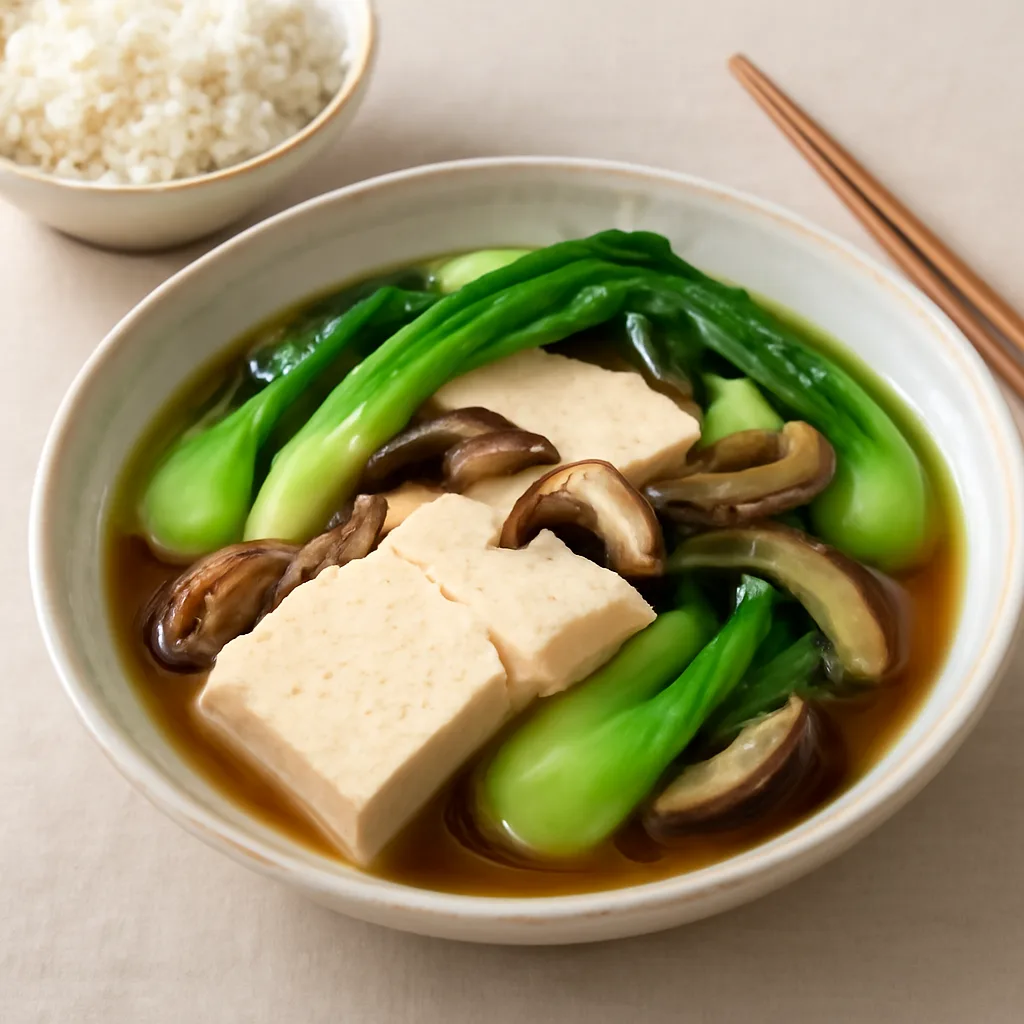
- Place on the bottom of stews or fish/tofu dishes and cook together to absorb moisture and seasonings from the ingredients. However, in longer stewing, the leaves can become overly soft, so add toward the end for better texture.
Preparation tips
- After trimming the base, spread the leaves and rinse under running water, checking that soil or debris between the stalks is gone. When using whole heads with a hard base, make a shallow cross-cut so heat reaches inside more evenly.
- When stir-frying, remove as much moisture as possible. If water droplets remain on the surface right after washing, they can steam rather than fry and dilute the sauce, so drain in a sieve or pat dry with paper towels.
- For large bok choy, separate stalks and leaves or cut vertically into halves or quarters. Since the stalks are thick, adding the leaves at the same time can cause the leaves to soften too soon; first cook the stalks for 30 seconds to 1 minute, then add the leaves.
- When blanching, boil water with a little salt and cook briefly, then drain. Boiling the stalks until very soft is not ideal for salads, so adjust the time according to the desired tenderness.
Cooking characteristics
- Stir-frying on high heat for a short time keeps the stalks relatively crisp while the leaves become glossy and slightly wilted. If the pan is not hot enough or there are too many ingredients, moisture may release first, so preheat the pan well or cook in batches.
- Salt or other seasonings can draw moisture from bok choy. If the goal is a crisp texture, add seasonings after the vegetables are somewhat cooked and finish quickly.
- In broth, the sweetness of the stalk and the vegetable aroma spread mildy. It can be good for soft textures in stews, but if you want to preserve color and texture in clear noodle dishes, turn off the heat just before adding.
- Cooking with a little oil helps the seasoning stick to the leaf surface and enhances flavor. On the other hand, too much oil can mask the bok choy’s light moisture, so use only a small amount for light broth dishes to bring out the fried aroma.
Good combinations
- Use with garlic, ginger, and scallion to create a gentle vegetable flavor with a aromatic center. Use small amounts of ginger so it doesn’t overpower bok choy’s fresh scent.
- Pairs well with savory sauces like soy sauce, oyster sauce, or miso; for stir-fries, finish with a little sesame oil or chili oil. If using a thick sauce like oyster sauce, dissolve a bit in water to prevent clumping in one spot.
- Pair with tofu, mushrooms, shrimp, or chicken to complement bok choy’s stalk texture. When using fatty meats, avoid over-stir-frying bok choy to keep moisture and a clean bite.
- When serving with noodles or rice, the crisp stalks provide contrast. If the dish already has a salty sauce, keep bok choy itself lightly seasoned to balance overall saltiness.
Points to consider when substituting
- For dishes needing both crisp stalks and soft leaves, you can substitute with small cabbages or similar leafy greens, but moisture content and cooking times will differ. If the substitute has thicker stalks, cook them first and add leaves later.
- Spinach can replace leaf softness but has less crisp stalks and wilts much faster, so in dishes where texture matters (like bok choy stir-fry), add spinach at the end in small amounts.
- Cabbage is a safe alternative in broths or stews, but its sweetness and volume may differ from bok choy. For soups where you want bok choy’s bright green color, it may be hard to achieve the exact same result.
- If bok choy is the main ingredient, changing the recipe may be better than swapping ingredients. For example, a garlic-fried dish that relies on stalk texture is better with mushrooms or tofu to provide a different texture.
Ingredients commonly used together in actual dishes
Aggregated based on the co-occurrence count of representative ingredients in public dishes registered in CookPagoda.
Dishes that use this ingredient
Shows dishes where this ingredient is a representative ingredient, sorted by view count.