Ingredient Encyclopedia
Check the characteristics of the ingredients and how to use them in cooking.
Namul
1
1
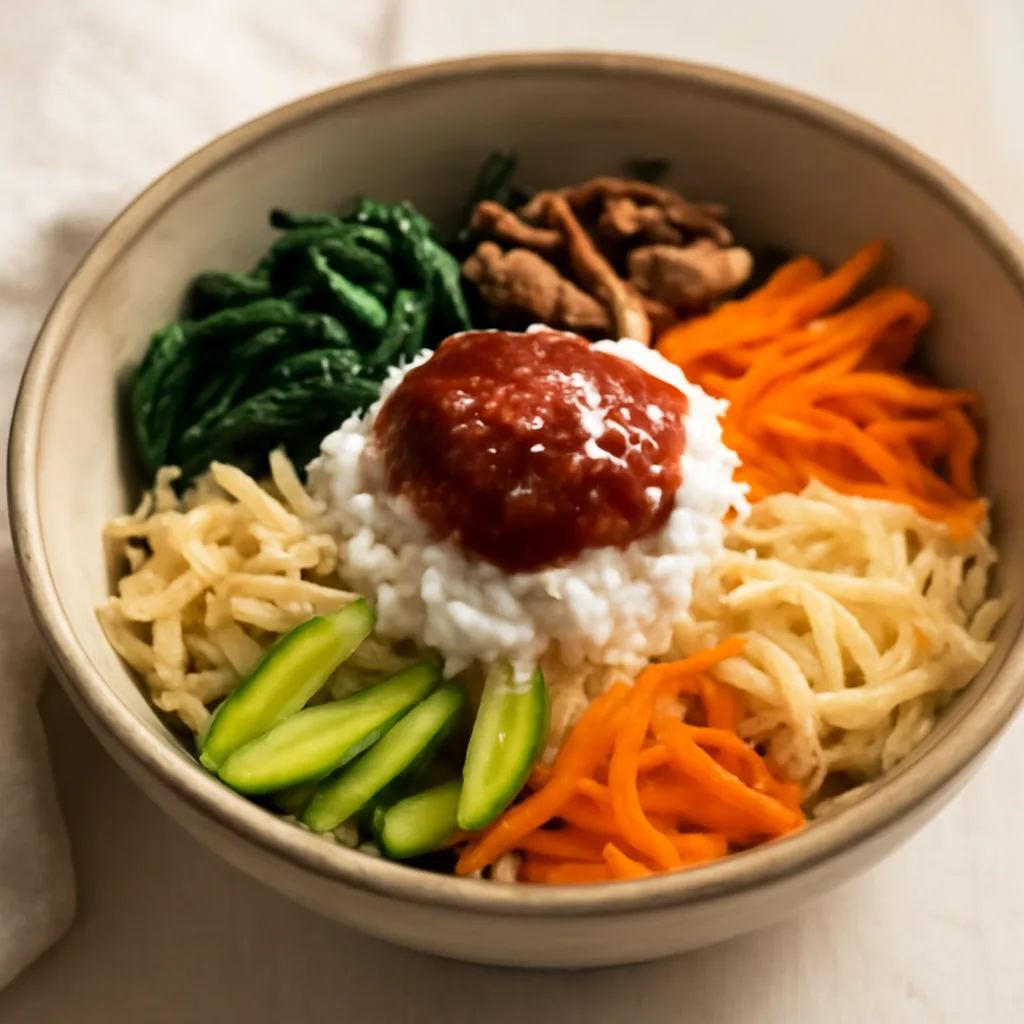
Namul refers to edible greens, stems, roots, and sprouts that are blanched or sautéed and eaten as side dishes, and also to the cooking style itself. From leafy greens that can be eaten raw like spinach to ingredients with distinctive aroma and prep such as bracken, chaenomeles? (취나물), and bellflower root (doraji), the range is wide, so even within the same 'namul' the water content, bitterness, and required level of doneness vary greatly. Typically, namul is briefly blanched and seasoned or stir-fried. Seasonings such as sesame oil, garlic, gukganjang, and doenjang help to mellow the rawness and slight bitterness of the ingredients. It can be used mixed with rice to make bibimbap, as part of a meal with various banchan, or as a topping in soups or stews. The core of preparing namul is reading the state of each ingredient. Leaves of tender namul should stay vibrant in color, and if the stems bend slightly, they should be cooled immediately to keep their texture. Tough stems or dried namul should be fully hydrated and boiled to soften the texture before seasoning.
Taste and Texture
Namuls range in flavor from fresh, savory and nutty to fragrant and slightly bitter. Wild greens have relatively strong aromas, while namul centered on roots or stems can show a gentle sweetness, an earthy aroma, and a chewy bite. Well-prepared namul remains moist while retaining the intrinsic texture of the ingredient. In contrast, over-blanched namul becomes dull in color, soft, and if not squeezed of moisture enough, the seasoned flavor can become thin and the texture unstable.
Main uses
- Blanched namul is seasoned with salt or gukganjang, minced garlic, sesame oil, and sesame seeds to make a seasoned side dish. For ingredients with strong aroma, it is better to keep the seasoning light to preserve the aroma rather than overwhelming with salt.
- Water-squeezed namul can be quickly stir-fried to add a nutty flavor. If there is a lot of moisture on the pan bottom, it can become stewed-like, so in that case briefly dry off moisture over high heat and then add more oil.
- Several namuls can be placed on top of rice for a bibimbap-style dish. In this case, it is better to season each namul relatively evenly rather than making overall seasoning uneven, so that the overall taste is not too salty.
- Soaked bracken or other namul with a visible texture can also be used as ingredients in a broth-based dish. If the namul is already soft, do not simmer for long, or the texture may break down too much.
Preparation tips
- Select and trim away wilted leaves and tough stems from fresh namul, and rinse any soil in crevices by rinsing multiple times. If sand sticks to leaves after washing, soak briefly to let impurities settle before draining.
- When blanching, add a pinch of salt to boiling water and add the stems first. Remove when stems are soft and the leaf color becomes more vivid; if the leaves are already wilted, reduce blanching time next.
- Cool namul quickly after blanching to stop the cooking process, and squeeze out moisture as needed before mixing. If the namul is too wet and droplets keep falling when squeezed, lightly salt again.
- For dried namul, be sure to rehydrate sufficiently and boil until the tough grain is gone. If you can easily break it by hand, it needs less soaking or boiling time, but if it remains hard, extend soaking or cooking time and then keep stir-frying short.
Cooking characteristics
- Leafy namul shrink rapidly in volume and release moisture when heated. Stir-frying a large amount in a wide pan helps preserve aroma, but if cooked all at once, it can steam and become soft.
- If you season namul immediately after blanching, the flavor tends to stay on the surface first. Let it sit for a moment and adjust seasoning if pale; adding more soy sauce from the start can cause over-saltiness.
- Sesame oil is a fragrant seasoning, so adding it at the end enhances its nutty aroma. However, for strongly aromatic namu like chae? 취나물 or fragrant wild greens, using too much sesame oil can overpower the ingredient's own aroma.
- Garlic and miso-like pastes (doenjang), appear helpful for mellowing bitterness or earthy aromas but can feel heavy on tender namul. If the ingredient flavors feel weak, better to reduce cooking time rather than add more seasoning.
Good combinations
- Sesame oil and sesame seeds add nuttiness to plain namul, while gukganjang or salt keeps the ingredient color and aroma moderately restrained.
- Garlic pairs well with namuls where the aroma is mild or the stem flavor is pronounced, but for delicate greens like young leaves, use less.
- Doenjang, gochujang, or perilla seed powder can add depth to namuls with aroma or bitterness. However, in bibimbap or other heavily seasoned dishes, reduce these to avoid dulling the overall flavor.
- Tofu, rice, eggs, and mushrooms pair with namul to balance aroma and texture within a meal.
Points to consider when substituting
- Replacement for specific namul depends on aroma, stem texture, and whether the ingredient is fresh or dried. For blanched-and-tliced purpose, soft greens like spinach or bok choy leaves can be used with similar preparation, but cannot fully replace the distinctive aroma of chae? chaenomeles? (취나물).
- For broth dishes that require a chewy texture like dried bracken, consider rehydrated dried mushrooms or textured vegetable stems. Mushrooms bring different moisture and aroma, so adjust seasoning and simmering time accordingly.
- When substituting for doraji (bellflower root) with a crisp, bitter crunch for a namul, options include water kimchi cucumber? or bark? Hard to translate. Materials that can be cut and mixed after prep, such as radish or deodeok, can work. If you are aiming for bitterness, decide whether to add salt brining or blanching during tasting.
Ingredients commonly used together in actual dishes
Aggregated based on the co-occurrence count of representative ingredients in public dishes registered in CookPagoda.
Dishes that use this ingredient
Shows dishes where this ingredient is a representative ingredient, sorted by view count.