Enciclopedia de ingredientes
Descubre las características de los ingredientes y cómo utilizarlos en la cocina.
Kale
1
3
Kale is a leafy green vegetable with dark green leaves and a sturdy stalk, and its用途 vary greatly depending on whether eaten raw, blanched, sautéed, or roasted. Young leaves are great for salads, broad and tough leaves suit soups, stir-fries, and stews. Choose leaves with bright color, sturdy edges, and not wilted for easy prep. The thick central stalk cooks slower than the leaves and has a strong fibrous texture, so it is usually separated and used. You don't need to discard the stalk, but it's good to finely chop it and sauté it before the leaves or cook it well in soups. If raw kale’s bitterness is too much, lightly massage with salt or add acidity and oil together; very long boiling can cause color and shape to break down.
Sabor y textura
Kale has a vivid green vegetable flavor with a hint of bitterness, accompanied by a grassy aroma; the stronger the leaves, the more pronounced the flavor and chewy texture. Raw leaves are tough and resilient, but thinly slicing or massaging makes them much softer. When heated, volume greatly reduces and texture becomes softer, but if cooked briefly the stalk retains some chewiness. High-heat quick stir-frying can make the edges slightly crispy, whereas cooking in a water-rich pan for a long time makes them soft and brings out the bitterness.
Métodos principales de uso
- Thinly sliced kale adds bite to salads or grain bowls. When using raw, a good method is to pre-toss the leaves with dressing to soften them.
- Stir-fry kale briefly in garlic and oil to use as a side dish or as part of vegetable in pasta. If the pan is too small and leaves overlap, cook in batches or add leaves gradually to prevent excess moisture.
- For soups, stews, or miso soup with liquid, add coarsely chopped kale for a hearty texture. If you want softer leaves, add early; if you want to retain color and shape, add toward the end.
- In an oven or air fryer, kale can be baked with a thin coating of oil to make crispy kale chips. When leaf size and thickness vary, pieces will brown from the outside first, so check halfway through.
Consejos de preparación
- Rinse leaves by running water, spreading out the wrinkles and around the stalk to remove dirt, then pat dry thoroughly. Water droplets on the surface can cause oil to splatter when frying, or make the chips soggy when roasting.
- Hold the thick midrib with your hand to separate it from the leaves, or cut it away with a knife. If you plan to use the stalk, slice it thinly to separate from the leaves to adjust cooking time.
- For salad kale, cut into bite-sized pieces and toss with a pinch of salt and a little oil or dressing to knead gently for 1–2 minutes. When the leaves darken and volume decreases, it means the tissue has loosened; kneading too long can make them soggy.
- For stir-fry or soups, prepare the stalk and leaves separately. Cook the stalk first, then add leaves to avoid the stalk being too hard and the leaves becoming over-soft.
Características al cocinar
- Kale wilts quickly when heated, so the final quantity appears smaller than the initial amount. When making a large stir-fry or soup for several people, plan for this volume reduction.
- When stir-frying quickly on high heat, if moisture releases too much in the pan, the heat cannot be maintained, leading to steaming. Do not add all leaves at once; cook in batches or clear the pan, then combine.
- In broth, the leaves soften the longer you simmer, and the green vegetable aroma infuses the broth. For dishes that benefit from a firmer texture, add leaves in the last minutes.
- When roasting, the edges dry out and darken first. If the edges turn brown quickly, the temperature or time may be too high; lower the temperature or remove earlier for the next batch.
Combinaciones que funcionan bien
- Garlic, onion, olive oil or sesame oil—aromatic fats—will round out kale’s rugged green aroma.
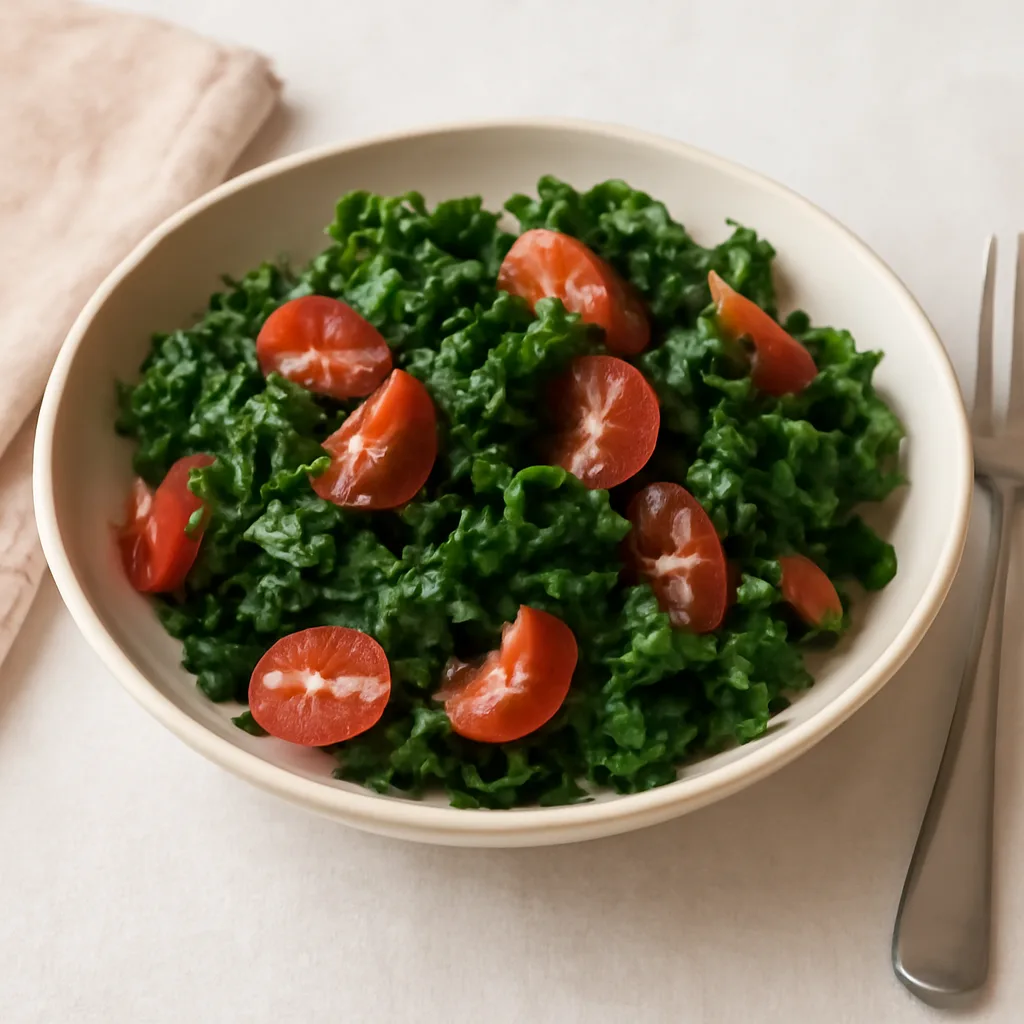
- Lemon juice, vinegar, or tomato—acidic elements—lighten the bitterness. However, if the dressing is too acidic, the leaves may wilt excessively.
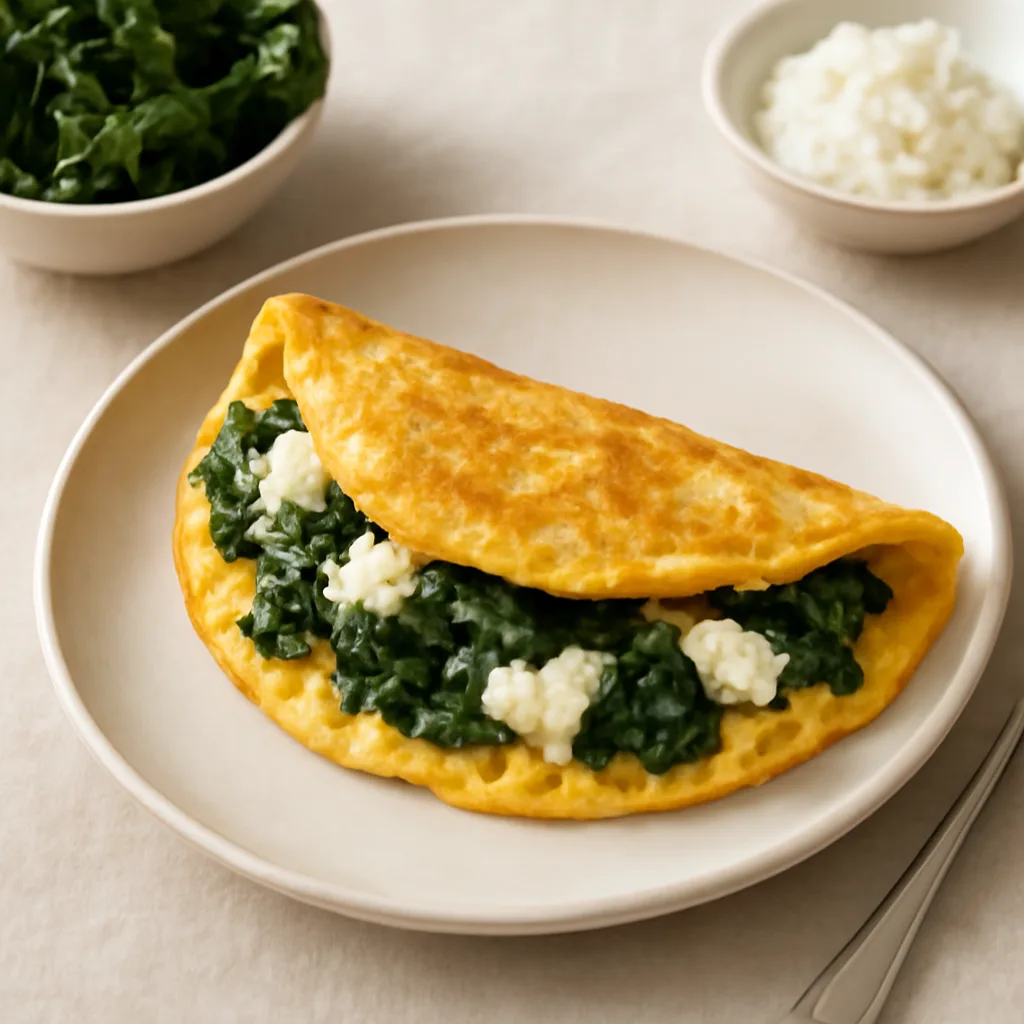
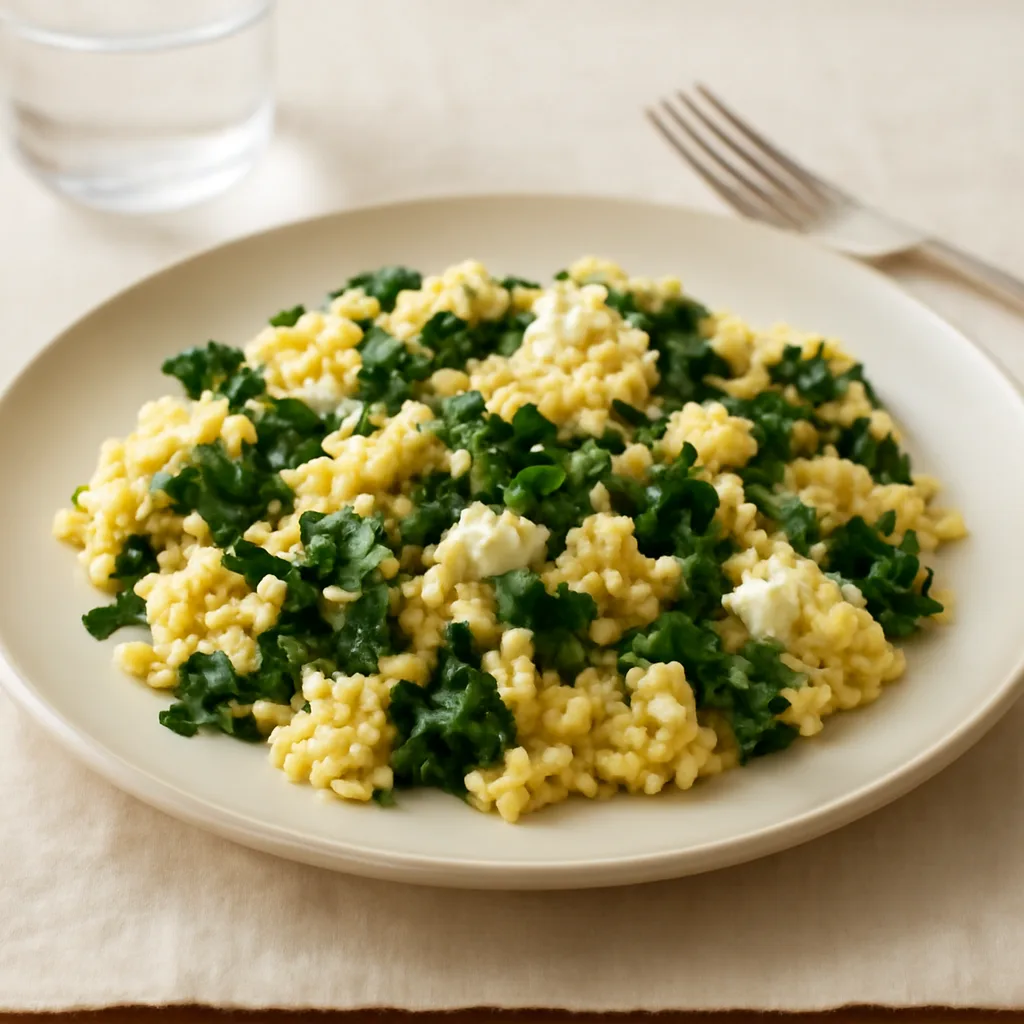
- Pairs well with neutral or savory ingredients like chickpeas, white beans, lentils, eggs, or cheese for a complete meal.
- Spicy peppers, miso, or soy sauce go well, but for kale chips where a crispy texture is the goal, a drier seasoning is preferable to heavy sauces.
Puntos a considerar al sustituir
- If you need the chewy bite of kale in a salad, you can mix in some Swiss chard or sturdy romaine, but flavor bitterness and leaf elasticity will differ.
- In soups or stir-fries, alternatives include Swiss chard, collard greens, or spinach. Spinach wilts much faster, so don't add it at the same time as kale; add at the end.
- Kale chips can be made with thin broad-leaf greens as well, but depending on leaf thickness and moisture, crisping time varies. Adjust by watching the edge color rather than following exact time and temperature.
- In long-simmered dishes like miso soup or rich stews, you can substitute cabbage or bok choy for kale, but cabbage softens faster and releases more moisture, altering the soup’s thickness.
Ingredientes que se utilizan frecuentemente juntos en alimentos reales
Se recopila en base a la frecuencia de aparición de ingredientes representativos en alimentos públicos registrados en CookPagoda.
Alimentos que utilizan este ingrediente
Mostramos los alimentos en los que este ingrediente es un ingrediente representativo, ordenados por número de vistas.