Encyclopédie des ingrédients
Découvrez les caractéristiques des ingrédients et comment les utiliser en cuisine.
crevettes
2
4
Shrimp can vary greatly in impression depending on whether you remove the shell and head to use the meat, or roast with the shell on to add aroma. They have natural sweetness and umami, pairing broadly with simple seasonings like salt, garlic, butter, as well as gochujang, soy sauce, tomatoes, and curry. They are versatile for stir-frying, grilling, steaming, soups, jeon (savory pancakes), pasta, and salads. Since they cook quickly, it’s easier to maintain texture by timing other ingredients first and adding shrimp last. Conversely, if you want the shrimp flavor to infuse the broth, using the shell and head is more suitable. Cooked shrimp lose the opaque gray color and turn pink to orange, with meat becoming firm and bouncy. If the flesh curls too tightly and the surface looks tough, it may be overcooked, so lower the heat or reduce the cooking time in the next dish.
Goût et texture
Shrimp meat has a gentle sweetness, a marine aroma, and a salty umami. Raw shrimp are moist and tender, but once cooked they become firm and elastic. Strong spices or smoky aromas can also be absorbed, but sauces that are too heavy can mask the sweetness of shrimp. To highlight a delicate flavor, cook briefly and finish with lemon or herbs; for rich seasoned dishes, it’s better to cut the shrimp into larger pieces to leave a presence in the dish.
Principales utilisations
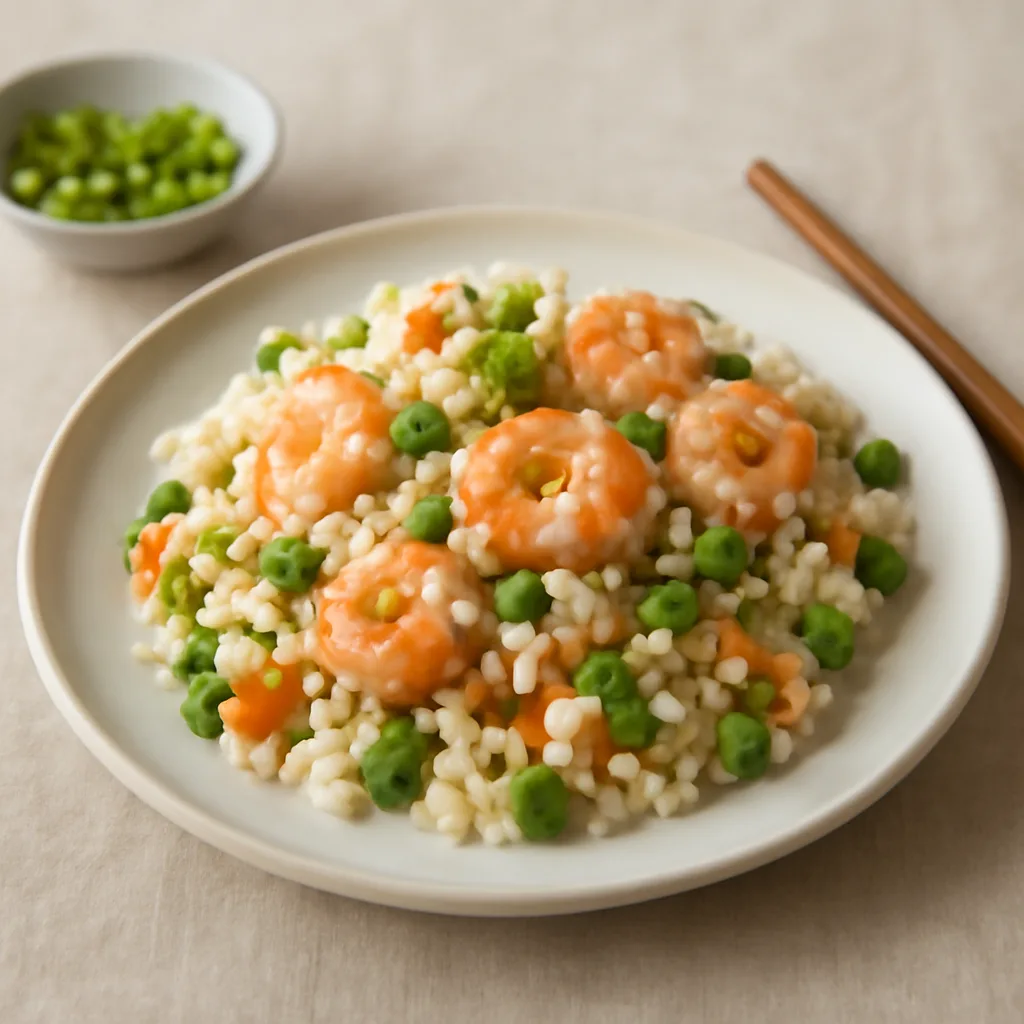
- Sauté briefly in garlic and oil for pasta, fried rice, or as a protein in donburi. When added to the pan, they change color quickly, so add them near the end after almost finishing vegetables or noodles to prevent overcooking.
- For soups, stews, or dishes with broth, add the meat at the very end to cook. If you want more depth in the broth, first sauté or simmer the shells and heads to extract aroma, then strain and cook the meat separately for a short time.
- For skewers, buttered, or salt-roasted preparations, using relatively large shrimp makes turning easier and prevents drying out. Shell-on cooking can intensify aroma, but is more tedious to eat and reduces direct contact of seasoning with the meat.
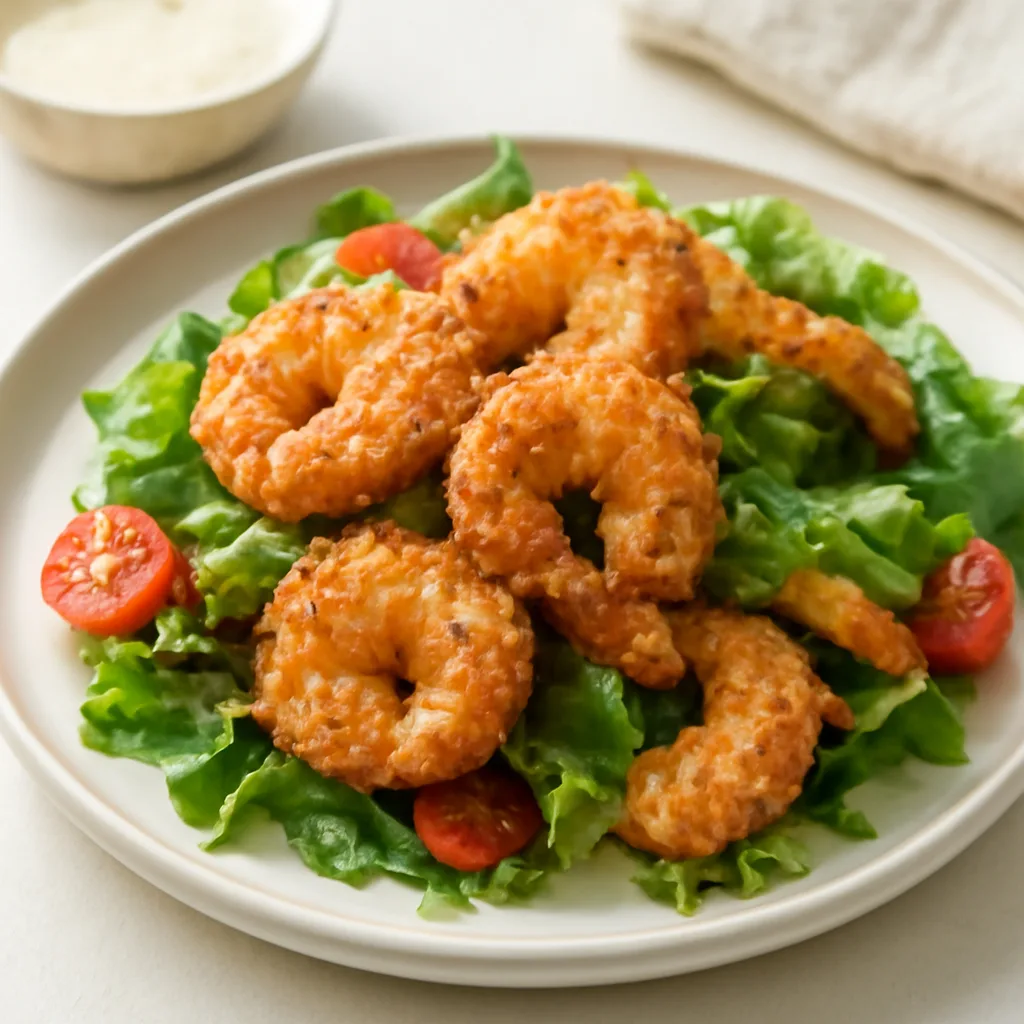
- In pancakes or fried items, pat the shrimp dry well before battering or dredging. Excess surface moisture causes batter to detach or oil splatter, so thawed shrimp should be patted dry with paper towels before use.
Conseils de préparation
- Thaw frozen shrimp slowly in cold water or in the fridge, then pat dry. If a lot of water remains after thawing, it’s better to use in broth or cook briefly on high heat after thorough drying.
- Peel and lightly slit along the back to remove the dark vein for a cleaner appearance and texture. For large amounts in fried rice or broth, skipping this step won’t greatly affect the dish but may increase prep time.
- If you want to cook shrimp flat and evenly, make shallow cuts along the underside in several places. Do not cut too deep, or the meat will separate and lose moisture; keep the cuts shallow.
- Seasonings like salt, pepper, garlic, and ginger should be added just before cooking. If left in a liquid marinade too long, moisture will pool on the surface and the shrimp may end up boiling rather than frying.
Caractéristiques lors de la cuisson
- Shrimp turn opaque and firm quickly when heated. When one side has mostly colored, flip to finish the other side and remove from heat once the center is no longer translucent.
- High heat helps develop a roasted aroma, but crowded shrimp won’t brown as well due to trapped moisture. If there’s a large amount, cook in batches or preheat the pan thoroughly and cook in small portions.
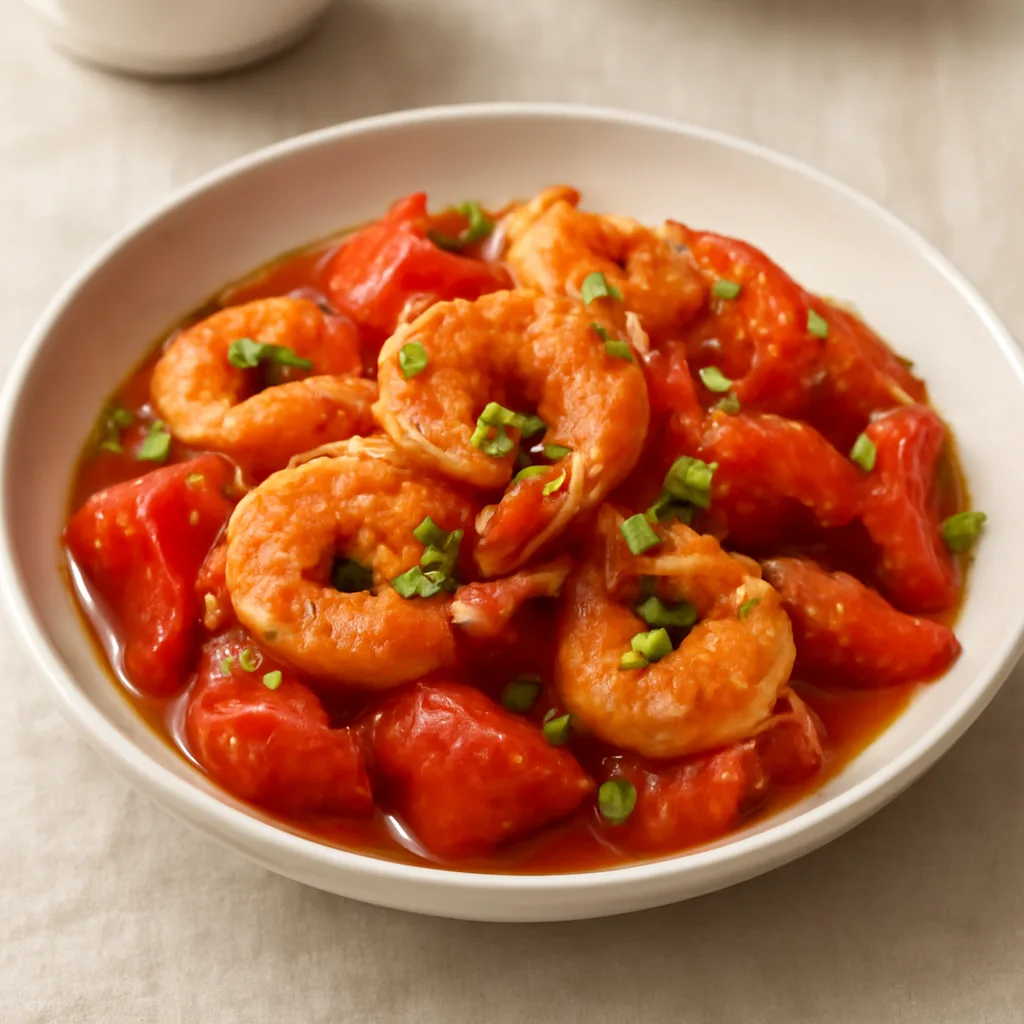
- The acidity from lemon juice, vinegar, or tomato sauce can brighten the shrimp, but adding too much early can lower the pan temperature. For roasted aroma, cook the shrimp first and finish with the acidic ingredient at the end.
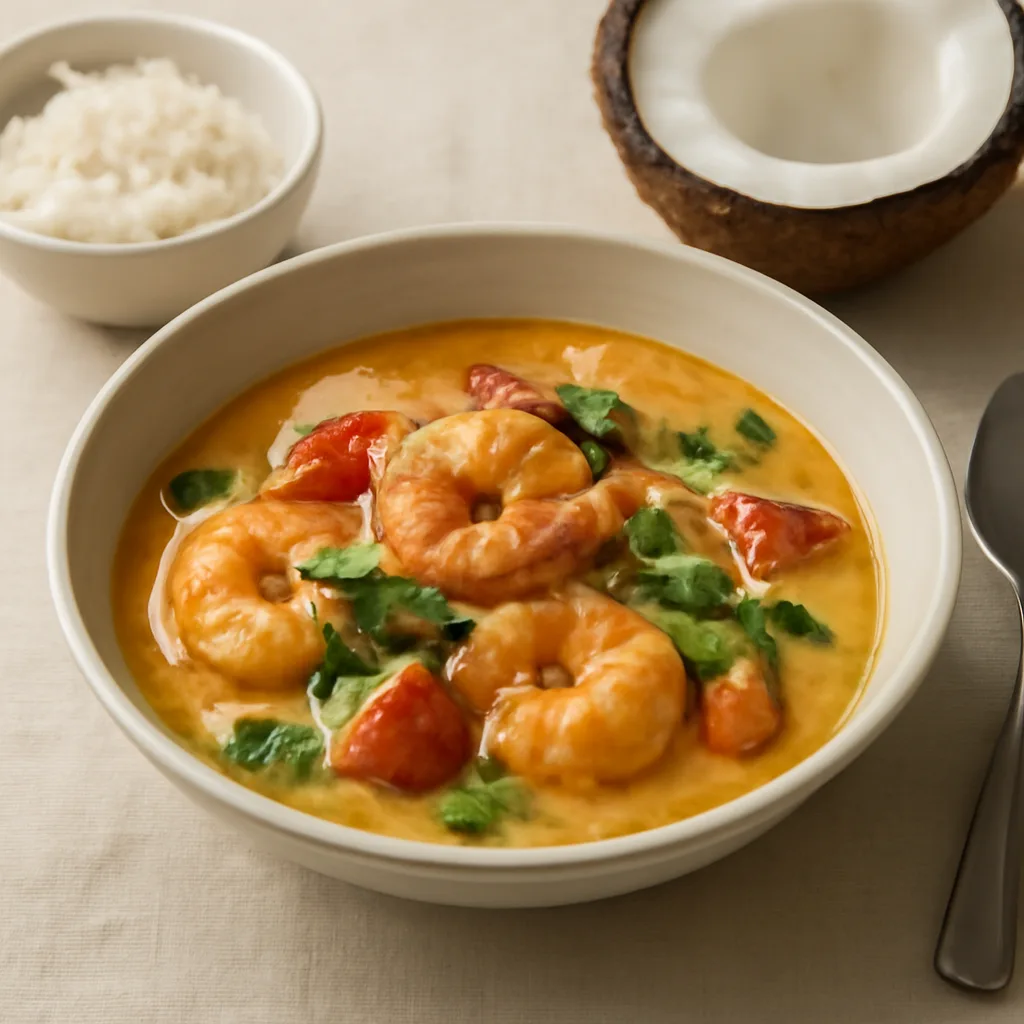
- In sauces with milk or cream, avoid cooking the shrimp for long in the sauce. Once the sauce is thickened, add shrimp briefly to maintain a springy texture.
Combinaisons recommandées
- Garlic, butter, olive oil, lemon, parsley, and dill beautifully enhance the natural sweetness of shrimp. Add lemon zest toward the end rather than too early to keep its aroma bright.
- Chili, ginger, green onion, soy sauce, and sesame oil create deep flavors for stir-frrys and broths. When soy sauce is strong, don’t add too much sugar or sweeteners; shrimp’s own sweetness will balance.
- Asparagus, broccoli, zucchini, mushrooms, and tomatoes—vegetables that cook quickly or release moisture—pair well. For potatoes or hard root vegetables that take longer, cook them first, then add shrimp.
- Shell and head aromas from shrimp work well as a base for tomato, saffron-like flavors, rice, or noodle dishes. In dishes where a clean and light flavor is desired, strong shell aroma may feel overpowering.
Points à considérer lors du remplacement
- For dishes where the firm texture of shrimp is important (stir-fries, pasta, grilling), consider substitutes of similar size such as scallops, squid, or white firm fish. Scallops have a similar sweetness but are thicker and cook differently, so adjust cooking time to avoid overcooking.
- If the goal is shrimp aroma in broth, you can use shellfish, crab, or other crustaceans, or a seafood stock. However, flavors and salt levels can change significantly, so adjust salt and liquid at the end.
- In spicy stir-fries or curries with heavy seasoning, firm tofu or mushrooms can be alternatives focused on texture. In this case, the unique shrimp umami and sweetness won’t be reproduced exactly, so it’s better to adjust the cooking method rather than rely on a simple substitute.
Ingrédients souvent utilisés ensemble dans les plats réels
Basé sur le nombre d'apparitions simultanées des ingrédients principaux des plats publics enregistrés sur CookPagoda.
Plats contenant cet ingrédient
Nous affichons les plats où cet ingrédient est un ingrédient principal, classés par nombre de vues.