Encyclopédie des ingrédients
Découvrez les caractéristiques des ingrédients et comment les utiliser en cuisine.
파르메산치즈
2
4
Parmigiano-Reggiano cheese is a hard, aged cheese used mainly to grate finely to add savoriness and a salty depth to dishes. It can be used not only as a finishing sprinkle over pasta but also mixed into sauces, soups, risotto, and bread crumb toppings to create a flavor core. Grating a chunk of cheese as needed yields a more pronounced aroma and easier control of melt. Pre-grated products are convenient, but if the particles are dry or coarse they may not melt smoothly into sauce, so when adding to hot dishes it’s better to lower the heat and mix in portions. Because it is a salty ingredient, it’s practical to adjust salt at the end. Rather than adding a lot to intensify the cheese flavor, start with a small amount, melt, taste, and add more to avoid a sauce that is overly salty or heavy.
Goût et texture
Salty and nutty, with a savory note from the aging. When grated thin, it melts relatively quickly in the mouth, while thicker shavings remain firm and crumbly. When heated, the fat and proteins soften and flavors spread, but overheating for a long time at high heat can separate oily and chunky. Therefore, for a smooth, cream-like sauce, it is best to melt it over gentle heat rather than boiling.
Principales utilisations
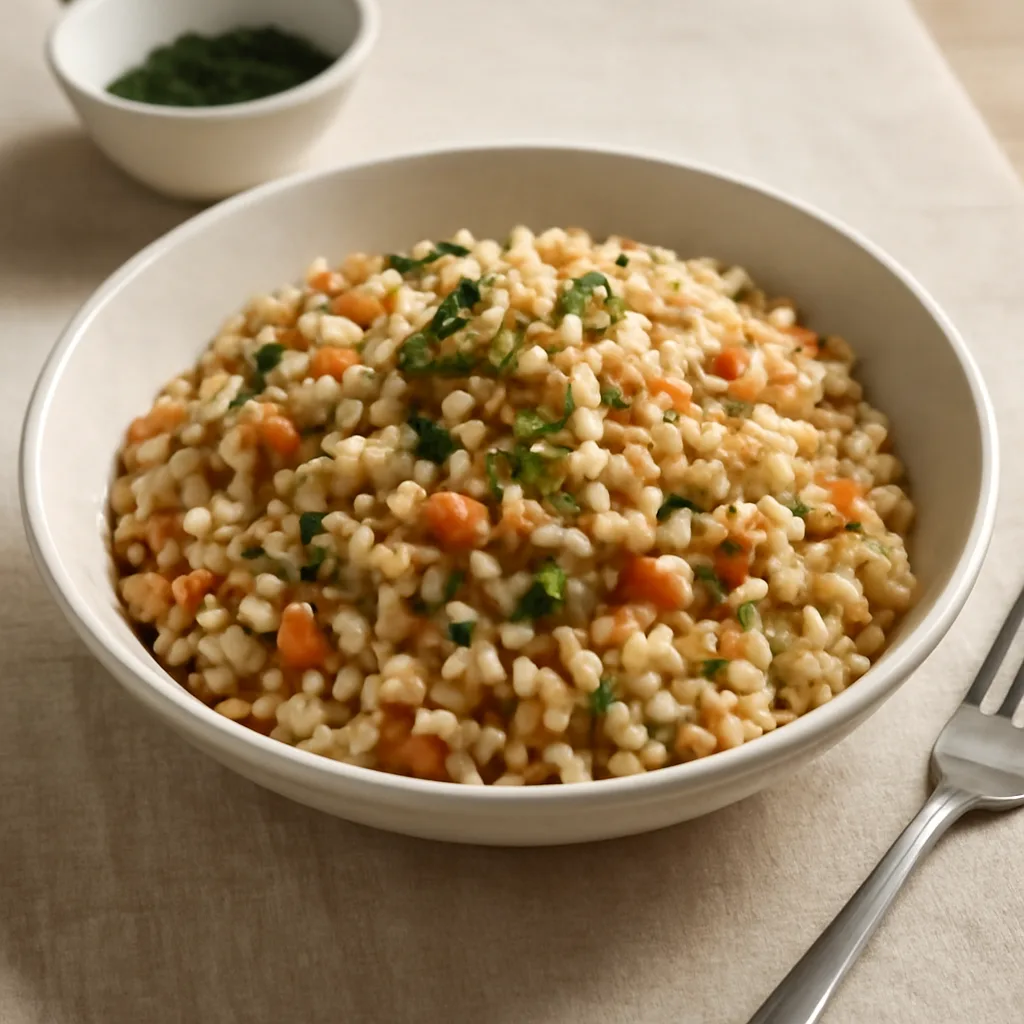
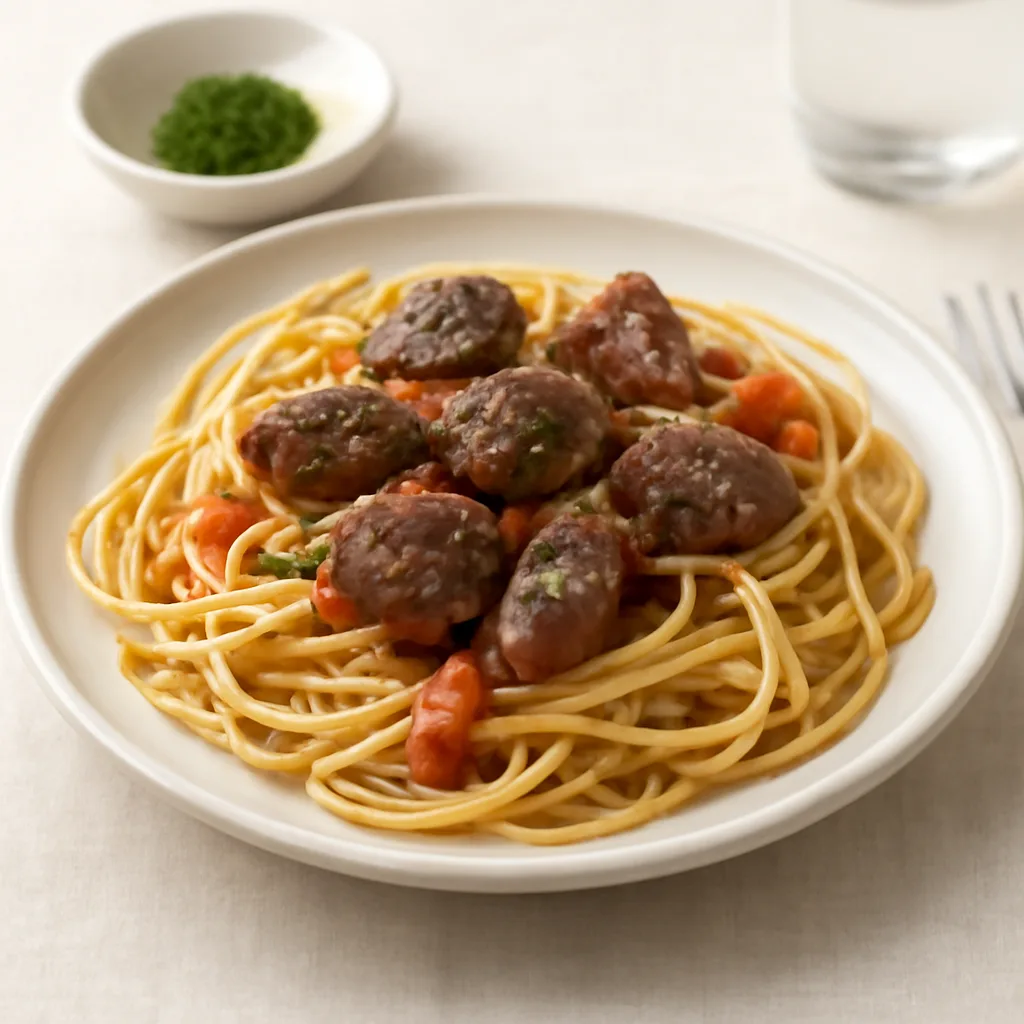
- Grate last over boiled pasta, gnocchi, or risotto to enhance aroma and saltiness. When plated, a finishing sprinkle makes the aroma clear; adding during cooking helps distribute the overall flavor more evenly.
- Add a small amount to tomato or cream sauces to adjust thickness and savoriness. If the sauce is already rich and salty, adding more cheese can create heaviness, so it’s better used as a finishing touch only.
- Grate into soups and stews or add with cheese skins during simmering to boost flavor. Skins may not soften nicely to eat, so remove before serving.
- Mix with breadcrumbs, herbs, and olive oil to create a crispy topping for vegetables, fish, or chicken. If the cheese colors deeply on the surface, lower the oven temperature or add more in the latter stage of topping.
Conseils de préparation
- Chunky cheese can be grated finely with a microplane to mix well with sauces and risotto, or shaved thin with a thick grate to keep texture on salads and plated dishes. Even same cheese can vary in melting speed and presence with particle size.
- When adding to hot pasta, reserve a little starchy water. If the cheese clumps, turn off the heat and whisk in gradually warmed pasta water to emulsify.
- Consider the cheese’s own saltiness and add salt toward the end of cooking. If, after tasting, savoriness is less than saltiness, balance with unsalted ingredients or more pasta water rather than adding more cheese.
- Cold grated cheese tends to crumble tidily, but too-large pieces may not melt quickly within a short cooking time. For sauces that need fast melting, finer particles are preferable.
Caractéristiques lors de la cuisson
- Parmigiano-Reggiano is relatively low in moisture, so it won’t melt into a perfectly smooth cream when added to liquids; instead, when finely grated and well incorporated, it distributes evenly in the sauce. If coarse particles remain, it’s best to grind the cheese more finely first.
- In liquids with starch like pasta water or fats in sauces, the cheese tends to emulsify and blend stably. Conversely, heating over high heat in a pan with little moisture can cause the fat to separate and clump, so keep the heat gentle.
- In the oven, the surface becomes golden and crispy with a rich aroma. However, very thinly sprinkled cheese browns quickly, so for ingredients that need longer cooking like vegetables, layering a lot of cheese from the start may not be ideal.
- It also pairs well with acidic tomato sauces; if you add too much cheese, the brightness can be muted and the sauce can feel hazy. To brighten the acidity, add less during cooking and more just before serving.
Combinaisons recommandées
- Ingredients with acidity like tomatoes, lemon, or vinegar help balance the saltiness and nuttiness of the cheese. For dishes with high acidity, start with a small amount of cheese to gauge balance.
- Butter, olive oil, cream, eggs, and mushrooms work well to build a deep, rich flavor. If you want lighter dishes, focus on one or two of these rather than using all of them extensively.
- Pairs well with aromatic herbs like pepper, garlic, basil, parsley, and rosemary. If you want to highlight delicate aromas, grate the cheese thinly and add at the end of cooking.
- Adds extra depth to mild vegetables like broccoli, asparagus, eggplant, and potatoes. If vegetables are already well seasoned, limit cheese to a topping.
Points à considérer lors du remplacement
- The closest substitutes are other hard, aged cheeses. However, different cheeses have different saltiness, aroma, and melting properties, so start with less and adjust after tasting.
- For dishes that require smooth melting like pasta or risotto, finely grated hard cheese is best. For salads or finishing toppings where texture of thin slices matters, choose a hard cheese that can be shaved thinly for a closer result.
- For vegetarian diets or when not using cheese, combine nutritional yeast, roasted nuts, and breadcrumbs to compensate for savoriness, but melting or salty umami properties won’t be exactly replicated as with Parmigiano-Reggiano. If thickness is needed in sauce, adjust with starch-containing pasta water or other sauce ingredients rather than simply increasing substitutes.
- Very strong-smelling blue cheeses or very soft cheeses may not be suitable direct substitutes for Parmigiano-Reggiano. If using them, reduce quantity and first determine whether their flavor can be a focal point of the dish.
Ingrédients souvent utilisés ensemble dans les plats réels
Basé sur le nombre d'apparitions simultanées des ingrédients principaux des plats publics enregistrés sur CookPagoda.
Plats contenant cet ingrédient
Nous affichons les plats où cet ingrédient est un ingrédient principal, classés par nombre de vues.