Guide de thème
Découvrez les critères de sélection des aliments et les idées de recettes correspondant à ce thème.
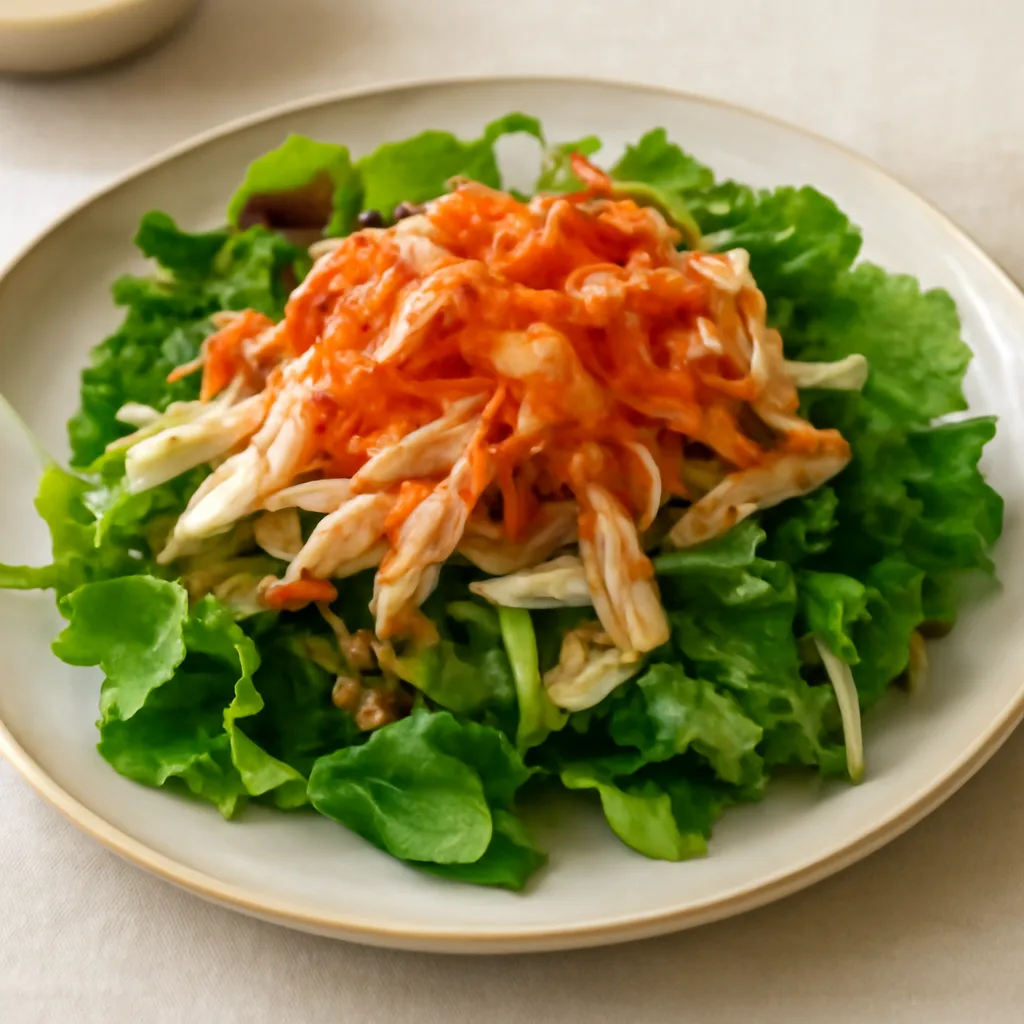
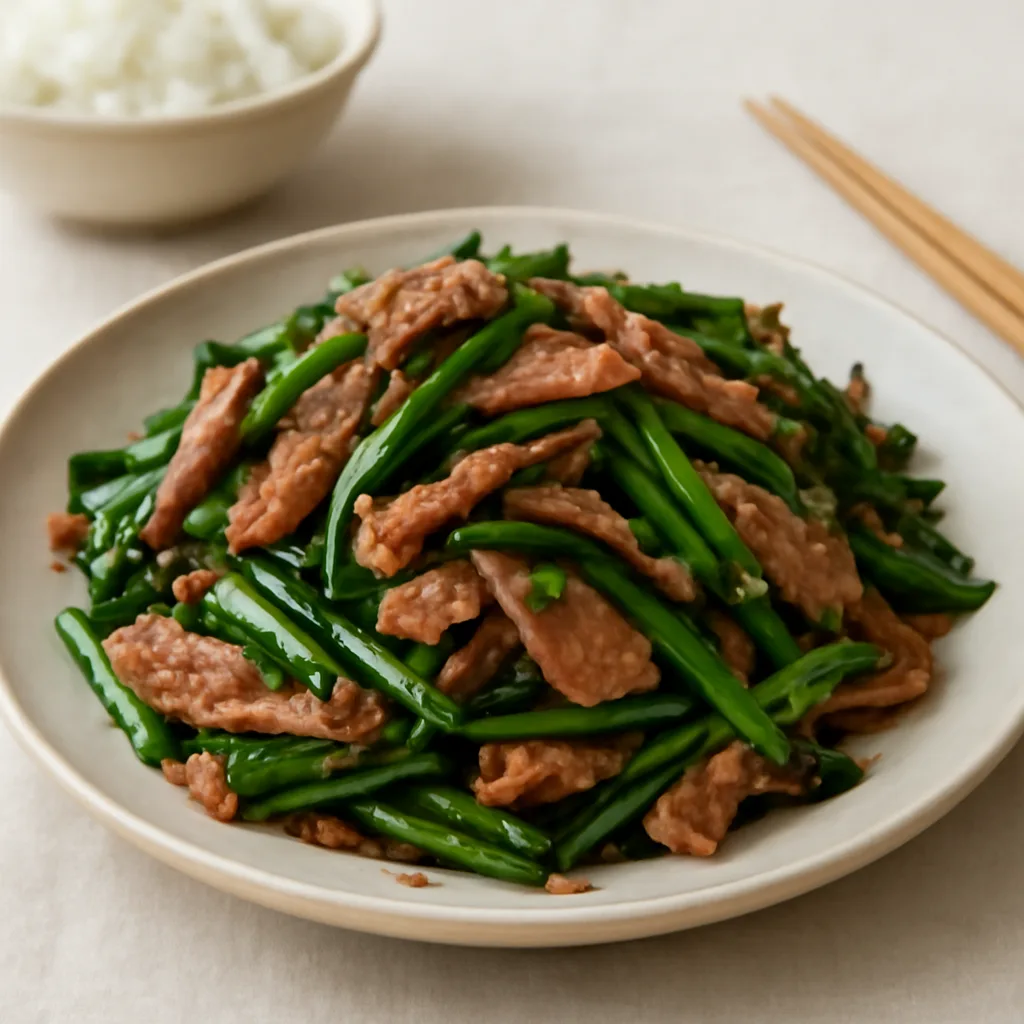
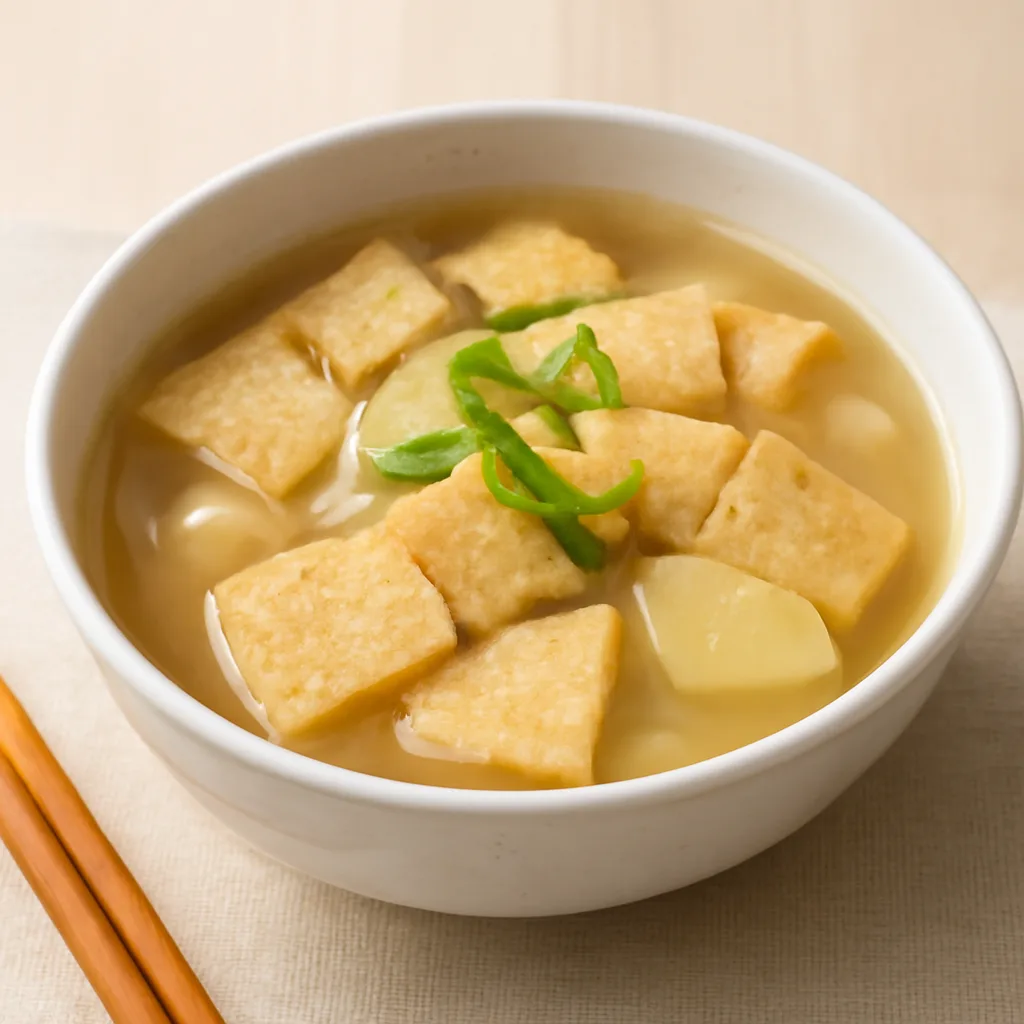
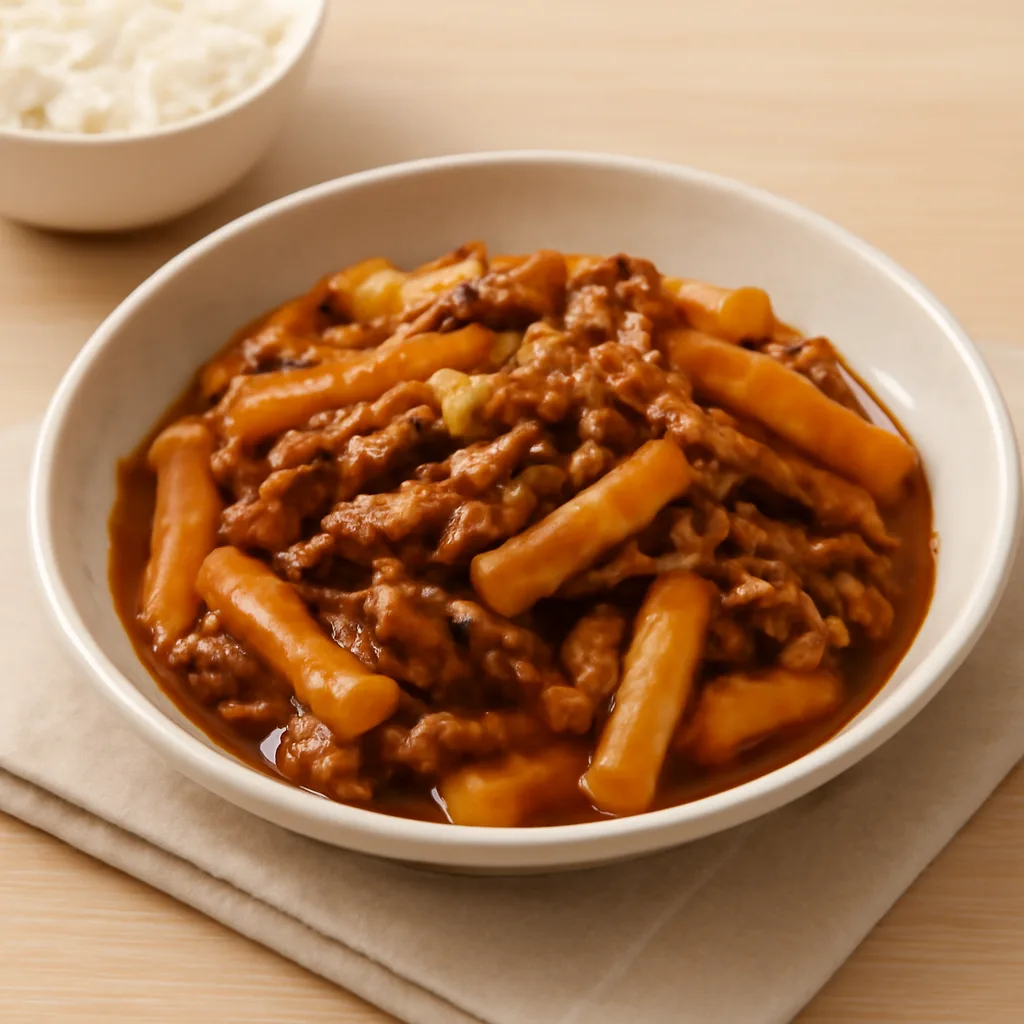
Korean cuisine is a way of composing a meal or single serving by combining rice with soups or stews, side dishes, and other items such as noodles or jeon in one table or one eating flow. While elements like jangryu (soybean paste, doenjang, gochujang), aromatic ingredients like garlic, scallions, sesame oil, and sesame, and seasonal vegetables and stock are commonly used, not all Korean dishes follow the same taste or method. When choosing a menu, it helps to look at balance of the set rather than the main ingredient. For example, if you choose a strong central dish like roasted or fried, you can add a clear soup, namul (seasoned vegetables), or raw salads that are light or refreshing as accompaniments. Conversely, dishes that come together in one bowl, such as bibimbap or stews, can be balanced with fewer side dishes and still feel complete as a meal. The charm of Korean cuisine is the wide range of options from quick-style salads to long-simmered soups. However, if you try to prepare many banchan at once, prep and washing up can increase, so on busy days a simple composition like rice with soup or stew and one main side dish may be more suitable.
Convient bien à ces personnes
- It is well suited for meals where you want warm broth or a few accompaniments alongside rice.
- It is a good way to serve a basic set of side dishes and seasonings separately when family members have different portions or spice preferences.
- If you want both vegetable side dishes and protein side dishes, try pairing a simple namul or salad with one main dish.
- On days with very limited time, a dish with fewer components such as a bowl, bibimbap, or soup with rice can be more practical than a table with many side dishes.
Guide de sélection des aliments
- If you have ready-made kimchi or leftover greens in the fridge, consider using them in stews, fried rice, or bibimbap to combine ingredients you already have.
- When choosing meat or fish to grill, even if the surface is nicely browned, a thick inside may be undercooked, so for thick-cut ingredients choose a method that finishes with lower heat or lid coverage.
- Broth-based dishes change in flavor depending on which stock ingredients you use (anchovies, kelp, meat, vegetables), so when ingredients are simple, consider lighter options like clear soup or soybean paste soup that won’t over-season.
- When you include gochujang or gochutgaru, if the spiciness feels heavy, it is easier to adjust by serving the seasoning separately or changing to soy sauce or doenjang-based grilled or braised dishes.
Ingrédients souvent associés
- Jang류 such as soy sauce, doenjang, and gochujang add saltiness, umami, color, and aroma, so start by not adding too much all at once; simmer or sauté first and adjust after tasting.
- Garlic and scallions are often used in soups, stir-fries, and salads; if the aroma is strong, add scallions at the end and briefly sauté garlic in oil to soften the aroma.
- Sesame oil and sesame seeds are finishing aromatics, but overheating can reduce their aroma, so use them toward the end in salads or just before serving.
- Vegetables like cabbage, radish, zucchini, and spinach have wide uses in soups, stews, namul, and salads; watery vegetables may release moisture during salting or sautéing, so adjust seasoning at the end.
Méthodes de cuisson compatibles
- Best for soups and stews that simmer, and if the liquid reduces too much, add a little water or stock and recheck the seasoning.
- Namul (seasoned vegetables) is quickly mixed with boiled vegetables or raw vegetables, so if there is a lot of moisture, cool the vegetables, squeeze out excess water, and start mixing.
- Stir-frying and grilling add aroma to meat, tofu, or vegetables, but don't crowd the pan; divide and cook in batches to avoid steaming and becoming more like a braise.
- Braised dishes are cooked with soy sauce or gochujang so the flavor permeates the ingredients; if the liquid reduces too quickly, monitor the state on medium-low heat to prevent drying out.
Conseils pour les débutants
- When first preparing a meal, start with rice, a soup or stew, one protein side dish, and one vegetable side dish to simplify workflow.
- Don't add all the seasoning at once; hold back some seasoning so you can adjust at the end if it tastes too salty or spicy.
- If namul or salads release too much water, it may be because the vegetables weren’t sufficiently dried; next time blanch, spread to cool, and squeeze well before seasoning.
- If the stew tastes flatter than expected, adding more seasonings alone can make it saltier; first check for ingredients to bolster aroma and umami, such as scallions, garlic, stock ingredients, or ripe kimchi.
Conseils pour composer le menu
- When centering a meal on a strong-flavor kimchi stew or spicy pork, pair with milder side dishes like seasoned greens, tofu, steamed egg, or fresh vegetables to create contrast.
- For a hearty soup like doenjang-guk, add a clear and simple protein-forward dish such as grilled fish, braised tofu, or soy-sauce flavored meat side dish to anchor the flavor.
- If you serve all spicy options in one day (gochujang stir-fry, spicy stew, spicy kimchi), the heat can clash; one of these should be swapped to a clear soup or soy-based side to balance.
- If prep time varies, start with the long-simmering broth first, then finish with quicker sides like salads or grilled items at the end to align with mealtime.
Les aliments inclus dans ce thème
Voici les aliments inclus dans ce thème, classés par nombre de vues parmi les aliments publics de CookPagoda.