재료 백과
재료의 특징과 요리에서 활용하는 방법을 확인해 보세요.
tomato
2
6
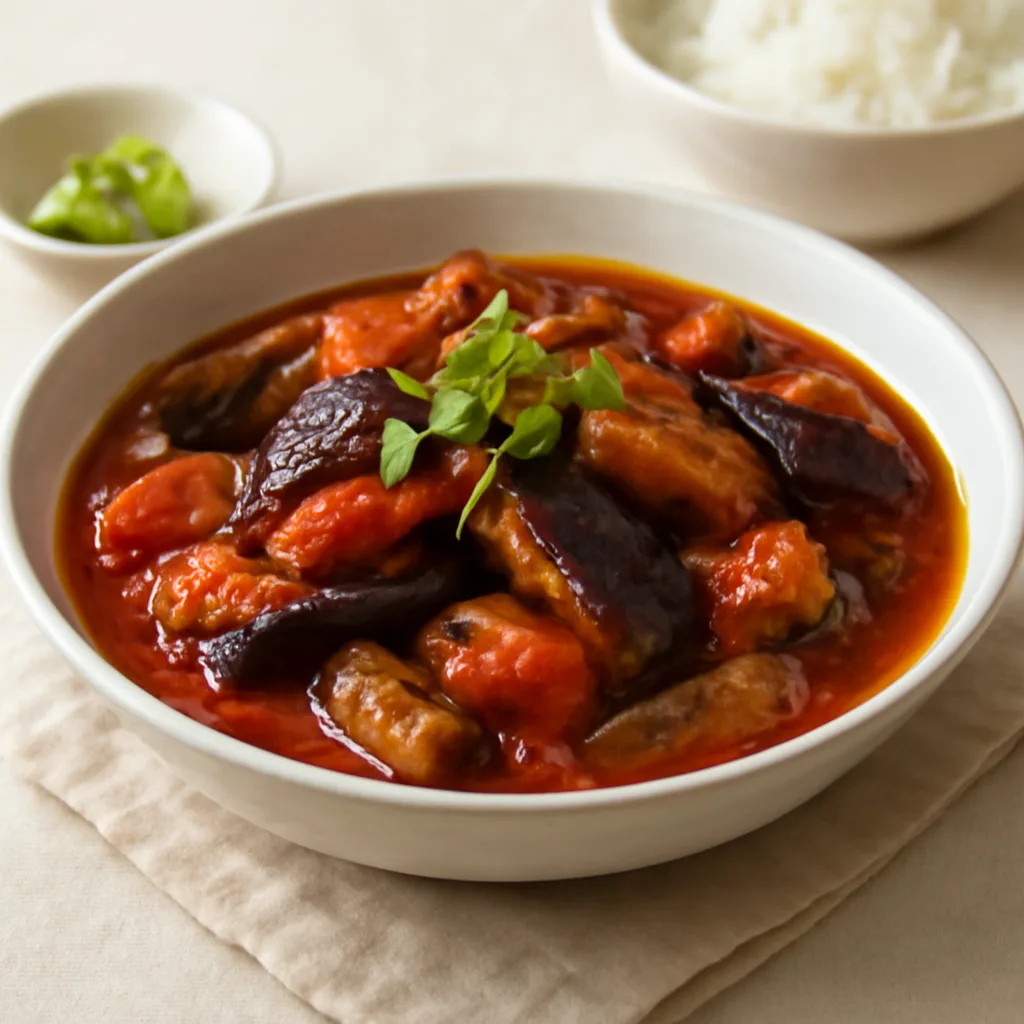
Tomato is a versatile fruit used as a vegetable in everyday cooking, valued for its balance of juicy flesh, gentle sweetness, and bright acidity. It can be served raw, briefly heated, slow-cooked into sauce, or roasted until concentrated, so the best form depends on whether a dish needs freshness, body, or depth. Fresh tomatoes work well when their liquid and lively flavor are welcome, such as in salads, sandwiches, salsas, and simple pasta toppings. Cooked tomatoes form the base of soups, braises, curries, and sauces; removing excess water or cooking them longer produces a thicker, more rounded result. Very watery tomatoes can dilute a filling or sauce, so seed or drain them when a concentrated texture matters. Choose tomatoes that suit the task rather than treating all varieties alike. Firm, fleshy tomatoes are easier to slice and roast, while very ripe, soft tomatoes break down readily for sauce but are less suitable where neat pieces are needed.
맛과 식감
Raw tomato tastes mildly sweet, tangy, and savory, with a fresh vegetal aroma and a burst of juice. Its texture ranges from crisp and firm when just ripe to soft and yielding when fully ripe; seeds and gel add moisture but can make a preparation loose. Heat softens the flesh and reduces its watery edge. Quick cooking keeps some brightness and recognizable pieces, whereas long simmering or roasting concentrates sweetness and creates a deeper, less sharp tomato flavor.
주요 활용법
- Slice tomato for sandwiches, burgers, and toast toppings, seasoning shortly before serving so it remains juicy without making the bread overly wet.
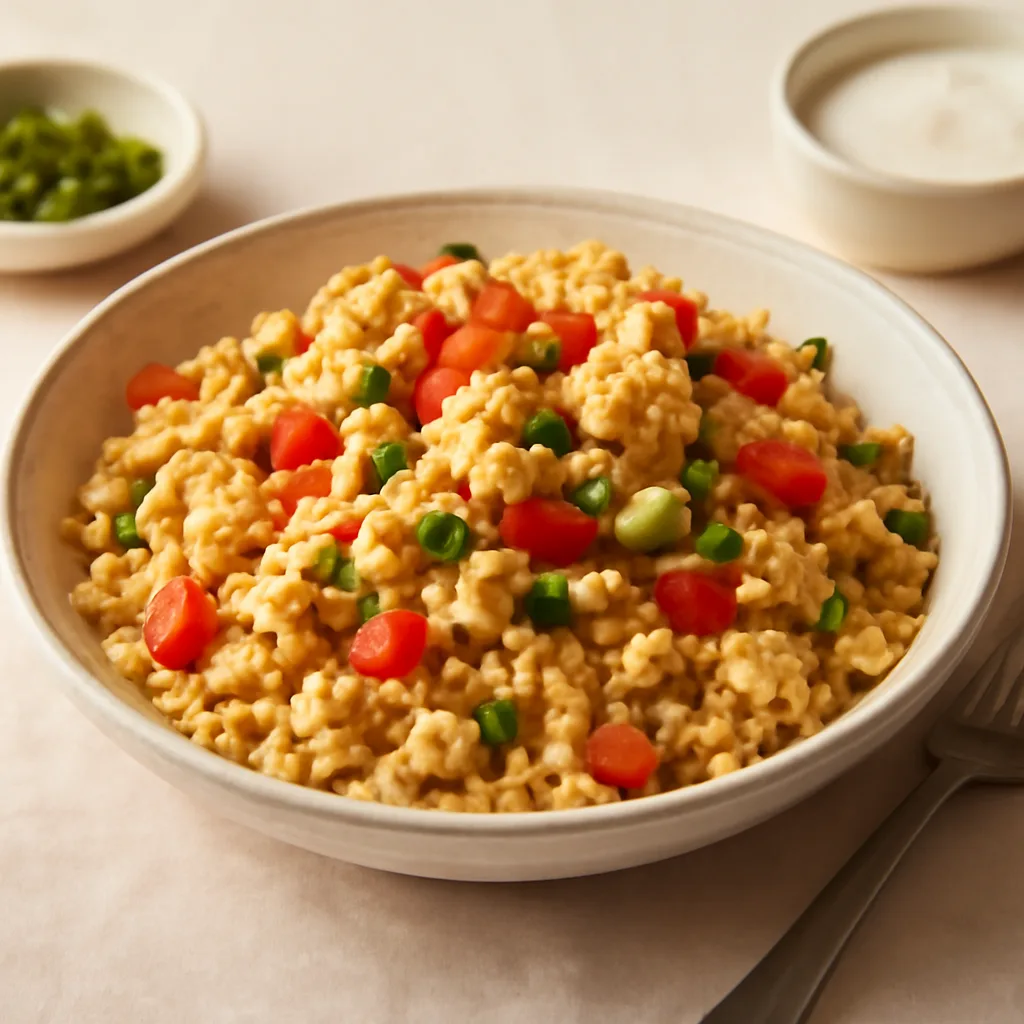
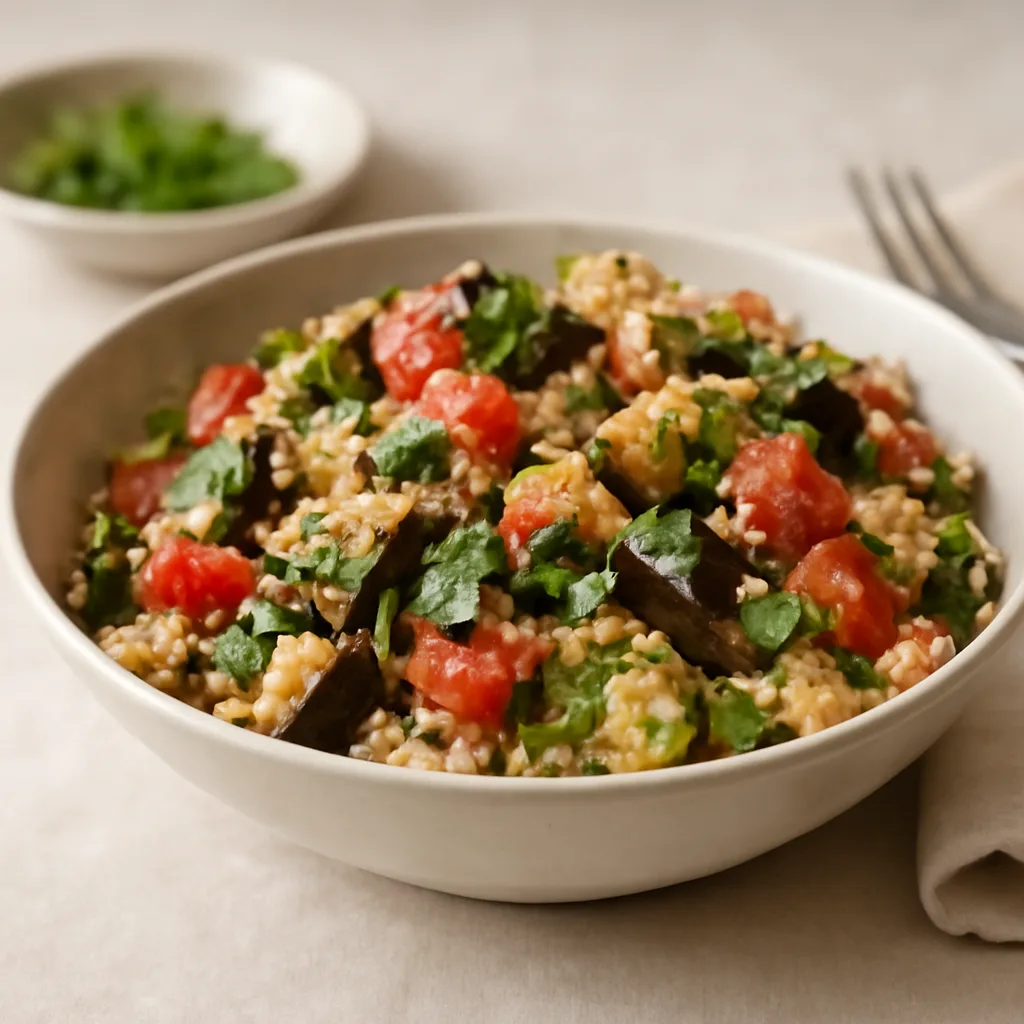
- Dice it for salads, salsa-style mixtures, grain bowls, and fresh relishes; use firmer tomatoes when distinct cubes are important.
- Cook chopped or crushed tomato into pasta sauces, soups, stews, curries, and braises, where it contributes acidity, moisture, and a savory base.
- Roast halved or wedged tomato for side dishes, pasta, flatbreads, and blended sauces; roasting is especially useful when fresh tomatoes taste watery or muted.
- Add tomato near the end of cooking for a fresher profile, or simmer it from the start when the goal is a unified, thicker sauce.
손질 팁
- Rinse tomatoes and remove the stem scar before cutting. If the area around the core is hard or pale, trim it away because it can stay firmer than the surrounding flesh.
- For salads and toppings, cut just before use and salt lightly at the end; early salting draws out visible liquid, which can water down the dish.
- For a thicker sauce or filling, cut tomatoes open and remove some seeds and gel, or let chopped tomato drain briefly. This is not ideal for soup or a loose salsa, where that flavorful liquid helps create the desired consistency.
- Peel tomatoes when a smooth sauce is important: score the skin, briefly blanch, cool, and slip it off. Leave skins on for rustic roasted dishes or quick sautés, where peeling adds work with little benefit.
- If a sauce tastes flat after cooking, a pinch of salt may reveal the tomato flavor; if it tastes aggressively sharp, longer gentle cooking or a rich ingredient such as olive oil can soften the impression.
조리할 때의 특징
- Tomatoes release a substantial amount of water as they heat. When a pan looks crowded and liquid pools around the pieces, cook uncovered over moderate heat or work in batches if browning and concentration are the goal.
- A short sauté softens tomato while preserving chunks and acidity, while extended simmering breaks down the flesh into a saucy texture. Stir occasionally during longer cooking, especially once the mixture thickens, because concentrated solids can catch on the pan.
- Roasting drives off moisture and lightly caramelizes surface sugars, producing a sweeter, fuller flavor. High heat can also darken or split delicate tomatoes quickly, so use a shorter roast for tomatoes intended to retain their shape.
- Tomato acidity can brighten rich foods, but adding it early can slow the softening of some ingredients. If beans or vegetables remain firm in an acidic stew, cook them until nearly tender before adding a large amount of tomato.
잘 어울리는 조합
- Pair tomato with olive oil, garlic, onion, basil, oregano, parsley, black pepper, and chile for familiar savory combinations.
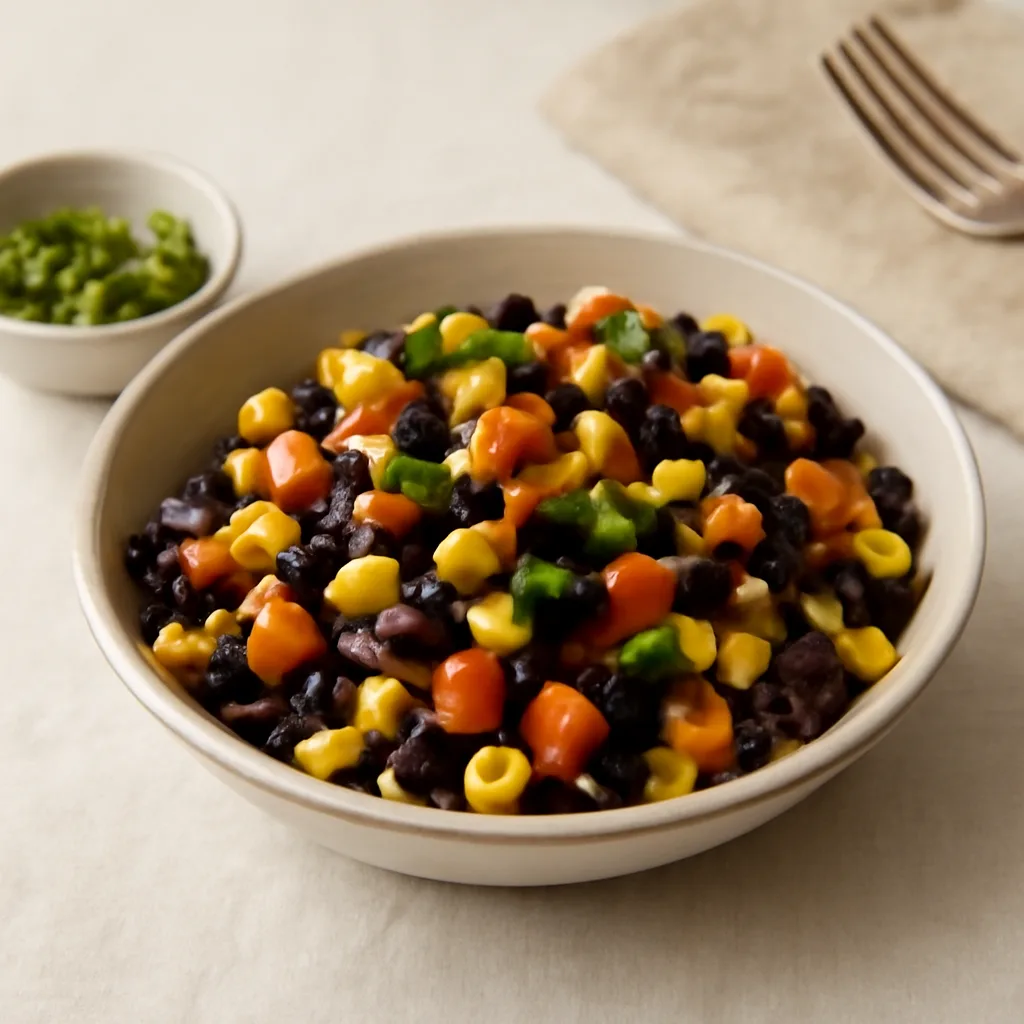
- Rich or salty ingredients such as cheese, eggs, cured meats, and legumes benefit from tomato’s acidity; add fresh tomato late when contrast is wanted, or cooked tomato earlier when the flavors should meld.
- Tomato also works with creamy elements such as yogurt, cream, or soft cheese, but add dairy gently and avoid a hard boil if a smooth texture matters.
- For roasted tomato, combine with sturdy vegetables, beans, pasta, rice, or bread that can absorb its concentrated juices.
대체할 때 참고할 점
- For cooked sauces, soups, and braises, canned whole, crushed, or diced tomatoes can replace fresh tomato when a consistent saucy texture is more important than fresh bite. Adjust added liquid because canned products may be thicker or thinner than the fresh tomatoes they replace.
- Tomato paste can add concentrated tomato depth, but it is not a direct replacement for fresh tomato because it lacks the same moisture and bright juiciness. Use a small amount with water or stock in a cooked dish, then taste before adding more salt or acid.
- For a raw salad or sandwich, roasted red pepper can provide sweetness and soft texture but will not reproduce tomato’s acidity or juiciness; add a small acidic element if the dish needs that lift.
- In a dish where tomato is primarily providing acidity, a little vinegar or citrus can help, but neither replaces tomato’s body and savory character. The best substitute depends on whether the recipe needs liquid, sweetness, acidity, or visible pieces.
실제 음식에서 자주 함께 쓰이는 재료
CookPagoda에 등록된 공개 음식의 대표 재료 동시출현 횟수를 기준으로 집계합니다.
이 재료가 사용된 음식
CookPagoda의 공개 음식 중 이 재료가 대표 재료로 포함된 음식을 조회수 순으로 보여드립니다.