재료 백과
재료의 특징과 요리에서 활용하는 방법을 확인해 보세요.
black bean
1
3
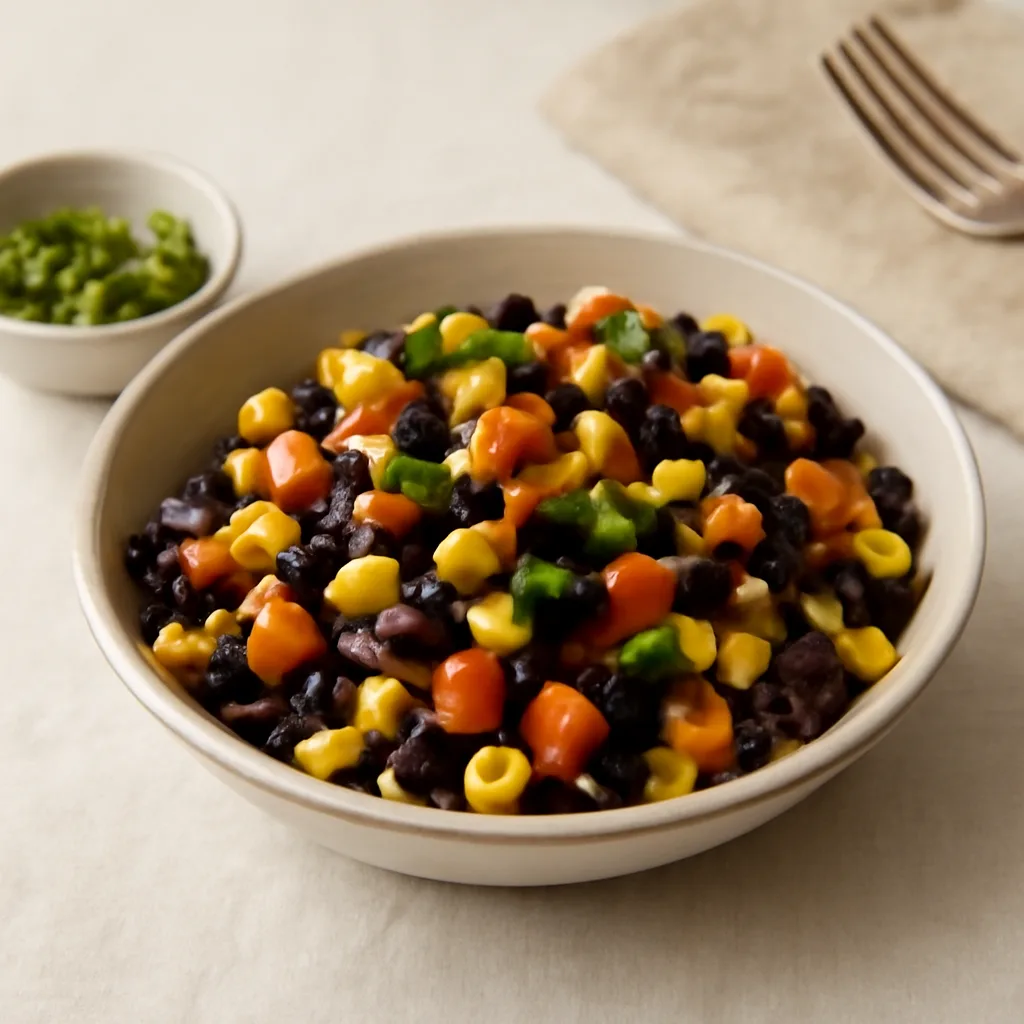
Black beans are small, dark legumes with a mild earthiness that fits both boldly seasoned and simple dishes. Once cooked, they add substance to soups, rice dishes, tacos, salads, stews, and bean spreads without overwhelming other ingredients. They are commonly sold dried or canned. Dried beans offer control over tenderness and seasoning but require soaking or a longer simmer; canned beans are convenient and work well when rinsed and warmed gently. Choose the form based on whether the dish needs a long-cooked bean broth or a quick, ready-to-use component.
맛과 식감
The flavor is savory, earthy, and slightly sweet, with a darker, more mineral-like character than many pale beans. Their skins remain noticeable after cooking, while the interiors become creamy and soft when fully tender. A shorter cook keeps the beans distinct for salads and grain bowls. Longer simmering or mashing creates a thicker, creamier texture for soups, fillings, and dips.
주요 활용법
- Add cooked black beans to soups, chilis, and stews, where they absorb seasoning while helping the liquid feel more substantial.
- Fold them into rice or grain bowls with sautéed vegetables, herbs, and a bright acidic element such as lime juice or vinegar.
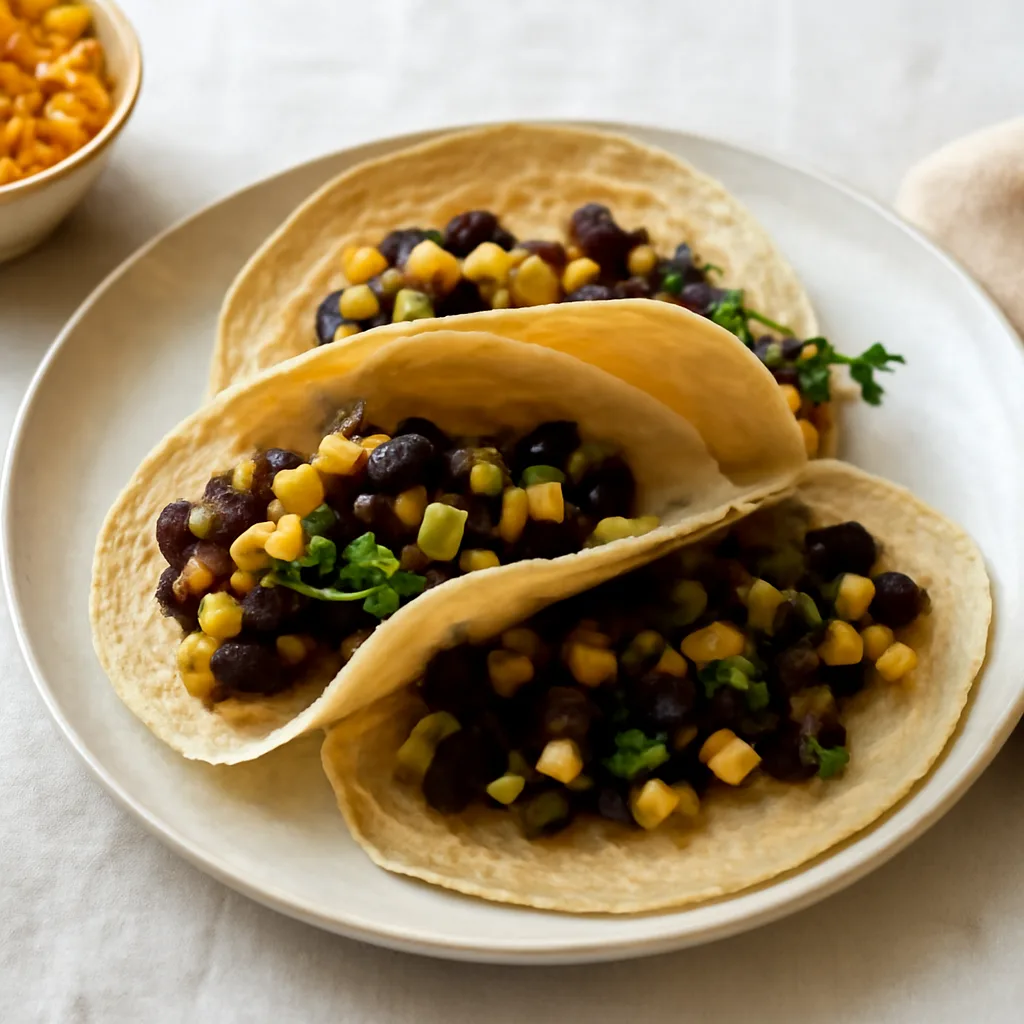
- Use mashed or partially mashed beans as a filling for tacos, burritos, and quesadillas; leave some whole beans for texture.
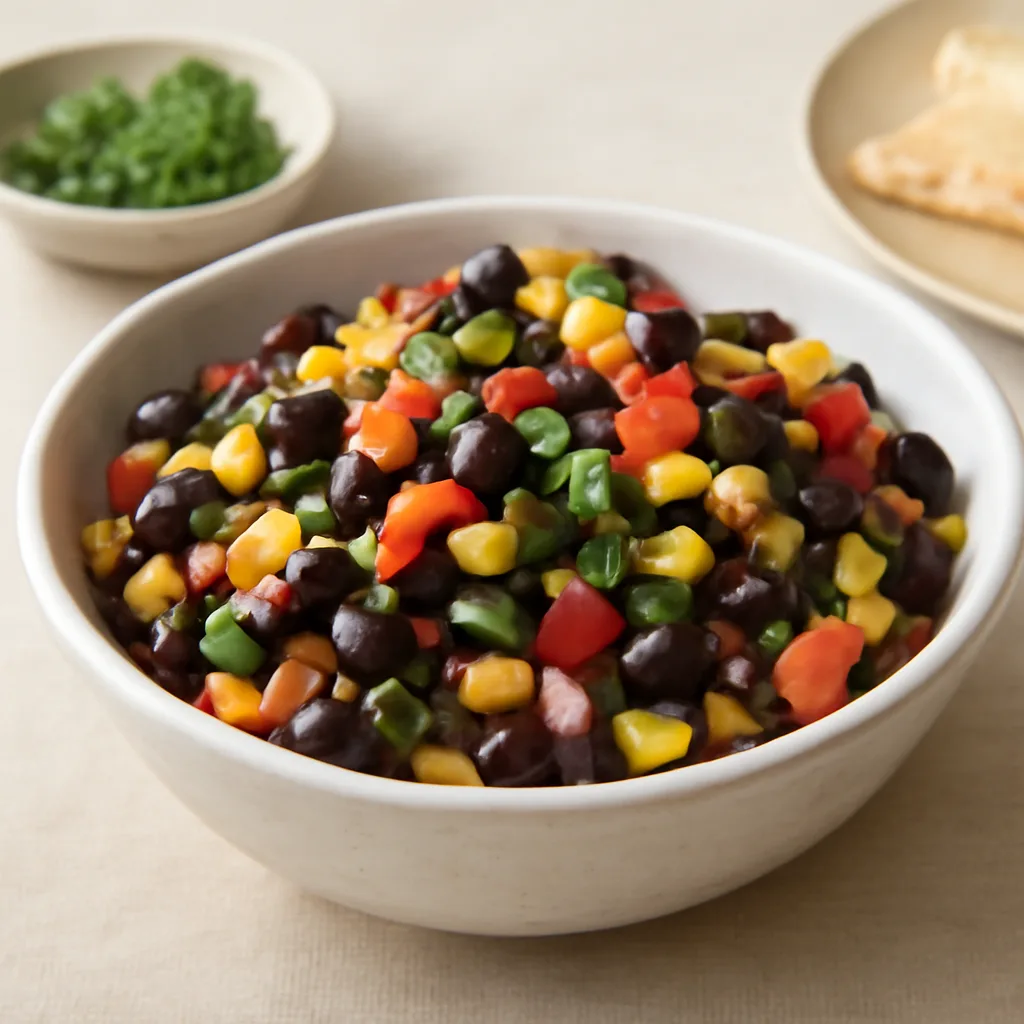
- Toss rinsed canned beans into salads, salsas, or cold bean mixtures when a firm, ready-to-eat texture is preferred.
- Purée cooked beans with aromatics and seasoning for a spread or dip; reserve some cooking liquid or water to loosen it gradually.
손질 팁
- Sort dried beans and rinse them before cooking, removing any debris or visibly damaged beans. Soaking can shorten the simmering time and promote more even cooking, but an unsoaked batch can still be cooked with a longer gentle simmer.
- For dried beans, cover with fresh water and cook at a steady, low simmer until a bean crushes easily between fingers. If the centers remain chalky or firm, continue cooking rather than increasing the heat sharply, which can split the skins before the interiors soften.
- Rinse canned black beans under water when a cleaner flavor or less starchy packing liquid is wanted. Keep some un-rinsed liquid only when its seasoning and thickness suit the dish, such as a quick soup or saucy skillet filling.
- Season with onion, garlic, chile, cumin, bay, or herbs during cooking for a more developed flavor. Add strongly acidic ingredients such as tomatoes, vinegar, or citrus after the beans are nearly tender when using dried beans, since early acidity may slow softening.
조리할 때의 특징
- Black beans absorb surrounding flavors gradually, so a brief warm-through gives a different result from a longer simmer with aromatics. If the beans taste separate from the sauce, let them cook together gently for several more minutes before adding more salt or spices.
- As they simmer, some beans naturally break down and release starch, thickening soups and braises. For a thicker pot without adding another thickener, mash a small portion against the side of the pan; this is unsuitable when whole, intact beans are the main textural goal.
- High boiling can cause skins to split and make the cooking liquid look murky while the centers are still firm. Maintain a gentle simmer and add water as needed so the beans remain covered.
- Canned beans are already cooked and can become soft or grainy after prolonged boiling. Add them later in long-cooked dishes, especially when distinct beans are preferred.
잘 어울리는 조합
- Pair black beans with rice, corn, tomatoes, peppers, onions, garlic, and warming spices such as cumin, smoked paprika, or chile. A squeeze of lime, a spoonful of salsa, or a little vinegar can brighten their earthy flavor just before serving.
- Their creamy interior balances crisp or fresh ingredients, including cabbage, radish, avocado, and chopped herbs. Use a crunchy topping when serving a soft bean-and-rice dish to avoid an entirely uniform texture.
- Rich ingredients such as cheese, eggs, roasted squash, or braised meat can work well with black beans, but add a fresh acidic or herbal component if the dish begins to taste heavy.
대체할 때 참고할 점
- Pinto beans are a practical substitute for black beans in tacos, burritos, chilis, and rice dishes, though they have a lighter color and a softer, more mellow character. Use them when appearance is not central to the dish.
- Kidney beans can replace black beans in hearty soups and chilis because they hold their shape well, but their larger size changes the bite and they are less suitable for a fine, smooth bean spread without additional blending.
- For salads or grain bowls, cooked chickpeas provide a similarly convenient legume component but are firmer and nuttier. Choose them when a distinct, chewy bite is welcome rather than the creamier texture of black beans.
- If black beans are meant to thicken a soup or form a mashed filling, another bean can work, but the amount of liquid and seasoning may need adjustment because different beans break down at different rates.
실제 음식에서 자주 함께 쓰이는 재료
CookPagoda에 등록된 공개 음식의 대표 재료 동시출현 횟수를 기준으로 집계합니다.
이 재료가 사용된 음식
CookPagoda의 공개 음식 중 이 재료가 대표 재료로 포함된 음식을 조회수 순으로 보여드립니다.