재료 백과
재료의 특징과 요리에서 활용하는 방법을 확인해 보세요.
corn
1
3
Corn is a sweet, starchy grain used as a vegetable when fresh and as a pantry staple when dried, ground, or processed into products such as cornmeal and polenta. Fresh kernels can be cut from the cob for salads, sautés, soups, fritters, and fillings, while whole ears are often grilled, steamed, boiled, or roasted. Its usefulness depends on form: fresh corn brings juicy kernels and mild sweetness, whereas dried corn products add body and a more pronounced grain flavor. Choose plump, glossy kernels for fresh preparations; if the kernels look dry or deeply dented, they may be less juicy and are usually better suited to simmered dishes than quick raw-style uses. Corn can provide sweetness without added sugar, but it is not always the right choice when a dish needs a crisp green vegetable or a neutral starch. Its distinct flavor and visible yellow or white kernels can dominate delicate sauces, so use it in balance with savory, acidic, or spicy ingredients.
맛과 식감
Fresh corn tastes mildly sweet and grassy, with a buttery, cereal-like note that becomes toastier when charred or roasted. Yellow and white varieties can be used similarly in most cooking, though their sweetness and intensity may vary. Raw kernels are crisp and juicy; brief cooking makes them tender while retaining a pop. Longer simmering softens the skins and releases some starch, which can lightly thicken soups and chowders.
주요 활용법
- Serve corn on the cob boiled, steamed, grilled, or roasted, then season it with butter, salt, chile, herbs, citrus, or cheese.
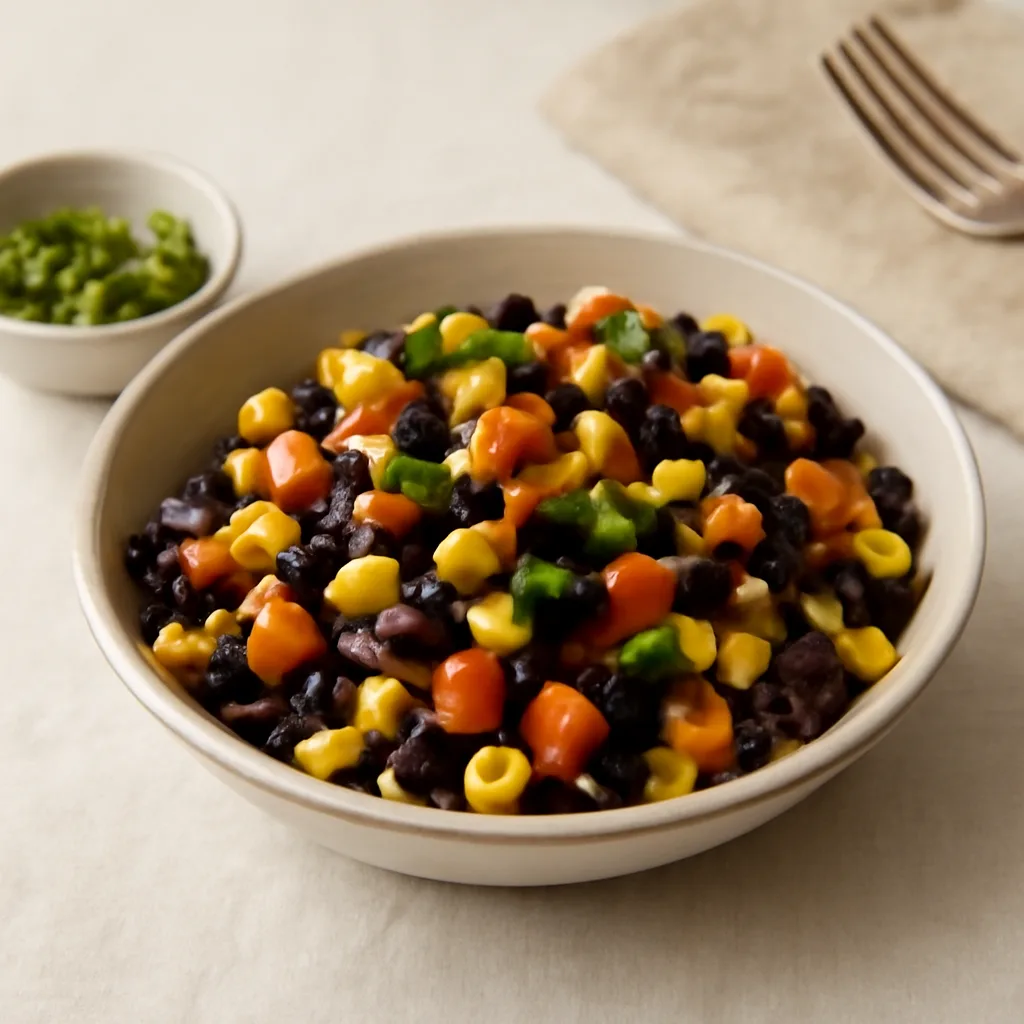
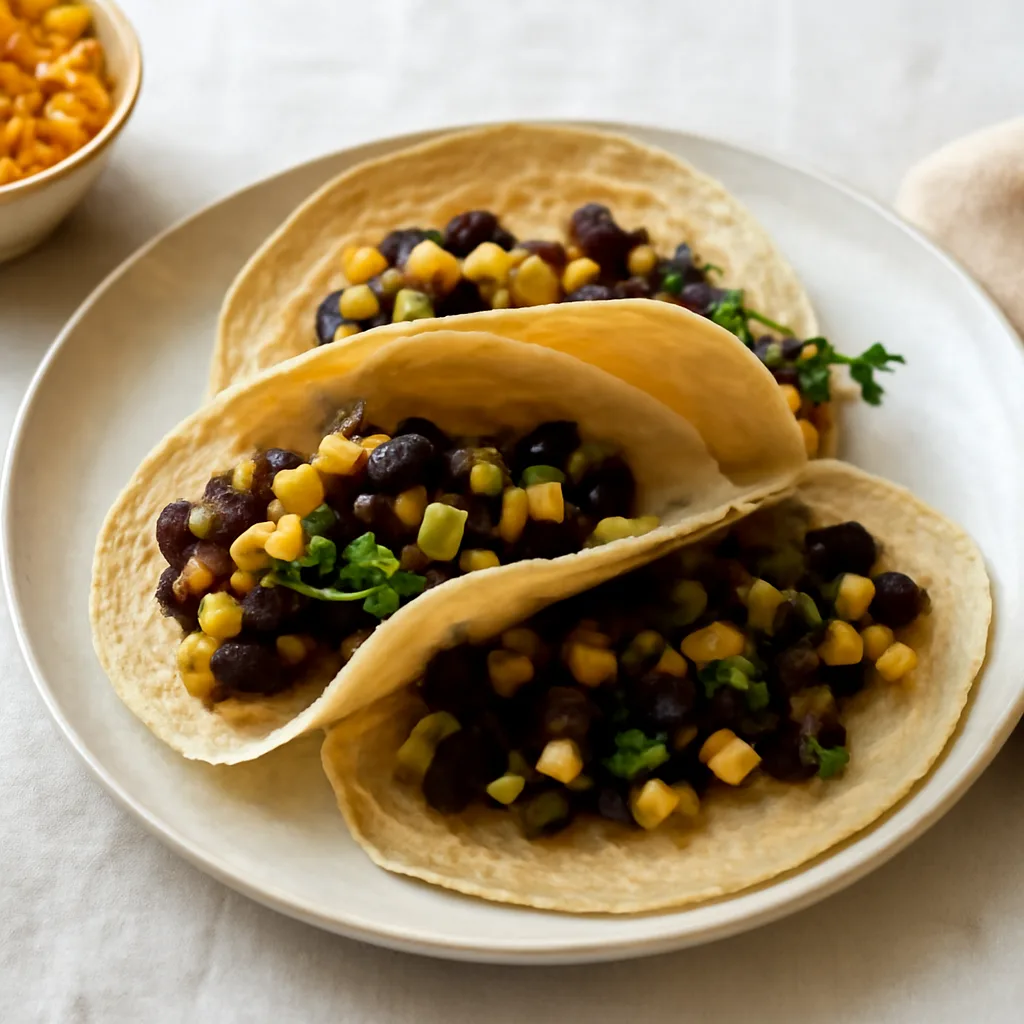
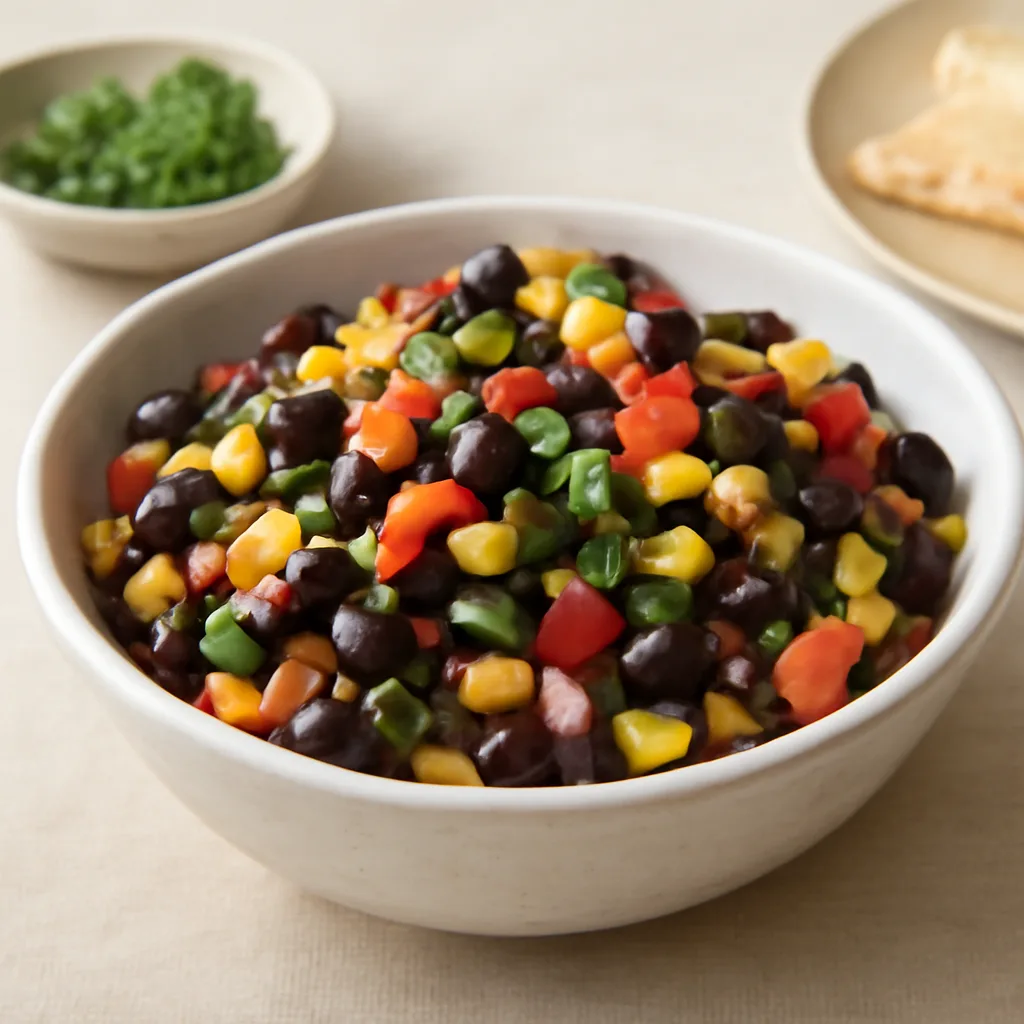
- Cut cooked or raw kernels from the cob for salads, grain bowls, salsas, tacos, and vegetable side dishes; raw kernels work best when they are notably tender and sweet.
- Sauté kernels with onions, peppers, zucchini, or beans for a quick filling or side. Let the pan stay fairly hot and avoid crowding it if browned edges are desired rather than steamed kernels.
- Add corn to soups, chowders, stews, and curries, where its sweetness offsets smoky, salty, or spicy ingredients. Blend part of the corn into the liquid when a thicker, creamier texture is wanted without making the entire dish smooth.
- Use dried forms according to their type: cornmeal can form batters or porridge-like dishes, while coarse polenta-style cornmeal benefits from gradual cooking in liquid until the grains lose their raw grittiness.
손질 팁
- For corn on the cob, remove the husk and silk, then rinse briefly. The silk is easier to remove before cooking, but a few remaining strands are harmless and can be brushed away after heating.
- To remove kernels safely, stand the cob upright in a wide bowl and slice downward with a sharp knife. The bowl catches the kernels and reduces scattering; cutting too deeply can add tough cob material, so shave close to the surface rather than digging into the core.
- For a fuller corn flavor in soups or sauces, scrape the back of the knife along the stripped cob after cutting off the kernels. The milky residue can enrich the cooking liquid, though it is less suitable for a clear broth because it makes the liquid cloudy.
- If using frozen corn, add it directly to a hot pan or simmering dish rather than thawing it on the counter. Excess surface moisture can prevent browning, so spread it out and cook until the water evaporates before expecting caramelized spots.
- Salt fresh corn to taste, but do not rely on seasoning alone to revive bland kernels. If it tastes starchy rather than sweet, pair it with acid, chile, smoky spices, or a savory fat instead of adding large amounts of sugar.
조리할 때의 특징
- High, dry heat concentrates corn's sweetness and can create browned or charred areas, especially on the cob or in a wide skillet. Turn cobs regularly or stir kernels only occasionally so they color without burning.
- Brief boiling or steaming keeps fresh kernels plump and tender. Extended boiling can leave kernels softer and less lively, so stop when they taste tender rather than cooking by a fixed time alone.
- In soups and stews, kernels remain intact for a while but gradually become more tender as they simmer. If the broth begins to taste overly sweet, counter it with tomato, lime, vinegar, herbs, or a salty ingredient rather than continuing to reduce it.
- Corn releases some starch when blended or when scraped from the cob, giving chowders and purées a naturally thicker feel. This can be useful for body, but it is unsuitable when a thin, clear sauce is the goal.
- A crowded skillet traps steam, producing soft, pale corn rather than browned kernels. Cook in batches or use a broader pan if caramelized flavor is the priority.
잘 어울리는 조합
- Combine corn with lime, lemon, tomatoes, vinegar, or pickled ingredients to sharpen its sweetness and keep rich dishes from tasting heavy.
- Smoky, spicy flavors such as chile, paprika, cumin, chipotle, black pepper, and charred scallions suit grilled or sautéed corn particularly well.
- Pair corn with creamy or salty elements such as butter, yogurt, cheese, eggs, or beans for contrast, then add herbs such as cilantro, basil, chives, or parsley for freshness.
- For a more substantial dish, corn works well with roasted peppers, squash, potatoes, mushrooms, chicken, seafood, or legumes; choose lighter partners if the dish already contains several sweet vegetables.
대체할 때 참고할 점
- For fresh corn kernels in salads, salsas, or sautés, frozen corn is usually the closest practical substitute. Cook it just long enough to remove excess moisture; it may be softer and less juicy than peak-season fresh corn.
- Canned corn can replace fresh or frozen corn in soups, casseroles, and fillings when its softer texture is acceptable. Drain and rinse it first, then adjust salt because the canning liquid may affect the seasoning.
- If corn is unavailable, diced bell pepper, peas, or cooked diced carrot can provide color and sweetness, but none reproduces corn's starchy pop. Choose based on the dish: peas suit creamy preparations, while bell pepper is often better in salsas and quick sautés.
- Cornmeal, polenta, grits, masa, and fresh corn kernels are not interchangeable without changing the recipe. A dish built around a particular corn product depends on its grind, treatment, and thickening behavior, so use a recipe designed for the replacement when possible.
실제 음식에서 자주 함께 쓰이는 재료
CookPagoda에 등록된 공개 음식의 대표 재료 동시출현 횟수를 기준으로 집계합니다.
이 재료가 사용된 음식
CookPagoda의 공개 음식 중 이 재료가 대표 재료로 포함된 음식을 조회수 순으로 보여드립니다.