Enciclopédia de ingredientes
Confira as características dos ingredientes e como utilizá-los na cozinha.
밥
12
18
Rice is a staple ingredient made by cooking rice with water so that the grains are soft and gently stick together. Freshly cooked rice has moisture and warmth, helping absorb seasonings from side dishes, and serves as a bland base for soups. The state of the grains varies by use. Warm rice that is not too soft mixes well with toppings for donburi or bibimbap, and cooled grains with less surface moisture are advantageous for fried rice. If a soft, porridge-like texture is needed, add water or stock to the rice and simmer slowly.
Sabor e textura
The taste of rice itself is subtly sweet and savory with a relatively mild aroma, which buffers the flavors of salty sauces, spicy seasonings, and fatty ingredients without dulling the overall flavor. Warm rice is moist and resilient, while when it cools, starch solidifies and can feel firm and dry. If the grains stay shiny and und crushed, it is suitable for donburi or onigiri; if it becomes too soft and mushy, it is less suitable for fried rice.
Principais formas de uso
- Use as a basic accompaniment with soups, stews, and braises to soak up broth and seasonings.
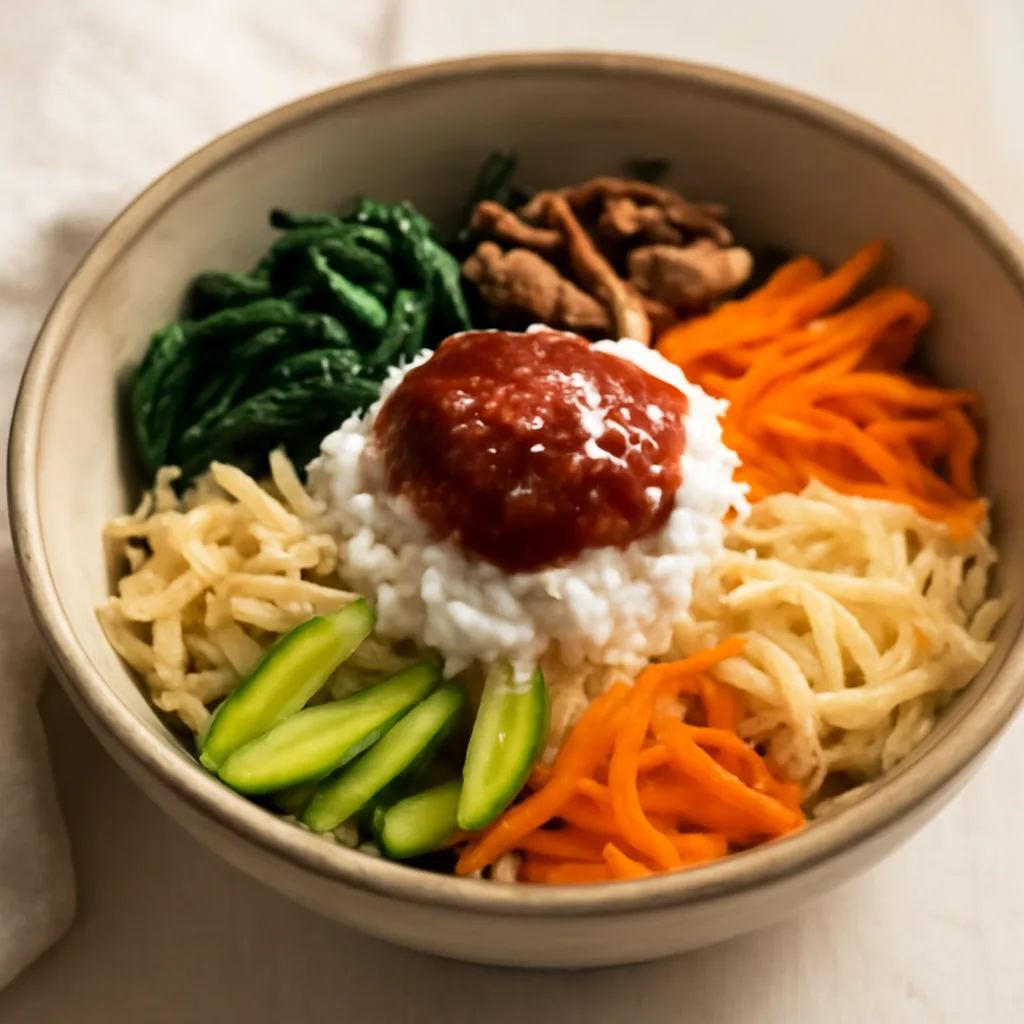
- In bibimbap or donburi, serves as a base that connects the flavors of vegetables, meat, eggs, and sauces. If ingredients release a lot of moisture, rice can become mushy, so moisture-rich stir-fried ingredients are better cooked separately and added at the end.
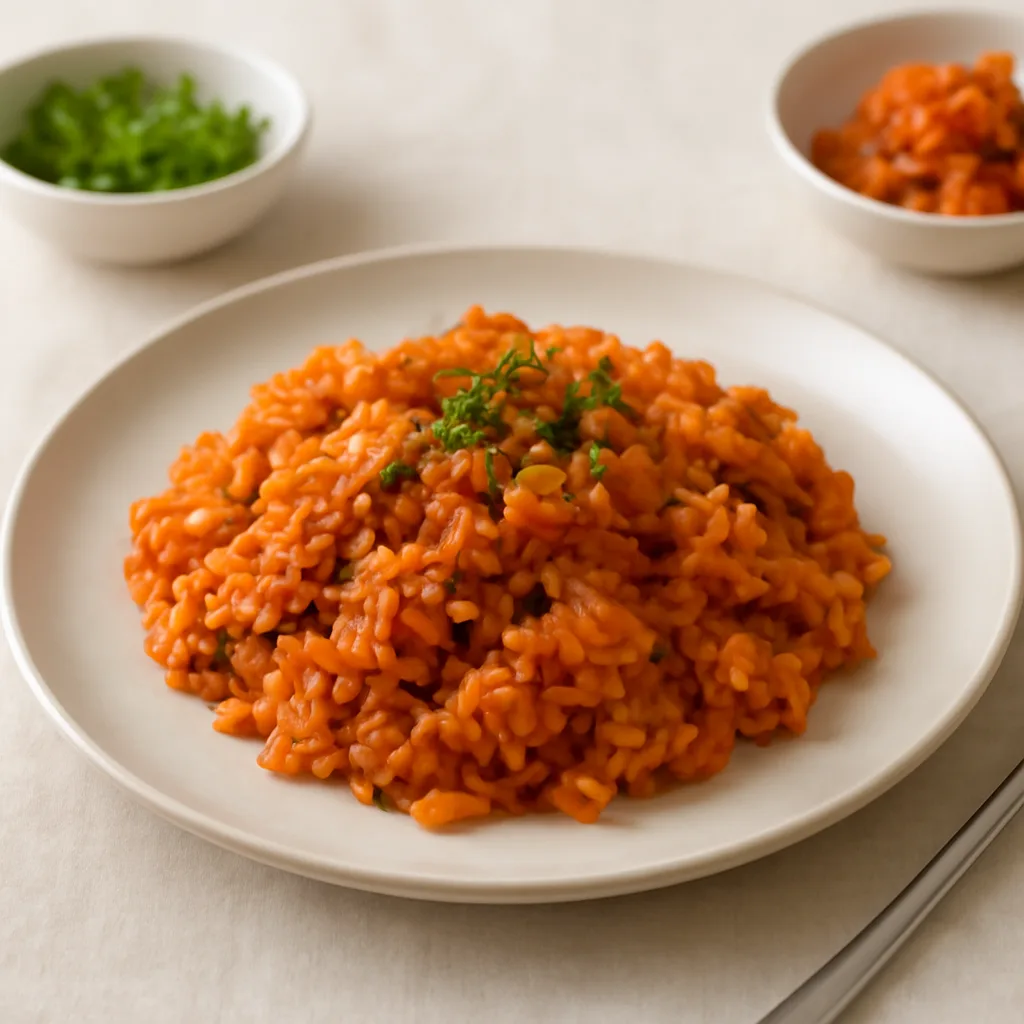
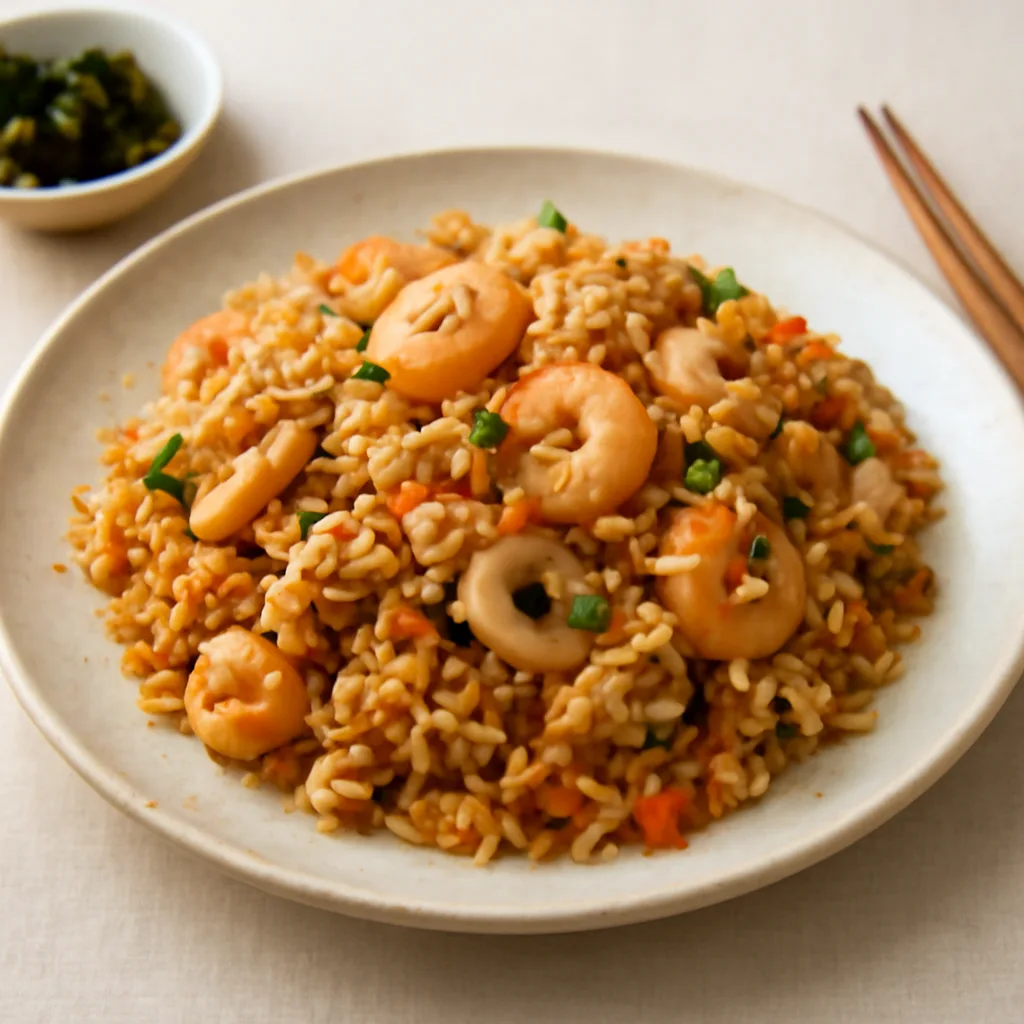
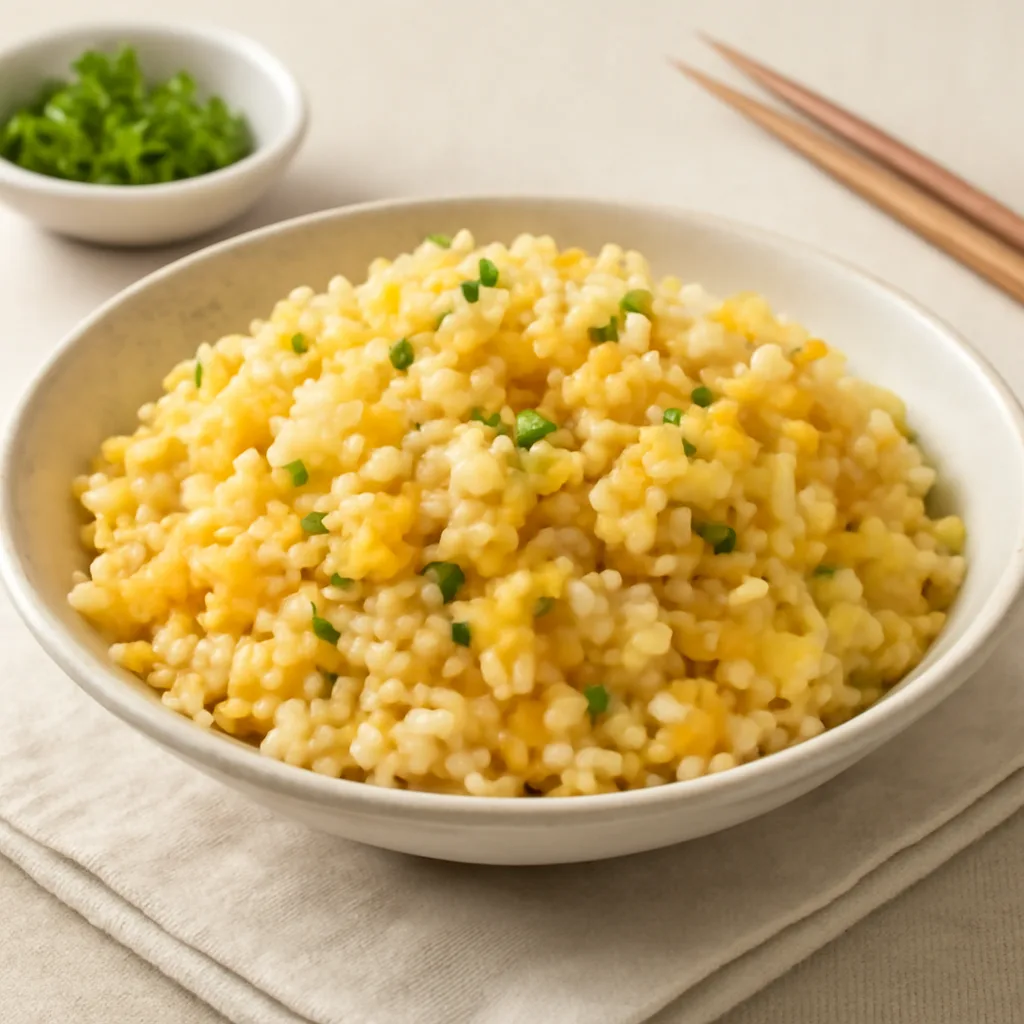
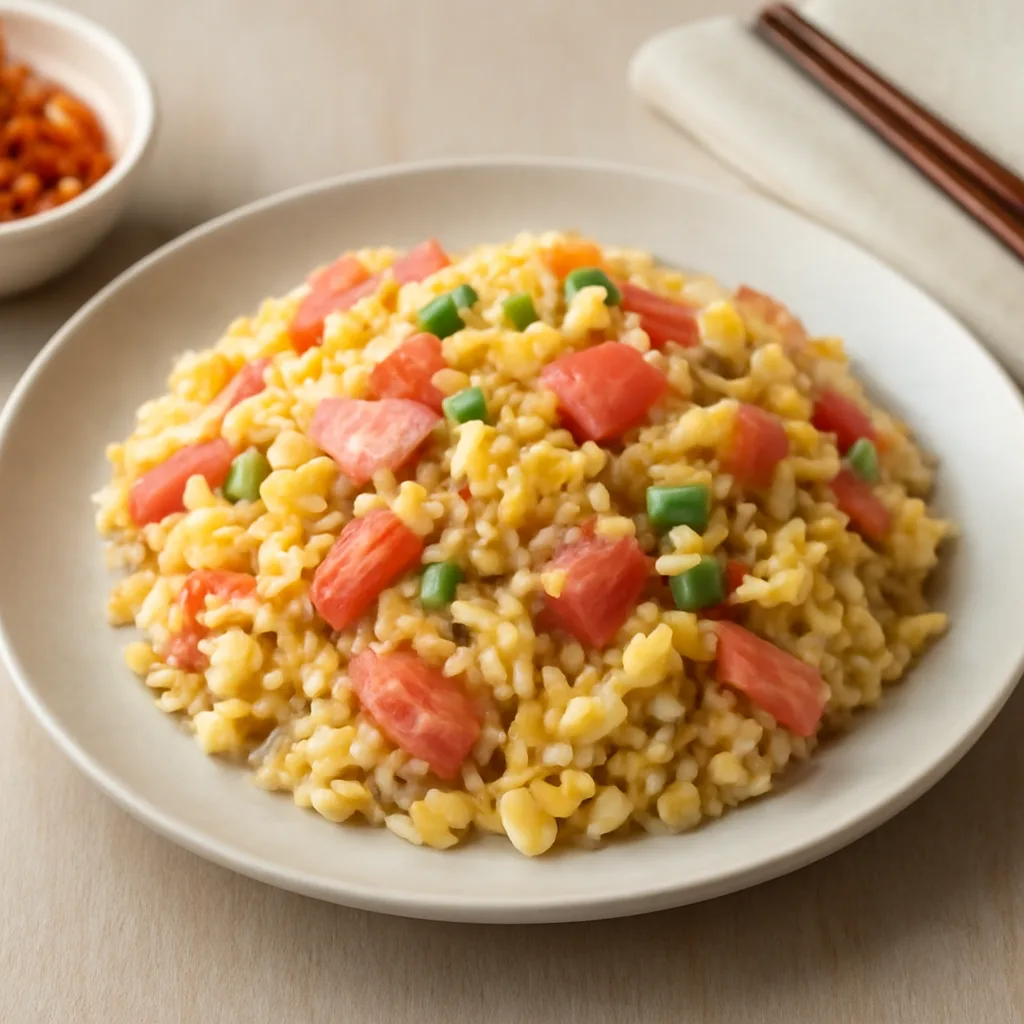
- For fried rice, use cooled rice and briefly fry on high heat while breaking up the grains with eggs. If hot rice is added directly, steam may occur and grains can clump.
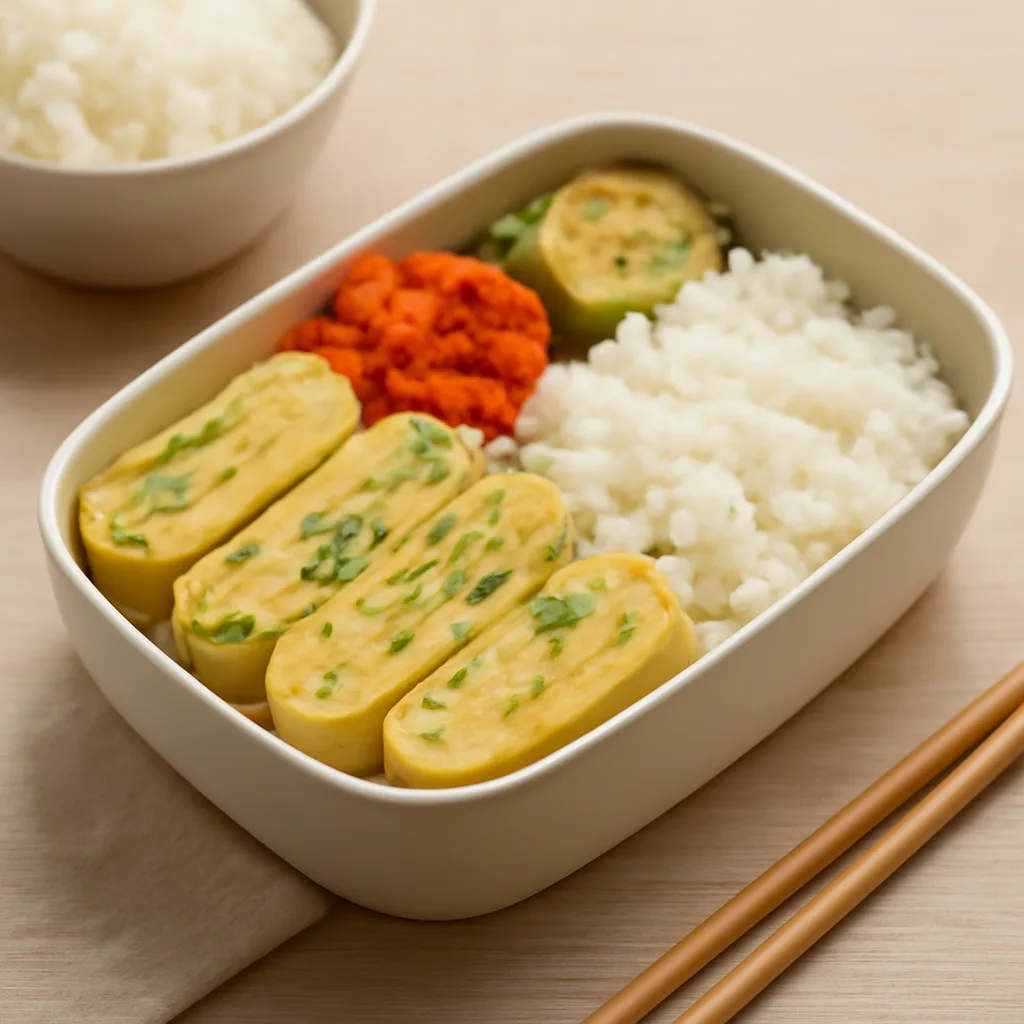
- For rolls and pressed rice dishes like kimbap, onigiri, or inarizushi, use warm or lukewarm rice. Too cold rice may not clump well and can crack.
- Leftover rice can be boiled with water or stock as a quick starting point for rice dishes like porridge, nurungji tang, or risotto-style rice dishes.
Dicas de preparação
- When cooking fresh rice, rinse the rice lightly, drain, and cook with the amount of water suitable for the rice and equipment being used. If the finished grains are too fluffy, reduce the water next time; if there is grainy texture, increase water or allow more steaming time.
- Pressing rice with a spatula too hard can crush grains and make it sticky. After cooking, gently flip the tops and bottoms to release steam evenly, helping to reduce surface excess moisture.
- For fried rice, spread rice out to cool in a thin layer until it stops clumping. If refrigerated rice has hardened, break the grains with your hands or a spatula before frying; adding a lot of water then can make it soggy in the pan.
- When seasoning for onigiri or kimbap, do not add a lot of liquid when the rice is very hot. If seasonings do not mix evenly or grains crumble easily, let it rest for a moment and mix in small portions.
Características ao cozinhar
- When heated, rice starch absorbs moisture and becomes soft; boiling with water or broth for a long time causes grains to loosen and thicken. If porridge is thicker than desired, gradually add hot water or broth to adjust the flow.
- When frying in a pan, if the surface moisture is low, grains separate and develop a nutty aroma. If there is residual moisture on the pan or you add ingredients all at once lowering the temperature, rice can become soggy, so fry in portions or first dry the moisture.
- When reheated in a microwave or steamer, rice absorbs vapor and becomes soft again. If it feels dry, add a small amount of water and cover while heating; adding too much water can make the surface gummy.
- Frying rice on high heat for a long time may make the bottom crispy or have a toasted aroma, but continue stirring can break grains and dry them out. Only press briefly if you want a texture like nurungji, otherwise finish the fried rice quickly.
Combinações que combinam bem
- Pair with soups or stews that have more moisture, like doenjang-jigae, kimchi-jjigae, or clear soups, as the rice's mildness absorbs the saltiness and aroma of the broth.
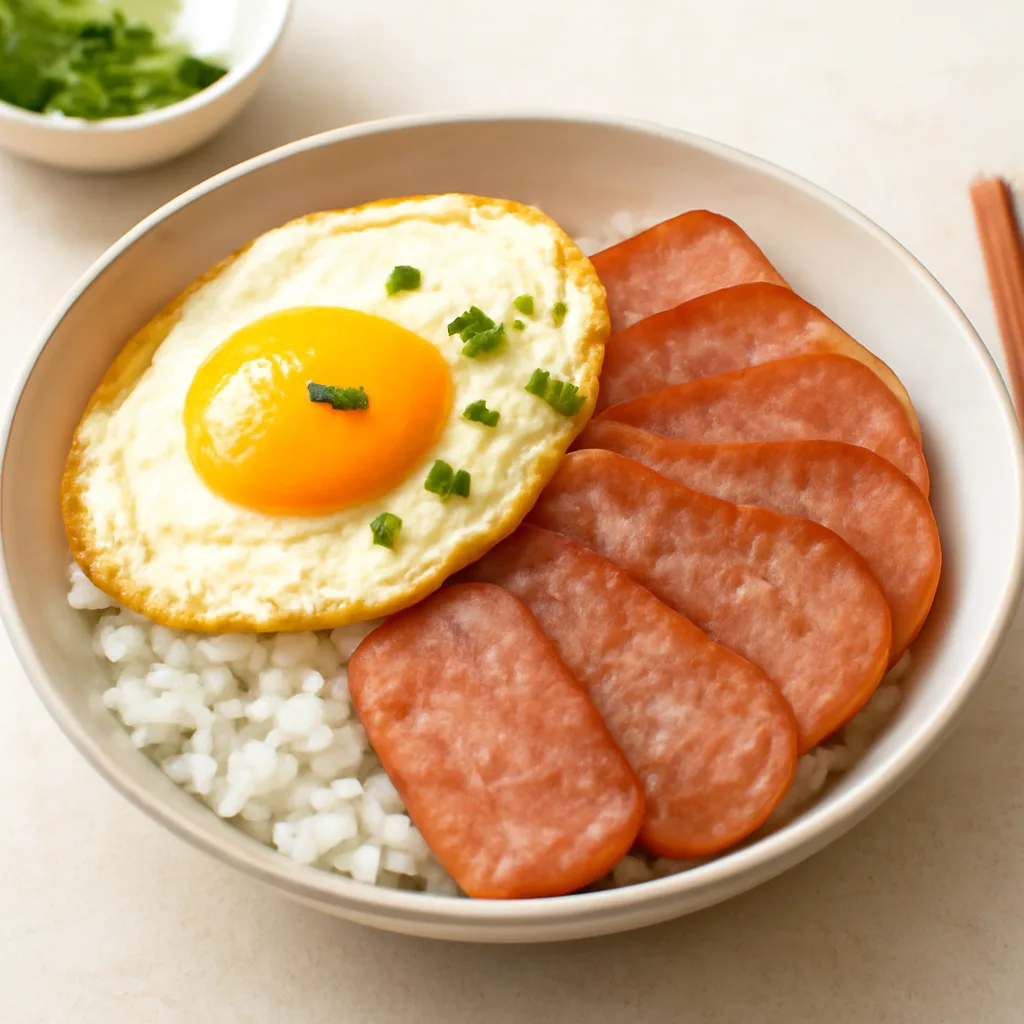
- Soy sauce, gochujang, doenjang, sesame oil, sesame seeds, egg are combinations that add pronounced umami and aroma to the rice's mild flavor.
- For ingredients with a sweet-salty glaze like bulgogi or braised dishes, relatively plain rice is suitable. Conversely, for rich sauces or greasy stir-fries, adding pickled or fresh vegetables can lighten the heaviness.
- For bibimbap, combine with vegetables and proteins that have controlled moisture; excessive wet ingredients can dull the rice texture.
Pontos a considerar ao substituir
- Choose substitutions for rice according to the role in the dish. For broth or donburi bases, barley, mixed grains, or brown rice are natural options, though texture and moisture absorption differ.
- In fried rice, you can use cooked cooled barley or finely chopped cauliflower. Cauliflower releases moisture quickly and lacks the bounce of rice, so dry moisture in the pan first before adding seasonings.
- For rolls or pressed rice dishes, sticky rice is easiest to handle. High-amylose grains or highly mixed grains can break apart, so use less filling or consider using a mold.
- In porridge, you can use raw rice instead of leftover rice, but cooking time and required liquid differ. If you want quickly soft porridge, already cooked rice is more suitable.
Ingredientes frequentemente usados juntos em pratos reais
Baseado na contagem de coocorrência de ingredientes principais em alimentos públicos registrados no CookPagoda.
Alimentos que usam este ingrediente
Mostramos os alimentos do CookPagoda que incluem este ingrediente como principal, ordenados por visualizações.