Enciclopédia de ingredientes
Confira as características dos ingredientes e como utilizá-los na cozinha.
Strawberry
1
1
Strawberries are fruits with red color and refreshing sweetness, widely used from raw eating to desserts, beverages, and salads. When fully ripe, the area around the stem should be evenly colored and fragrant, and it is easier to handle for trimming and decoration if the soft parts are few. Raw strawberries can change aroma and color with even short heating, so for dishes requiring a crisp flesh texture, it is suitable to add them at the finishing stage. Conversely, if the goal is a thick texture like sauces or compotes, crush some and chop finely to extract juice during heating. Strawberries with low sweetness can be complemented with sweeteners like sugar or honey, but adding too much can dull the characteristic fresh acidity. In this case, adjust with a small amount of sweetener and lemon juice to balance the flavor.
Sabor e textura
As strawberries ripen, the fragrance and sweetness become stronger, with a light acidity lingering at the end. Since the flavor of the fruit itself varies by variety and ripeness, it is more stable to adjust with sweeteners or acidity after tasting. The flesh is soft and juicy, and the thin surface hides small seeds that are chewy. After cutting, juice can bleed out over time, making it soggy, so if using with crispy ingredients, mix just before serving.
Principais formas de uso
- As strawberries raw are used for decoration and toppings on cakes, tarts, yogurt, and ice cream; if you want to preserve presentation, wash and thoroughly dry before using.
- Chopped strawberries are added to salads to brighten the leafy greens and cheese saltiness. However, if mixed in advance, the juice can thin the dressing, so add at the end.
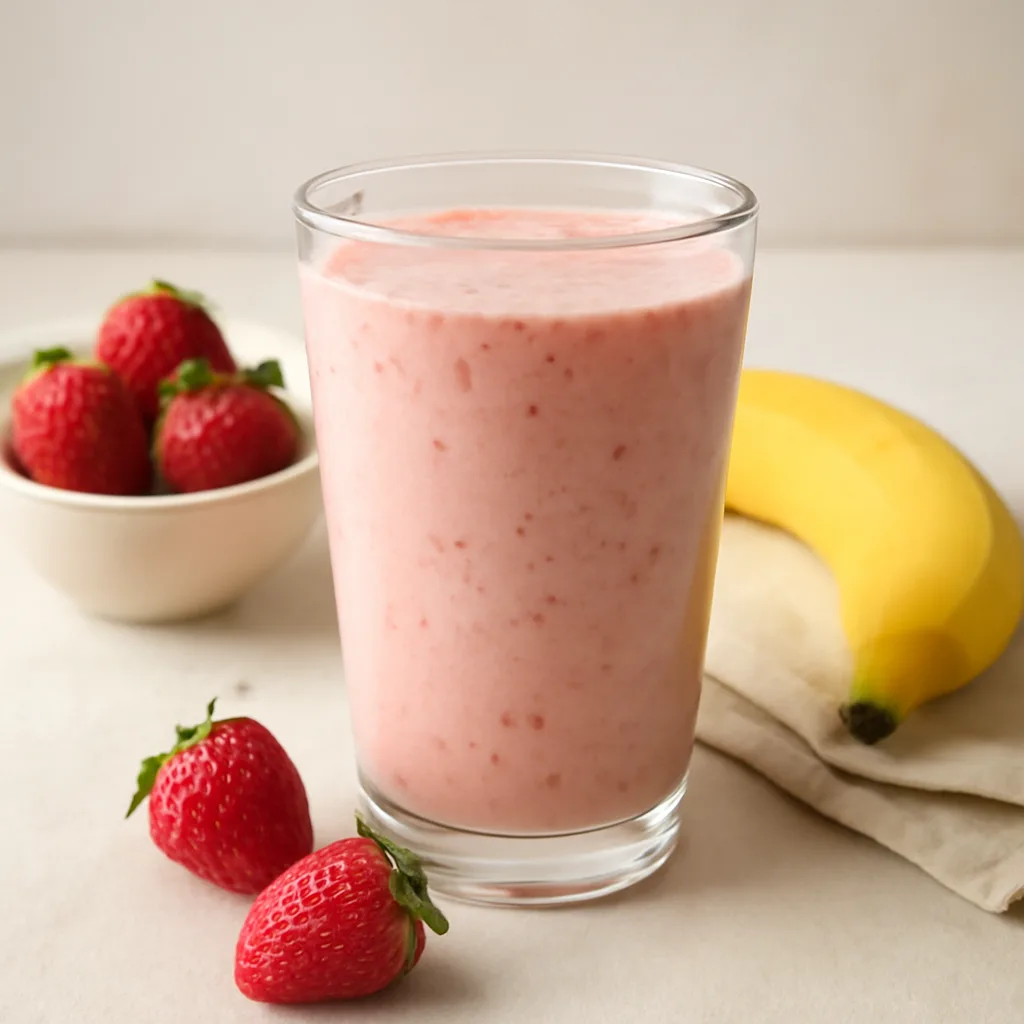
- Mashed strawberries or thinly sliced strawberries can be used in drinks, smoothies, milkshakes. If the texture of seeds is bothersome, grind and strain once.
- Strawberries can be simmered with sugar to be used as sauces or compotes. If there isn't enough juice in the pan, it is better to add a little water rather than cooking on high heat for a long time.
Dicas de preparação
- Wash strawberries quickly under running water just before use, pat dry, and remove the stems. If removing the stems first and washing for a long time, moisture may enter the cut surfaces and dilute the flavor.
- If decorating, wash with stems intact and trim just below the stems or split lengthwise to show the cross-section. For already soft strawberries, slicing thinly is less preferable; instead use for sauces or drinks to minimize shape loss.
- When macerating with sugar, use as the juice releases syrup as a standard. Useful for sauces that need juice, but for tart bases that tend to become soggy, fresh strawberries are more suitable than macerated ones.
- Lemon juice can make sweetness feel more defined, but adding too much to very sour strawberries can make the acidity too strong. Start with a small amount and adjust after tasting.
Características ao cozinhar
- When heated, the flesh of strawberries becomes soft quickly and juice is released. If you want to keep pieces, cook briefly; for a fully melted sauce, mash and simmer longer.
- As heating time increases, the characteristic fresh strawberry aroma weakens and cooked fruit flavors become more prominent. For sauces that retain aroma, after cooking remove from heat and add some fresh strawberries.
- Sugar draws out moisture from strawberries and helps form syrup. If you add too much sugar from the start and the mixture stays liquid for a long time, the aroma can fade as it reduces, so consider adding sugar in portions.
- Even when cooked with acidic ingredients, strawberries tend not to firm up and instead become tender. If you expect a very thick result like jam, consider the fruit's moisture and cooking time, as the result varies.
Combinações que combinam bem
- Whipped cream, vanilla, and milk-based desserts soften the acidity of strawberries and pair well with even mildly sweet strawberries.
- Citrus like lemon or lime can brighten the aroma, but with already sour strawberries use only a small amount.
- Balsamic vinegar, which combines sweetness and acidity, pairs well with salads or roasted strawberries. However, too much might let the vinegar aroma come forward before the strawberry flavor.
- Herbs like basil or mint extend the strawberry fragrance, and nuts add a crunchy contrast to the soft flesh.
Pontos a considerar ao substituir
- For decorations where the color and aroma of fresh strawberries are essential, there is no exact substitute. If needed for a similar role, you can use raspberries or thinly sliced other red fruits, but acidity and moisture will differ.
- For sauces, compotes, and smoothies, frozen strawberries can be used. Since thawing releases a lot of moisture, reduce the initial added water and, if needed, simmer longer to adjust thickness.
- If a bright fruit flavor is the goal, you can choose raspberries, blueberries, or peaches depending on the dish. However, peaches have lower acidity and raspberries have more pronounced seeds and acidity, so adjust sugar and acidity again.
- Strawberry jam can be used in place of fresh strawberries for some dessert fillings, but since sweetness and thickness are already set, fresh fruit is not suitable for salads or decorations.
Ingredientes frequentemente usados juntos em pratos reais
Baseado na contagem de coocorrência de ingredientes principais em alimentos públicos registrados no CookPagoda.
Alimentos que usam este ingrediente
Mostramos os alimentos do CookPagoda que incluem este ingrediente como principal, ordenados por visualizações.